Knives that aren’t built for long seasons
A long season doesn’t care about first impressions. It grinds on edges, loosens screws, and exposes heat treats that looked fine after one deer but don’t survive the fifth. Knives that aren’t built for repeated use don’t usually fail all at once. They fade. Edge life shortens, handles loosen, and control disappears when you need it most.
If you hunt hard, help buddies fill tags, or spend weeks in the field, you learn quickly which blades can keep up. These knives often work well early, then quietly fall behind as the season stacks animals and miles. They’re not useless. They’re simply not built for the long haul.
Gerber Paraframe
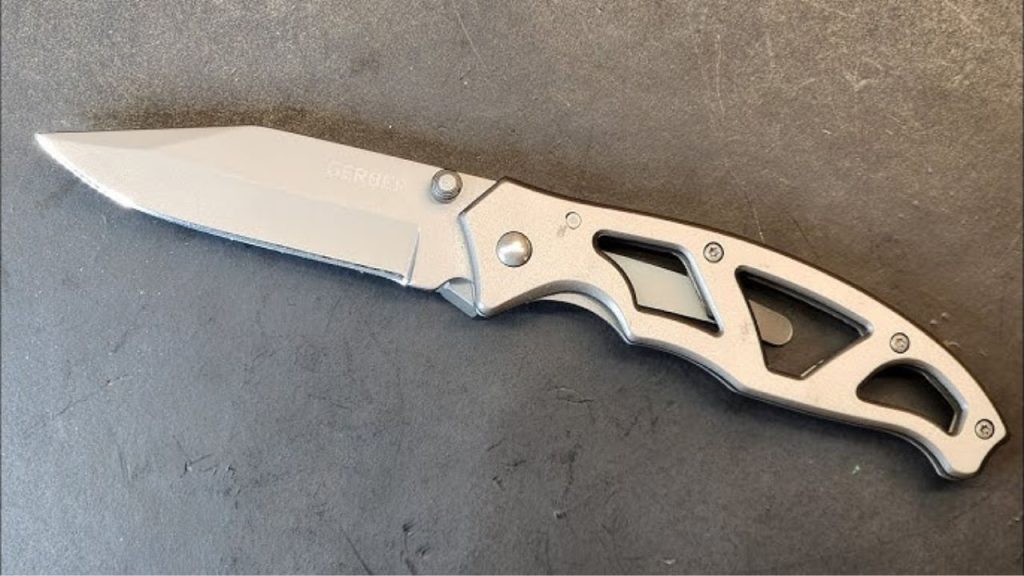
The Paraframe shows its limits early in a long season. The blade steel loses bite quickly once you’ve cut through multiple hides and connective tissue. Frequent sharpening becomes mandatory, and each touch-up removes more steel than you’d like.
The open-frame handle collects grime and stays slick once blood and fat work in. Lockup play develops with use, which becomes noticeable when cutting around joints. It’ll get you through a few animals, but long seasons wear it down fast.
Kershaw Leek
The Leek’s thin blade excels at light slicing, then struggles once cartilage and tougher cuts become routine. Edge damage shows up early, especially near the tip, and retention drops with each animal.
The slim handle feels fine at first but offers little control when wet. Over time, assisted opening components collect debris, affecting reliability. It’s a good knife for occasional use, not repeated field dressing across a long season.
Buck Bantam (Older Models)
Older Bantam models sharpen easily, then dull just as fast. After several animals, edge life becomes a constant frustration rather than a minor inconvenience.
The lightweight handle flexes under pressure, especially during brisket cuts. Over a long season, that flex reduces confidence and control. It works early, but fatigue shows up quickly.
CRKT Drifter
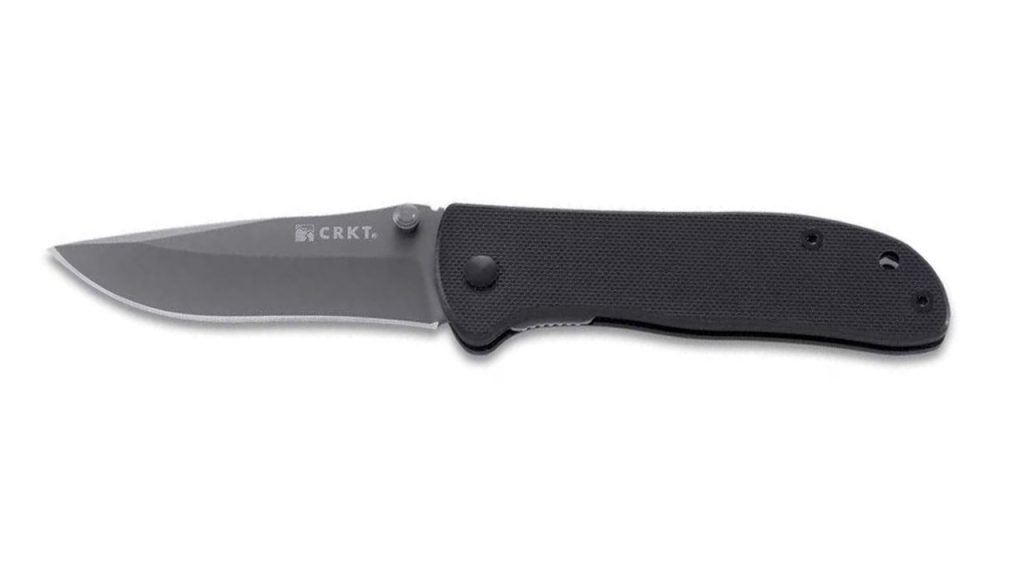
The Drifter starts solid, then slowly loses ground. Blade steel dulls faster than expected under repeated hide and hair contact, requiring frequent maintenance.
Handle traction fades once things get slick, and lock wear becomes noticeable with use. It’ll survive a short season, but extended use exposes its limits.
Gerber EVO
The EVO’s blade geometry isn’t meant for sustained heavy cutting. Edges roll under pressure, especially when working around bone and joints.
Internal components wear once exposed to moisture and debris. Over time, action smoothness and control degrade. It’s serviceable early, then tiring later.
Smith & Wesson Extreme Ops
The Extreme Ops looks tougher than it performs. Edge life shortens dramatically once you’re dressing multiple animals, and sharpening becomes constant.
Handle ergonomics suffer when slick, and pivot wear appears earlier than expected. It works, but it doesn’t age well across a full season.
Cold Steel Kudu
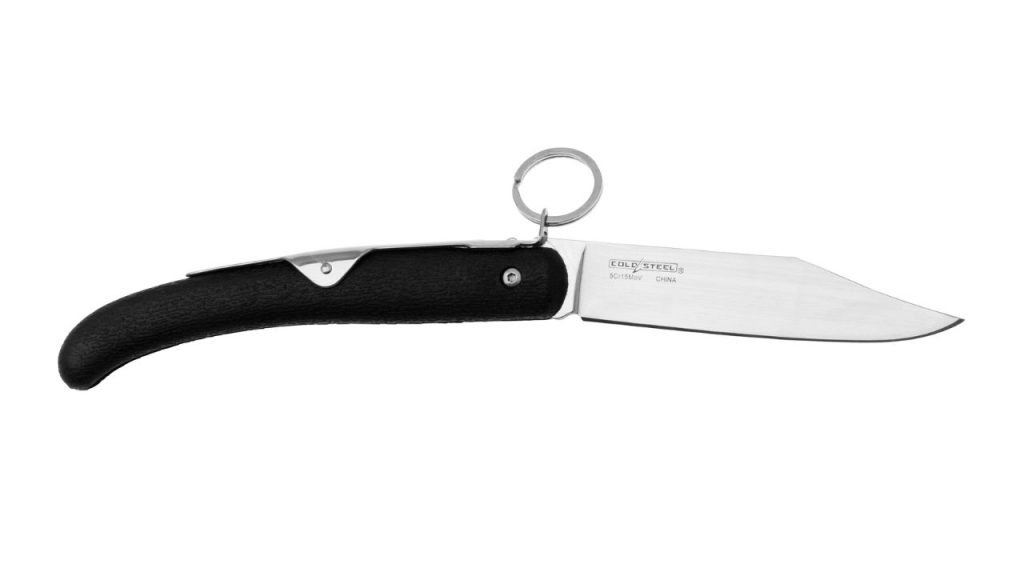
The Kudu slices well early, but its thin blade doesn’t tolerate repeated stress. Cartilage and bone contact deform the edge faster with each use.
The locking system holds, but the blade simply isn’t built for volume. Long seasons expose how quickly it wears.
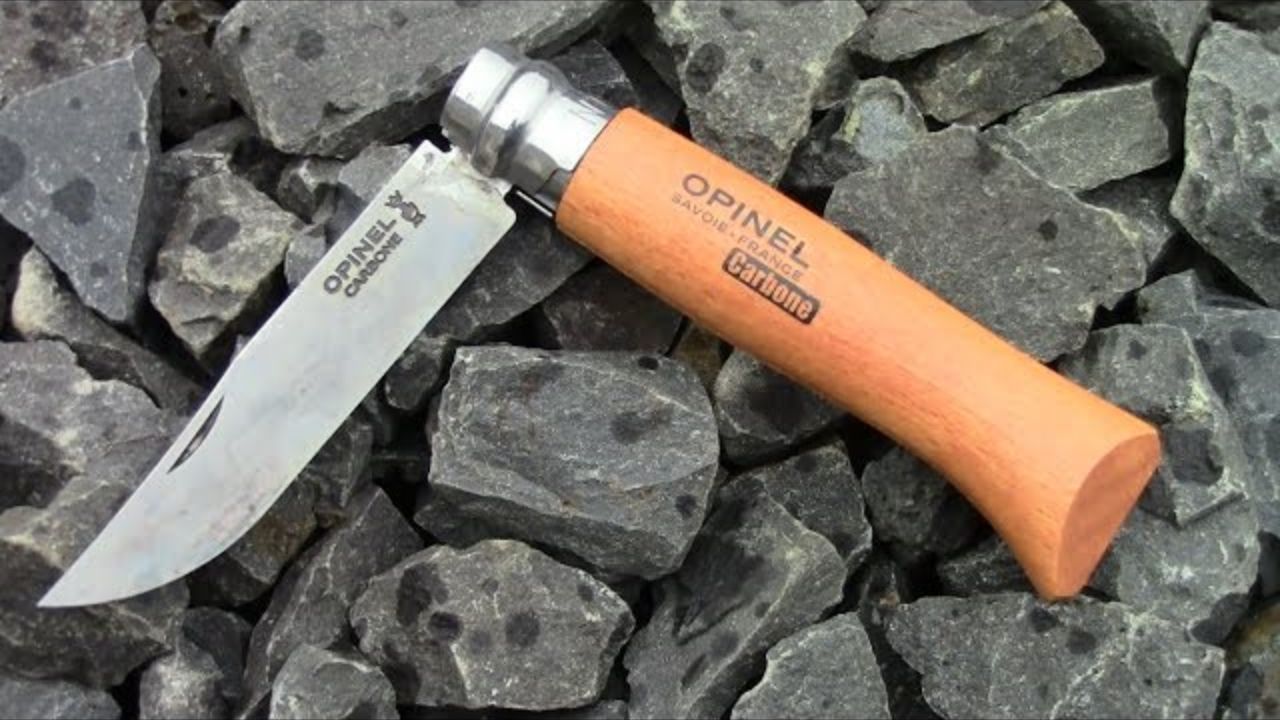
Opinel No. 8
The Opinel cuts beautifully at first, then struggles as conditions pile up. Thin steel chips easily around bone, and edge retention drops with repeated use.
The wooden handle swells with moisture, affecting lock function. Over a long season, maintenance becomes constant.
Schrade Old Timer Folding Hunter (Modern Production)
Modern Old Timers don’t hold edges like their older counterparts. Steel softness shows quickly under sustained use.
Handle scales loosen, and blade geometry fights thicker cuts. It’ll get you through early tags, but long seasons wear it out.
Gerber Bear Grylls Folding Knife
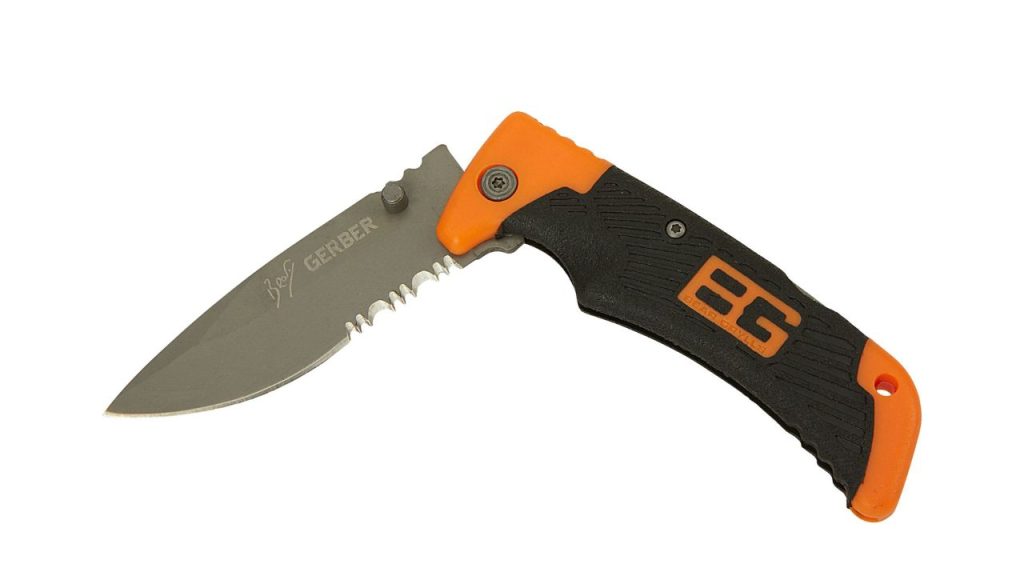
Built for light tasks, not repeated field dressing. Edge life is short, and serrations complicate maintenance.
Handle traction fades once slick, and internal wear adds up. It looks ready, but extended seasons expose its weaknesses.
Buck 110 LT
The LT trades durability for weight. Edge retention drops faster than traditional 110s, especially under heavy use.
Handle flex and quicker wear shorten its lifespan. It’s lighter, not longer-lasting.
SOG Twitch II
The Twitch II isn’t meant for volume. Small blade size and limited edge life show quickly once dressing becomes routine.
Assisted mechanisms collect debris, affecting reliability. It works early, then struggles to keep up.

Leo’s been tracking game and tuning gear since he could stand upright. He’s sharp, driven, and knows how to keep things running when conditions turn.