Knives that lose edge retention under pressure
Edge retention isn’t about shaving hair in the garage. It’s about what happens when you’re elbow-deep, cutting hide that’s packed with grit, pushing through cartilage, or working fast because light is fading. That’s where steel, heat treat, and grind stop being marketing terms and start deciding whether you finish cleanly or start sawing.
These knives aren’t useless. Most of them feel great out of the box. The problem shows up under pressure, when repeated cuts, bone contact, and real resistance cause the edge to roll, chip, or disappear altogether. When a blade quits halfway through the job, confidence goes with it.
Gerber Paraframe
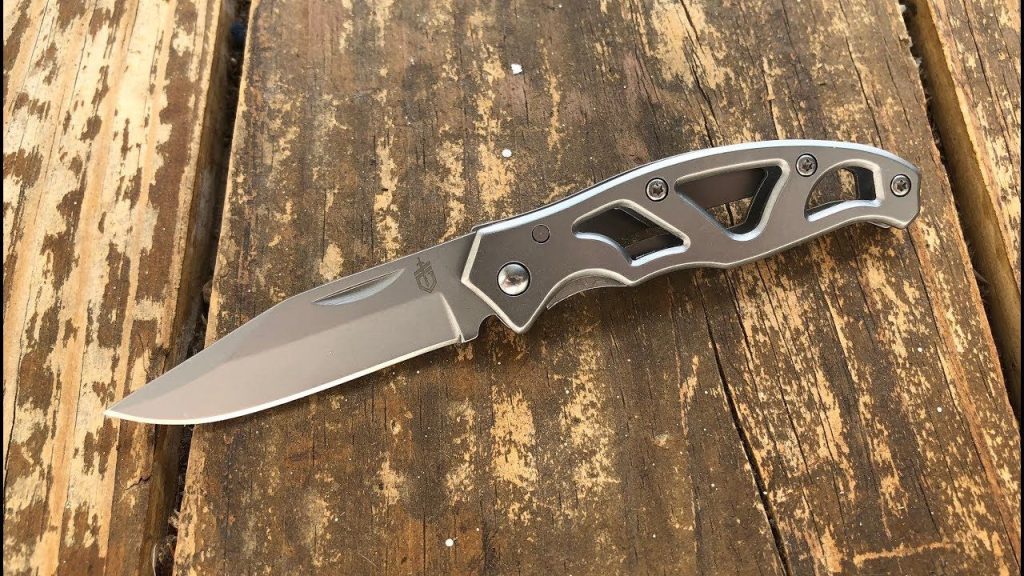
The Paraframe feels sharp enough at first, but the steel doesn’t hold up once hide and connective tissue enter the picture. Edge degradation happens fast, especially if you’re working around joints.
You’ll notice yourself changing technique to compensate, using more force where the blade used to glide. Frequent sharpening becomes necessary, and each touch-up shortens the blade’s useful life.
Buck Bantam
The Bantam sharpens easily, which hides its biggest weakness. Under pressure, the softer steel loses bite quickly, especially during longer jobs.
After one animal, it still feels serviceable. By the second or third, you’re already wishing you’d brought a strop or stone. It’s reliable early, but edge retention drops fast once the work stacks up.
CRKT Drifter
The Drifter’s blade geometry looks ready for work, but the steel struggles with sustained cutting. Hair, dirt, and cartilage eat away at the edge sooner than expected.
You’ll feel the blade sliding instead of slicing. Under pressure, it stops doing what it’s supposed to do, forcing you to slow down when speed matters.
Kershaw Leek
The Leek excels at light slicing, then loses its edge once resistance increases. Thin steel and a narrow profile don’t tolerate bone contact well.
Under pressure, the edge dulls unevenly, especially near the tip. It’s a great knife for precision cuts, not sustained field dressing.
Gerber EVO
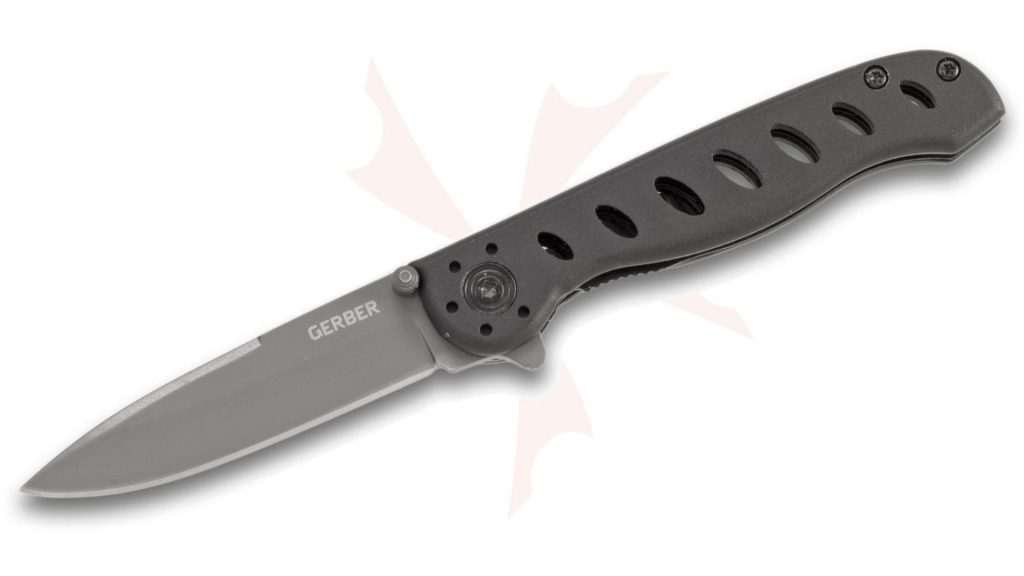
The EVO’s edge retention falls off quickly once you start pushing it. Rolling edges become common when cutting tougher material.
You’ll notice the knife still looks fine, but performance drops sharply. Pressure exposes the limits of the steel faster than expected.
Smith & Wesson Extreme Ops
The Extreme Ops looks tough, but the steel tells a different story. Under real cutting pressure, the edge dulls rapidly.
Frequent sharpening becomes unavoidable, and edge life never quite stabilizes. It works, but it doesn’t stay sharp when you need it to.
Cold Steel Kudu
The Kudu slices beautifully at first, then struggles once resistance increases. Thin steel doesn’t tolerate cartilage or joint work well.
Edge deformation shows up quickly under pressure. It’s excellent for light cuts, but sustained force reveals its limits.
Opinel No. 8
The Opinel’s carbon steel starts razor sharp, then loses bite fast when pushed. Bone contact accelerates dulling dramatically.
You’ll find yourself sharpening mid-job if the work is heavy. It cuts well, but pressure shortens its effectiveness quickly.
Schrade Old Timer Folding Hunter
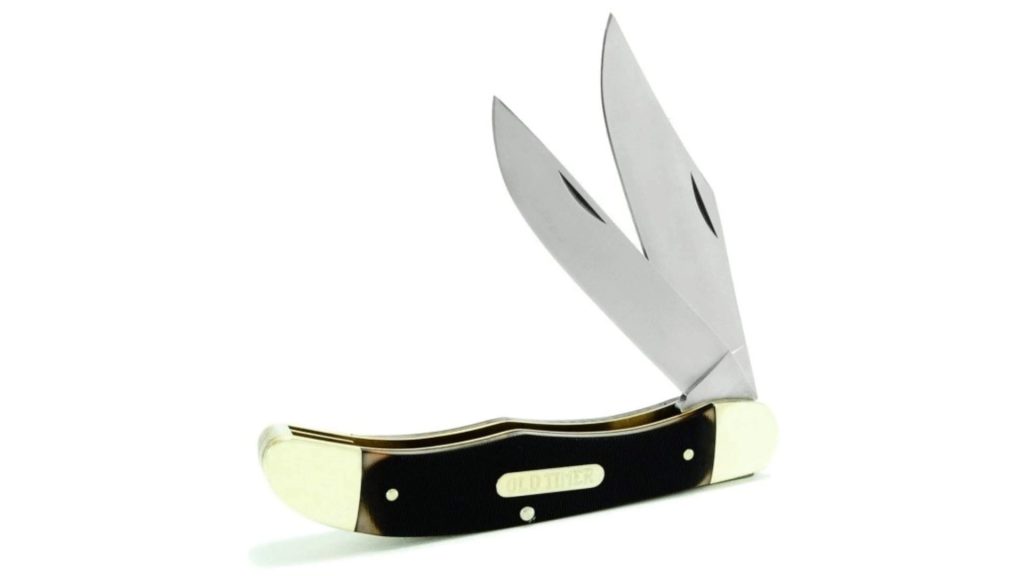
Modern Old Timers don’t hold edges like older versions. Under pressure, the steel softens quickly.
Repeated dressing exposes how fast the edge fades. Nostalgia doesn’t save performance when steel gives up early.
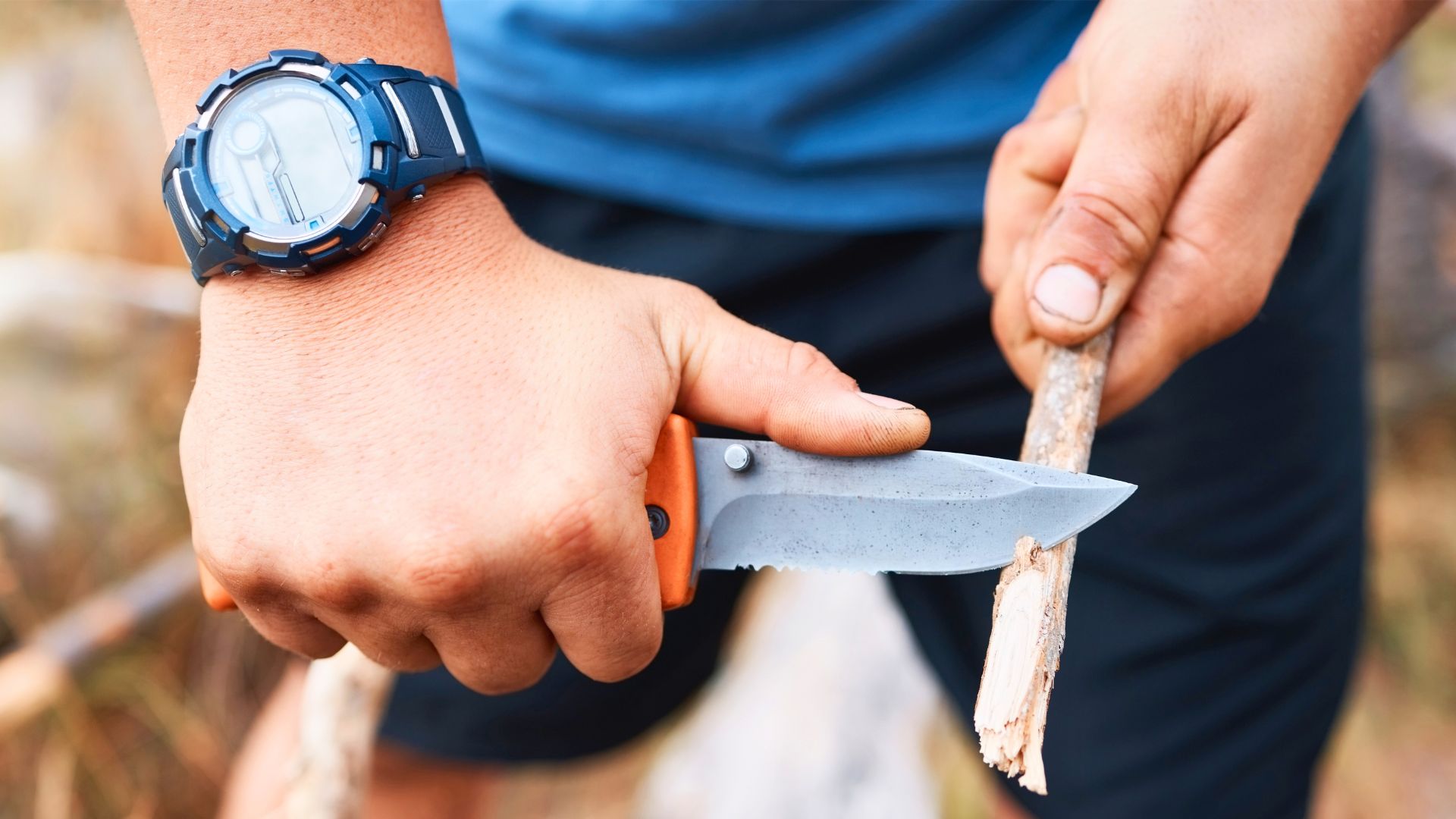
Gerber Bear Grylls Folding Knife
Designed for versatility, not sustained cutting. Under pressure, the edge dulls rapidly, and serrations complicate recovery.
Once dull, control drops fast. It looks capable, but edge retention doesn’t match the workload.
Buck 110 LT
The lightweight version sacrifices steel durability. Edge retention drops faster than traditional Buck steels under pressure.
It’s lighter on the belt, but the edge fades sooner than expected once real work begins.
SOG Twitch II
The Twitch II isn’t built for forceful cutting. Edge life suffers quickly when pressure increases.
Small blade size and steel choice limit how long it stays sharp. It works early, then runs out of steam fast.

Leo’s been tracking game and tuning gear since he could stand upright. He’s sharp, driven, and knows how to keep things running when conditions turn.