Reels that can’t handle long fights
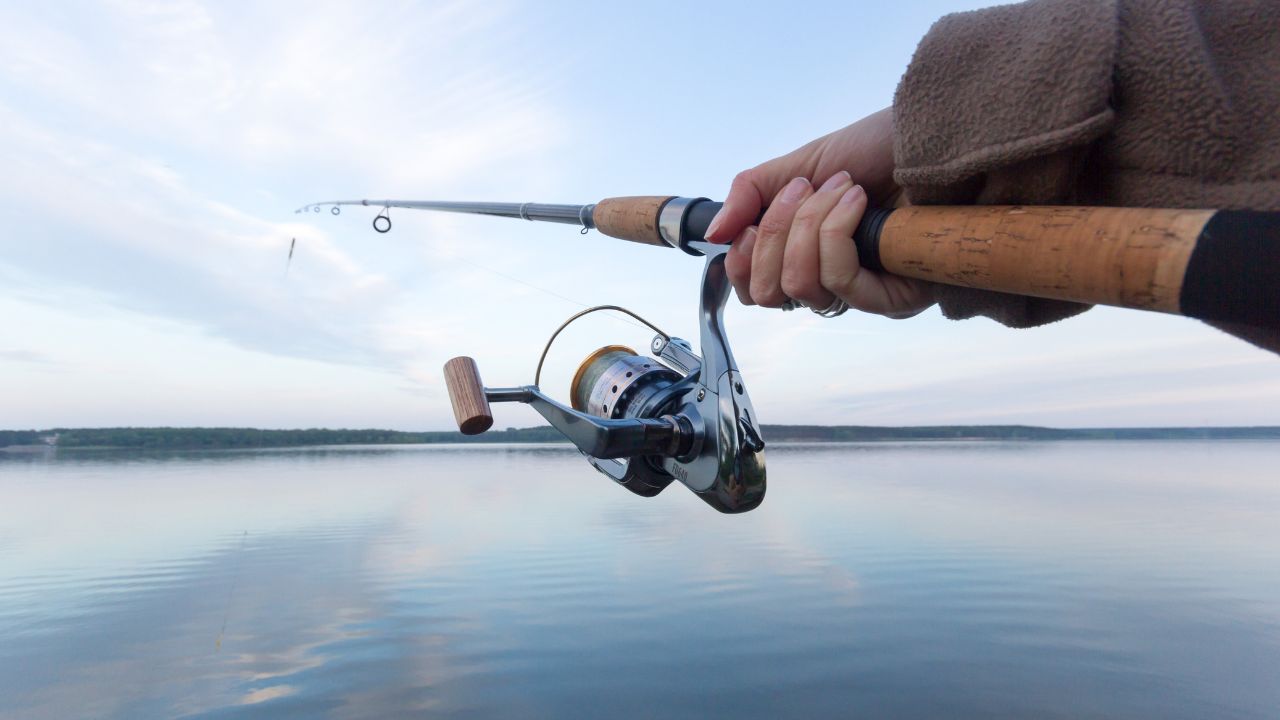
Every reel feels strong when the fish comes in quick. The problems show up when a run doesn’t stop, when the drag stays loaded, and when heat has time to build. Long fights expose things you’ll never notice on school-size fish or short bursts of pressure. Gears flex, drags fade, handles loosen, and tolerances start working against you.
Some reels aren’t poorly made. They’re simply built for lighter duty than their marketing suggests. They cast well, feel smooth in the hand, and handle average fish just fine. But once a fight stretches out, weaknesses show. These are reels that tend to lose composure when a fish decides the battle isn’t ending anytime soon.
Shimano Sedona
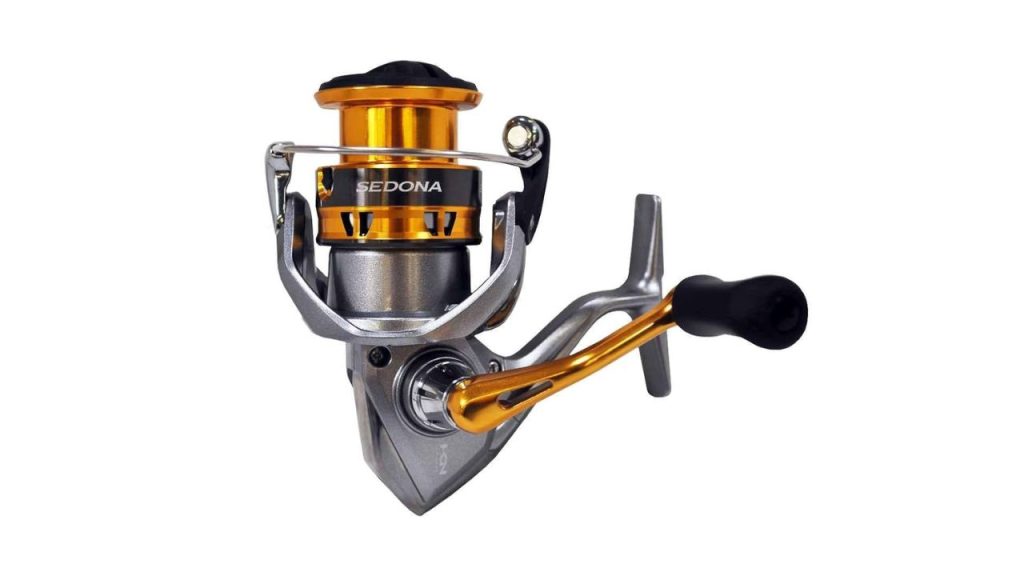
The Shimano Sedona feels solid right out of the box. Smooth retrieve, comfortable handle, and a price that makes it easy to justify. For short fights, it performs exactly as expected.
The trouble starts when drag pressure stays high for extended periods. Heat builds quickly, and the drag loses consistency. You feel it surge, then soften. Over time, gears start to feel less precise under load. The reel doesn’t fail catastrophically, but it fades. That loss of confidence matters when you’re leaning into a fish that won’t quit. The Sedona works best when fights end quickly. Long battles reveal where cost savings live.
Daiwa Revros
The Revros earns praise for smoothness and value. It’s light, casts well, and feels refined for the price. On modest fish, it’s enjoyable to fish.
Extended fights tell a different story. Drag pressure feels uneven once things heat up. The frame flexes just enough to affect gear alignment under strain. You notice resistance where there shouldn’t be any. It’s subtle at first, then persistent. The reel isn’t built to stay locked in under prolonged load. It’s fine for routine fishing, but when a fish tests your patience, the Revros starts showing its limits.
Pflueger President
The Pflueger President has put a lot of fish on the bank. It feels balanced, smooth, and dependable for everyday use. That reputation is earned within a certain range.
Long fights push it past that range. Drag systems tend to lose smoothness as pressure stays applied. Handles can develop play, and internal components don’t always stay tight. You end up compensating instead of trusting the reel. It still works, but the margin shrinks. The President excels when fights are controlled and brief. When a fish runs hard and long, it feels like you’re asking more than it was built to give.
Abu Garcia Max Pro
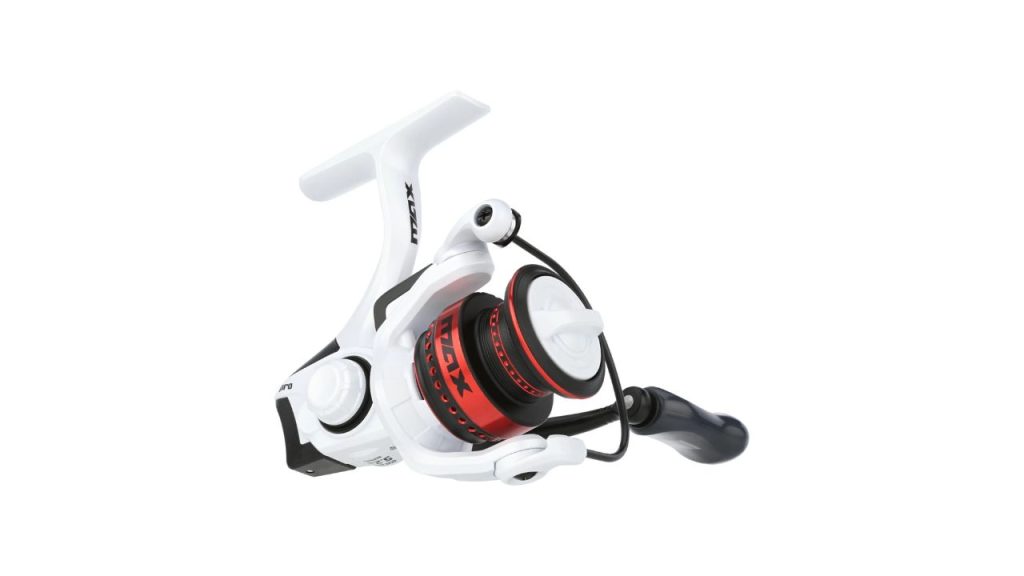
The Max Pro looks and feels capable. It palms well, casts easily, and has a drag rating that sounds reassuring on paper.
In real fights, sustained pressure tells another story. The drag can feel grabby when heat builds, and gear smoothness degrades under load. You feel resistance change mid-fight, which forces you to back off when you shouldn’t have to. Over time, the reel loses that crisp feel it started with. It’s serviceable, but not steady. Long fights demand consistency, and that’s where the Max Pro tends to come up short.
Lew’s Speed Spool
Lew’s Speed Spool reels are known for light weight and fast retrieves. They feel quick and responsive, especially for reaction baits.
That lightweight build becomes a liability during drawn-out fights. Frames can flex under sustained load, affecting gear engagement. Drags feel adequate at first, then inconsistent as the fight stretches on. You notice noise and roughness that weren’t there earlier. The reel doesn’t break, but it loses composure. Speed Spools shine when fish come in fast. When they don’t, the reel reminds you it wasn’t built for endurance.
Okuma Ceymar
The Okuma Ceymar surprises people with how smooth it feels at a low price. It’s light, comfortable, and pleasant during casual fishing.
Long fights expose its limitations. Drag pressure isn’t as stable as it feels initially, especially when a fish keeps pulling. Heat causes subtle pulsing that turns into noticeable inconsistency. Internal components don’t always recover their original smoothness afterward. It’s not a failure so much as fatigue. The Ceymar performs well until it’s asked to do the same hard work for too long without a break.
KastKing Royale Legend
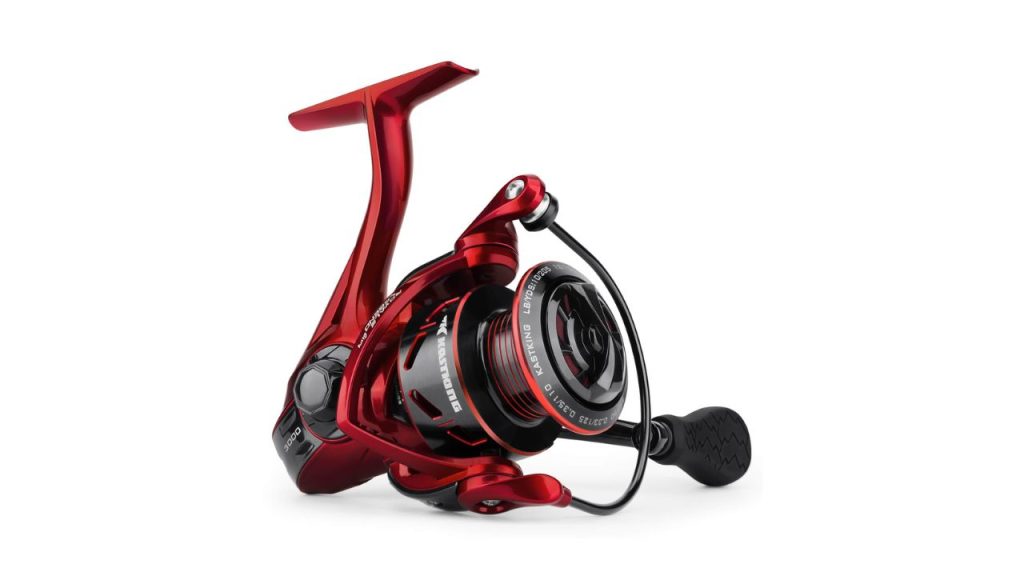
The Royale Legend feels impressive for its price. Casting is easy, and the reel feels tight when new. Many anglers are surprised by how well it performs early on.
Extended fights reveal where corners were cut. Drag materials heat up fast, and pressure becomes uneven. Gear feel degrades under sustained load, especially when you’re leaning hard on a fish. Over time, smoothness gives way to resistance. The reel doesn’t inspire confidence once pushed. It’s enjoyable for light to moderate duty, but long fights expose the gap between initial feel and long-term performance.
Quantum Throttle
The Quantum Throttle looks rugged and feels sturdy in the hand. It’s marketed toward durability and hard use, which sets expectations high.
In practice, long fights strain the drag system. Heat buildup leads to slipping and inconsistent pressure. The retrieve can feel labored once the reel has been under load for a while. You’re left managing the reel instead of focusing on the fish. It handles short bursts well, but endurance isn’t its strength. When a fight drags on, the Throttle starts to feel overwhelmed rather than composed.
Mitchell 300
The modern Mitchell 300 carries a classic name and a clean design. It feels smooth and controlled during everyday fishing.
Sustained pressure reveals limitations in the drag and internal tolerances. The reel doesn’t maintain consistent resistance once heat builds. You feel fluctuations that force adjustments mid-fight. Over time, smoothness declines faster than expected. It’s not built for repeated long battles. The Mitchell 300 handles average fish comfortably, but extended fights push it beyond its comfort zone.
13 Fishing Blackout
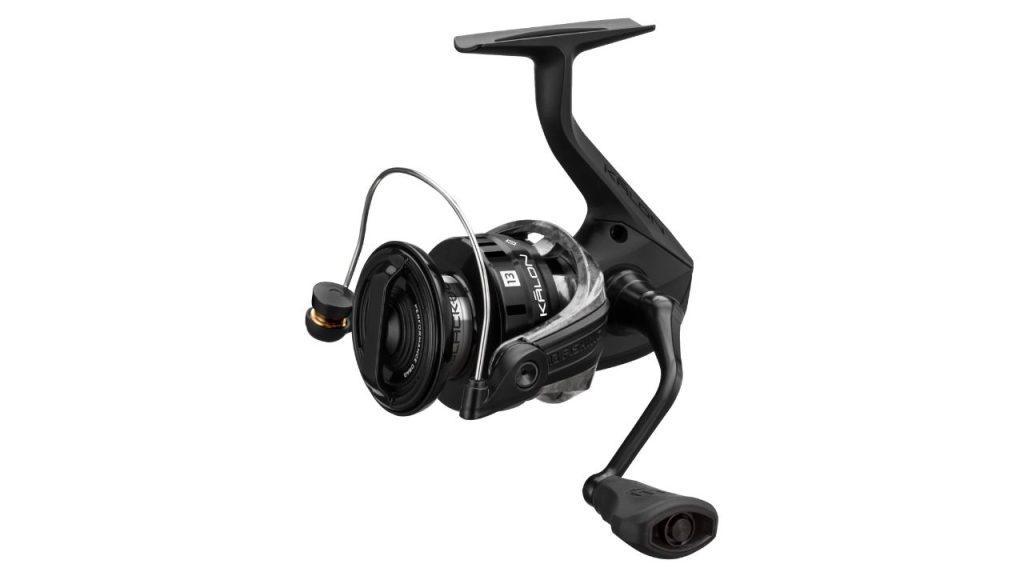
The Blackout looks modern and aggressive, and it feels light and responsive on the rod. For quick hookups, it does its job.
Long fights show instability in the drag system. Pressure feels uneven, and recovery between runs isn’t consistent. Internal components don’t handle sustained load particularly well, leading to roughness that lingers. The reel feels better suited to short engagements. When a fish refuses to come in, the Blackout feels outmatched. It’s fine for light duty, but endurance isn’t part of its design strength.
Penn Fierce
The Penn Fierce looks like it should dominate long fights. It’s heavier, solid, and carries a reputation tied to saltwater use.
The issue isn’t strength, but refinement. Drags can feel sticky under sustained pressure, especially when heat builds. Gear smoothness declines faster than expected for its size. You can land fish, but the process feels harder than it should. The Fierce handles abuse, but not gracefully. Long fights expose a lack of drag consistency that turns endurance battles into work rather than controlled pressure.
Abu Garcia Silver Max
The Silver Max is approachable and easy to fish. It casts well and feels manageable for a wide range of anglers.
Extended fights bring out its weaknesses. Drag systems don’t stay smooth under continuous load, and internal resistance increases as components heat up. Over time, the reel feels less cooperative. It’s not unreliable, but it’s not composed either. The Silver Max works best when fish come in without testing the system. When they don’t, the reel struggles to maintain consistency.
Long fights don’t require brute strength. They require stability, heat management, and consistency. That’s where many reels quietly fall behind.

Leo’s been tracking game and tuning gear since he could stand upright. He’s sharp, driven, and knows how to keep things running when conditions turn.