
Guns that teach hard lessons quickly
Some guns don’t ease you in. They don’t hide mistakes or smooth over bad habits. They show you exactly where your fundamentals fall apart, and they do it fast. A sloppy grip, poor trigger control, weak follow-through—these guns put all of it on display within the first magazine. That’s not a bad thing. In fact, many experienced shooters cut their teeth on firearms that punished errors instead of masking them.
These are the guns that force you to slow down, pay attention, and get honest with yourself. They can be humbling, occasionally frustrating, and incredibly educational if you stick with them. Spend time behind one, and you’ll come out sharper whether you want to or not.
Glock 26
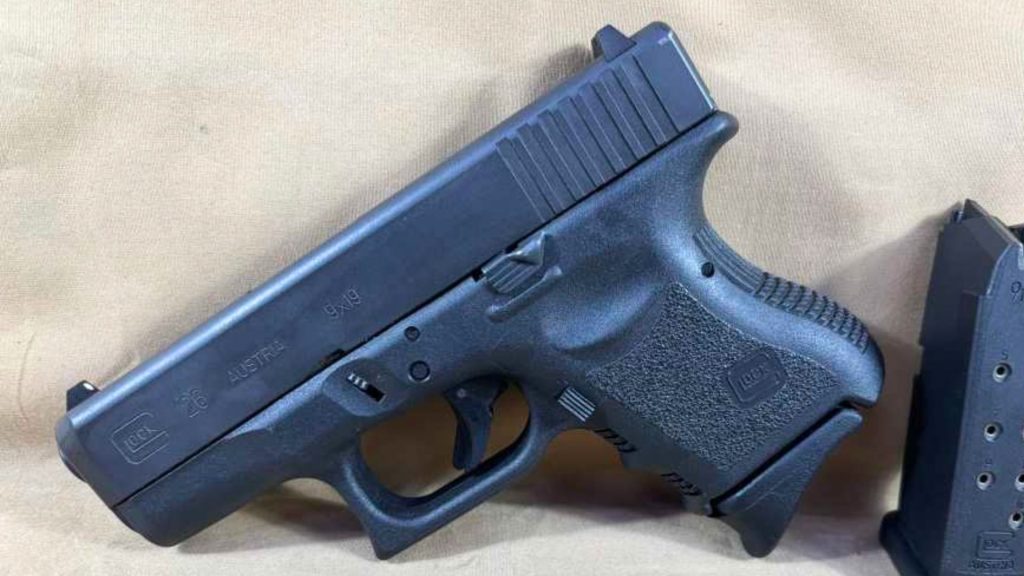
The Glock 26 looks forgiving, but it has a way of exposing bad habits. The short grip challenges consistency, especially if your support hand placement is lazy. Limp-wristing shows up fast, and poor recoil control leads to scattered groups.
The trigger isn’t heavy, but it’s honest. Any tendency to slap or rush it sends shots low and left. You also learn quickly that grip angle matters more than you think. Run a Glock 26 well and you’ll notice improvements when you move back to larger pistols with more forgiving ergonomics.
Smith & Wesson J-Frame Revolvers
A J-frame revolver teaches trigger control faster than almost anything else. The long, heavy double-action pull doesn’t let you cheat. If your finger work is sloppy, your shots wander immediately. There’s no short reset to lean on and no striker safety smoothing things out.
The lightweight frame adds another layer of discipline. Recoil management matters, grip pressure matters, and sight alignment has to be deliberate. With only five rounds on board, you also learn to make every shot count. A J-frame doesn’t flatter anyone, but it turns patient shooters into better ones quickly.
Mosin-Nagant 91/30
The Mosin-Nagant doesn’t care about your comfort, and that’s part of the lesson. The stiff bolt demands proper technique, especially when cycling under stress. If your position is sloppy, you feel it immediately.
Recoil teaches follow-through in a way few modern rifles do. Poor stock weld or rushed shots lead to flinching fast. The iron sights force you to slow down and focus on fundamentals instead of leaning on optics. Shoot a Mosin long enough and you develop patience, discipline, and respect for solid shooting positions.
Ruger LCP
Tiny pistols like the Ruger LCP are excellent teachers, even if they aren’t pleasant. The short sight radius magnifies every mistake. Any lapse in trigger control sends rounds off target quickly.
Recoil is sharp for the size, which forces you to grip correctly without overdoing it. There’s no room for sloppy finger placement or rushed shots. The LCP also teaches realistic expectations about distance and precision. If you can keep consistent hits with one, you’ll find larger carry guns feel far more manageable afterward.
AK-47 Pattern Rifles
AKs are reliable, but they don’t hide shooter error. The trigger has noticeable travel, and poor reset control leads to inconsistent cadence. If your stance is weak, recoil pushes you around more than expected.
Iron sights require deliberate alignment, especially past close distances. The safety lever and manual of arms also force you to be intentional with movement. Run an AK well and you learn to manage recoil, control triggers with discipline, and maintain awareness of your shooting position throughout each string.
1911 Pistols (GI-Style)
A basic GI-style 1911 teaches respect for fundamentals. The single-action trigger is clean, which means any error is yours alone. There’s nothing to blame when shots go astray.
Grip safety engagement teaches proper hand placement quickly. Poor grip leads to failures that are immediately obvious. Recoil management matters, especially with full-power loads. You also learn the value of maintenance and magazines. Shoot a 1911 enough and your trigger discipline, grip consistency, and attention to detail improve across the board.
Remington 870 Pump Shotgun

The Remington 870 teaches rhythm and follow-through fast. Short-stroking the pump shows up immediately, and there’s no hiding from it. You either run the action correctly or you don’t get a second shot.
Recoil forces you to mount the gun properly every time. Sloppy shoulder placement or poor stance becomes uncomfortable quickly. Patterning teaches realistic expectations about spread and distance. Time behind an 870 builds discipline in movement, loading, and shot placement that carries over to every long gun you shoot.
CZ-75 Double-Action Pistols
The first double-action pull on a CZ-75 teaches patience. Rushing it ruins accuracy immediately. Transitioning smoothly to single-action demands control and focus.
Grip angle and weight reward proper hand placement but punish laziness. If your support hand is weak, recoil recovery slows noticeably. Learning to manage that first trigger press improves overall pistol fundamentals. Shooters who master the CZ’s double-action tend to become more disciplined across platforms with varied trigger systems.
Lightweight .357 Magnum Revolvers
A lightweight .357 revolver delivers instant feedback. Full-power loads demand respect, and poor grip or stance gets corrected quickly. Flinching becomes obvious within a few cylinders.
The trigger pull reinforces smooth, steady pressure. There’s no rushing it without consequences. Recoil control and follow-through are non-negotiable. These revolvers also teach ammo selection and realistic practice habits. Spend time with one and you gain a deeper understanding of recoil management and shot discipline.
SKS Rifles
The SKS rewards fundamentals and exposes shortcuts. The trigger has noticeable creep, which means jerking it sends shots wide. Iron sights force careful alignment and proper breathing.
Reloading with stripper clips teaches efficiency and consistency. Poor technique slows everything down. The rifle’s weight and balance highlight flaws in offhand shooting positions. Run an SKS well and you develop patience, steady trigger control, and appreciation for clean shooting fundamentals without modern crutches.
Beretta 92FS
The Beretta 92FS teaches trigger management the hard way. The double-action first shot demands focus, and the transition to single-action exposes inconsistency quickly.
Grip size forces deliberate hand placement. Recoil is manageable, but sloppy technique stretches split times. Slide-mounted controls punish careless manipulation. Learning to run a 92FS well improves trigger discipline, grip consistency, and awareness of manual controls under pressure.
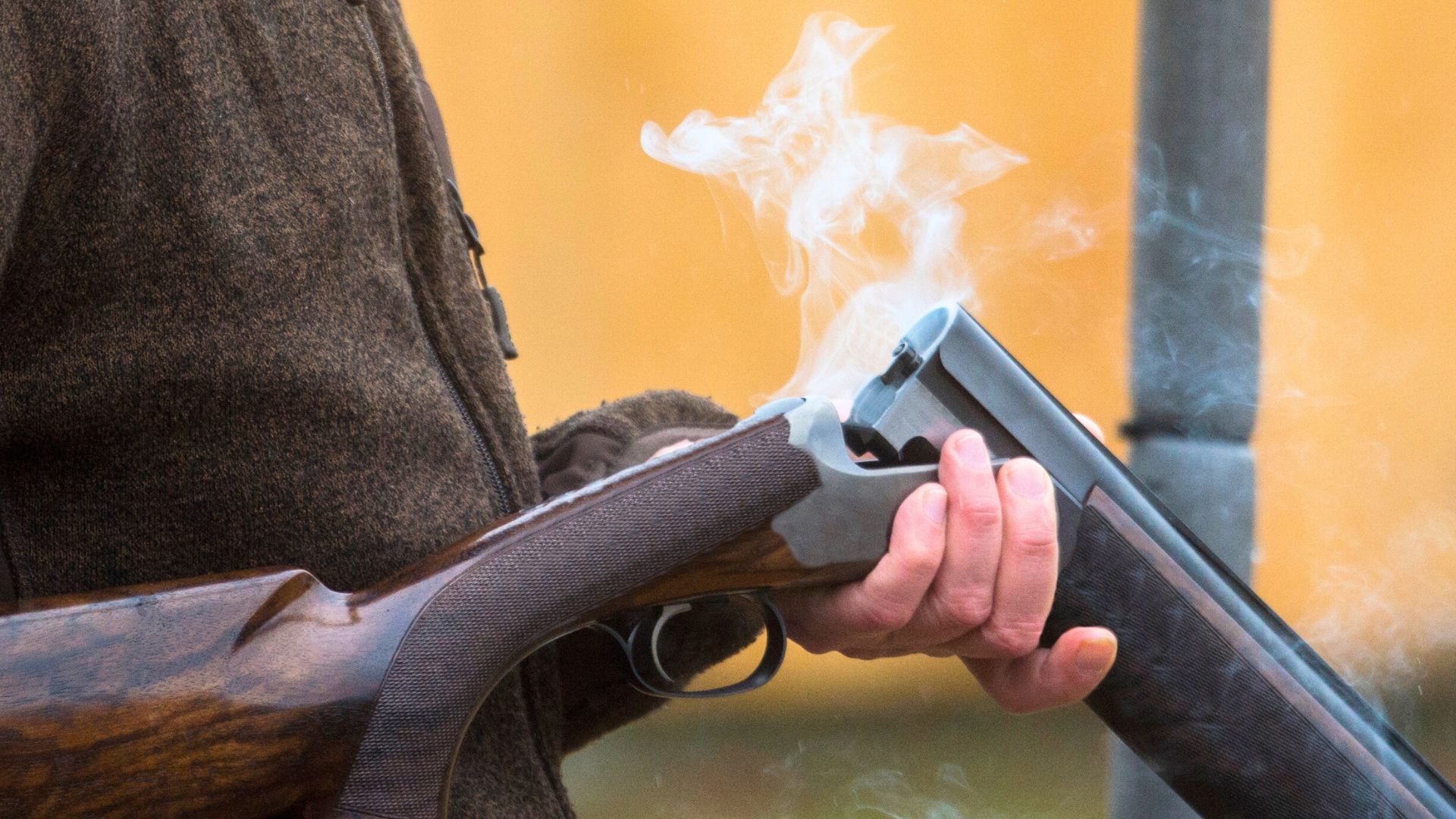
Single-Shot Break-Action Rifles
A single-shot rifle teaches accountability. With one round at a time, there’s no rushing follow-up shots. Every trigger press carries weight.
Loading forces you to slow down and think through each shot. Poor position or breathing shows up immediately. These rifles sharpen fundamentals faster than most repeaters. Spend time behind one and you learn patience, shot discipline, and respect for preparation before pressing the trigger.

Asher was raised in the woods and on the water, and it shows. He’s logged more hours behind a rifle and under a heavy pack than most men twice his age.


