Guns that don’t wear out early
Some guns feel good when they’re new and then slowly come apart as the round count climbs. Others seem to settle in after a few thousand rounds and keep going like nothing changed. If you shoot often, hunt hard, or train year after year, you start to notice which firearms hold their shape and which ones loosen up early. Longevity isn’t about pampering a gun. It’s about materials, tolerances, and designs that don’t fatigue fast.
These are guns you can shoot hard, carry often, and trust long-term. They don’t fall apart once the honeymoon ends. They age the way working tools should.
Beretta 92FS
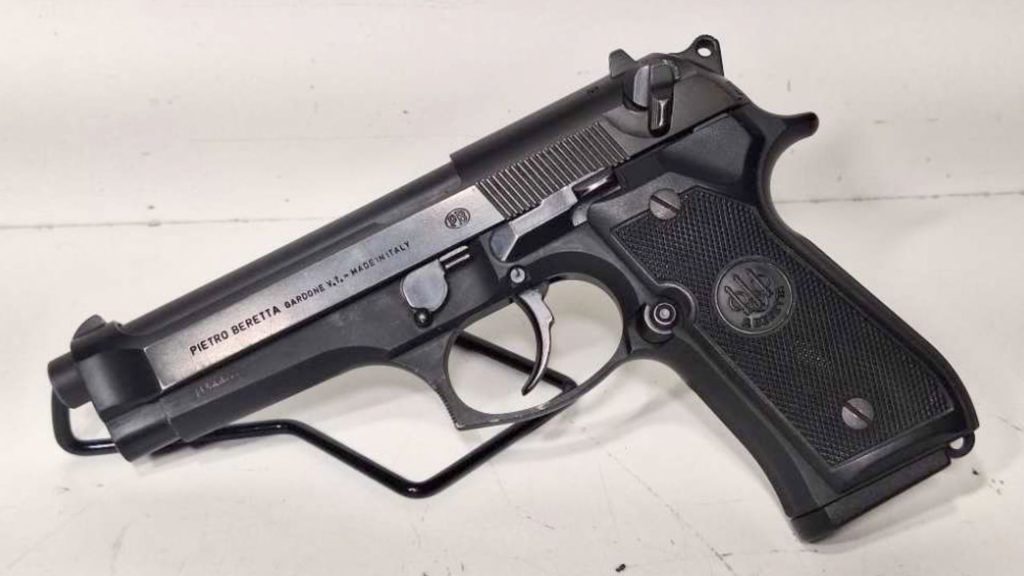
The Beretta 92FS handles round counts that would chew through lighter alloy pistols. Its open-slide design reduces stress and helps the gun cycle smoothly even as parts wear. Locking blocks are replaceable, which extends the service life without sacrificing safety.
Slides and frames hold up well over time, especially when maintained properly. The recoil impulse stays consistent, and accuracy doesn’t wander early. Military use proved this pistol could survive hard schedules and poor conditions. A well-used 92FS doesn’t feel loose; it feels broken in, which is why so many older ones are still trusted today.
Glock 17
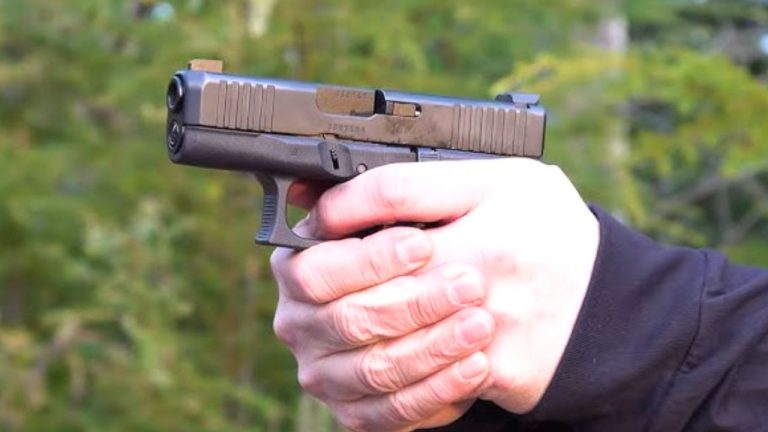
The Glock 17 has earned its reputation the slow way, through millions of rounds fired by people who don’t baby their gear. The polymer frame flexes enough to reduce stress, and the internal parts wear evenly instead of beating each other up. You can replace springs and keep running the same slide and frame for years without chasing accuracy issues.
High round counts don’t faze it. Rails don’t peen early, and the barrel lockup stays consistent longer than most striker-fired pistols. Even after heavy use, the trigger feel stays familiar. It’s not refined, but it doesn’t loosen into unreliability, which is why so many old Glock 17s are still working daily.
Smith & Wesson Model 686
The Model 686 is built around a stainless steel frame that shrugs off abuse and high-pressure loads better than many lighter revolvers. Cylinder lockup stays tight for a long time, even with steady use of full-power .357 Magnum. Timing holds well because the internal parts aren’t pushed to the edge.
You can shoot thousands of rounds without the action turning sloppy. The forcing cone and top strap resist wear better than earlier designs. When a 686 does finally need work, it’s usually after decades, not seasons. It’s the kind of revolver you pass down without worrying about how hard it was used.
Ruger GP100
The GP100 was overbuilt on purpose, and it shows after years of shooting. Ruger’s solid frame design eliminates the sideplate, which reduces flex and long-term wear. Internal parts are thick and forgiving, especially when running heavy magnum loads.
The trigger smooths out with use instead of degrading. Lockup stays secure even when the round count climbs. Many GP100s live their entire lives on full-house .357 without developing endshake issues. It’s not light, and it’s not delicate, but that’s why it keeps running long after other revolvers start feeling tired.
CZ 75B
The CZ 75B uses a heavy steel frame and internal slide rails that spread wear across more surface area. That design reduces battering and keeps tolerances stable longer than many pistols in its class. Even after extensive shooting, slide fit remains consistent.
The barrel and locking surfaces age slowly, and accuracy tends to stay put instead of drifting. Triggers often improve with use rather than degrade. This is a pistol that rewards volume shooters. It doesn’t mind long range days or years of carry, and it rarely develops the rattles or frame wear that end other designs early.
AKM Pattern Rifles
AKM rifles are not precision machines, but they’re extremely slow to wear out. Long-stroke piston systems keep heat and fouling away from the bolt, reducing stress on critical parts. Loose tolerances prevent binding as components age.
Trunnions, bolts, and carriers are built to absorb abuse rather than crack early. Barrels last a long time under realistic use, and headspace remains stable far longer than many expect. You can run an AKM dirty, hot, and hard without accelerating failure. When something finally breaks, it’s usually after years of neglect, not normal use.
Remington 700
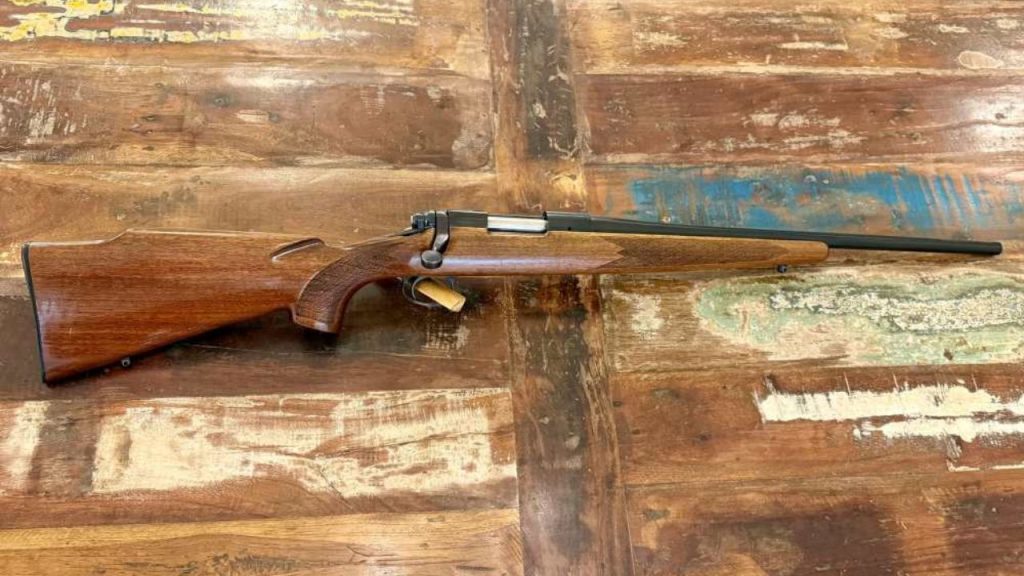
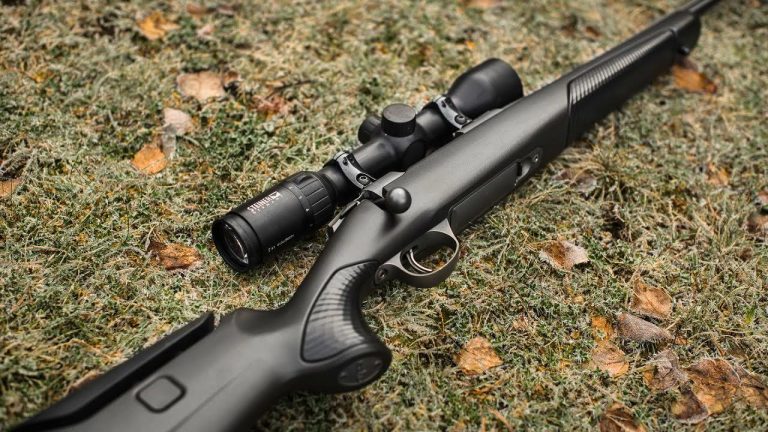
The Remington 700 action is simple, stiff, and slow to fatigue. Bolt lugs wear evenly, and the receiver resists flex that can cause accuracy loss over time. With reasonable loads, barrels last a long while before precision degrades noticeably.
Triggers and internal parts can be serviced without compromising the action. Many 700s stay in service for decades as hunting rifles without ever needing major work. The design doesn’t beat itself up, which is why so many older examples still shoot acceptably well long after newer rifles have loosened up.
AR-15 with Chrome-Lined Barrel
A properly built AR-15 with a chrome-lined barrel and quality bolt carrier group ages better than its reputation suggests. Chrome lining slows throat erosion and corrosion, especially with higher round counts. Gas systems are easy to tune as parts wear.
Bolts, extractors, and springs are replaceable, extending service life without scrapping the rifle. Upper and lower receivers hold their dimensions well if forged correctly. Accuracy might soften slightly after heavy use, but reliability usually remains intact. A good AR doesn’t burn out early; it keeps going with routine maintenance and sensible parts replacement.
Winchester Model 70
The Model 70’s controlled-round-feed action handles wear gracefully. The claw extractor remains effective even after long use, and the bolt runs smoothly without developing excessive play. Steel components are thick enough to resist early fatigue.
Barrel life depends on cartridge choice, but the action itself rarely wears out. Bedding remains stable, and accuracy doesn’t disappear suddenly. Many Model 70s are still hunting every fall after generations of use. It’s not fragile, and it doesn’t need constant tuning to stay reliable, which is why so many never get retired.
Mossberg 590
The Mossberg 590 is built to survive abuse rather than impress on the rack. The aluminum receiver doesn’t carry stress; the steel bolt and barrel do. That separation helps the gun age without cracking or loosening prematurely.
Pump action components wear slowly, even with frequent cycling. Extractors and ejectors are easy to replace, extending lifespan. Many 590s see years of training use without developing feeding or locking issues. It’s not refined, but it’s steady, and it doesn’t shake itself apart with hard use or heavy loads.
Ruger 10/22
The Ruger 10/22 is deceptively durable. Its simple blowback design and mild cartridge put very little stress on internal parts. Receivers rarely crack, and bolts wear evenly across high round counts.
Accuracy stays usable for a long time, especially with factory barrels. Magazines hold up well, and replacement parts are plentiful. Many 10/22s have digested tens of thousands of rounds without meaningful degradation. It’s easy to keep running and hard to actually wear out, which is why so many people own the same one for decades.
Browning Hi-Power
The Hi-Power uses an all-steel frame that absorbs recoil and wear better than lighter designs. Slide and frame rails age slowly when properly lubricated, and lockup remains consistent over time.
Even older examples with high round counts often retain acceptable accuracy. Springs need replacement, but major components hold together well. The design doesn’t batter itself, and shooters often notice the pistol feels smoother as it ages. It’s not maintenance-free, but it doesn’t fall apart early, which is why so many surplus Hi-Powers still run today.

Asher was raised in the woods and on the water, and it shows. He’s logged more hours behind a rifle and under a heavy pack than most men twice his age.