Calibers that are easier to shoot well
Shooting well isn’t always about raw power or flat charts. A lot of it comes down to how a cartridge behaves when you touch it off. Mild recoil, predictable trajectories, and forgiving wind drift all help you stay relaxed behind the rifle. When you aren’t fighting the gun, you focus on fundamentals, and that’s where consistency lives.
Over the years, certain calibers have earned trust because they help shooters stack good shots without drama. These are rounds that don’t punish mistakes, don’t beat you up during long sessions, and don’t demand constant correction. If your goal is clean hits and steady confidence, these calibers make that easier.
.22 Long Rifle

The .22 LR teaches you how to shoot well because it strips away noise and punishment. With almost no recoil, you stay locked into the sight picture and actually see what the rifle is doing when the shot breaks. That feedback builds habits fast.
You can shoot all afternoon without fatigue, which matters more than people admit. Wind drift shows up clearly at distance, helping you learn correction without frustration. Cheap ammo and quiet manners mean more time behind the trigger, and time matters. Whether you’re shooting steel, squirrels, or paper, the .22 rewards patience and clean technique every single time.
.223 Remington
The .223 Remington hits a sweet spot for control and performance. Recoil stays mild enough that you can spot impacts through the scope, which keeps you honest and confident shot to shot. That alone makes it easier to shoot well.
Trajectory stays manageable past normal hunting and practice distances, and wind drift is forgiving compared to larger, slower rounds. Ammo availability helps you practice without rationing rounds. From lightweight bolt guns to AR platforms, the .223 lets you focus on position, breathing, and trigger control instead of bracing for recoil. That combination builds consistency quickly.
.243 Winchester
The .243 Winchester has been helping shooters shoot better for decades. Recoil is light, even in sporter-weight rifles, and the cartridge carries enough velocity to flatten out common distance mistakes.
You don’t need perfect ranging to get solid hits inside normal hunting ranges. Wind drift stays reasonable, and the bullet performance is predictable. That predictability matters when confidence is on the line. The .243 doesn’t demand a heavy rifle or aggressive stance, so you stay relaxed behind the gun. That relaxed posture translates into cleaner breaks and tighter groups.
6.5 Creedmoor
The 6.5 Creedmoor earned its reputation by being easy to manage, not by magic. Recoil is soft for its performance level, which helps you stay connected to the shot instead of blinking or flinching.
High ballistic coefficient bullets cut wind drift and reduce the need for constant correction. That means fewer mental adjustments while shooting. You can run longer strings without fatigue, and impacts are easier to spot at distance. Whether you’re on steel or game, the Creedmoor rewards steady fundamentals and doesn’t punish minor errors the way harder-kicking cartridges often do.
.30-30 Winchester
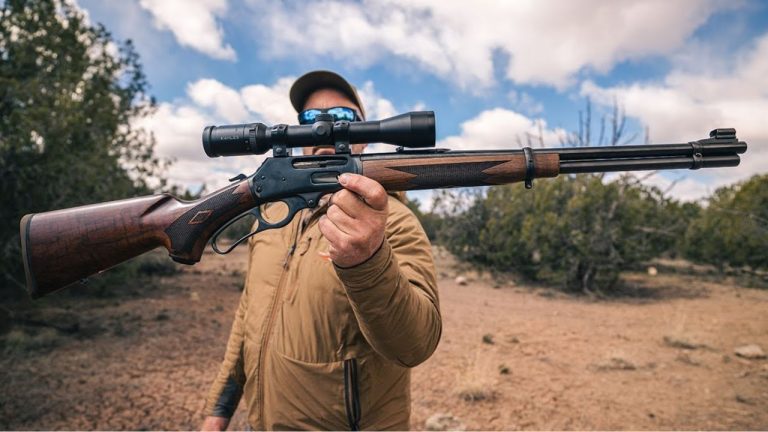
The .30-30 Winchester remains easy to shoot well because it keeps things honest. Recoil is gentle in traditional lever guns, and the slower pace encourages careful shot placement instead of rushed shooting.
Inside its comfort zone, trajectory is predictable and forgiving. You aren’t stretching distance, which removes a lot of guesswork. That limitation works in your favor by keeping you disciplined. The .30-30 rewards solid fundamentals and calm shooting, especially in field positions. It’s a cartridge that teaches restraint, and restraint usually leads to better hits.
7mm-08 Remington
The 7mm-08 offers balance without drama. Recoil stays manageable while still delivering enough performance to handle serious work. That balance lets you focus on form instead of bracing for impact.
Trajectory stays flat enough to reduce ranging stress, and wind behavior is easier to manage than many heavier calibers. Rifles chambered for it tend to stay comfortable to shoot, even during long practice sessions. When you aren’t flinching or rushing shots, your groups shrink naturally. The 7mm-08 rewards calm shooting and steady breathing more than brute force.
.308 Winchester
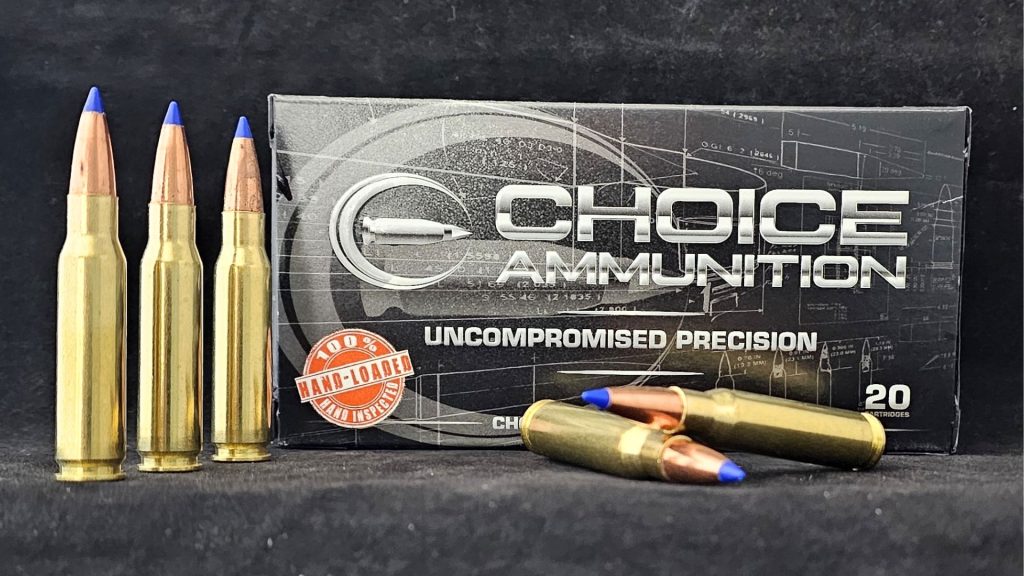
The .308 Winchester isn’t the lightest kicker, but it stays predictable. That predictability helps good shooters stay consistent, especially when shooting from field positions.
Recoil comes straight back instead of snapping, which makes it easier to manage with proper technique. Bullet performance is consistent across distances, and wind behavior is well understood. You don’t need exotic data or constant adjustment to shoot it well. The .308 rewards discipline and fundamentals, and when you do your part, it responds with repeatable results.
.224 Valkyrie
The .224 Valkyrie gives you speed without punishment. Recoil stays low, allowing you to track shots and stay engaged through the trigger break.
High-velocity bullets help flatten trajectory and reduce the effect of small ranging errors. Wind still matters, but corrections are easier to read and apply. The cartridge feels calm in the rifle, which helps shooters stay relaxed during longer sessions. That calm feeling builds confidence and consistency. When the rifle behaves, the shooter tends to behave too.
.257 Roberts
The .257 Roberts remains underrated for shootability. Recoil is light, and the cartridge carries enough speed to keep shots honest without demanding perfection.
Trajectory stays forgiving across common hunting distances, and wind drift doesn’t punish minor misreads. Rifles chambered for it often balance well, which helps with offhand and kneeling shots. That balance matters more than most people admit. The Roberts encourages smooth shooting and clean trigger work, making it easier to shoot well even when conditions aren’t perfect.
.25-06 Remington
The .25-06 offers reach without excessive recoil. While it has more push than smaller calibers, it stays manageable for most shooters who use proper form.
Flat trajectory reduces the need for constant dialing or holding, especially inside normal field distances. That simplicity helps shooters stay focused on execution instead of calculations. Wind drift remains reasonable for the speed it carries. When you can trust where the bullet is going, confidence follows. The .25-06 rewards steady shooting and careful pacing rather than aggressive handling.
.20 Practical
The .20 Practical flies under the radar, but it’s extremely shootable. Recoil is minimal, and the cartridge stays calm even during fast follow-up shots.
High velocity helps flatten trajectory, making hits feel easier at distance. Wind drift is manageable, especially compared to slower small-caliber rounds. The lack of punishment keeps you relaxed behind the rifle, which improves consistency. While it’s not mainstream, shooters who spend time with it often notice how easy it is to stay precise. Calm rifles tend to produce calm shooters.
.270 Winchester
The .270 Winchester has long been known for clean shooting manners. Recoil is present but smooth, and it doesn’t surprise you when the shot breaks.
Trajectory stays flat enough to forgive small ranging errors, and wind behavior remains predictable with proper bullets. The cartridge encourages disciplined shooting without demanding constant adjustment. Rifles chambered in .270 often balance well, which helps in real-world positions. When the rifle settles naturally and recoil stays controlled, accuracy tends to follow. The .270 rewards steady hands and patient execution.

Asher was raised in the woods and on the water, and it shows. He’s logged more hours behind a rifle and under a heavy pack than most men twice his age.