Bass gear that struggles on pressured water
If you spend enough time on lakes that see heavy boat traffic and constant casting, you start noticing patterns that have nothing to do with seasonal movements. Bass on pressured water learn fast. They see the same shapes, hear the same splashes, and feel the same vibrations day after day. Gear that shines on lightly fished water often falls flat when fish have been hooked, released, and educated all season long.
That doesn’t mean the gear is bad. It means it’s predictable. When bass have been conditioned to avoid certain looks and sounds, some popular setups quietly stop producing. Here’s the kind of bass gear that tends to struggle once fishing pressure cranks up.
Full-Size Spinnerbaits
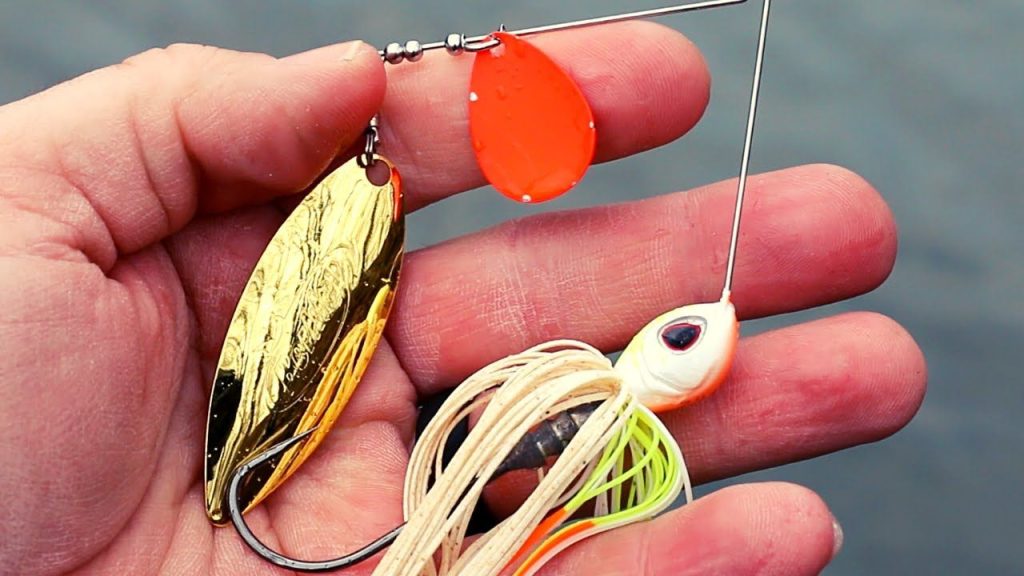
Big spinnerbaits with oversized blades look great in stained water, but pressured bass learn to shy away from them. That heavy thump and wide flash is easy for fish to recognize after a few weeks of steady pressure.
You can still get reaction bites occasionally, but those fish are usually less wary to begin with. On busy lakes, spinnerbaits often draw follows instead of strikes. Bass track them, peel off at the boat, and leave you wondering why the blade flash isn’t closing the deal anymore. The profile works against you once fish associate it with getting yanked out of the water.
Squarebill Crankbaits
Squarebills catch fish early, but they wear out their welcome fast on pressured banks. Bass that live around riprap and docks see these baits constantly banging cover. Eventually, that aggressive wobble becomes a warning sign.
The issue isn’t deflection. It’s repetition. After enough negative encounters, bass start flinching instead of reacting. You’ll notice more short strikes or fish swiping without committing. Even when the bite window is right, pressured fish often slide out of the way rather than attack. Squarebills still look productive, but the results don’t match the effort.
Hollow-Body Frogs
Frogs are deadly in the right window, but pressured fish grow skeptical quickly. When bass hear repeated plops over shallow mats, they begin tracking instead of striking.
On lakes with tournaments every weekend, frogs often draw blowups that miss completely. Bass swipe, bump, or boil underneath without fully committing. Over time, they learn the shape and sound pattern. Even perfect frog presentations can fall flat when fish have seen hundreds of them pass overhead. It’s not a confidence issue—it’s learned avoidance.
Standard Drop Shot Weights
Drop shot rigs still catch fish, but traditional cylindrical weights can hurt you on pressured water. The straight drop and rigid movement look unnatural when fish have seen the same presentation repeatedly.
Bass start recognizing the vertical fall and tight tether as something to avoid. You’ll feel taps that never load up or watch fish follow on electronics without biting. Subtle changes matter here, and sticking with the same weight shape and fall speed can cost bites. The rig isn’t wrong—it’s familiar in the worst way.
Buzzbaits
Buzzbaits call fish from a distance, but pressured bass learn that sound quickly. That surface gurgle becomes background noise once boats start running dawn to dusk.
You’ll still get early-morning strikes, but the bite fades fast. Bass that once crushed buzzbaits now trail them or slap at the blade. On busy lakes, buzzbaits become timing-dependent instead of reliable. Once fish associate that sound with missed meals and sudden pressure, they start ignoring it altogether.
Heavy Football Jigs
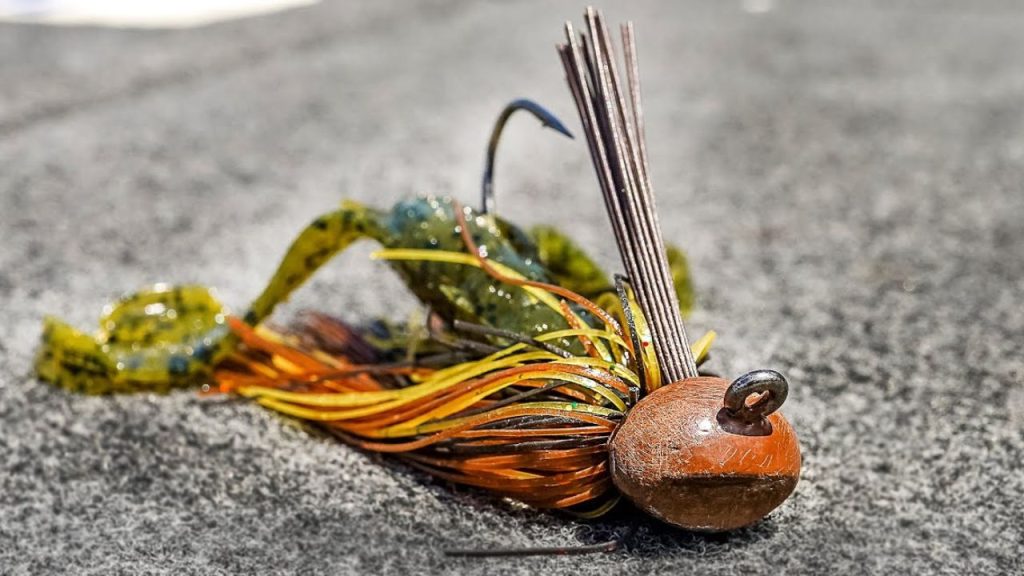
Football jigs excel offshore, but pressured bass see them constantly. That wide head dragging bottom kicks up sediment bass learn to associate with hooks.
Fish may follow the jig or pick it up briefly, then drop it before you feel anything. The slow, grinding retrieve gives bass too much time to inspect. On high-pressure structure, fish often want something that looks less deliberate. Football jigs still work, but they struggle once bass recognize the profile and movement pattern.
Oversized Swimbaits
Large paddle-tail swimbaits look realistic, but pressured bass often hesitate. These baits draw attention, and attention isn’t always good when fish are cautious.
Bass follow them, pace them, and fade away before committing. On pressured lakes, big swimbaits often trigger curiosity instead of aggression. Fish that have been hooked before become selective, and a large moving target gives them too much time to decide. Without a strong reaction trigger, the bite rate drops fast.
Loud Lipless Crankbaits
Lipless cranks cover water well, but the loud rattle becomes a problem under pressure. Bass learn to associate that sharp vibration with danger.
Early in the season, they work great. After weeks of exposure, fish start sliding away from the sound. You’ll notice fewer reaction strikes and more glancing blows. Bass don’t spook—they disengage. The bait still moves fish, but not toward your hooks. On pressured water, loud doesn’t always mean effective.
Texas-Rigged Creature Baits
Creature baits dominate tournament circuits, and bass notice. That flapping profile becomes familiar fast on heavily fished lakes.
Bass often mouth them without fully eating, leading to missed hooksets. The issue isn’t scent or size—it’s recognition. After enough encounters, bass treat them cautiously. You’ll feel soft pressure instead of solid thumps. Creature baits still have a place, but on pressured water they often underperform unless heavily modified.
Traditional Ned Rig Plastics
The Ned rig is subtle, but even subtle gets noticed eventually. Pressured bass see the same short plastic and mushroom head combination over and over.
Fish still approach, but they hesitate longer. You’ll see follows on clear water or feel light taps that don’t stick. Bass learn how the bait moves and how it ends. The Ned rig remains effective, but on pressured water it often needs tweaks to regain effectiveness.
Standard Walking Topwaters
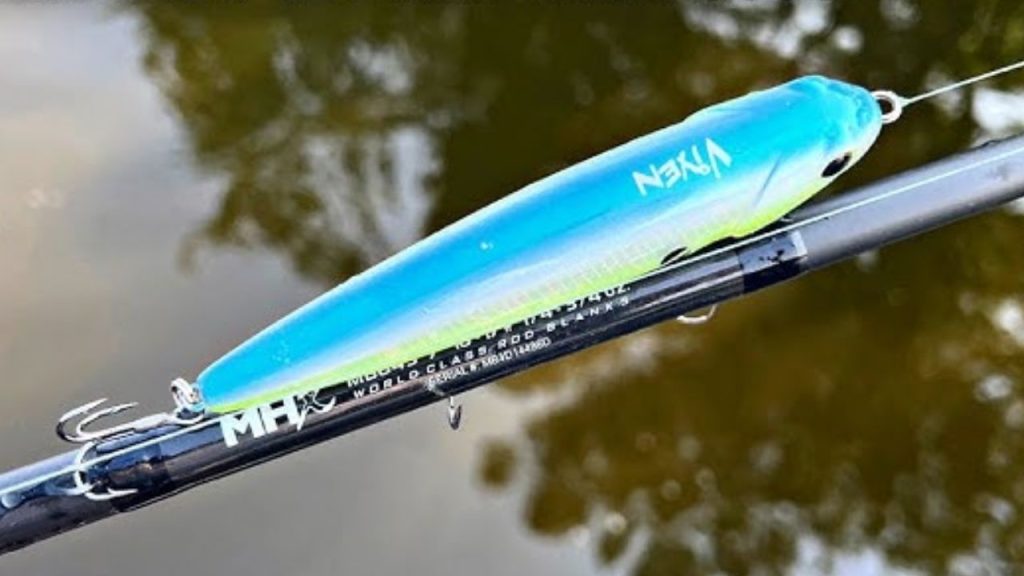
Walking baits draw explosive strikes early, but pressured fish learn the cadence quickly. That rhythmic side-to-side motion becomes predictable.
Bass often roll beneath them without breaking the surface. They follow until the bait reaches the boat and then disappear. The sound and profile remain attractive, but fish hesitate to commit. On pressured water, predictable motion works against you, even when the presentation looks clean.
Heavy Fluorocarbon Leaders
Thick leaders help land fish, but pressured bass notice resistance. Heavy fluorocarbon reduces natural movement and can cost bites.
Bass that have seen repeated hooksets become sensitive to unnatural tension. You’ll notice fish dropping baits quickly or refusing to inhale them fully. Downsizing leaders often restores action, but sticking with heavy line on pressured water can quietly shut down your bite without obvious signs.

Asher was raised in the woods and on the water, and it shows. He’s logged more hours behind a rifle and under a heavy pack than most men twice his age.