10 mistakes hunters make before taking the shot
Most blown opportunities don’t happen because you can’t shoot. They happen because something goes wrong in the quiet moments before you ever touch the trigger. That’s when nerves creep in, shortcuts get taken, and small decisions stack up fast. After enough seasons, you start seeing the same problems repeat themselves across camps, states, and species. These aren’t rookie-only mistakes, either. Plenty of seasoned hunters fall into them when the pressure’s on.
Good shooting starts long before the shot breaks. Paying attention to these details won’t guarantee success, but ignoring them almost guarantees regret. Here are ten common pre-shot mistakes that cost animals every year.
Rushing the Setup
When an animal appears unexpectedly, the urge to hurry takes over. You feel like you’re racing the woods, worried the opportunity will disappear if you don’t act immediately. That rush often leads to sloppy movement, poor footing, or an unstable shooting position that you would never accept at the range.
You end up forcing the shot instead of building it. A rushed setup usually means uneven weight, a strained hold, and shaky breathing. Even a few extra seconds to plant your feet or settle into support can turn chaos into control. Speed matters, but control matters more.
Ignoring Your Rest
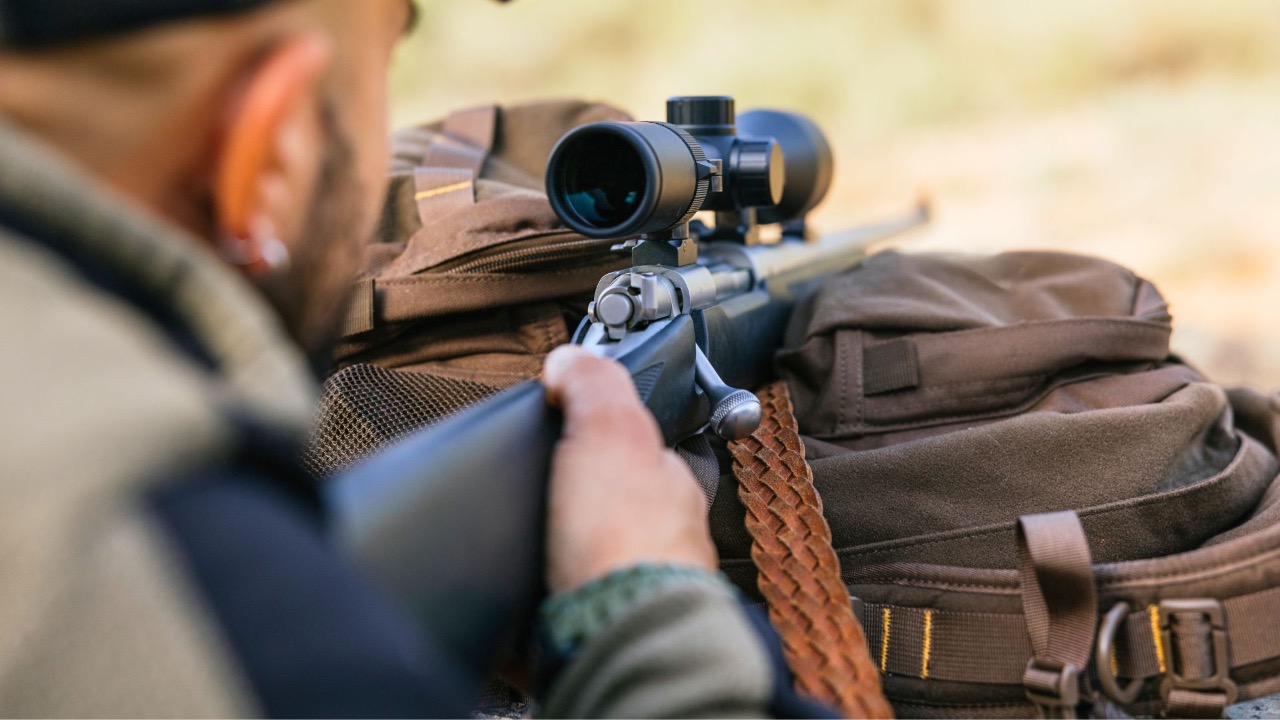
Too many hunters focus on the animal and forget what the rifle is sitting on. Shooting off a pack, branch, rail, or shooting sticks without checking stability invites problems. A rest that looks solid can shift under recoil or compress at the wrong moment.
You might feel steady until the shot breaks, then watch the muzzle jump unpredictably. Poor rests also change point of impact, especially with lightweight rifles. Taking a second to adjust height, pressure, or placement can make the difference between a clean hit and a miss you can’t explain later.
Letting Breathing Get Away From You
Excitement changes how you breathe, whether you notice it or not. Short, shallow breaths creep in, and suddenly the reticle is bouncing more than usual. Many hunters fire while their chest is rising or falling because they’re afraid to pause.
That movement transfers straight into the rifle. Taking control of your breathing slows everything down. A calm exhale and brief pause create a predictable window. You don’t need to hold your breath long. You just need consistency before committing to the shot.
Forgetting About Angle
Distance gets all the attention, but angle causes just as many bad hits. Shooting uphill or downhill changes where the bullet actually impacts, especially at longer ranges. Hunters often aim as if the animal were standing on flat ground.
Gravity doesn’t work the way many people think in angled shots. The effective distance is shorter than it appears. Failing to adjust leads to shots landing high, sometimes clearing vital areas entirely. Knowing how angle affects trajectory is part of ethical shooting, not optional math.
Poor Trigger Prep
Trigger control doesn’t start at the moment you decide to shoot. Slapping or jerking the trigger happens when you wait too long to prep it. Under pressure, that last-second movement sends shots off target.
Good shooters take up slack early and apply steady pressure as the sight picture settles. When you rush this process, you introduce unnecessary movement. The trigger should surprise you slightly, even in the field. That takes discipline, especially when adrenaline is running hot.
Misjudging Wind Close to the Animal
Hunters often check wind at their position and assume it’s the same downrange. In broken terrain, timber, or open draws, wind can change direction multiple times before the bullet arrives.
Ignoring what’s happening near the animal leads to unexplained misses, especially past moderate distances. Grass, brush, snow, or even drifting insects can tell you more than a flag at your feet. Reading wind along the entire path matters more than most hunters want to admit.
Failing to Confirm the Animal’s Posture
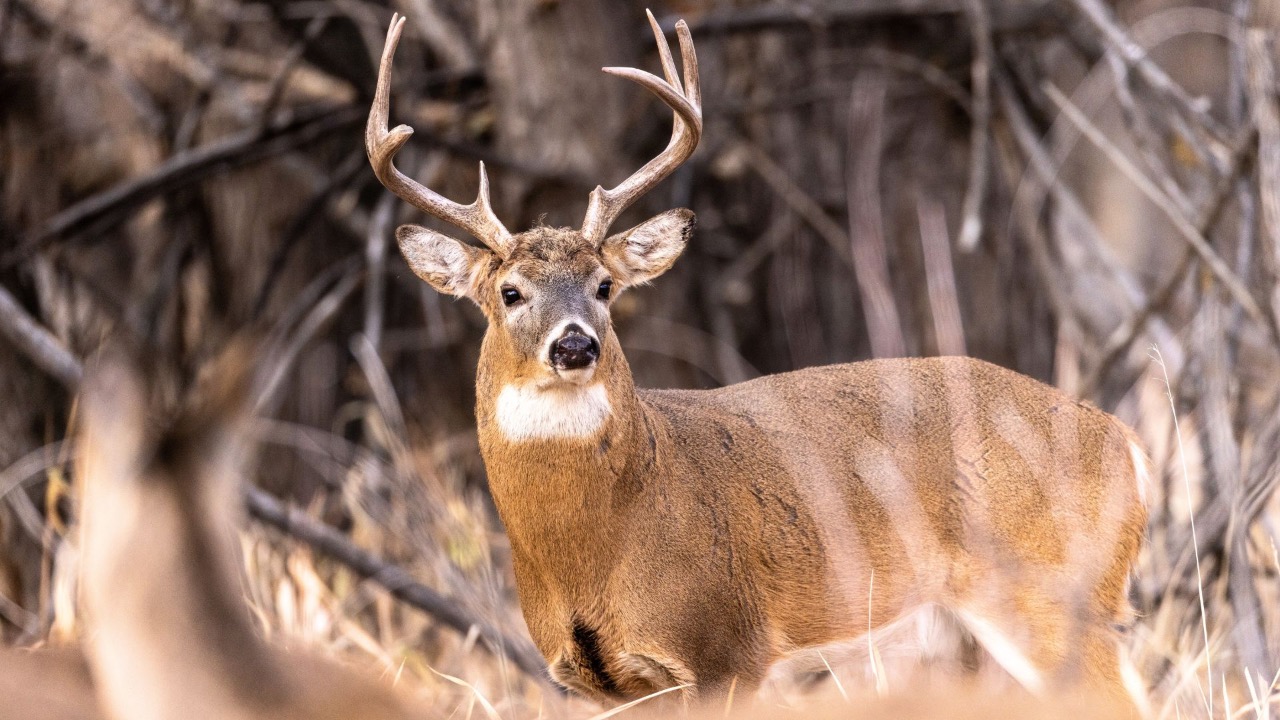
An animal standing broadside isn’t always offering the same shot. Head position, leg placement, and body angle change where vital organs actually sit. Hunters sometimes shoot based on habit instead of what’s in front of them.
A quartering animal requires different placement than a true broadside one. Ignoring that detail can turn a good opportunity into a poor hit. Taking an extra moment to read posture helps ensure the bullet travels where it needs to, not where you assumed it would.
Shooting With Muscle Instead of Support
Holding a rifle up with pure muscle feels manageable for a few seconds, but it falls apart fast. As fatigue creeps in, the sight picture degrades and wobble increases. Many hunters convince themselves they’re steady enough when they aren’t.
Using bone support, natural rests, or even kneeling positions reduces strain. When you rely on structure instead of strength, stability improves immediately. Good shooting positions conserve energy and reduce error, especially during longer holds or extended glassing sessions.
Letting the Scope Dictate the Shot
Magnification can work against you if you’re not careful. Cranking power too high narrows field of view and exaggerates movement. Hunters then chase the reticle instead of letting it settle.
High magnification also makes animals appear closer, which can mess with judgment. Lower power often provides a steadier sight picture and better awareness. The goal is clarity and control, not the biggest image possible. Choosing the right magnification before the shot prevents panic adjustments later.
Not Mentally Committing to the Shot
Hesitation kills more opportunities than bad aim. If you’re still debating when you’re on the trigger, your body knows it. That uncertainty shows up as tension, flinching, or delayed follow-through.
Before you shoot, you should already be committed to the decision. Doubt belongs earlier in the process, not at the final moment. When the decision is made, execution should be calm and deliberate. Confidence doesn’t mean rushing. It means clarity when it matters most.

Asher was raised in the woods and on the water, and it shows. He’s logged more hours behind a rifle and under a heavy pack than most men twice his age.