7 reasons some guns aren’t as reliable as advertised
Plenty of guns are marketed as “budget friendly” and “battle ready,” but anyone who has run cheap hardware hard knows those promises do not always hold up. When a defensive gun or hunting rifle fails at the wrong moment, the price tag stops mattering. Drawing on the kind of tradeoffs laid out in detailed rundowns of budget firearms, I want to walk through why some guns are not nearly as reliable as the ads make them sound.
1. Inferior Materials in Budget Models

Inferior materials in budget models are the first big reason some guns are not as reliable as advertised. When a manufacturer is trying to hit a rock-bottom price, the easiest place to save money is in steel quality, small parts, and surface treatments. In breakdowns of best budget guns, you see repeated warnings that certain low-cost pistols and rifles rely on softer alloys, thin polymer frames, or basic finishes that are far more prone to wear and corrosion than higher tier options.
Those choices might not show up on the gun shop counter, but they show up fast once you start shooting in the rain, dropping mags on gravel, or running higher round counts. Slide rails can peen, locking lugs can round off, and cheap springs can take a set early. For a casual range toy, that might be acceptable. For a carry gun or a rifle you keep for coyotes around the farm, those material shortcuts raise the odds that the gun will fail when you actually need it.
2. Frequent Jamming Issues
Frequent jamming issues are another hallmark of unreliable budget guns, and they usually trace back to how the gun is built rather than the ammo alone. Reports on entry-level pistols and carbines in budget roundups often mention failures to feed, failures to extract, and classic stovepipes once shooters move beyond a few boxes of ammunition. These stoppages tend to spike when you mix bullet profiles, run lower powered loads, or shoot from less-than-ideal positions that expose marginal designs.
In practice, that means a pistol that runs fine with one brand of 115 grain FMJ can start choking the moment you switch to a different hollow point or a steel-cased training load. Feed ramp geometry, magazine lip shape, and extractor tension all matter, and cheaper guns are more likely to leave the factory with those details only “close enough.” For someone counting on a budget handgun for home defense, that kind of ammo sensitivity turns a supposed bargain into a liability.
3. Poor Quality Control Standards
Poor quality control standards separate the budget guns that surprise you in a good way from the ones that never should have left the factory. When reviewers tear into the lower end of the market, they routinely find inconsistent barrel crowns, uneven slide-to-frame fit, and triggers that vary wildly from sample to sample. Those are all signs that the maker is doing minimal inspection and relying on loose tolerances to keep production costs down.
The result is that two guns with the same model number can behave like completely different animals. One owner might swear his pistol is flawless, while another fights light primer strikes and wandering zeroes. That kind of lottery effect is a direct byproduct of weak QC. For hunters and concealed carriers, it means you cannot assume your gun will match the positive experiences you see online unless you personally test it hard and verify that your individual sample runs correctly.
4. Limited Testing and Certification
Limited testing and certification also undermine the reliability claims wrapped around many budget firearms. Higher end duty pistols and service rifles are usually proofed with high pressure loads, endurance tested to high round counts, and vetted in adverse conditions before they ever reach the public. By contrast, budget-focused models often see only basic function checks and short test strings that do not reveal long-term or edge-case failures.
Without serious validation, problems like cracked locking blocks, walking pins, or heat-related point-of-impact shifts only surface after customers start shooting in volume. That shifts the burden of “testing” onto the buyer, who may discover the flaw during a training class or, worse, during a defensive incident. For anyone who needs a gun to work on demand, the lack of rigorous pre-release vetting makes those glossy reliability claims far less meaningful.
5. Inconsistent Trigger Mechanisms
Inconsistent trigger mechanisms are another quiet reliability issue that shows up often in cheaper guns. On paper, a striker-fired pistol with a five to six pound pull sounds straightforward. In reality, budget triggers can stack unpredictably, drag against the frame, or break at different weights from shot to shot. That inconsistency does not only hurt accuracy, it can also cause light strikes if the geometry and spring weight are marginal.
When evaluators run side-by-side comparisons, they frequently note that some low-cost models have gritty, uneven pulls that smooth out only after a few hundred rounds, while others never settle in. For a new shooter, that kind of trigger makes it harder to call shots and diagnose problems. For an experienced hand, it adds one more variable you have to fight when shooting fast or in low light. Either way, the gun is not performing as confidently as the marketing suggests.
6. Susceptibility to Environmental Factors
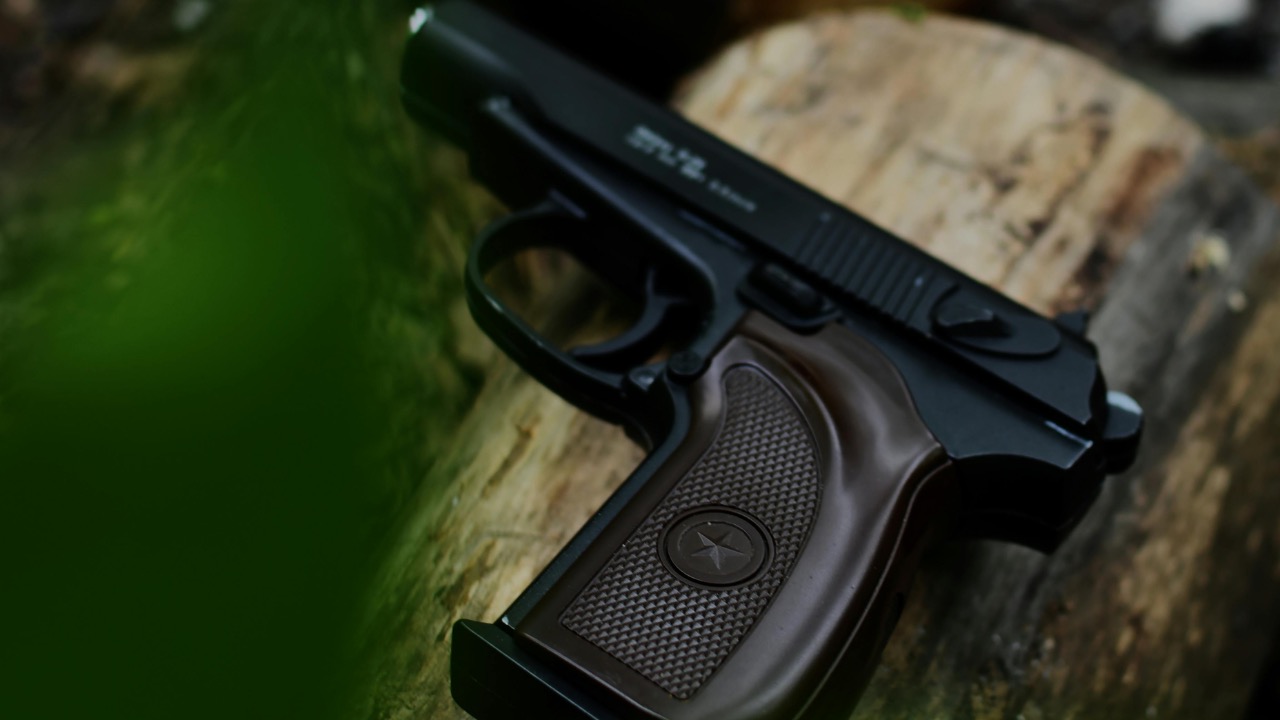
Susceptibility to environmental factors is where many budget guns really show their limits. A pistol that runs fine on a clean indoor range can start to stumble once dust, mud, or freezing temperatures enter the picture. Reviews of lower priced rifles and shotguns often mention sluggish cycling in the cold, surface rust after short exposure to moisture, and fouling-related stoppages that appear far sooner than they would in better sealed, better finished designs.
Those weaknesses usually trace back to looser tolerances, basic finishes, and minimal sealing around critical areas like firing pin channels and gas systems. For someone who carries outside, hunts in wet country, or keeps a truck gun that lives in a dusty cab, that environmental sensitivity matters more than any catalog spec. Reliability is not just about how a gun behaves on day one, it is about how it holds up when the weather and terrain are working against you.
7. Shorter Service Life Expectations
Shorter service life expectations are the final piece of the reliability puzzle with budget firearms. Even when a low-cost gun runs well out of the box, many are simply not built for the same round counts as duty-grade pistols or hard-used hunting rifles. Long-term users and testers often report peened locking surfaces, cracked frames, and worn-out recoil systems at round counts that a sturdier design would shrug off as routine use.
That accelerated wear changes the math on what “cheap” really means. If you have to replace a bargain handgun after a few training classes, or retire a budget AR after a couple of seasons because the barrel and small parts are tired, the total cost of ownership climbs fast. For shooters who rely on a firearm for protection or serious field work, planning around that shorter lifespan is essential, no matter how attractive the initial sticker price looks.

Asher was raised in the woods and on the water, and it shows. He’s logged more hours behind a rifle and under a heavy pack than most men twice his age.