Why a lever gun can make sense for home defense
For many gun owners, the default image of a home defense long gun is a black polymer AR or a 12 gauge pump. Yet a growing number of trainers and shooters are quietly turning back to the lever action rifle, a platform that predates both but still fits modern defensive realities. When I look at the mix of legal constraints, handling characteristics, and ballistic options, it is clear that a lever gun can be a rational, even strategic, choice for protecting a home.
Instead of treating the lever action as a nostalgic relic, I see it as a compact, fast handling carbine that happens to be politically low profile and mechanically simple. In the right caliber and configuration, it offers controllable power, respectable capacity, and intuitive operation that can serve new and experienced shooters alike.
Why lever guns are back in the home defense conversation

The renewed interest in lever actions for defense is not just about style, it is about constraints that many households face. In jurisdictions that heavily regulate semi automatic rifles, a traditional lever gun is often legal where an AR pattern carbine is not, which gives residents a way to keep a rifle without navigating bans or registration. One experienced instructor notes that lever rifles are typically legal, less politically charged than modern sporting rifles, and built as short, very maneuverable carbines that move easily through hallways and doorways, a combination that makes them attractive for personal protection in restrictive states, as highlighted in legal and maneuverable discussions.
There is also a cultural and practical comfort factor. Many people grew up seeing lever actions in Westerns or in a family gun cabinet, and that familiarity can reduce the intimidation that some feel around tactical style rifles. Commentators who track defensive trends describe a broader comeback of Lever, Action Rifles, Personal Protection and Home Defense, Why the Lever, Action Rifle as shooters look for reliable defensive firearms that do not draw the same social or regulatory scrutiny as an AR, yet still deliver serious performance.
Handling advantages inside real houses
Inside a typical American home, long guns live or die on how they handle in tight spaces. Lever carbines are usually built with relatively short barrels and slim fore ends, which keeps overall length manageable while preserving a solid sight radius. Many classic and modern models balance well between the hands, so the rifle points naturally and transitions quickly between rooms or across a living room, a trait that writers on American lever action carbines emphasize when they describe how short barrels and magazine lengths keep these rifles compact.
Modernized designs build on that foundation with ergonomic tweaks that matter when you are moving in low light or under stress. Some current production carbines add enlarged levers, improved stocks, and accessory mounting points while preserving the core manual of arms. Reviews of updated platforms like Henry’s X Model Series describe how a lever gun’s side loading system, combined with a tubular magazine, allows topping off the rifle in a way that feels familiar to anyone who has run a pump action shotgun, and they highlight how this side loading approach supports continuous readiness during a defensive encounter.
Caliber choices and ballistic realities
Choosing a lever gun for home defense starts with caliber, because the same traits that make a cartridge effective can also raise concerns about recoil and overpenetration. Traditional chamberings like .30 30 Winchester have a long record as medium game rounds, and some instructors are particularly fond of .30 30 in a short carbine because it hits harder than intermediate rifle rounds and carries significantly more range than pistol calibers, a point underscored in analyses that describe being particularly fond of .30 30 for defensive use.
At the same time, there is a strong case for pistol caliber lever guns in .357 Magnum, .44 Magnum, or .45 Colt when the primary mission is across room distances. Commentators who ask whether a lever action .30 30 is a sensible choice for self defense also stress that pistol caliber rifles should be considered, because they can offer lower recoil, reduced muzzle blast, and ammunition commonality with revolvers while still delivering serious terminal performance from a longer barrel, as explored in discussions of Despite .30 30 and pistol caliber rifles.
Capacity, reloads, and the manual of arms
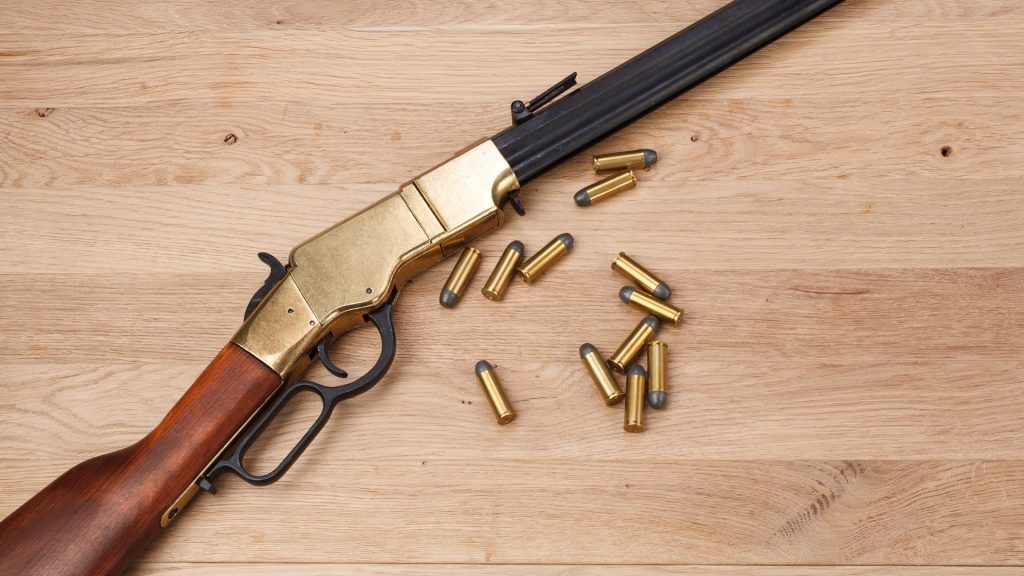
Critics of lever guns often focus on capacity, but that critique ignores both how defensive shootings unfold and how these rifles actually work. Many tubular magazine carbines hold between 5 and 10 rounds depending on caliber and barrel length, which is comparable to some pump shotguns and more than many handguns. Historical accounts of gunfighters like Both Milton and Askins prevailing against heavy odds with their lever action rifles emphasize that most fights are over in three rounds, and that hits matter more than raw capacity, a lesson drawn from narratives where Both Milton and Askins succeeded because they could shoot accurately under pressure.
The manual of arms also favors deliberate, controlled shooting. Cycling the lever requires a conscious movement that naturally encourages the shooter to reacquire the sights and assess the situation between shots. Modern commentators argue that given the reliability of current production rifles and the smoothness of their actions, lever guns should not be dismissed, and they frame them as a viable option that could save your life if you understand the Advantages Of Lever Guns and train accordingly. For home defense, that means practicing loading through the side gate, topping off when there is a lull, and running the lever briskly without breaking your cheek weld.
Modern upgrades that keep the lever relevant
Contemporary lever actions are not frozen in the 19th century. Manufacturers now offer threaded barrels for suppressors, M Lok or Picatinny fore ends for lights, and synthetic stocks that handle weather and hard use. Commentators who ask whether modernized lever actions make sense for home defense point out that rifles in this caliber range can be loaded with expanding bullets that limit overpenetration while still meeting defensive needs, and they note that these Rifles have been used for military service, hunting, casual plinking, and home defense, which speaks to their versatility.
Ergonomics have improved as well. Reviews of updated carbines describe comfortable handling characteristics, including manageable weight, good balance, and a smooth single stage trigger pull that helps shooters place accurate shots quickly, especially under stress. When writers highlight these comfortable handling characteristics, they are underscoring that a well set up lever gun can feel as modern and confidence inspiring as any contemporary rifle, particularly once you add a compact optic and a white light for target identification.
Legal optics, social perception, and where lever guns fit
Beyond mechanics, there is the question of how a defensive firearm looks to neighbors, juries, and lawmakers. A walnut stocked lever rifle tends to read as a traditional hunting gun rather than a military style weapon, which can matter in both political debates and post incident scrutiny. Commentators who argue that Lever Action Rifles Are Overall More Effective, Accessible In a Variety Of Situations, and offer Something Different Than An AR note that part of their popularity stems from two sources, practical performance and a less aggressive public image, a point captured in discussions of Lever Action Rifles Are Overall More Effective and accessible.
That perception advantage dovetails with hard legal realities in some states. Analyses of rifles like the Marlin 336 Dark Series explain that if you live in one of the states that heavily restricts semi automatic rifles, a lever gun can be a good way to avoid those bans while still having a capable defensive carbine, since many laws are written around detachable magazines and specific cosmetic features rather than manually operated actions, a dynamic described in reviews that note how residents can navigate restrictions through Lever action guns.
Training, limitations, and making a lever gun work for you
No platform is perfect, and a lever rifle is not a magic talisman. The action requires a full, positive stroke to avoid short shucking, and the tubular magazine demands a different loading rhythm than a detachable box. Commentators who caution shooters not to Discredit Lever Action Firearms, One Could Save Your Life, also stress that given the strengths of modern lever designs, the real key is honest training that addresses these quirks so the rifle becomes second nature under stress, a theme that runs through arguments framed as Don, Discredit Lever Action Firearms, One Could Save Your Life, Advantages Of Lever Guns, Given the right preparation.
At the same time, the platform rewards that investment with reliability and versatility. Commentators who profile current production carbines like the Rossi R95 point out that lever action rifles have maintained their popularity for a good reason, they are fun to shoot, reliable, and efficient for various uses from hunting to range work, which makes it easier for owners to practice regularly and stay proficient, as seen in descriptions of how Lever guns fit into everyday shooting life.
When I weigh those factors, I see a clear throughline. Analysts who list several more reasons to consider a lever gun for home defense, from ease of storage to the ability to stage the rifle safely with an empty chamber and loaded magazine, argue that these carbines occupy a practical middle ground between handguns and tactical rifles, and they frame that case in discussions that lay out several more reasons to keep a lever nearby. For households that value traditional aesthetics, legal simplicity, and proven performance, a well chosen lever action can make as much sense for home defense as any modern black rifle, provided the owner commits to understanding its strengths and limits.

Leo’s been tracking game and tuning gear since he could stand upright. He’s sharp, driven, and knows how to keep things running when conditions turn.