The concealed carry advice that sounds smart — until stress hits
Concealed carry culture is full of confident advice that sounds airtight in a calm classroom or on a sunny range. Under real stress, though, some of those “rules” fall apart, colliding with human physiology, legal reality, and the messy way violence actually unfolds. The gap between what feels smart and what works when your heart rate spikes is where armed citizens get hurt, or end up in handcuffs.
I have spent years listening to instructors, watching body‑cam footage, and talking with everyday carriers who have lived through critical incidents. Again and again, the same patterns emerge: bad guidance repeated as gospel, good ideas taken to unhelpful extremes, and almost no appreciation for how stress reshapes your body and brain. The most responsible carriers are the ones willing to question the clever one‑liners and replace them with habits that survive chaos.
Stress physiology: why “I’ll rise to the occasion” is a fantasy
In calm conditions, most people can run a drawstroke, hit a silhouette, and recite the four rules of gun safety. Under threat, the body does something very different. Elevated adrenaline narrows your field of view into classic Tunnel vision, spikes your heart rate into the red, and produces Increased tremors and Impaired decision‑making. Fine motor skills degrade just when you need them most. That is why the comforting belief that you will simply “switch on” and perform like an action hero is so dangerous.
Experienced trainers warn that Switching on is not a button you press in the parking lot, it is a mindset and skill set you build long before trouble finds you. That means pressure‑testing your draw, movement, and decision‑making so they hold up when Murphy shows up. As one set of defensive tips puts it, Murphy can appear at the worst possible moment, turning a simple fumble into a life‑threatening failure. The advice that survives stress is the advice that accounts for how your body will betray you.
Training myths: range tricks that collapse in real fights
One of the most persistent illusions in the gun world is that static range performance equals street readiness. New carriers are often encouraged to chase a fast draw from a competition rig or practice only in ideal clothing, then assume that skill will transfer. In reality, Executing a quick presentation from a “range” holster without the cover garment you actually wear builds a false sense of competence.
Serious instructors argue that each handgun has its own recoil, weight, and trigger, and Each gun demands specific practice from concealment. That means working from the holster you actually use, with the cover garments you actually wear, and drilling until you can access the pistol without conscious thought. Dry fire and structured drills, including those that emphasize garment clearing and movement, are what turn theory into reflex. Without that, the slick range draw that looked great on video is likely to disintegrate the first time someone is screaming in your face.
Carry conditions: the empty‑chamber comfort that costs seconds
Few topics generate more heated advice than whether to carry with a round chambered. On social media and in gun shops, you still hear that an empty chamber is “safer” and that you will have time to rack the slide if trouble appears. That argument feels reassuring, especially to new carriers, but it ignores how quickly violence unfolds and how clumsy hands become under stress. Some tactical writers list “carrying with an empty chamber” among the classic bad habits, grouping it with other myths in pieces like Seven Tactical Myths Debunked.
Others acknowledge that there are contexts where a more conservative setup, including what is often called Israeli carry, can reduce the risk of unintended discharges with certain firearms or in certain environments. Even then, the tradeoff is explicit: you are buying a layer of mechanical safety at the cost of time and complexity when you may be fighting one‑handed or fending off an attacker. Modern guidance from holster makers and trainers stresses that, While an empty chamber might feel responsible, the prevailing view in self‑defense circles is that a quality holster and disciplined handling make a chambered round the more realistic choice for defensive carry.
Legal and moral shortcuts: “shoot to kill” and “just shoot the leg”
Some of the worst concealed carry advice is delivered with the most swagger. Variations of “You Should Shoot To Kill” are still tossed around in classes and online forums, usually framed as a way to avoid civil liability or “finish the fight.” In reality, as one critique of bad guidance notes, You Should Shoot To Kill is a phrase that can haunt you in court and misstates your actual legal duty. The law in most jurisdictions recognizes that if you are justified in using deadly force, you are justified in shooting to stop the threat, not to execute someone.
On the other side of the spectrum is the seemingly humane suggestion to “just shoot them in the leg.” From a legal perspective, that is still deadly force. As one legal explainer puts it, From a legal perspective, aiming for a limb does not downgrade the encounter, it is still treated as an attempt to incapacitate with a potentially lethal tool. Medically, the femoral artery and massive blood loss make leg shots anything but “less lethal.” Morally and tactically, the honest standard is simpler and more defensible: if you are not justified in using deadly force to stop a threat, you are not justified in firing at all.
Display, deterrence, and the myth of the warning shot
Another seductive idea is that you can wave a gun around to scare trouble away without actually committing to a fight. Some home‑defense advocates point out that That’s right, in over 9 out of 10 reported defensive incidents, simply displaying or verbally warning of a firearm ends the threat without shots fired. A separate look at long guns notes that You may be able to scare off an intruder with a visible shotgun. Those statistics are real, but they are descriptive, not prescriptive. They tell us what often happens, not what you should plan on.
On the street, especially around vehicles, brandishing can be a crime in itself. Attorneys who handle self‑defense cases warn that the Display of a Firearm is Not Recommended Often when tempers flare in traffic, precisely because of the potential legal consequences. Practical carry guidance echoes that if you draw your gun, you must be prepared to fire, and that you should never simply flash a pistol in an attempt to de‑escalate, since If you draw your gun, you should be ready to shoot at the attacker without hesitation. The smart mindset is to treat the firearm as a last‑resort tool, not a prop in an argument.
Gear myths: comfort, concealment, and the “any holster will do” trap
Bad advice about gear usually starts with a shrug: “Just buy something cheap, you’ll upgrade later.” That mindset ignores how much your holster, belt, and clothing choices shape both safety and performance. Some myth‑busting pieces point out that carriers often cling to ideas like “printing is a crime” or “you can’t conceal a full‑size gun,” when in reality thoughtful setup and wardrobe solve most of those problems. One breakdown of 3 common myths about concealed carry stresses that method and equipment matter more than caliber debates.
Seasonal changes complicate things further. Guidance on winter carry notes that Winter Winter offers natural advantages for hiding a pistol under Heavy jackets and even using shoulder or OWB holsters, while other trainers describe One winter setup where a compact pistol rides in a tuckable inside‑the‑waistband rig under a light cover garment. Clothing guides remind new carriers that When people first start carrying, dressing around a “chunky piece of metal” is one of the biggest adjustments. The advice that survives stress is simple: buy a holster molded for your gun, use a real belt, and build a wardrobe that lets you move, draw, and live your life without constant fidgeting.
Drawstroke realities: garment clearing, one‑handed draws, and fine motor failure
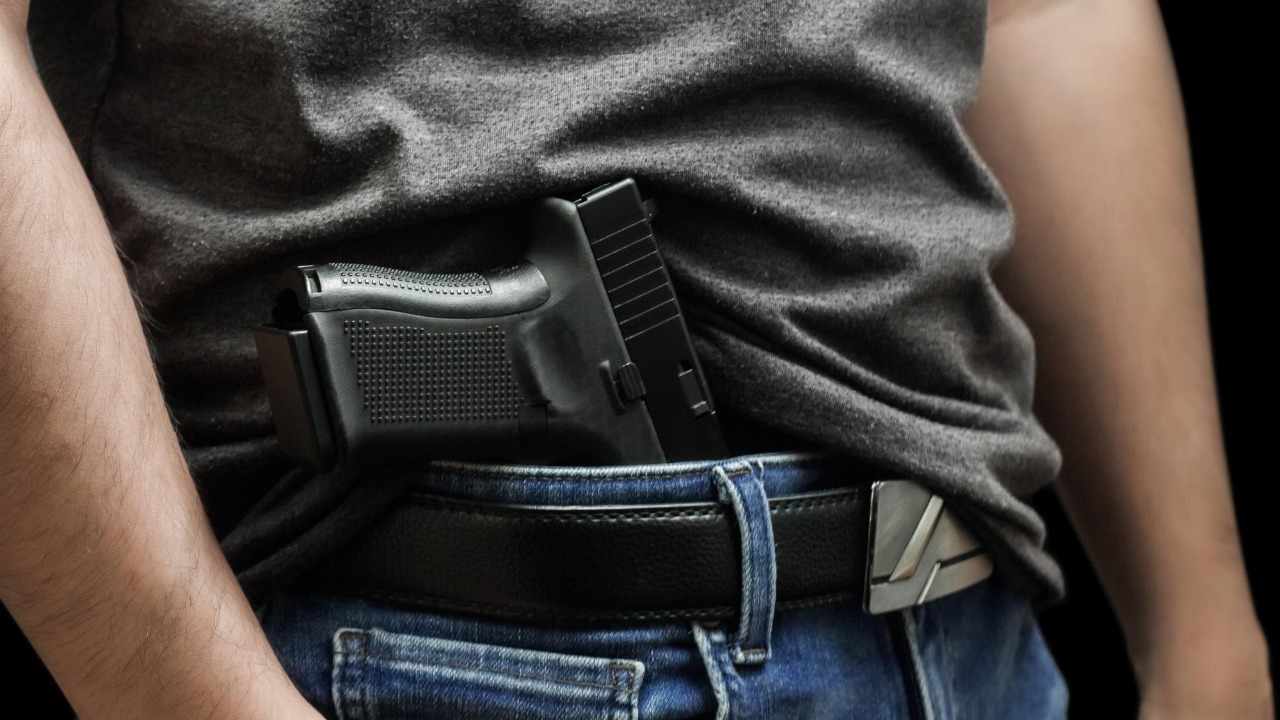
On Instagram, drawstroke videos are all clean lines and perfect timing. In real life, you may be holding a child’s hand, carrying groceries, or fighting off an attacker when you reach for your gun. Trainers who focus on practical skills emphasize that the The defensive shooter must develop a positive, quick method of clearing the covering garment, and that this motion has to be practiced until it is automatic. One drill series advises carriers to Let the support hand do the clearing, because if your firing hand has to both move the garment and draw, your response time increases dramatically.
Clothing choices change the technique. If If you’re wearing a lightweight jacket or vest, you may be able to sweep it back with your dominant hand and grab the gun in one motion, but that assumes both hands are free. When your non‑dominant hand is occupied, When you have to lift the garment and draw with the shooting hand alone, the cover can fall back over the grip before you secure it. That is why some instructors push students to practice one‑handed draws, seated draws, and off‑hand access. The goal is not a pretty video, it is a drawstroke that still works when everything that can go wrong does.
Skill, not swagger: building habits that survive chaos
Underneath most bad concealed carry advice is a simple problem: ego. It is easier to repeat a myth than to admit you need more training. Some myth‑busting guides point out that There is no doubt that armed citizens can develop speed and accuracy, but real defensive shooting is a single, decisive event, not a choreographed series of actions. Other breakdowns of Myth and Dry fire misconceptions, or the idea that sweat will ruin a gun, remind carriers that equipment worries often distract from the harder work of building competence.
That competence is not reserved for elite operators. One training program notes that Each year, small defensive pistol classes help ordinary people refine their skills with the guns and holsters they actually carry, from belt rigs to fanny packs. Video series on the Top 7 concealed carry mistakes hammer home that safety devices and gear are only helpful if you train with them until they become second nature. Even grip fundamentals matter: as one accuracy guide explains, Some of the standard grip practices that work on the range must be adapted so you can keep the sights straight when your hands are shaking. The advice that truly protects you is rarely the loudest or the most dramatic. It is the quiet insistence on fundamentals, honest self‑assessment, and training that looks as much like your real life as possible.
Beyond the gun: context, tools, and when not to carry
Finally, some of the smartest concealed carry guidance has nothing to do with the pistol itself. Legal overviews remind carriers that Firearm Regulations Guns are generally subject to stricter controls, and that Ownership, carrying, and use rules can differ dramatically from one jurisdiction to another. That reality should shape not only where you carry, but how quickly you are willing to introduce a gun into a confrontation. Beginner tips stress that The only way to truly de‑escalate a situation where a criminal is actively jeopardizing innocent lives is to neutralize the attacker, but they also warn that drawing too early can escalate a situation that might have been avoided.
Even at home, where you have more control, context matters. Some instructors argue that carrying concealed in the house keeps the gun accessible if a door is kicked in, while others point out that staged long guns or visible weapons, like the bed‑mounted shotgun rack where A shotgun is visible and intimidating, can deter intruders without a shot fired. Home‑carry advocates cite data that in over 9 out of 10 incidents, as noted in the Carry Firearm in Home discussion, the presence or warning of a gun ends the threat. The thread running through all of this is restraint. The smartest concealed carriers are not the ones with the most aggressive slogans. They are the ones who understand that a handgun is a narrow tool for a narrow set of problems, and that the best “advice” is whatever keeps you from needing to press the trigger at all.

Leo’s been tracking game and tuning gear since he could stand upright. He’s sharp, driven, and knows how to keep things running when conditions turn.