Fishing Mistakes That Cost You Fish All Day
Most anglers blame slow days on bad luck or the wrong lake, but the truth is that a handful of repeat mistakes quietly cost you fish from first cast to last light. Fixing those habits does not require new gear or secret spots, it takes a little awareness, some discipline, and a willingness to fish with a plan instead of winging it.
I have watched beginners and veterans fall into the same traps: rushing the setup, fishing on autopilot, and ignoring what the conditions and the fish are clearly telling them. Clean up those errors and you stop “hoping” for a bite and start stacking the odds in your favor all day long.
Showing Up Unprepared Before You Ever Make a Cast

The most expensive rod on the planet will not save a sloppy setup. Being unprepared is one of the “Big Mistakes That Keep You From Catching More Fish,” and it starts at home with things like dull hooks, old line, and half-stocked tackle trays. When your line is nicked, your knots are rushed, or your hooks are bent, you are building failure into the system before a fish ever bites. I have seen people lose their only good fish of the day because a knot they tied in the parking lot slipped under pressure.
Basic prep work is what separates consistent anglers from those who get lucky once in a while. That means checking every reel for smooth drag, retieing leaders, and replacing any worn-out fishing line that could turn a strong hookset into a breakoff, a point hammered in guides that warn that even high-end gear is useless if the line is tired or frayed. One detailed breakdown of Jun beginner mistakes notes that keeping line fresh not only saves fish, it extends the life of your gear. I treat prep like a preflight checklist: rods rigged, leaders checked, pliers and net where I can reach them with one hand. It is not glamorous, but it is the foundation of a productive day.
Fishing Unsafe, Distracted, Or Against The Conditions
Plenty of anglers lose fish because they never get to fish properly in the first place. If you launch into sketchy weather, ignore boat traffic, or wade without checking current and footing, you are one slip away from ending the trip early. A rundown of Things Not To Do While Fishing puts “NOT Fish if it is not safe to do so” at the top of the list, and it is right. When you are worried about lightning, waves, or a bad footing situation, you are not focused on reading bites or working your lure correctly.
Fishing against the conditions is the quieter version of the same mistake. If the wind is howling into one bank, the water is muddy, or the sun is straight overhead, you cannot pretend it is a calm, cloudy morning and fish the same way. Expert tips on Common mistakes highlight how failing to adapt to weather, local regulations, and seasonal patterns cuts into your catch rate. I try to make a quick “conditions plan” before I start: where the wind is pushing bait, how clear the water is, and what that means for lure choice and boat or bank position. Ignoring those basics is like hunting without checking the wind.
Letting Impatience Drive Every Decision
If there is one trait that burns more fish than any other, it is impatience. In a busy Comments Section on beginner errors, “Lack of patience” comes up again and again, and I see it on the water all the time. Anglers fire three casts, then switch lures, then spots, then techniques, never giving any one approach a real chance to work. Fish are not vending machines, they are wild animals, and they often need a few minutes to respond when you put the right presentation in front of them.
Impatience also shows up in the retrieve. Many people crank a lure straight back at one speed, then declare the bait “no good” when nothing eats it. Detailed advice on Aug lure mistakes calls out this dead-stick style as a costly and all-too-common error, and recommends adding life with twitches, pauses, and speed changes to shock and control the fish. I force myself to make at least a dozen thoughtful casts with a new bait, experimenting with cadence and angle, before I decide it is wrong for the moment. That small discipline alone has turned many “dead” stretches into steady action.
Using The Wrong Gear: Line, Hooks, And Drag
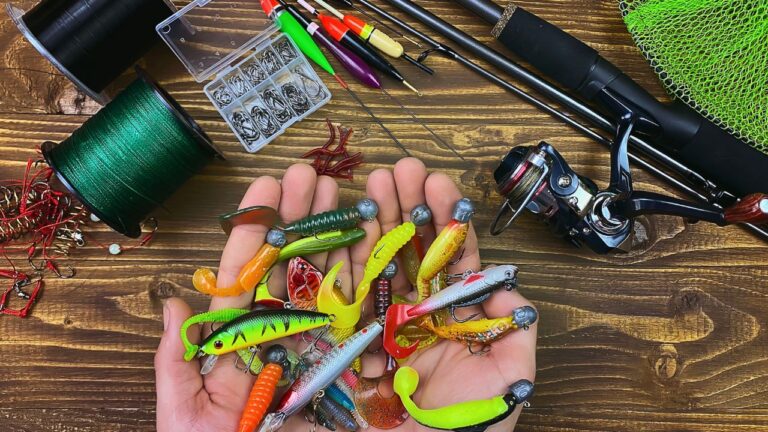
Even when your timing and location are right, the wrong gear setup can quietly sabotage you. Many anglers fish line that is too heavy and visible for pressured water, or too light for the cover they are targeting, and then wonder why they either spook fish or break off. A detailed guide on Big Mistakes That Keep You From Catching More Fish stresses that efficiency is key in fishing, and that if a lure or setup is not doing its job, you should not be using it. That includes matching line type and strength to the technique instead of defaulting to one spool for everything.
Hooks and drag settings are the other half of that equation. The Importance of Fishing Hooks Fishing is not just a slogan, it is reality: They are the final link between you and the fish, and dull or poorly chosen hooks lead to missed strikes and frustrating days without a catch. On top of that, many beginners never touch the drag knob, then lose fish when it is set far too tight or too loose. A step-by-step guide to landing fish notes in its section on Common Mistakes that if the drag is too tight, your line may snap, and if it is too loose, you may never drive the hook home. I like to set my drag so a strong pull with my hand can slip line smoothly, then fine-tune after I hook the first fish of the day.
Bad Presentation: Dead Lures, Poor Hooksets, And Sloppy Fighting
Plenty of anglers are around fish all day but never connect because their presentation is off. Even the most expensive lure is useless if it is retrieved like a dead stick, a point hammered home in a section titled The Fix, which urges anglers to Make Your Lure Come Alive Even the most realistic bait needs action to trigger strikes. Too many people cast, reel straight, and hope, instead of working the rod tip, changing speeds, and using the lure the way it was designed to be fished.
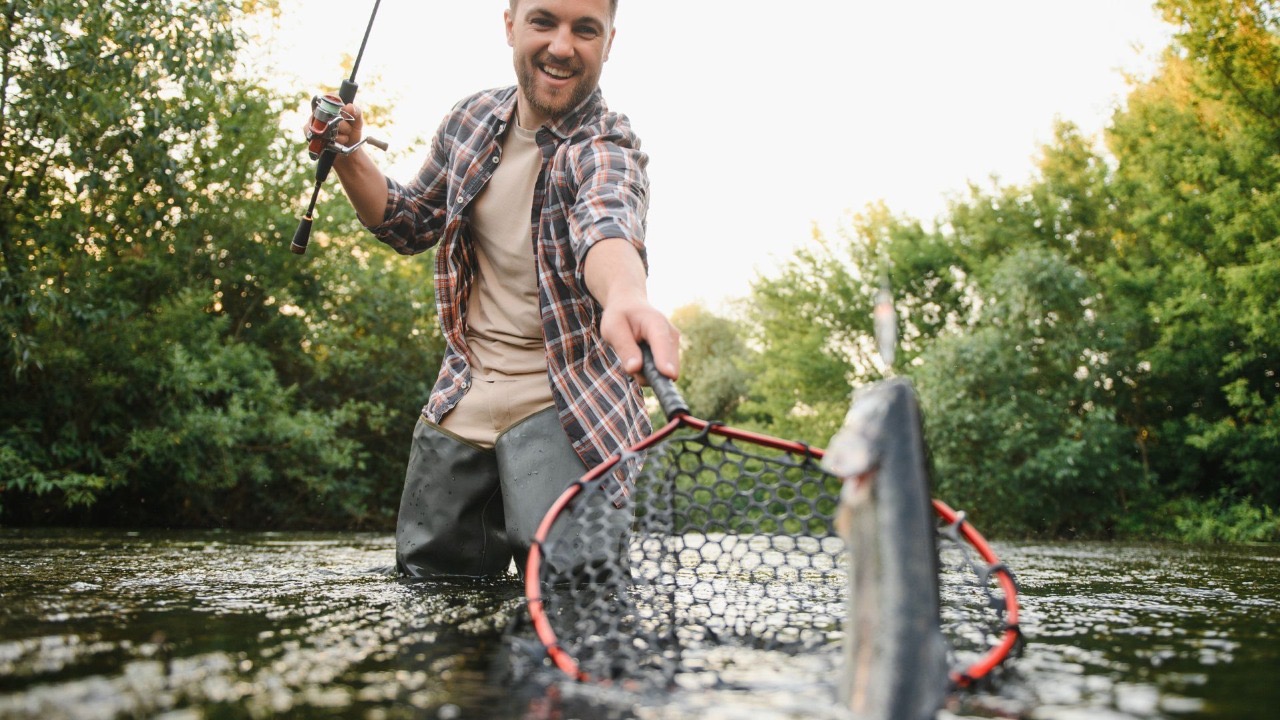
The mistakes continue after the bite. A lot of beginners either swing wildly on every tap or never set the hook hard enough, then they fight the fish with the rod pointed straight at it, which kills shock absorption and tears hooks out. A short video on Too many tiny mistakes highlights how poor hooksets, wrong rod angles, and horsing fish to the boat can cost you fish in seconds. I try to keep the rod at about a 45-degree angle, sweep into the hookset instead of haymaker swings, and let the rod and drag do the work during the fight. That calm, steady pressure lands more fish than any fancy lure.
Ignoring Time, Weather, And Seasonal Patterns
Even if your gear and technique are dialed, fishing at the wrong time in the wrong way can leave you skunked. Many anglers write off the middle of the day as “dead,” then fish lazily through it without adjusting. A detailed look at Midday patterns explains that Bottom Fishing The most significant reason fish activity slows down during the middle of the day is the sun, which pushes fish deeper or tighter to cover. That does not mean you should quit, it means you should change tactics, often by going deeper, downsizing, or targeting shade and current seams.
Seasonal patterns matter just as much. Cold water trout, for example, often hug slower seams and respond poorly to fast, sloppy presentations. A breakdown of Common cold-water mistakes points to using inappropriate gear or fly patterns, poor casting technique, and failing to adapt to changing conditions as key reasons anglers blank in winter. I try to build a rough seasonal calendar in my head for each water I fish: where the fish likely are in spring, summer, fall, and winter, and how weather shifts that pattern day to day. Fishing against that calendar is like trying to ice fish in July.
Refusing To Learn: Same Spots, Same Lures, Same Results
The last mistake is more mental than mechanical. Many anglers fish the same bank, with the same lure, at the same time of day, and then complain that the lake is “no good” when the bite slows. A detailed video that opens with “Struggling to catch fish? You might be making these 7 beginner fishing mistakes” walks through how stubborn lure selection and failure to adjust to conditions quietly cap your success. Whether you are into bass fishing, kayak fishing, or anything else, the pattern is the same: if you never experiment, you never grow.
Experienced anglers I respect keep notes, ask questions, and treat every slow day as data instead of bad luck. One set of expert hints on Common errors emphasizes learning local regulations, understanding the seasonal fishing patterns in Les Quis, and adjusting to weather and water conditions. That mindset travels anywhere. I try to change one variable at a time when the bite is slow, then mentally log what worked. Over time, that habit turns random outings into a real education, and those “mystery” fishless days become a lot rarer.
Rushing Every Step Instead Of Fishing Deliberately
Underneath all these mistakes is a single theme: rushing. Anglers hurry through knot tying, skip safety checks, fling a few casts, then sprint to the next spot. Detailed breakdowns of Being unprepared and inefficient point out that efficiency is key in fishing, but efficiency is not the same as speed. It means spending more of your day with a bait in the strike zone and less of it untangling line, retying broken rigs, or scrambling for tools you should have had ready.
On the water, I try to slow down enough to think through each step: where I stand, how I cast, what my lure is doing, and how I will fight a fish if it eats. That deliberate approach lines up with the advice in several expert lists of Too many common errors, which all circle back to the same idea: a little bit of prep and focus turns random luck into repeatable success. If you can cut out even a few of these habits, you will stop giving fish free passes all day and start making the most of every bite window you get.

Asher was raised in the woods and on the water, and it shows. He’s logged more hours behind a rifle and under a heavy pack than most men twice his age.