10 Wildlife species that define Oklahoma’s outdoors
Oklahoma’s outdoors holds more than wide skies and wind in the grass. With more than 1,100 native species on the landscape, the state runs from prairie to swamp and everything in between. Here are ten wild animals that, in my experience, really define how Oklahoma looks, sounds, and feels when you step off the pavement.
1. American Bison

The American Bison is the heavyweight that still shapes how people picture Oklahoma’s prairie country. Statewide lists of Oklahoma natives put the American Bison right up front, a reminder that these grass eaters once covered the plains in huge herds. Modern refuge herds keep that history alive and give hunters and hikers a sense of what the open range used to be.
Seeing a bison bull move through waist high grass tells you a lot about how tough this landscape can be. Their grazing patterns influence everything from nesting cover for ground birds to how fire behaves. When I glass a herd on the horizon, it feels like the anchor point for the rest of the state’s wildlife community.
2. White-tailed Deer
White-tailed Deer are the everyday backbone of Oklahoma’s hunting culture. Wildlife references list White Tailed Deer alongside Bobcat and Cougar as core Oklahoma natives, and that tracks with what I see in the field. The state even went a step further and named the white-tailed deer, Odocoileus virginianus, the official state game animal.
That status is spelled out clearly when Oklahoma designated the species as the state game animal, tying the deer and the name Odocoileus directly to local identity through a formal symbol. Habitat guides note that White, Black and mixed cover types across Oklahoma and surrounding states all hold deer, which means almost every rural family has a venison story.
3. Black Bear
Black bears are the comeback story in the state’s eastern hills. Coverage in Outdoor Oklahoma has followed how these bears pushed back into timbered counties after being scarce for decades. When I walk those ridges now, turned logs and clawed trees are a lot more common than they used to be.
Their return changes how people camp, hunt, and store food in the woods. It also signals that the oak and hickory forests are producing enough mast to support a big omnivore. For biologists, that is a benchmark of habitat quality, and for hunters it adds another layer of excitement to early morning walks to the stand.
4. Bobwhite Quail
Bobwhite quail are the soundtrack of Oklahoma’s grasslands. A state feature on “Beyond the Bobwhite” points out that Oklahoma has northern bobwhite and scaled quail, but Oklahoma bird hunters still talk about that classic bobwhite whistle first. When I hear that two note call at daylight, I know the pasture still has some life left in it.
Those birds need waist high grass, scattered brush, and bare ground to thrive, so their presence is a quick read on rangeland health. When bobwhite numbers slide, it usually means grazing pressure, woody encroachment, or both have gone the wrong direction. That makes them a useful gauge for everyone from ranchers to upland guides.
5. Bald Eagle
Bald eagles have turned Oklahoma’s winter lakes into raptor country. Reports in the state’s wildlife magazine have tracked how nesting pairs along big reservoirs and rivers have increased as water quality and fish numbers improved. I have watched them sit on dead cottonwoods, waiting for shad to flip near the surface.
Seeing the national bird on local water carries weight for anglers and birders alike. Their presence tells you there are enough fish and open roost trees to support a top predator. It also pulls visitors to public viewing areas, which helps build support for keeping those river corridors intact.
6. American Alligator
The American alligator is the curveball in southeastern Oklahoma. State field guides note that American alligators are difficult to find in Oklahoma, but they do turn up in remote, marshy corners of the southeast, especially in backwater sloughs and oxbows. That puts a genuine reptile heavyweight in what many people think of as “only” deer and turkey country.
Knowing there are alligators in those wetlands changes how you read the waterline and how you move a small boat through flooded timber. It also shows how far Gulf Coast species can reach when habitat lines up. For managers, that edge of the range population is a reminder that climate and water management decisions ripple across state borders.
7. River Otter
River otters have turned quiet creeks into something a lot more animated. A report on rehabilitated animals being released notes that River otters are now distributed through the eastern half of the state, with a stronghold in the southeast. I have seen their slides on muddy banks long before I ever caught one rolling in the current.
Those otters signal cleaner water and better fish communities, because they need both to stick around. Their return also forces trappers and landowners to think more carefully about how they set gear in shared waters. When a stream can support a family of otters, it usually means the rest of the aquatic food chain is in decent shape.
8. Coyote
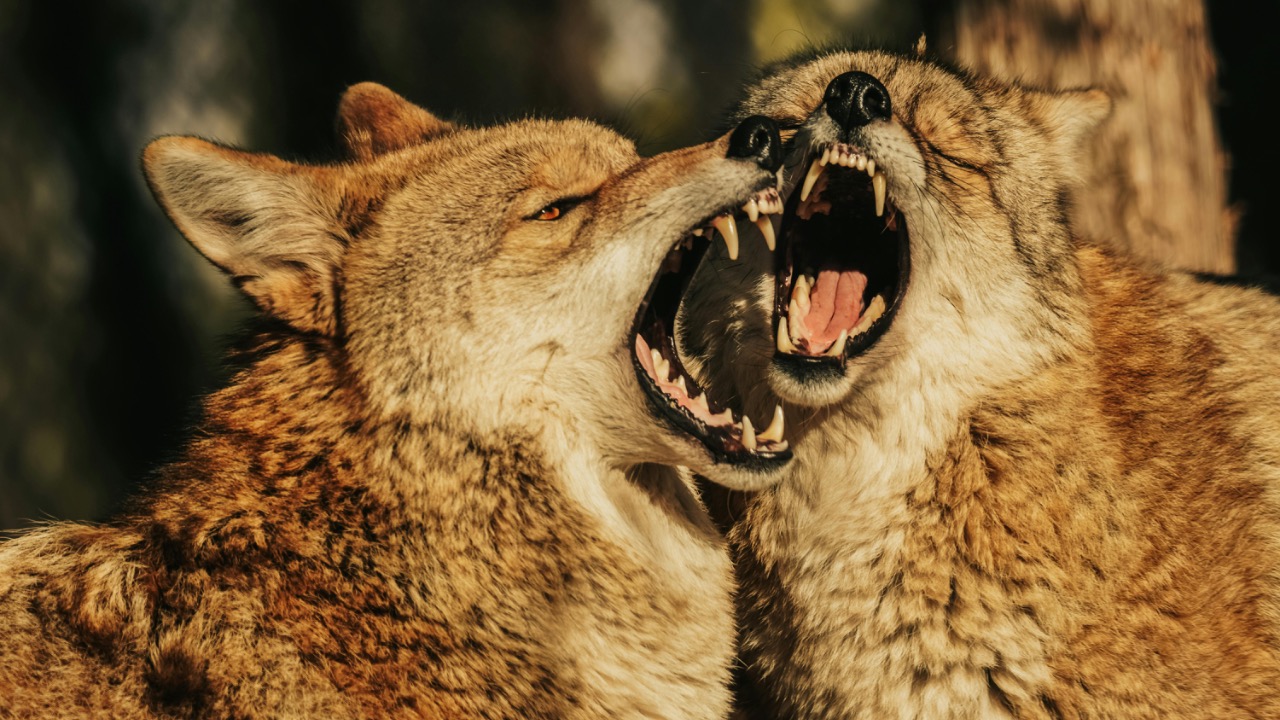
The coyote is the constant background predator across Oklahoma. Articles in the state’s hunting magazine describe how these canids work everything from wheat fields to suburban greenbelts, taking advantage of rodents and rabbits. I have heard them light up at sirens on the edge of town and at cattle guards miles from the nearest porch light.
Their adaptability keeps small game populations on their toes and forces livestock producers to stay sharp with calving and lambing. At the same time, coyotes help hold down numbers of mice and rats that can damage crops. That mix of conflict and benefit is part of why they are such a defining presence on the landscape.
9. Nine-banded Armadillo
The nine-banded armadillo is the odd looking digger that has become a familiar roadside sight. Regional wildlife lists that cover animals in Oklahoma mention American and Plains bison, but anyone who has driven a gravel road lately knows armadillos are now part of that picture too. Their armored backs and habit of rooting in soft soil make them hard to miss.
Those digging habits can frustrate landowners when lawns or pastures get torn up, yet they also aerate soil and go after insects. Their spread north hints at changing winters and available habitat. For me, seeing armadillo tracks alongside deer and coyote sign shows how mixed the modern wildlife lineup has become.
10. Red-tailed Hawk
The red-tailed hawk is the raptor you notice without even trying. When I scan a fencerow or highway right of way, that chunky bird with the brick colored tail is usually the first thing on a pole. State wildlife features often pair red-tails with other open country hunters because they are so tied to fields and pastures.
They earn that visibility by feeding heavily on rodents that work crop edges and hayfields. Every time a red-tail pins a vole in a winter wheat field, it is doing quiet pest control for the farmer who planted it. That everyday role, perched over the same ground used by American Bison and White Tailed Deer, helps define Oklahoma’s working countryside.
Supporting sources: White Tailed Deer.

Asher was raised in the woods and on the water, and it shows. He’s logged more hours behind a rifle and under a heavy pack than most men twice his age.