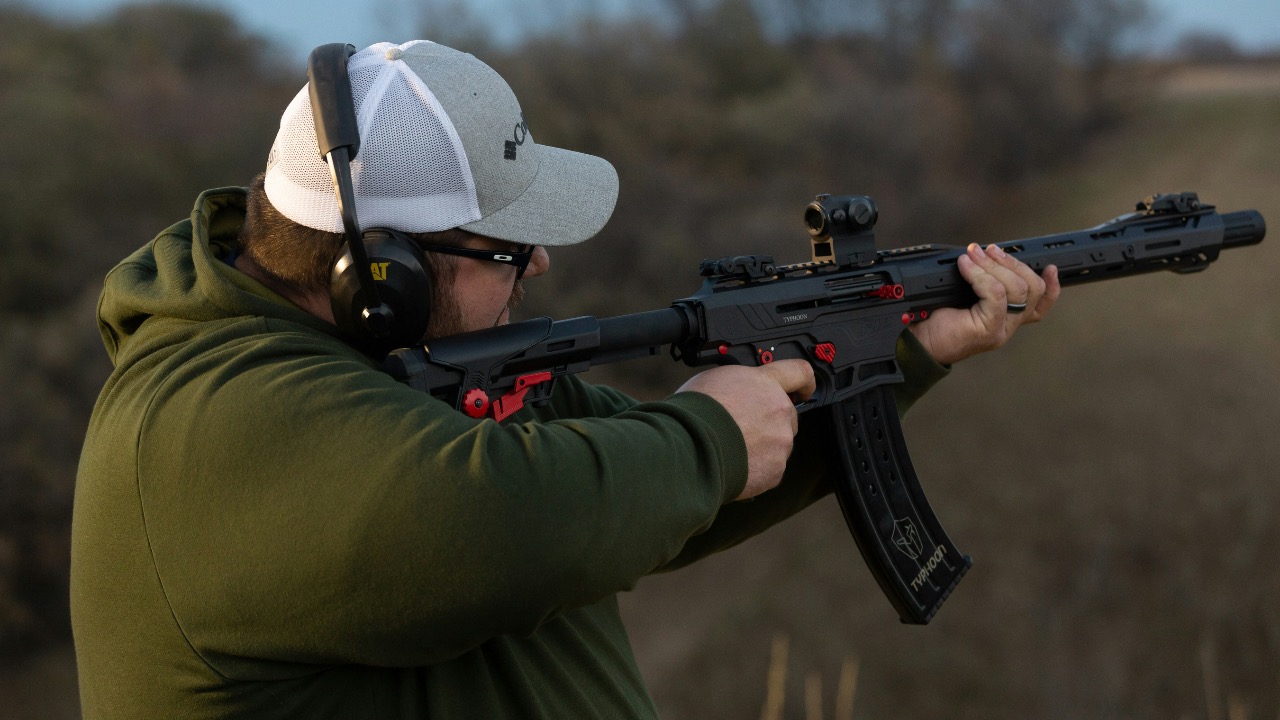
How to Make the Most of Every Trip to the Range
Every trip to the range costs you time, ammo, and attention, so it ought to move your shooting forward in a measurable way. With a little structure, you can turn even a quick lunch‑break session into real progress instead of a pile of empty brass and vague impressions. I have found that when I treat range time like a focused training block, not casual plinking, my accuracy, confidence, and safety all climb together.
The good news is that you do not need exotic gear or a private bay to make that happen. You need a clear plan, a few proven drills, and the discipline to track what works. Here is how I structure my own range days so every round has a job to do.
Start With Clear Intent, Not Random Rounds
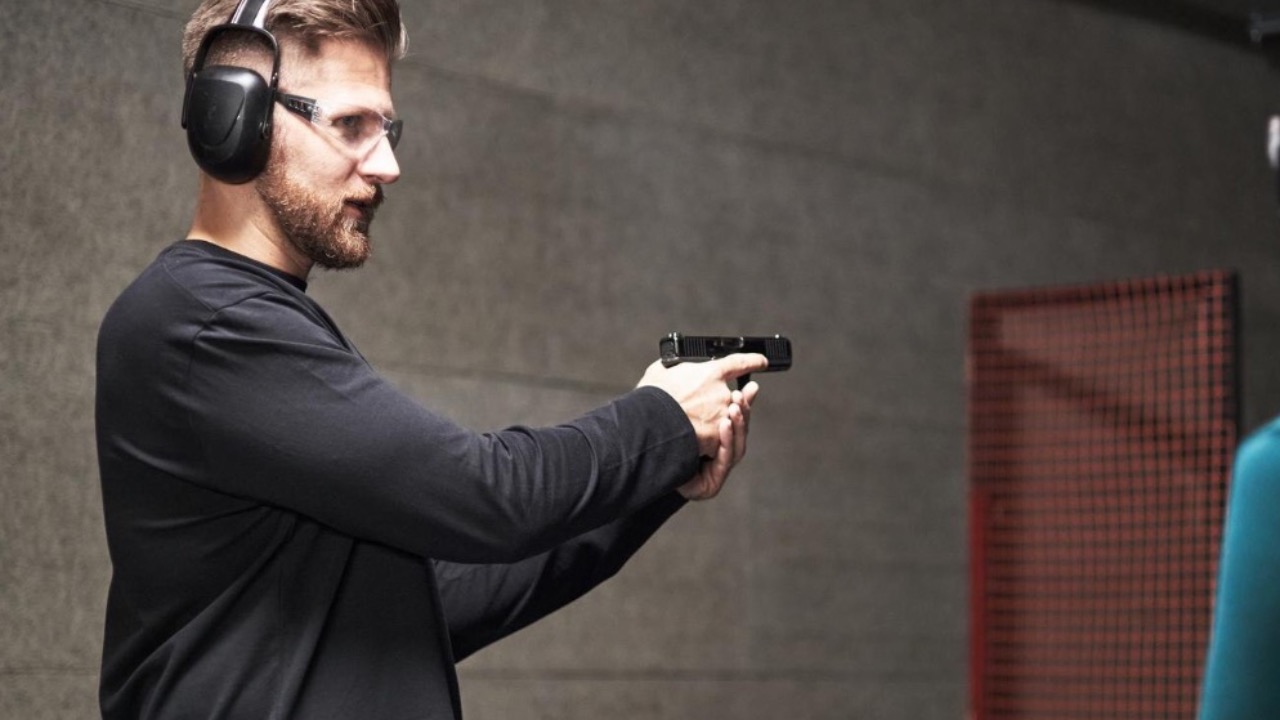
The biggest difference between a productive session and a wasted one is what happens before you leave the driveway. I decide exactly what I am working on, whether that is cleaning up a 15‑yard pistol group, tightening my rifle zero, or smoothing out my draw. Lumping everything into one outing usually means I do none of it well. Solid training advice stresses that you should Set Clear Objectives Before you even load your gear in the truck, and that matches what I see on the line: the shooters who arrive with a written plan improve faster than the ones who wing it.
Once I have that objective, I build the session around it instead of chasing distractions. If the goal is a faster first shot from concealment, I will not burn half my ammo on slow benchrest groups. I sketch out a short list of drills, round counts, and distances so I can move with purpose instead of guessing what to do next. That kind of structure turns a casual outing into a Train, Don Practice mindset, where every string is measured against a standard and any mistake becomes feedback instead of frustration.
Plan Your Gear and Logistics the Night Before
Most wasted range time happens behind the bench, not in front of it. I learned the hard way that loading magazines on the clock, hunting for a staple gun, or realizing I forgot my hearing protection can chew up half a session. Now I treat the night before as part of the training day. I top off every mag, stage ammo by caliber, and lay out targets, tape, and tools so they drop straight into a range bag. Detailed prep advice points out that Magazines are one of the biggest time sinks, and that squaring them away early is as important as getting eight hours of sleep.
I also run a quick checklist on support gear. A compact Multi-tool lives in my bag so I can tweak sights or tighten a loose optic mount without ending the day. Masking tape, a marker, and a roll of pasters let me refresh targets instead of walking back to the truck for new ones. When everything is staged and ready, I spend my time on the line actually shooting, not playing quartermaster.
Lock In Safety, Rules, and Range Etiquette
No amount of performance work matters if safety is sloppy. I start every session by mentally running through the Essential Firearm Safety Rules, especially Rule 1, Treat Every Firearm as if it is Loaded, and Rule 2, Always Keep the Muzzle Poin in a safe direction. Those core Essential Firearm Safety never change, whether I am alone on a private bay or shoulder to shoulder on a crowded public line. I also double check that my Eye and Ear Protection are in place before a single round goes downrange, because those are Your First Line of De against permanent damage.
Good etiquette keeps everyone safer and makes the day smoother. I read the posted rules at any new facility and make sure I Understand Shooting Range Rules before I uncase a gun. Many ranges spell out that Visiting shooters must obey the Range Safety Officer, and I treat that as non‑negotiable. The basic guidance is simple: follow the Range Basics, Follow the Rules of Gun Safety Always, and Listen to the Range Safety Officer when commands are given. When I am unsure about a local policy, I ask instead of guessing, which lines up with advice to ask questions when you do not understand a rule and to leave the lane tidy for the next shooter.
Build a Smart Checklist for First‑Time and Returning Shooters
Whether it is your first trip or your hundredth, a short checklist keeps the day from going sideways. I like to start with the basics: unloaded firearms in cases, ammo separated by caliber, and a small med kit in the bag. For new shooters, I add a note to arrive early enough to go over Things You Should Know Before Visiting a Shooting Range, including how to handle a firearm at the counter and what commands to expect. Solid guidance for newcomers emphasizes that you should Understand Shooting Range Rules before Visiting, because that knowledge builds confidence and ensures safer handling once the line goes hot.
I also encourage people to bring a trusted partner. Having Shooting buddies along is not just social, it gives you another set of eyes on safety and technique. Experienced trainers point out that a good partner can spot flinches, help run challenging drills, and keep you honest about muzzle discipline. Advice aimed at first‑timers notes that Before Your Range Session you should think through how you will communicate, who will coach, and how you will rotate on the line so nobody feels rushed. When everyone knows the plan, even a brand‑new shooter can have a calm, productive first day.
Make Every Drill Purposeful and Trackable
Once I am on the line, I avoid the trap of spraying rounds at a target with no standard. I pick drills that match my objective and that I can measure. If I am working on consistency, I might run a slow five‑shot group at 10 yards, then repeat it three times and compare. If I am chasing speed, I will use a shot timer and a simple draw‑and‑fire sequence. Training advice aimed at people who struggle with consistent hits stresses that you should Run Purposeful Drills instead of random strings, because perfect practice makes perfect, not mindless repetition. That same guidance, under the banner of Stop Wasting Time at the Range, Maximizing Your Shooting Sessions, is blunt about how much ammo gets burned without progress when drills lack structure.
To keep things efficient, I lean on proven patterns. One of the best ways to improve is to shoot structured drills that force you to manage distance, time, and accuracy together. Detailed guidance on Why You Should Shoot Drills points out that Going to the range and shooting randomly is fun but not the most effective way to improve, and recommends that you Use a Variety of Drills to keep skills from getting stale. I log my scores, times, and any notes in a small notebook, which lines up with advice that a Shooter diary should include the date, type of activity, scores fired, and a brief comment on what worked. Over time, that record shows exactly where my training is paying off and where I need to adjust.
Focus on Fundamentals: Draw, Grip, and Reloads
Fancy drills do not mean much if the basics are shaky. I spend a chunk of every session on my draw stroke, grip, and trigger press, because those are the foundation under every shot. When I am carrying concealed, I practice clearing the cover garment, getting a full firing grip in the holster, and presenting the gun to the same index point every time. Practical training advice urges shooters to Work on Your Draw and to give that skill as much attention as raw marksmanship, because a smooth presentation shaves seconds off your response without adding stress. I have seen shooters gain more real‑world capability from a cleaner draw than from chasing tiny groups at 25 yards.
Reloads and malfunction drills are the other half of that equation. I run simple sequences where I fire a few rounds, perform a slide‑lock reload, and get back on target, focusing on economy of motion instead of speed alone. Guidance on Maximizing Your Shooting Sessions notes that fine‑tuning your reloading technique is part of the same Run Purposeful Drills mindset, and that a steady rhythm and flow matter more than flashy movements. When I can run a clean reload without looking at the gun and without losing my sight picture, I know the fundamentals are starting to stick.
Protect Your Body and Mind So You Can Learn
Good training is physically and mentally demanding, and I treat my body like another piece of gear that needs maintenance. On hot days, I pre‑hydrate, wear a brimmed hat, and pack sunscreen, because Guns can get hot and You can as well. Practical summer advice warns that Sunburns and heat‑related casualties are some of the most dangerous problems on the range, and recommends that you Pre the Right Way by staging shade, water, and even a small cooler to have on hand. I have cut sessions short when shooters around me started to fade from heat, and it is always preventable with a little planning.
Mental fatigue is just as real. I build in short breaks to reset my focus, check targets, and jot notes instead of grinding through a full box of ammo in one go. Solid training guidance reminds shooters to Take Breaks and Stay Hydrated, and to adjust your drills as needed if your performance starts to slip. When I feel my concentration wandering, I pause between rounds to breathe, reset my grip, and visualize the next shot, which lines up with advice that Confidence begins before the first trigger press and that you should Start with the Right Mindset. Over time, that habit builds unshakable Confidence because you are training your brain to stay calm and deliberate even when things get challenging.
Use Safety Gear and Range Tools to Your Advantage
Protective equipment is not just a box to check, it shapes how well you can train. I prefer electronic muffs so I can hear range commands and coaching while still blocking the blast, which makes it easier to stay engaged and safe. Practical safety guidance for new shooters notes that Before Your Range Session you should choose hearing protection that lets you carry on a conversation yet still blocks out the report, because that balance reduces fatigue and improves learning. Eye and Ear Protection really are Your First Line of De, and I treat them as non‑negotiable, not optional accessories.
Small tools can make a big difference in how smoothly the day runs. A compact multi‑tool, a roll of tape, and a marker let me fix loose hardware, patch targets, and label groups without leaving the line. A detailed range checklist points out that a decent Multi-tool can handle basic repairs and adjustments, while masking tape keeps targets usable and makes cleanup more manageable. When I am done, I police my brass, pack out trash, and leave the lane cleaner than I found it, which matches advice to tidy for the next shooter and keeps the facility in good shape for everyone.
Respect Conditions, Laws, and Local Norms
Every range has its own quirks, and I make a point of understanding them before I start slinging lead. That starts with local law. Guidance aimed at building unshakable Confidence reminds shooters that it is always essential to know the local laws before carrying a firearm, and that you should Start with the Right Mindset by doing that homework early. I check whether the facility allows drawing from a holster, rapid fire, or movement, and I adjust my plan accordingly. If a drill is not allowed, I do not try to sneak it in, I modify it or save it for a different venue.
Weather and environment matter too. On an outdoor range, I plan for wind, mirage, and temperature swings that can affect both me and the gun. Practical summer guidance notes that Guns and You heat up together and that you should Pre the Right Way by staging shade and a cooler, especially during long strings. In winter, I bring gloves I can shoot in and check that my lube will not gum up in the cold. Respecting those conditions keeps the day safe and realistic, and it prevents me from blaming the environment for problems that are really about my technique.
Debrief, Log, and Maintain Your Gear Afterward
The session is not over when the last round is fired. I like to sit in the truck or at the bench and run a quick debrief while everything is fresh. I note which drills felt solid, where I struggled, and what I want to tackle next time. Detailed training advice suggests that after a session, you should take time to debrief and that a Shooter diary entry should include the date, type of shooting, scores fired, and a brief comment on what worked. That habit turns each outing into part of a longer progression instead of a one‑off event.
Once I am home, I treat my firearms like any other piece of equipment that needs care. I wipe them down, inspect for unusual wear, and clean and lubricate them on a regular schedule. Guidance on maximizing a rifle’s performance notes that Regular maintenance, including cleaning, lubrication, and component replacement, is essential to preserving the weapon’s optimal function and effective utilization in any scenario. That same logic applies to a carry pistol or a .22 trainer. When my gear is squared away and my notes are logged, I already have a head start on planning the next range day, and every trip builds on the last instead of starting from zero.

Asher was raised in the woods and on the water, and it shows. He’s logged more hours behind a rifle and under a heavy pack than most men twice his age.