10 Ammo mistakes that quietly waste money
Ammo is expensive, and a lot of shooters bleed cash without realizing it. I want to walk through the quiet mistakes that drain a gear budget, using hard numbers from recent reporting so you can see exactly where the money goes and how to keep more of it in your pocket.
1. Buying the Wrong Caliber
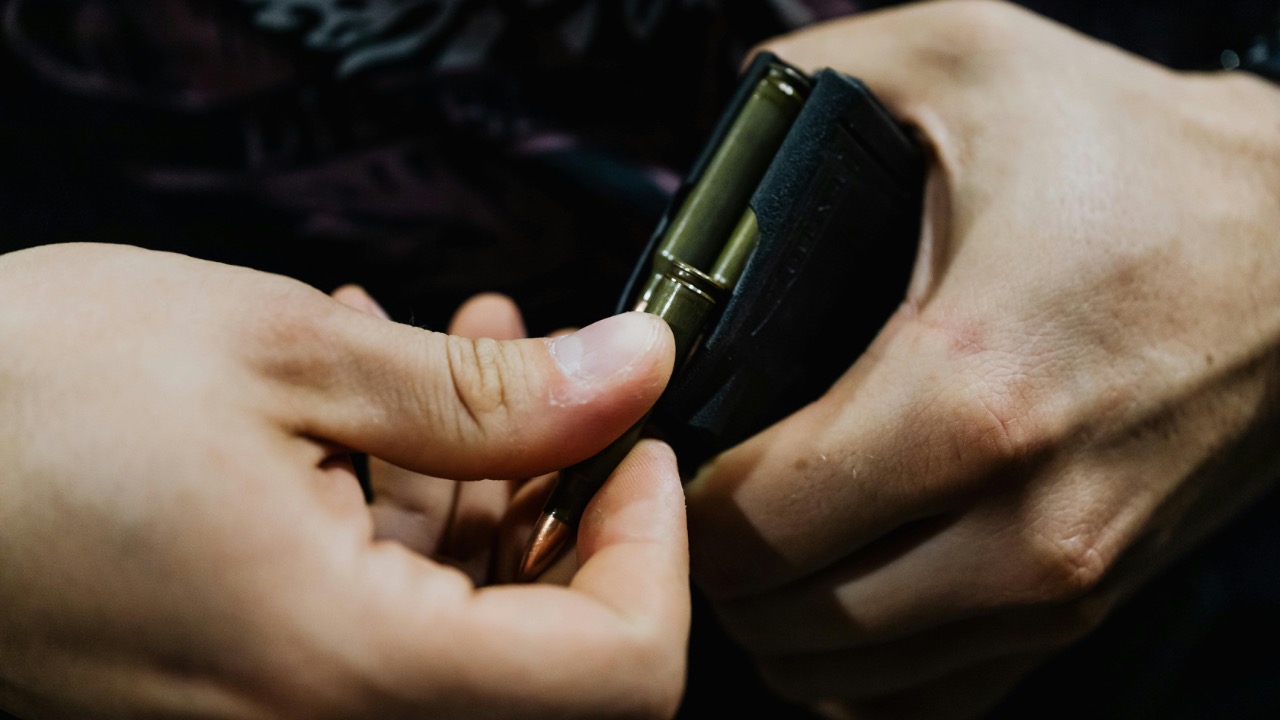
Buying the wrong caliber is one of the fastest ways to waste ammo money. A 2023 report found that 40 percent of shooters end up with mismatched calibers because of confusing box labels and similar cartridge names, leaving them with unusable stock worth about 50 to 100 dollars each time it happens. That is not a rare, one-off mistake, it is a recurring leak that can equal the cost of a decent optic over a year or two.
To avoid that, I slow down at the counter and match the exact caliber stamped on the barrel or slide to the box, including suffixes like “Magnum” or “Auto.” I also separate storage by caliber at home so a 9mm box never ends up next to .380 ACP or .40 S&W. The stakes are bigger than wasted cash, since forcing the wrong round can also damage a firearm or create a safety hazard.
2. Storing in Humid Conditions
Storing ammo in damp basements or garages quietly destroys value. A 2022 analysis found that brass-cased ammunition kept in humid environments showed a 25 percent corrosion rate within two years, which devalued those rounds by up to 70 percent. Once corrosion sets in, that box of premium .308 or 6.5 Creedmoor effectively turns into range trash, if it is safe to shoot at all.
I treat ammo like I treat good rifles, keeping it in sealed containers with desiccant packs and away from concrete floors that sweat. Simple steps, like using gasketed ammo cans and checking humidity with a cheap digital gauge, protect both reliability and resale value. For anyone who buys in bulk, the financial stakes are obvious, a few dollars in storage gear can protect hundreds of dollars in cartridges.
3. Failing to Rotate Stock
Letting ammo sit in the back of a cabinet until it ages out is another slow leak. A 2024 guide reports that when shooters fail to rotate inventory, about 30 percent of their ammo expires unused, even though modern loads typically have a shelf life of 10 to 20 years. That means a third of what some people buy never sees a chamber before they decide it is too old to trust.
I mark purchase years on every case and keep the oldest boxes front and center, following a simple “first in, first out” rule. Training days are where I burn through aging stock, saving newer defensive loads for carry and home defense. The broader trend is clear, without a rotation habit, long shelf life becomes an excuse to overbuy, and a big chunk of that investment eventually ends up as dead weight.
4. Opting for Outdated Surplus
Surplus ammo can look like a bargain, but older lots often cost more in headaches than they save in cash. According to 2023 reporting, surplus military ammunition from the 1980s frequently underperforms in civilian rifles, with failure rates around 15 percent, which wastes about 0.20 dollars in components for every round that has to be pulled or reloaded. Those numbers add up fast when you are working through a full crate.
When I see decades-old 5.56 or 7.62 NATO, I factor in the misfire rate, inconsistent velocities, and the time spent clearing malfunctions. Modern commercial loads may cost more per box, but they usually deliver better accuracy and reliability, especially in AR-pattern rifles and precision bolt guns. For most shooters, the real economy is in ammo that actually runs, not in chasing the cheapest surplus stamped with long-faded lot codes.
5. Using Steel-Cased Ammo in Incompatible Guns
Steel-cased ammo has its place, but running it in the wrong pistols can turn into an expensive repair bill. A 2022 study found that steel cases increased wear in 20 percent of semi-auto handguns, leading to repairs that topped 200 dollars and also driving higher round counts to maintain the same training value. That combination of extra gunsmith work and extra ammo consumption quietly erases the savings per box.
I reserve steel-cased 9mm or .223 for platforms that handle it well, such as certain Eastern European designs that were built around that kind of ammunition. For tighter, match-oriented pistols, I stick with brass, even for high-volume practice. The key financial takeaway is that saving a few cents per round does not help if it accelerates barrel or extractor wear and forces a major parts replacement every few seasons.
6. Overlooking Lot Dates
Ignoring lot dates is another way shooters end up paying twice for the same performance. A 2023 piece reports that ammo more than five years old, when used without regard to lot information, shows dud rates around 10 percent, costing the average shooter about 150 dollars each year in replacement rounds. Those misfires also chew up range time and can mask real issues with fundamentals.
I keep lot numbers and purchase notes in a small notebook and on my phone, so if a batch of .223 or 12-gauge starts giving me trouble, I can quarantine it immediately. That habit also helps if a manufacturer issues a recall tied to specific lots. Financially, tracking dates and lots turns into a quality control system, cutting down on wasted trigger pulls and the cost of replacing unreliable boxes after they have already soaked up time and effort.
7. Neglecting Regular Cleaning
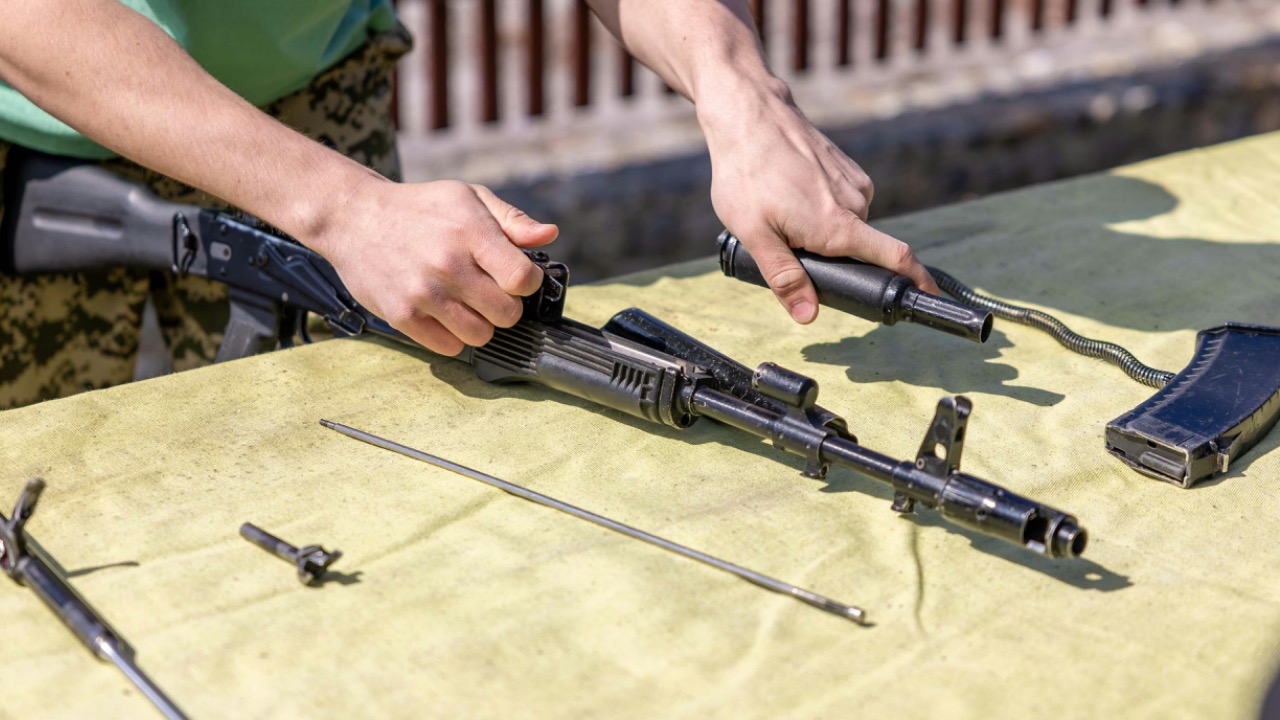
Skipping barrel cleaning is not only hard on accuracy, it is hard on the wallet. A 2024 summary notes that poor cleaning after roughly 500 rounds can double the amount of ammo needed in a training session because fouling degrades consistency, which adds about 75 dollars in extra purchases each time. When groups open up and point of impact wanders, shooters often respond by firing more instead of fixing the underlying problem.
I run a proper solvent, brush, and patches through my rifles and pistols on a set schedule, especially after high-volume days with carbines or competition pistols. That routine keeps zeroes stable and makes every round count, instead of chasing accuracy with more and more ammo. Over a season of practice, the savings from not burning extra boxes into a dirty bore can easily cover a quality cleaning kit and then some.
8. Sourcing from Unreliable Vendors
Buying bulk ammo from sketchy online sellers can turn a supposed deal into a major loss. A 2022 investigation found that 12 percent of bulk orders from unverified vendors contained between 5 and 10 percent defective rounds, which translated into about 300 dollars in losses on a 1,000 round case. Those defectives show up as split necks, bad primers, or inconsistent powder charges that nobody wants to discover on the firing line.
I stick with retailers that clearly list manufacturer details, lot information, and return policies, even if their price per round is slightly higher. Checking reviews and avoiding too-good-to-be-true offers on 9mm or .223 helps keep my training days focused on shooting, not sorting out bad cartridges. The broader pattern is that quality control and customer support are part of the real price, and cutting corners there often means paying for ammo that never safely leaves the box.
9. Skipping Bulk Purchases During Dips
Failing to buy in bulk when prices dip is a quieter mistake, but it compounds over years. An economic guide points out that missing bulk deals, such as 9mm offered at 0.15 dollars per round in 2022, can inflate long-term costs by about 50 percent once prices climb again. If someone keeps buying a box or two at peak pricing, they effectively pay a premium for the same practice volume.
I watch for seasonal or market-driven lows and commit to cases of calibers I know I will shoot heavily, like 9mm and .223 Remington. That approach smooths out price spikes and keeps my per-round cost predictable. Over several years of training, the difference between buying smart during dips and paying full freight later can equal the cost of a quality handgun or a midrange AR-15, which is money I would rather keep available for better gear.
10. Hoarding Excess Inventory
Hoarding ammo beyond realistic needs ties up money that could work harder elsewhere. A 2024 report estimates that overstocking leaves the average collector with more than 1,000 dollars locked into ammunition, and about 20 percent of that stash becomes obsolete as caliber preferences shift, such as the move from .40 S&W back toward 9mm. Those forgotten cases sit in closets while newer loads and platforms take over.
I set a practical ceiling based on how much I actually shoot in a year, then add a modest buffer for disruptions instead of chasing every sale. When I phase out a caliber, like moving from .40 S&W to 9mm, I sell or trade the remaining ammo while it still has value. That habit keeps my cash from getting trapped in dusty boxes and aligns my inventory with the guns I actually carry and train with.

Asher was raised in the woods and on the water, and it shows. He’s logged more hours behind a rifle and under a heavy pack than most men twice his age.