10 Chimpanzee Behaviors That Prove They’re More Brutal Than Humans — And the Footage Is Horrifying
Chimpanzees are often seen as intelligent, social, and surprisingly human-like. And that’s true in a lot of ways. But researchers who have spent years observing them in the wild have also documented behaviors that are far more intense than most people expect.
These aren’t random moments. They’re part of how chimpanzee societies function — shaped by competition, hierarchy, and survival.
Here are 10 behaviors that show a side of chimpanzees most people don’t realize exists.
1. Organized Group Attacks
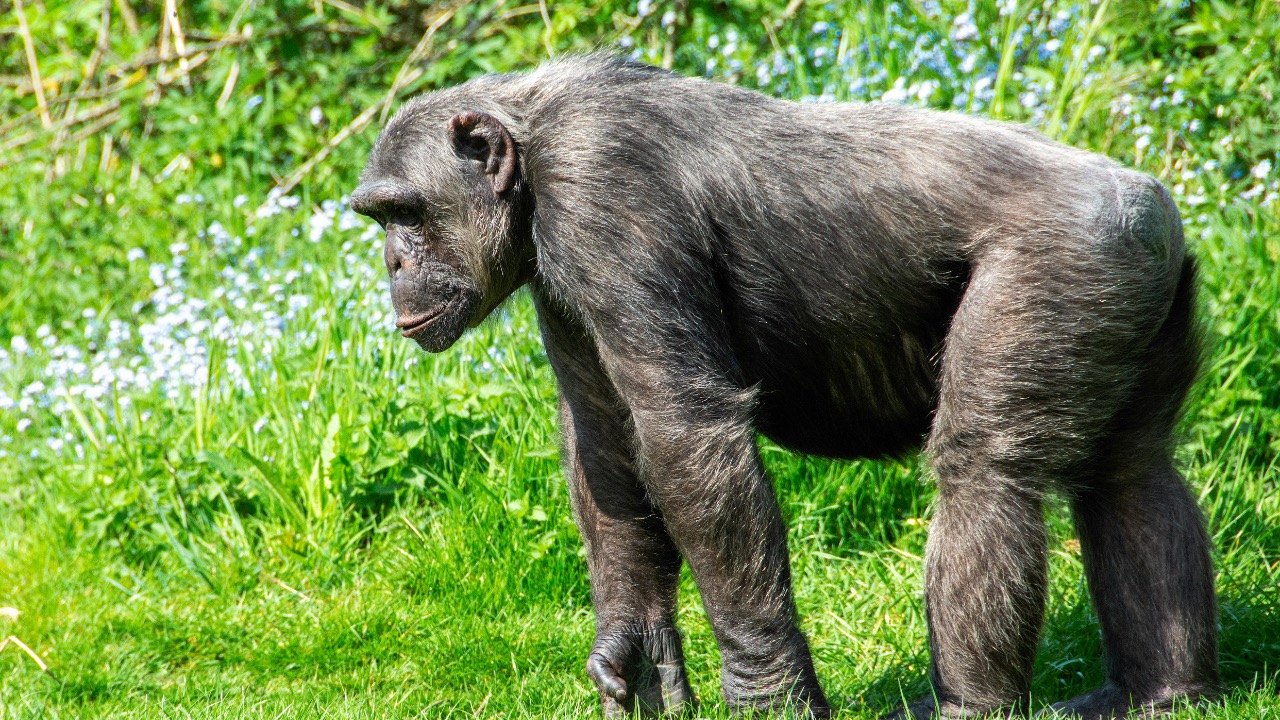
Chimpanzees don’t always act alone. In some situations, they form small groups and move together with a clear target in mind.
Researchers have observed them silently approaching rivals before launching coordinated actions, suggesting a level of planning that goes beyond simple instinct.
2. Territorial Patrols
Chimpanzee groups actively monitor the boundaries of their territory.
Males in particular will patrol edges in quiet, focused groups, listening and watching for signs of neighboring chimps. These patrols can last hours and often build tension before any encounter even happens.
3. Intense Rivalries Between Groups
Different chimpanzee communities don’t just avoid each other — they can become long-term rivals.
Encounters between groups can escalate quickly, especially if one side sees an opportunity to gain an advantage. These conflicts can shape territory and group size over time.
4. Strict Dominance Hierarchies
Chimpanzee societies are built on clear rankings.
Higher-ranking individuals often control access to food, space, and social attention. Maintaining that position can require constant displays of strength, confidence, and alliances with others.
5. Strategic Alliances
It’s not just about strength — it’s also about relationships.
Chimpanzees form alliances to gain or protect status. These partnerships can shift over time, especially if it benefits someone to support a different individual.
6. Power Struggles for Leadership
Leadership isn’t permanent.
When a dominant male begins to lose influence, others may challenge him. These challenges can involve multiple individuals and often depend on who has the strongest social backing.
7. Complex Social Manipulation
Chimpanzees don’t just react — they adjust their behavior based on who’s watching.
They’ve been observed hiding certain actions, acting differently depending on the audience, and even using distractions in social situations. This shows a level of awareness that can feel surprisingly calculated.
8. Resource Control
Food isn’t always shared equally.
Higher-ranking individuals may take priority, while others wait or try to find opportunities to get access. This can lead to tension, especially when resources are limited.
9. Emotional Outbursts
Chimpanzees express strong emotions — excitement, anger, and frustration — often through loud displays, movement, and physical gestures.
These moments can spread quickly through a group, affecting multiple individuals at once.
10. Long-Term Memory of Conflict
Chimpanzees don’t easily forget negative interactions.
They remember past conflicts and can react differently to individuals based on history. This can influence future encounters, alliances, and even group dynamics.
Why This Surprises People
A lot of people expect animals to behave purely on instinct, without the kind of complexity we associate with human societies.
But chimpanzees challenge that idea.
Their behavior shows planning, memory, social awareness, and strategy — all wrapped into a system that can be both cooperative and intensely competitive.
That combination is what makes their world so fascinating… and sometimes a lot more intense than people expect.

Leo’s been tracking game and tuning gear since he could stand upright. He’s sharp, driven, and knows how to keep things running when conditions turn.