

10 Features That Make or Break a Survival Knife
When you’re living off what you carry, your knife matters. A survival knife isn’t a fashion statement or a backup tool. It’s the difference between being prepared and being stuck. But not every knife claiming to be “survival-ready” is worth betting your life on.
There are specific features that determine whether a blade holds up—or lets you down. Skip them, and you’re gambling. Nail them, and you’ve got a tool that earns its space on your belt. Here’s what actually matters when the wild stops playing nice.
Full Tang Construction
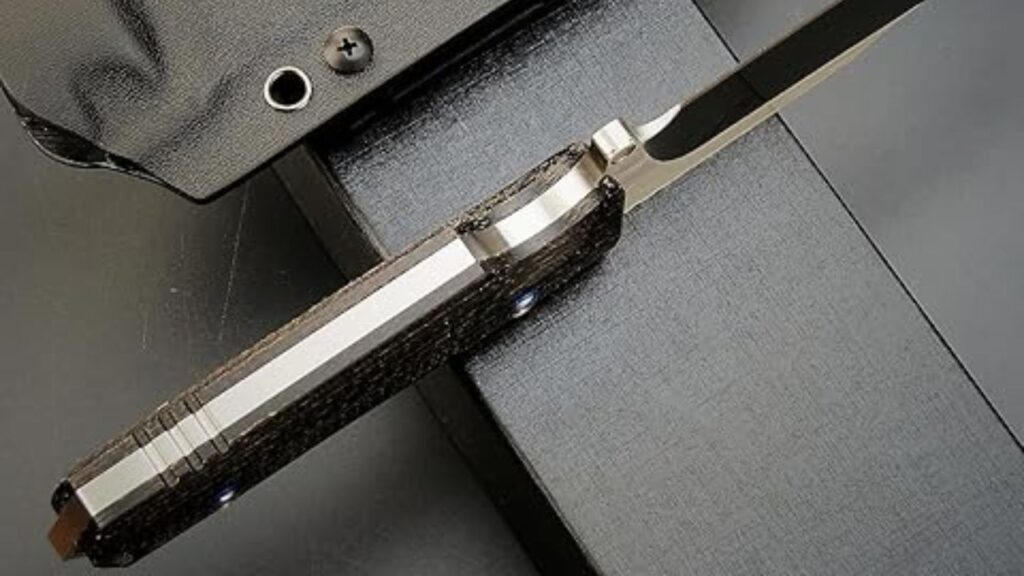
Full tang means the blade steel runs straight through the handle—one continuous piece. This isn’t a preference. It’s mandatory if you expect the knife to handle prying, batoning, or hard chopping without snapping.
Hidden tangs, rat-tail tangs, and partial tangs tend to fail under real pressure. You won’t see it happen when cutting rope. You’ll see it when splitting wood, digging roots, or twisting it through stubborn material. That’s where full tang proves itself, every time.
Quality Steel

Your knife’s steel decides everything—how long it holds an edge, how easy it is to sharpen, and whether it chips or rolls under stress. You need steel that balances toughness, edge retention, and corrosion resistance.
High carbon steels like 1095 are tough and easy to field sharpen but require oil to fight rust. Stainless options like CPM 154 or S35VN resist corrosion better but can be harder to touch up in the field. There’s no free lunch—pick the balance that fits your environment.
Fixed Blade Design
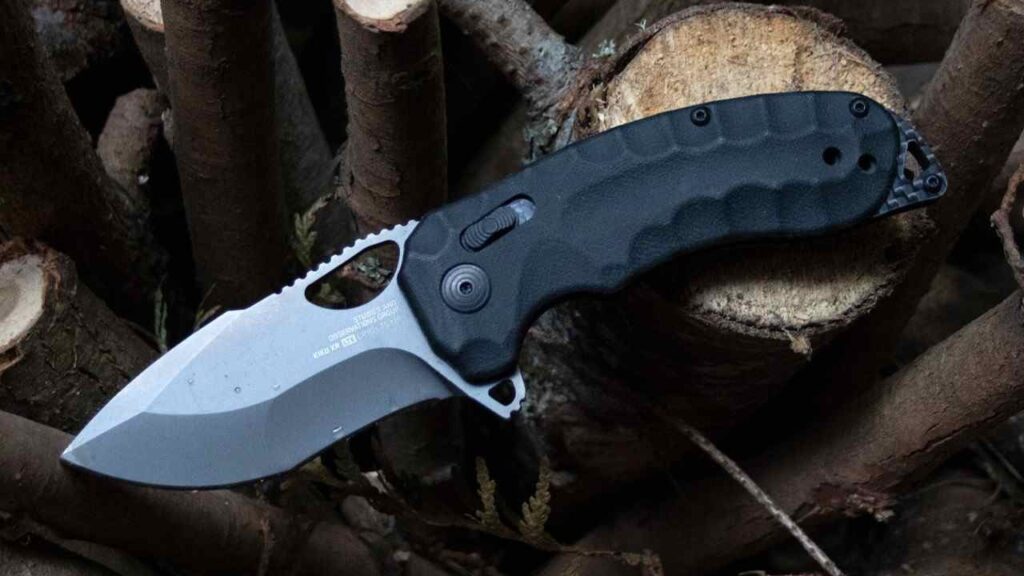
Folders have their place. Survival isn’t it. A fixed blade is stronger, safer, and far more dependable when things go sideways. There’s no lock to fail, no pivot to gum up with dirt, sand, or blood.
When you’re batoning firewood, processing game, or doing heavy camp tasks, a fixed blade won’t fold on your fingers. It’s one solid piece of steel from tip to pommel—and that’s exactly what you need when the stakes are real.
Blade Thickness

Too thin, and you risk snapping it. Too thick, and it turns into a sharpened pry bar that’s useless for slicing or finer work. You’re looking for a sweet spot—usually between 3/16″ and 1/4″, depending on the knife’s purpose.
A proper survival knife needs enough spine to baton, pry, and hack without flexing. But it still has to feather stick, carve notches, or dress game without feeling clumsy. Thickness matters more than most people realize.
Comfortable, Secure Handle
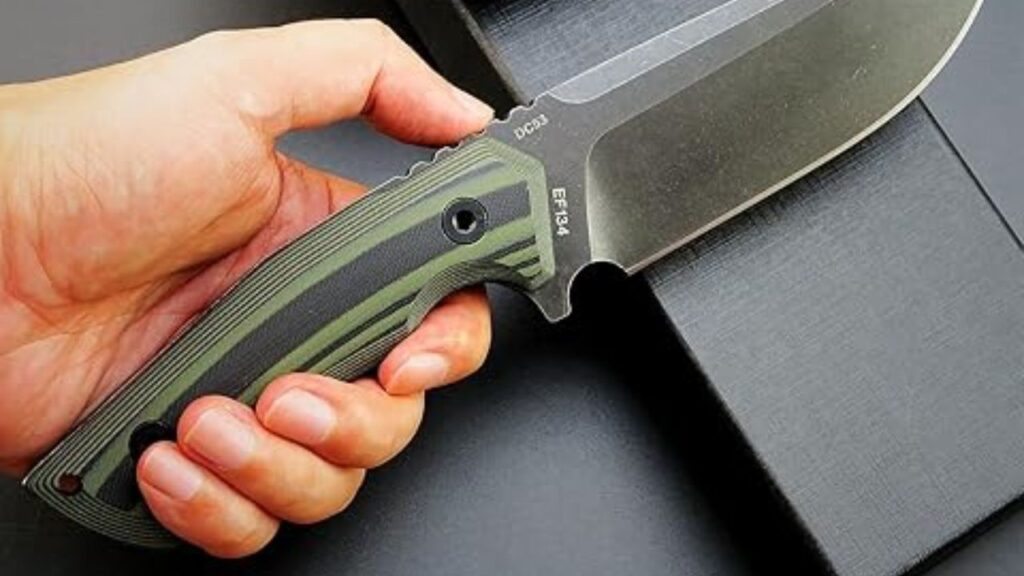
If the handle doesn’t lock into your grip, the rest doesn’t matter. You’ll either drop it, slip into the edge, or fight fatigue after a few minutes of real use. Comfort isn’t luxury—it’s survival.
You’re looking for materials like Micarta, G-10, or textured rubber that stay grippy wet or dry. The shape should fit your hand without hotspots. Sharp corners or slick finishes will show their flaws fast when you’re carving, chopping, or working for hours.
Drop Point or Modified Drop Point Blade
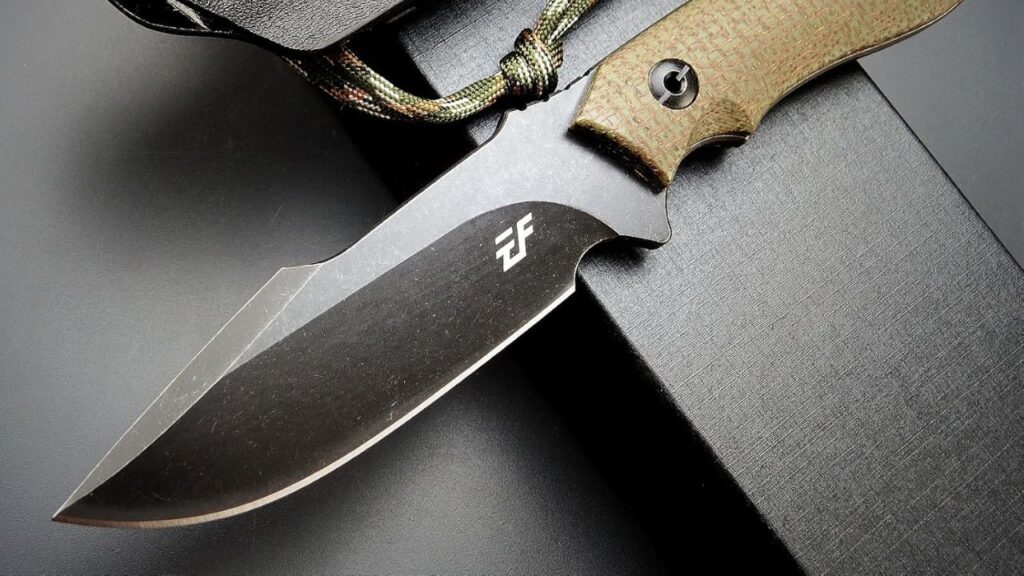
Blade shape isn’t about looks. It’s function. A drop point or modified drop point offers a strong tip without being so delicate it snaps off under pressure. You still get a fine enough point for carving, processing game, or detailed camp work.
Avoid hollow grinds or clip points if you expect heavy use. They’re prone to breaking at the tip. A good drop point gives you strength where you need it, plus enough belly for slicing tasks like skinning or food prep.
Flat or Scandi Grind
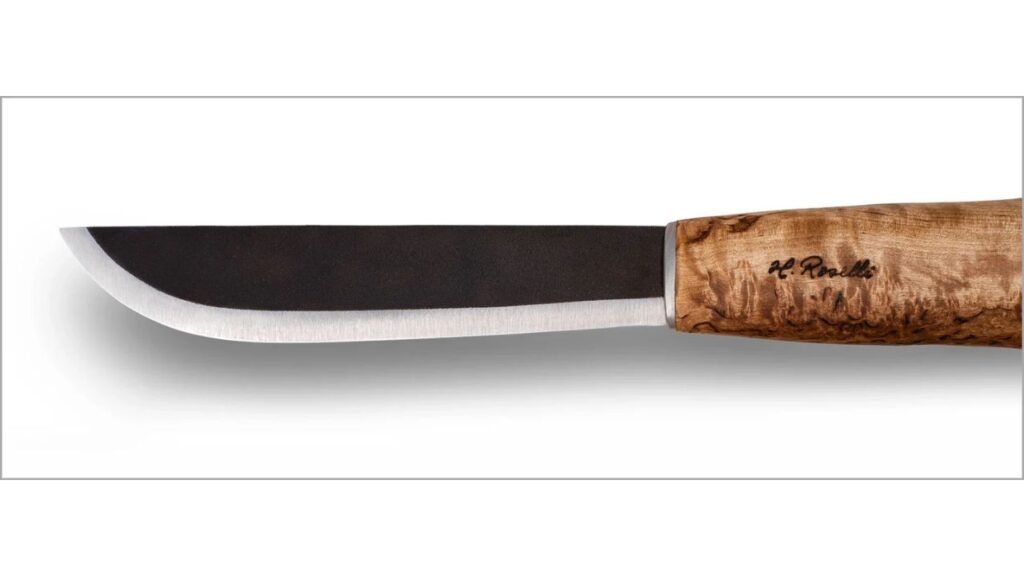
Grind decides how the knife bites, carves, and sharpens. Flat grinds offer versatility—a good balance for slicing and durability. Scandi grinds excel at woodwork, feather sticks, and carving, but can be weaker at lateral stress.
Avoid hollow grinds for survival knives—they’re great for razors, bad for prying or batoning. Convex grinds are strong but harder to sharpen without the right skills. Flat or Scandi keeps you ready without special equipment in the field.
90-Degree Spine
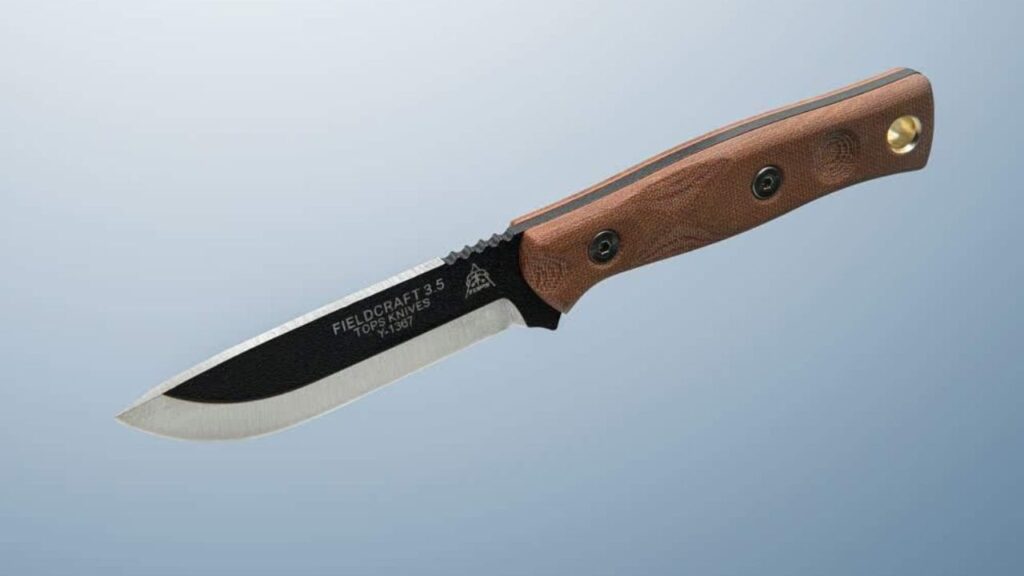
A sharp 90-degree spine turns your knife into a multi-tool. You can strike ferro rods, scrape fatwood, or shred bark for tinder without dulling your edge. Smooth, rounded spines look nice but give up real utility.
This feature often gets ignored, but once you’ve used the spine for fire-starting or scraping, you’ll never go back. It saves your edge for cutting while letting the spine handle the rest. Every serious survival knife should have it.
Solid Sheath
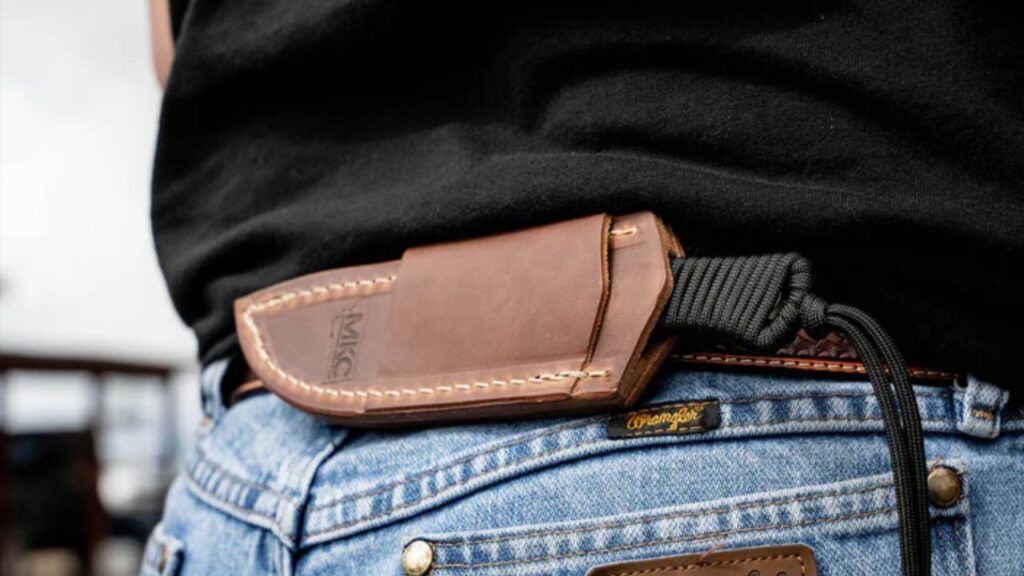
A survival knife is only as good as the sheath it rides in. If it’s loose, poorly built, or uncomfortable, you’ll end up leaving it behind—or worse, losing it when you need it.
Look for Kydex, Boltaron, or well-made leather. The sheath should retain the knife securely without fighting you on the draw. Attachment options matter, too. If it doesn’t ride comfortably on your belt, pack, or chest, you’ll stop carrying it—and that defeats the point.
Proper Size

Bigger isn’t always better. A true survival knife strikes a balance—usually between 4 and 6 inches of blade length. Anything smaller feels underpowered. Anything bigger starts turning into a machete.
A knife in this range handles carving, food prep, fire building, shelter making, and skinning. It’s long enough to baton through wrist-thick wood but short enough to control for detailed work. Oversized blades look cool but become dead weight fast when you’re covering miles.

Leo’s been tracking game and tuning gear since he could stand upright. He’s sharp, driven, and knows how to keep things running when conditions turn.


