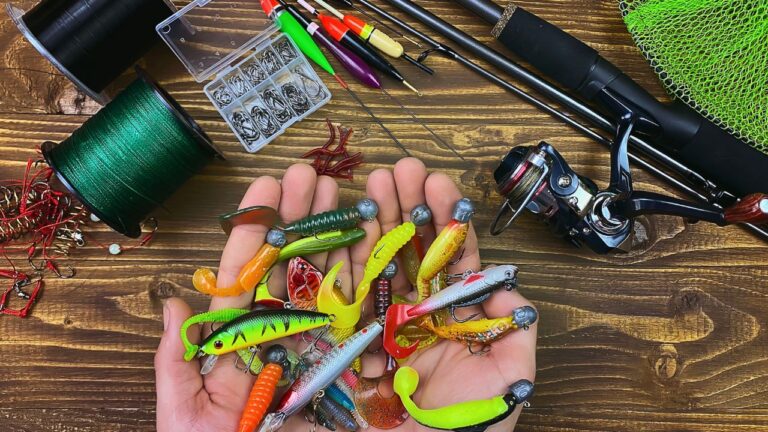
10 Fishing Mistakes That Keep You Getting Skunked
Anyone who’s been out on the water enough knows the sting of being skunked. The frustration of doing everything you think is right, only to come up empty-handed. There are a lot of factors at play when you’re fishing, and a small mistake here or there can make all the difference.
Whether you’re new to the sport or an experienced angler, these common fishing mistakes are ones that keep you from landing the fish you’re after. It’s time to put the right adjustments into place and get back to reeling them in.
Ignoring the Weather

Fishing is all about timing, and weather plays a huge role. You’ve probably heard people say, “Fish don’t bite when it’s too hot, too cold, or too windy,” and there’s some truth to that. Whether it’s the water temperature or the fish’s feeding habits, weather conditions should guide your decisions.
If you’re not paying attention to the barometric pressure or the wind direction, you might be missing out on the best fishing windows.
Fishing the Wrong Time of Day
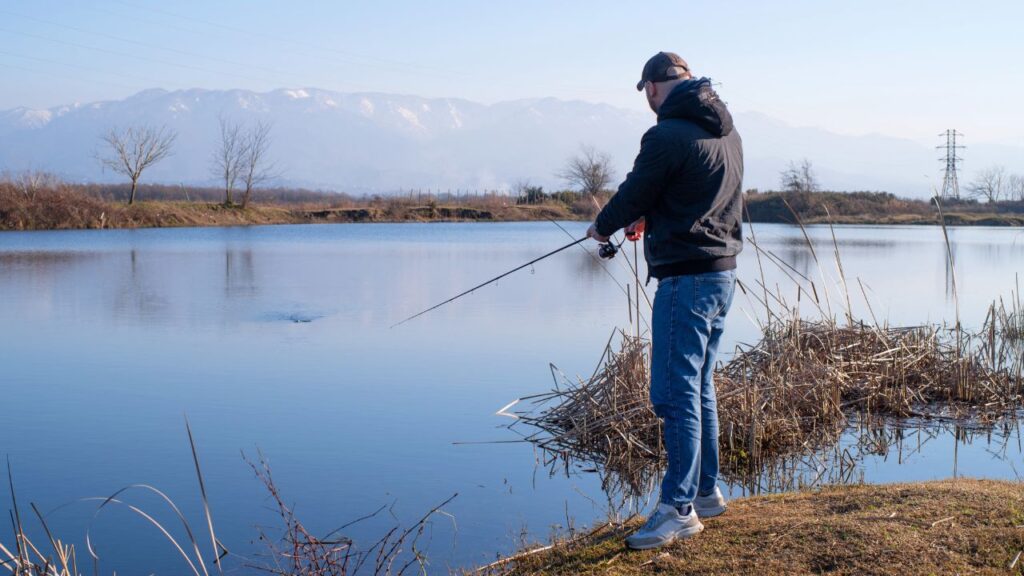
You can have all the gear in the world, but if you’re fishing at the wrong time, you’re not going to catch anything. Early mornings and late evenings are prime times for many species of fish, particularly during warmer months.
Fish are most active during these low-light periods, feeding before the heat sets in or as it starts to cool down. If you’re fishing midday, chances are the fish are lying low, waiting for better conditions.
Using the Same Lure Too Long

It’s easy to get stuck in a routine, but sticking with the same lure for hours when it’s not producing is a mistake many anglers make. Fish get conditioned to what they see, and if they aren’t biting, it’s time to switch things up.
Whether it’s a change in color, shape, or action, experimenting with different lures will help you figure out what works best for the conditions on that particular day.
Not Paying Attention to the Water Clarity

Water clarity can drastically affect how fish respond to your bait. When the water is murky, fish rely more on their sense of vibration and smell than sight, so loud or flashy lures can be more effective. In clear water, you’ll want a more subtle approach, using natural-looking baits that blend with the environment.
If you’re not adjusting to the clarity of the water, you could be missing out on the right presentation.
Fishing in the Wrong Spot

Fishing the same spot over and over, especially when you’re not seeing any action, is a mistake a lot of anglers make. Fish tend to congregate in specific areas depending on the time of day, weather, and the availability of food.
Focusing on shallow water at high noon or ignoring deeper, cooler areas during the hot months could leave you with a skunked trip. Always be ready to move around and test different spots.
Not Matching the Hatch

One of the easiest mistakes to make is not matching the hatch—meaning, you’re not offering the fish something that looks like their natural food source. If there’s a large hatch of mayflies or minnows in the area, fish will be focused on feeding on them.
If you’re using something that doesn’t resemble the local forage, you’ll have a tough time convincing fish to bite. Pay attention to what’s around and adjust your bait accordingly.
Forgetting About the Fish’s Seasonal Patterns

Fish move around based on the seasons, and ignoring their seasonal patterns is a big mistake. In the spring, fish will be closer to the shallows for spawning. In the summer, they’ll move to cooler depths.
During colder months, they’ll be more lethargic. If you’re not considering how the seasons impact fish behavior, you’re essentially setting yourself up for failure by fishing where they simply aren’t.
Overlooking the Importance of Stealth

Fish are skittish creatures, and one of the biggest mistakes you can make is not being stealthy. Splashing around or casting too close to a group of fish can send them scattering.
Approaching quietly and casting from a distance is key. A little patience and finesse can make all the difference between a day of skunking and one where your tackle box gets a workout.
Not Using the Right Gear for the Job
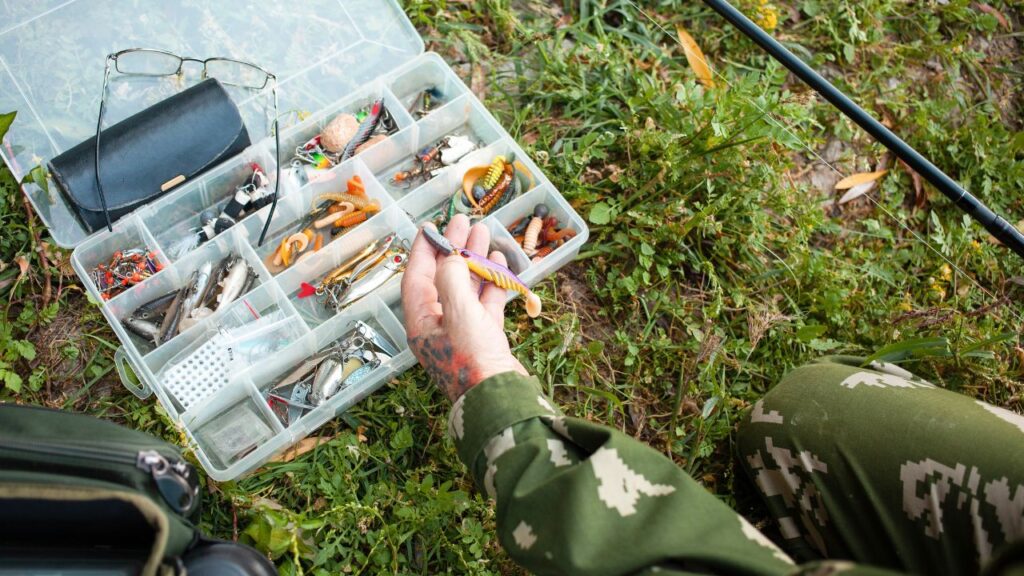
Your tackle box is only as good as the gear inside it. If you’re using the wrong rod, reel, or line for the conditions you’re fishing in, you’re making your job harder. Different species require different setups—light gear for panfish and heavier gear for big bass, for example.
Make sure your gear matches your target and adjust based on water depth and fishing technique.
Failing to Read the Water

Water can tell you a lot about what’s going on below the surface. By simply paying attention to the surface water, you can get clues about where the fish are. Ripples on the water might indicate baitfish or insects, while jumps or splashes might signal predator fish.
If you’re not reading the water correctly, you’re missing out on valuable intel that could lead you to a successful day.
Not Being Patient Enough
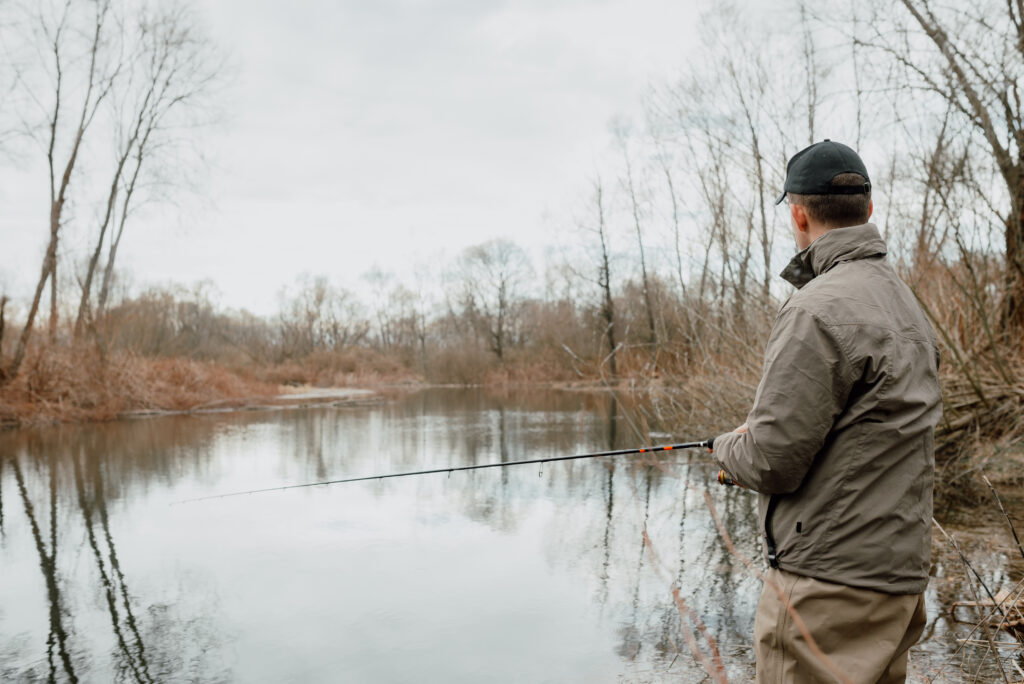
Fishing is a game of patience, and a lack of it will cost you. Rushing through casts or constantly switching locations without giving each spot a fair shot is a common mistake.
Sometimes, you have to wait it out, allowing the fish to settle into your bait. Even with the best setups and the right locations, patience is key to landing that big one.

Asher was raised in the woods and on the water, and it shows. He’s logged more hours behind a rifle and under a heavy pack than most men twice his age.