10 Habits That Cost You More Fish Than You Realize
It’s easy to blame slow days on the weather or the fish, but sometimes the problem is you. Certain habits creep into our routines over time—things we don’t even notice—that end up costing bites. Whether it’s lazy casts, bad timing, or just not paying attention, small mistakes add up. Fixing them won’t guarantee a full stringer, but it’ll sure tilt the odds in your favor. Here are ten habits that might be keeping your rod bent a lot less than it should be.
Rushing Your Cast
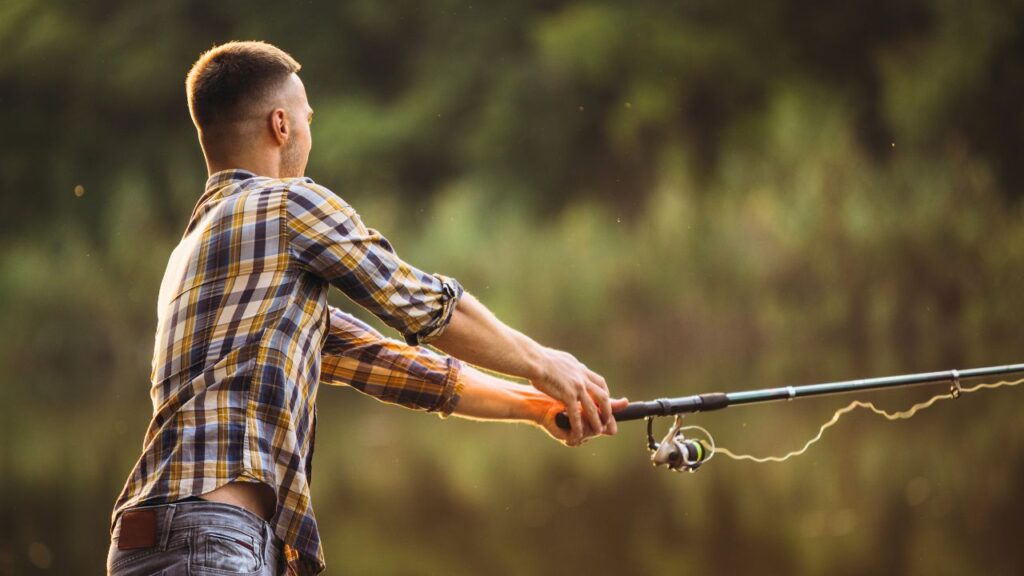
Quick casts often lead to sloppy presentations. If you’re not taking time to aim, control your line, or land your bait quietly, you’re missing fish before they even see it.
In pressured or clear water, that first cast matters. Make it count. Focus on accuracy, not just distance, and watch how much your hookup rate changes. Fish don’t respond well to chaos landing near their heads.
Skipping the Weather and Water Check

Ignoring conditions is a surefire way to waste time. Temperature, wind, and water clarity all play into what the fish are doing. If you’re not checking those, you’re fishing blind.
A quick look at the forecast and water levels can tell you a lot about how and where to fish. Some of the best bites come from adjusting your game to match the weather—not fighting it.
Using Dull Hooks
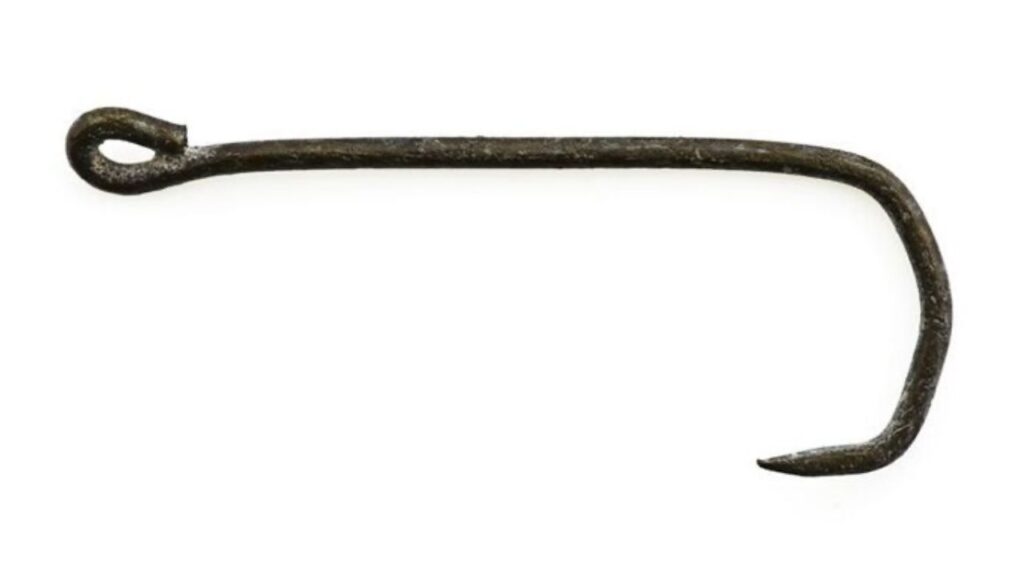
You’d be surprised how many folks tie on a hook and never check it again. If it drags across your thumbnail without scratching, it’s too dull. You’re just hoping they choke it.
Touch it up with a file or swap it out. Hooking fish cleanly makes a huge difference, especially with soft bites or short strikes. A sharp hook turns “almost” into “got ’em.”
Fishing Too Fast
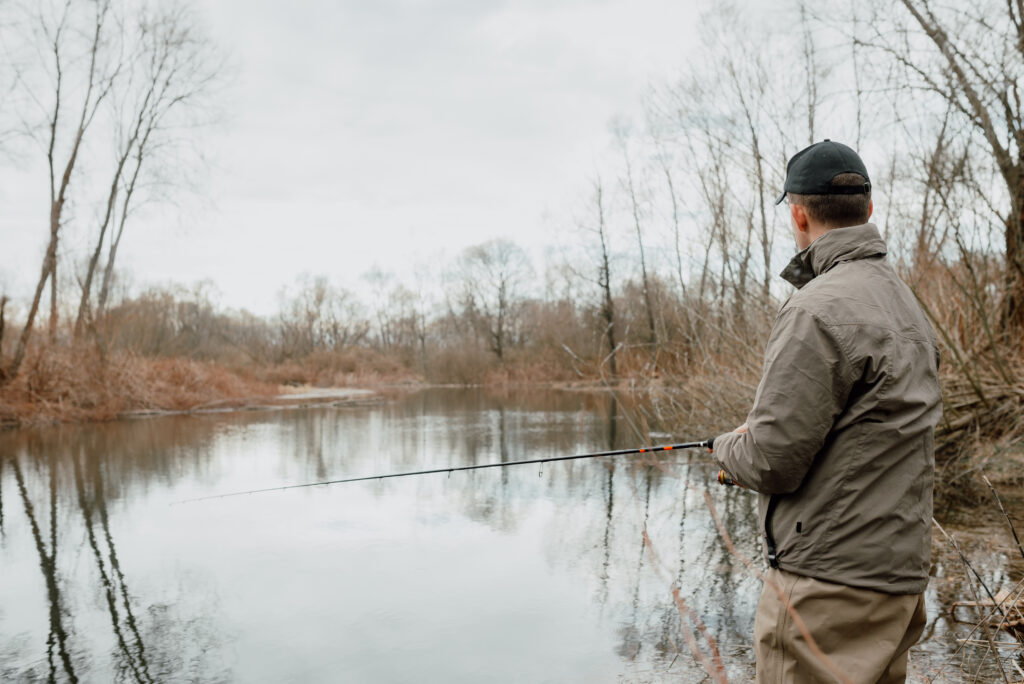
Burning through spots without giving fish time to react is a common slip. Slowing down—especially in cold water or tough conditions—can mean the difference between a skunk and a solid day.
Work your lure slower, pause longer, and give fish time to catch up. You’re trying to convince them to eat, not just chase. If you’re not getting bit, try cutting your speed in half before switching baits.
Repeating the Same Spots
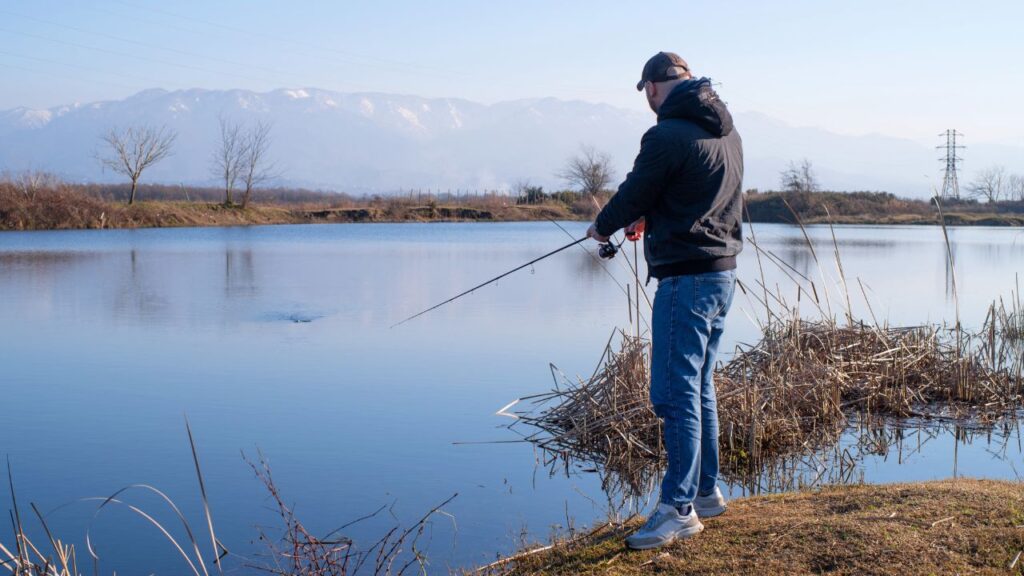
It’s easy to fish familiar water out of habit, even when it’s not producing. You tell yourself, “They were here last time,” and keep grinding it. Meanwhile, better spots go untouched.
Fish move. Conditions change. If a spot isn’t producing, don’t be afraid to switch it up. A short walk or boat ride can turn a dead day into something worth remembering.
Not Retieing Often Enough
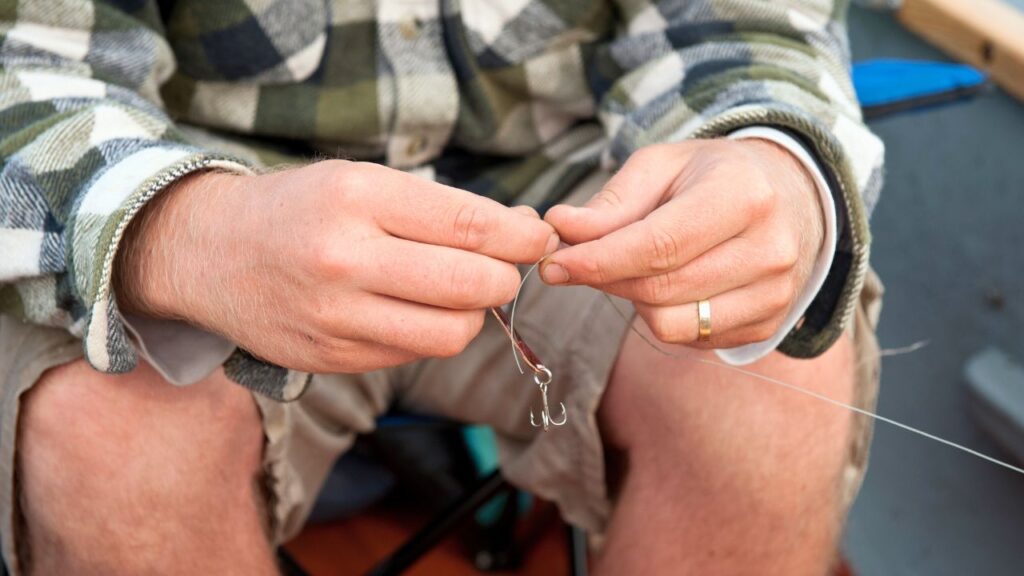
Rocks, brush, and fish all beat up your line. If you’re not checking for frays or retying after a couple fish, you’re gambling with every hookset. Eventually, you’re going to lose one that hurts.
It takes 30 seconds to tie a new knot. That’s way better than explaining the one that got away because your line snapped. If it feels rough, replace it—simple as that.
Fishing the Wrong Gear for the Situation
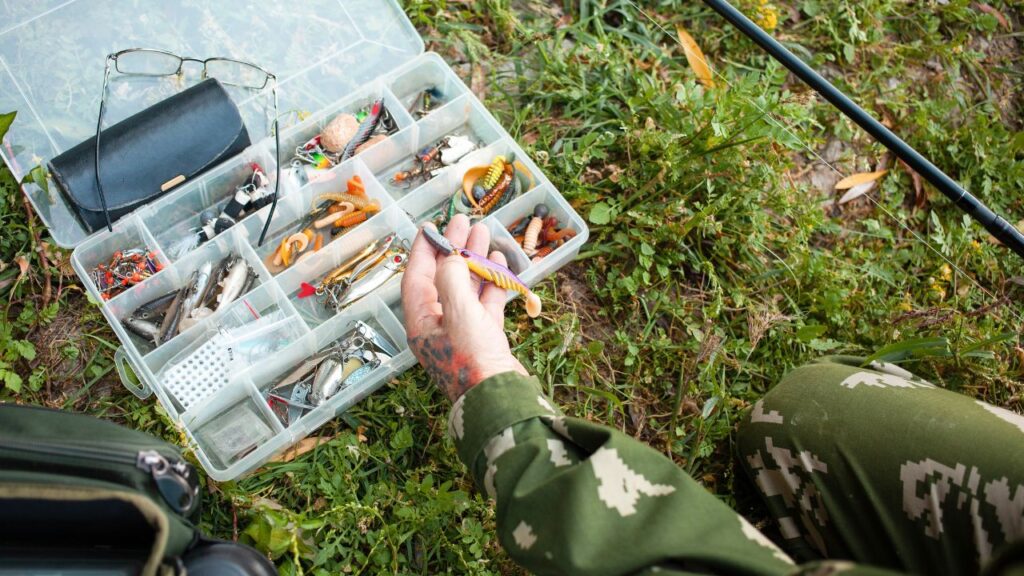
Using heavy braid in clear water, or ultralight tackle for fish that need backbone, puts you at a disadvantage. The wrong setup can spook fish or fail you when it matters most.
Match your rod, reel, and line to the target species and conditions. You don’t need a gear room’s worth of options—just enough to stay flexible and fish smart.
Ignoring the Details
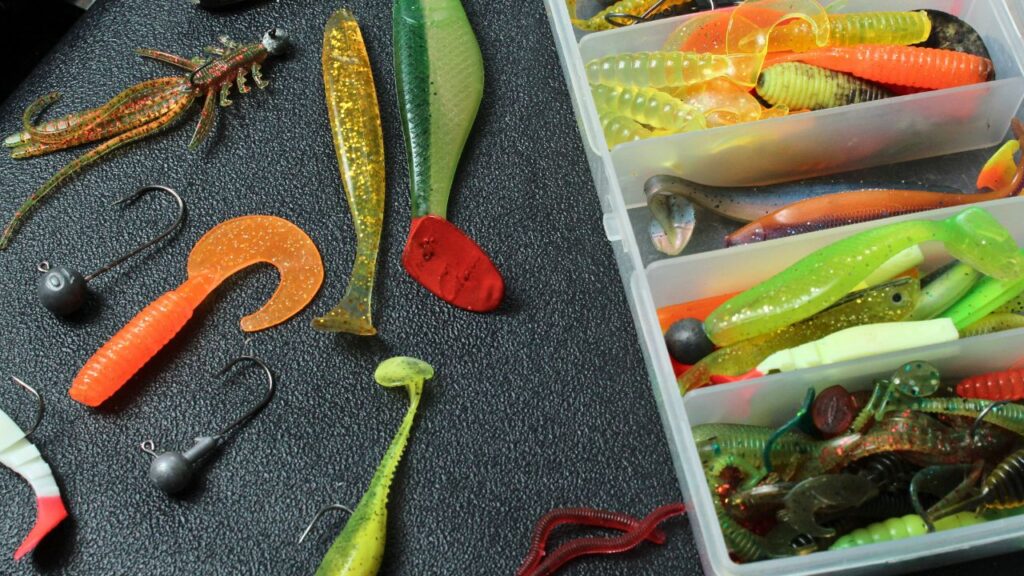
Little things—like mismatched hatch colors, noisy split rings, or even a wrong bait profile—can make or break your day. Fish aren’t always forgiving, especially when pressure’s high.
Take time to match what they’re eating, trim your soft plastics, check your knots, and keep your gear dialed in. You’ll spook fewer fish and hook more of the ones that do bite.
Not Paying Attention to Your Surroundings
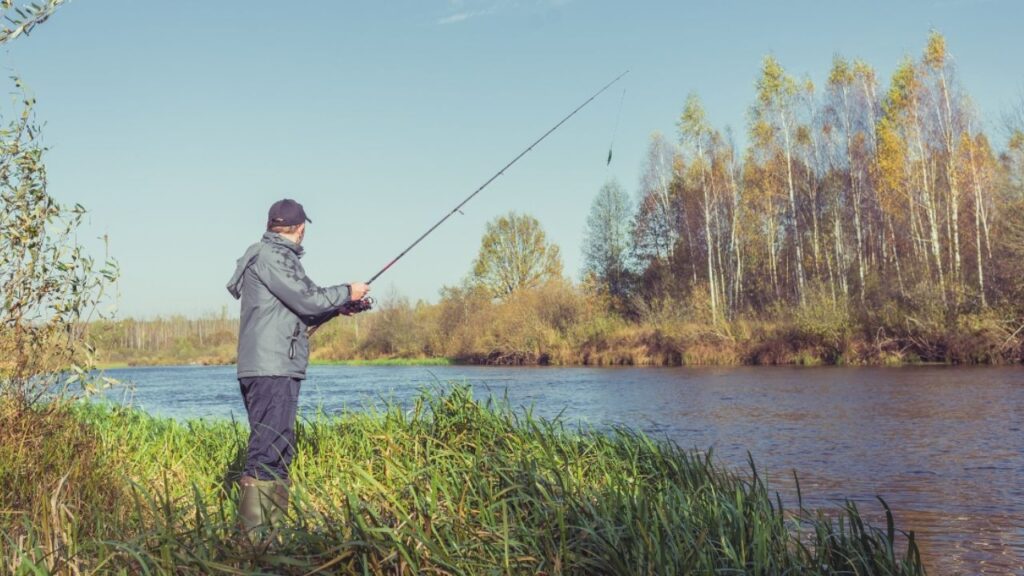
Tide changes, bird movement, baitfish behavior—all of it tells you something. If your eyes are glued to your bobber or screen, you’re missing key clues.
Watch the water. Pay attention to current, wind shifts, shadows, and structure. Every fish gives away a little info before it bites—you just have to be tuned in enough to catch it.
Giving Up Too Soon
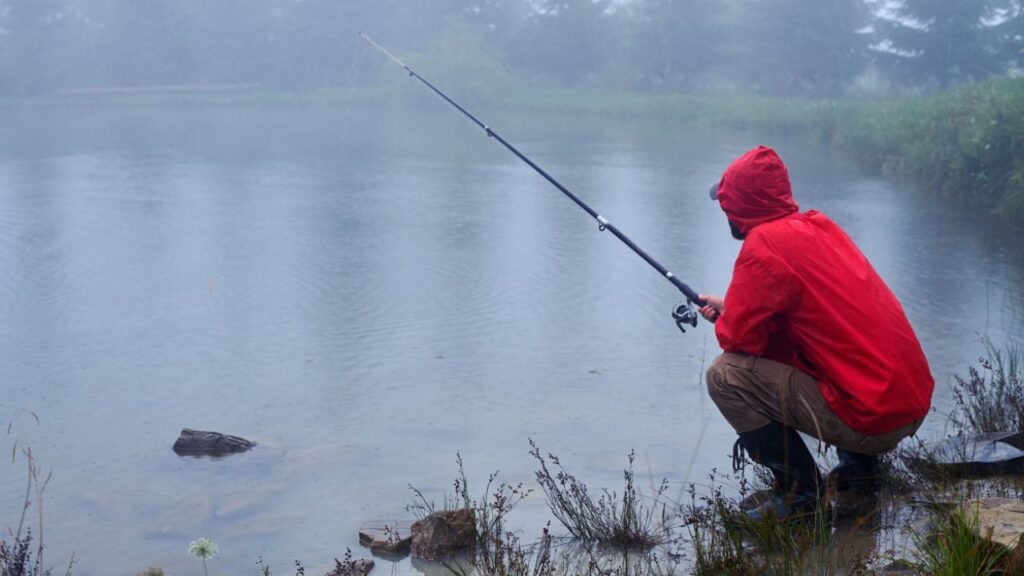
Sometimes the bite doesn’t happen right away. Packing it in early or switching spots every 15 minutes can mean missing the bite window completely. Fish don’t run on your schedule.
If you’ve done your homework and the spot feels right, give it time. Change angles, adjust depth, mix up presentations—but stay focused. Patience catches more fish than luck ever will.

Asher was raised in the woods and on the water, and it shows. He’s logged more hours behind a rifle and under a heavy pack than most men twice his age.