11 Countries Where American Tourists Are Not Welcome
American passports still open doors in much of the world, but the welcome mat is far from universal. Geopolitics, security concerns, and cultural friction have combined to make certain destinations markedly less friendly to visitors from the United States. In some places, the barriers are written into law; in others, they appear as bureaucratic hurdles, intense scrutiny, or open hostility on the street.
Knowing where and why Americans face resistance abroad helps travelers make safer choices and avoid misreading local sentiment. It also shows how foreign policy, domestic politics, and tourism intersect in ways that can shape an entire trip long before a boarding pass is printed.
What happened
Over the past decade, a cluster of countries has either formally restricted American visitors or developed reputations as places where U.S. citizens feel singled out, harassed, or unwelcome. Some of this stems from long-running diplomatic disputes, while other tensions intensified after high-profile events such as U.S. military interventions, sanctions, or controversial immigration policies.
Travel advisories and on-the-ground reports point to a pattern that goes beyond the usual list of war zones and failed states. Destinations that once drew adventurous American backpackers, business travelers, or cruise passengers now present a mix of legal barriers and social friction that many find daunting. Those patterns are reflected in guidance that highlights countries where Americans may face challenges or feel less welcome as tourists, including several popular or historically significant destinations in the Middle East, Asia, and Latin America that appear on lists of difficult places for U.S. visitors.
Debates inside the United States over border controls, immigration enforcement, and the treatment of foreign nationals have also influenced how other countries view American travelers. Policies associated with Donald Trump, including aggressive rhetoric about migration and the expansion of Immigration and Customs Enforcement operations, shaped how potential visitors perceive the U.S. and how some foreign governments and communities respond to Americans abroad. Concerns about visa crackdowns, detentions, and deportations have been widely reported in coverage of U.S. holidaysand cross-border travel.
Against that backdrop, the following 11 countries illustrate the range of barriers American tourists can encounter, from outright bans to chilly street-level encounters.
1. North Korea
North Korea is the clearest case where American tourists are not simply unwelcome but legally barred from visiting. The United States government restricts the use of U.S. passports for travel to the Democratic People’s Republic of Korea, citing serious risk of arrest and long-term detention. That policy followed several high-profile detentions of U.S. citizens and the death of student Otto Warmbier after his release from North Korean custody.
Even before the U.S. travel restriction, North Korea tightly controlled tourism and treated Americans with particular suspicion. Visitors were confined to state-approved itineraries, constantly monitored by guides, and warned that any perceived insult to the regime could result in severe punishment. The combination of U.S. policy, North Korean law, and the absence of normal diplomatic relations makes leisure travel effectively impossible for Americans, and any attempt to circumvent the rules carries extreme risk.
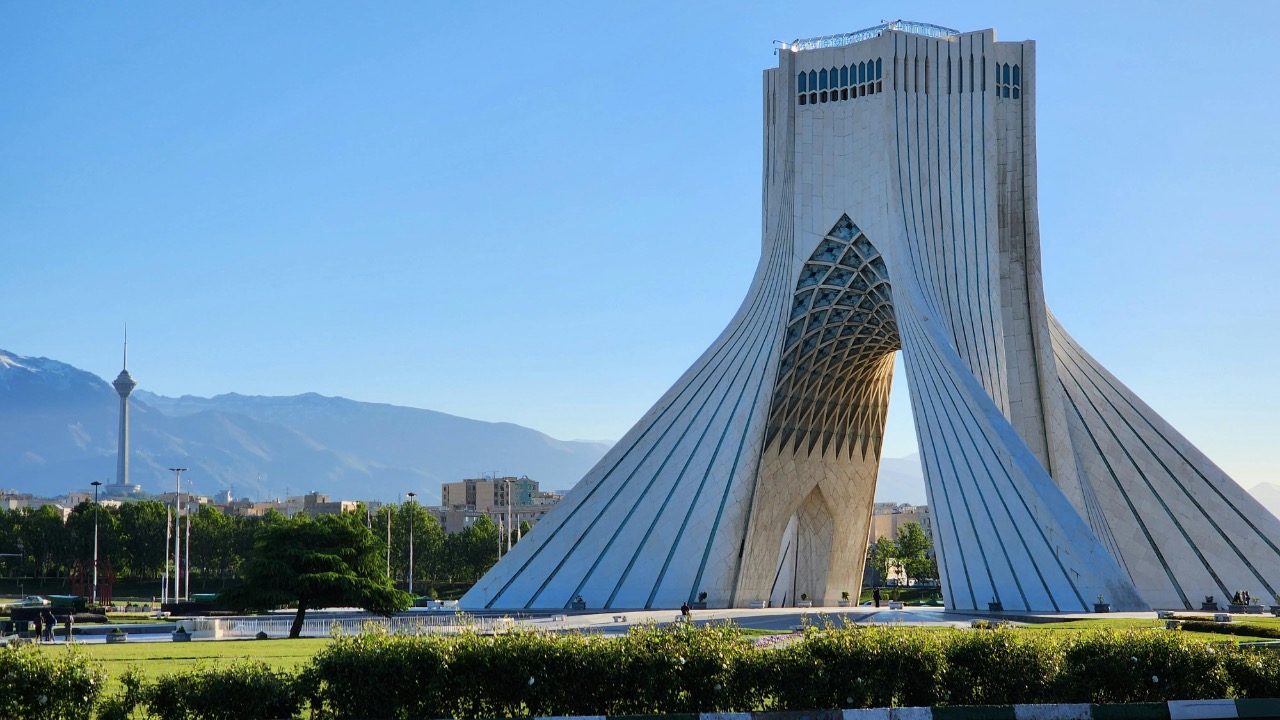
2. Iran
Iran permits some American visitors, but the structure around that access leaves many travelers feeling unwelcome. U.S. citizens must obtain visas in advance, cannot travel independently, and are required to join organized tours with government-approved guides. The process involves detailed scrutiny of personal backgrounds and itineraries, and approvals can be delayed or denied without explanation.
Decades of tension between Washington and Tehran shape how Americans are perceived on the ground. Iranian authorities have detained dual nationals and foreign visitors on security-related charges, a pattern that makes many U.S. travelers wary. While Iranians themselves often distinguish between American people and American policy, the formal rules signal that the state views U.S. tourists as potential risks rather than valued guests.
3. Syria
Syria’s ongoing civil conflict and the presence of armed groups have turned what was once a celebrated cultural destination into one of the most dangerous places in the world for visitors. The U.S. government strongly warns against all travel, citing threats from terrorism, kidnapping, and active military operations. American citizens who enter regime-held areas risk detention by security services, while those who venture into zones controlled by other factions face their own set of dangers.
Syrian authorities have historically linked American visitors with U.S. policy in the region, which includes military action and sanctions. That association, combined with the breakdown of normal consular support, leaves little space for safe tourism. For most Americans, any trip to Syria would be less a vacation than a calculated gamble with personal safety and legal exposure.
4. Yemen
Yemen is another country where conflict, rather than a specific anti-American law, has created an environment that is deeply hostile to U.S. tourists. A multi-sided war, foreign military intervention, and the presence of groups that openly target Westerners make the risk profile extreme. The U.S. government has evacuated embassy staff in the past and warns citizens not to travel there under any circumstances.
In parts of Yemen, Westerners are seen as potential bargaining chips for ransom or political leverage. The collapse of basic services, including healthcare and infrastructure, compounds the security risks. While Yemen’s historic cities and coastal areas once drew adventurous travelers, the current reality is that Americans who attempt to visit as tourists are likely to be viewed as intruders or targets rather than guests.
5. Iraq
Iraq has pockets of relative stability, particularly in the Kurdistan Region, but large parts of the country remain volatile. American visitors carry the legacy of the U.S.-led invasion and years of military occupation, which still shape local politics and public opinion. Militias and extremist groups have a record of targeting U.S. nationals, and the security situation can shift quickly.
Although some tour operators advertise trips to historic sites and religious landmarks, Americans who enter Iraq face a complex web of checkpoints, armed groups, and competing authorities. The risk of kidnapping, rocket attacks, or being caught in clashes is significantly higher than in most destinations. For many Iraqis, the presence of American tourists is inseparable from broader grievances about U.S. policy, which can translate into open hostility in certain areas.
6. Afghanistan
Since the Taliban returned to power, Afghanistan has become effectively closed to mainstream American tourism. The U.S. government warns that citizens who travel there may face detention, interrogation, or worse, and that consular assistance is extremely limited. The Taliban’s position on Western visitors is shaped by decades of conflict with the United States and its allies.
Even in areas that are relatively calm, Americans attract attention as symbols of a former occupying power. Basic tourism infrastructure has deteriorated, and foreign visitors are often escorted or monitored. The risks are not only political but also practical, from limited medical facilities to unpredictable security operations. For U.S. travelers, Afghanistan now functions less as an offbeat destination and more as a place where their presence is inherently suspect.
7. Libya
Libya remains fractured between rival governments and armed factions, with periodic fighting in and around major cities. American citizens have been advised against travel for years, and the U.S. embassy in Tripoli suspended operations because of security concerns. Extremist groups operate in several regions, and past attacks on diplomatic facilities highlight the dangers for Westerners.
In this environment, foreign tourists are rare, and Americans in particular may be seen through the lens of Libya’s conflict with NATO and subsequent political turmoil. The lack of a unified security apparatus means that even well-connected local guides cannot guarantee safety. Travelers who attempt to visit archaeological sites or coastal areas risk becoming entangled in local power struggles or criminal activity.
8. Russia
Russia still issues visas to American visitors, but the political climate has grown increasingly hostile. Tensions over Ukraine, sanctions, and espionage allegations have led to a sharp deterioration in relations between Washington and Moscow. Russian authorities have detained U.S. citizens on charges that American officials describe as politically motivated, including accusations of spying and drug offenses.
Tourists who enter Russia face tight surveillance, potential questioning by security services, and heightened scrutiny at borders and airports. The risk is particularly acute for Americans who work in journalism, civil society, or technology, but ordinary travelers are not immune. Anti-American rhetoric in state media influences how some Russians view U.S. visitors, which can translate into suspicion or confrontations, especially around sensitive topics.
9. Cuba
Cuba sits in a more ambiguous category. Cubans often treat individual Americans warmly, but the legal framework surrounding U.S. travel is restrictive and politically charged. Washington limits tourist travel to specific categories such as family visits, educational programs, or cultural exchanges, and those rules have shifted as different administrations adjust policy.
On the Cuban side, the government monitors foreign visitors closely, especially those from the United States, and maintains a security apparatus that tracks contact with dissidents or independent activists. While Americans can and do visit, they must navigate a maze of regulations, both U.S. and Cuban, that can make the experience feel constrained and precarious. The island’s history of confrontation with Washington means that U.S. tourists are never just anonymous beachgoers.
10. Venezuela
Venezuela’s political and economic crisis has transformed it from an oil-rich magnet for business travelers into a high-risk destination for Americans. Diplomatic ties with the United States are strained, consular services are limited, and the government of Nicolás Maduro has accused Washington of plotting coups and economic sabotage. That rhetoric colors how authorities and some citizens perceive U.S. visitors.
Crime rates in major cities such as Caracas are high, with kidnappings and armed robberies a persistent threat. American passports can attract unwanted attention, both from criminals who assume access to money and from security forces that view U.S. citizens through a political lens. Travel infrastructure has deteriorated, and power outages, fuel shortages, and limited medical supplies add layers of risk that go far beyond the usual concerns of a tropical holiday.
11. Saudi Arabia
Saudi Arabia has invested heavily in tourism, promoting projects such as NEOM and opening up historic sites that were once off limits. Yet Americans who visit still encounter a mix of cultural restrictions and political sensitivities that can make the welcome feel conditional. Strict laws on speech, dress, and behavior apply to all foreigners, but U.S. citizens are often more visible and more closely watched.
Relations between Washington and Riyadh have weathered strains over human rights, the killing of Jamal Khashoggi, and the war in Yemen. These issues influence how some Saudis view the presence of American travelers, particularly those who voice political opinions or challenge local norms. While many visitors report smooth experiences, others describe intense questioning at airports, monitoring of social media, and a sense that any misstep could escalate quickly.
Why it matters
For American travelers, the list of countries where they are not welcome is more than a curiosity. It has direct implications for personal safety, legal exposure, and the broader experience of being abroad. In places where U.S. citizens face detention, kidnapping, or political show trials, a single wrong turn can trigger consequences that no travel insurance policy can fix.

Leo’s been tracking game and tuning gear since he could stand upright. He’s sharp, driven, and knows how to keep things running when conditions turn.