15 Working dog breeds trusted in dangerous situations
When lives are on the line, you do not reach for an untested dog. You look to breeds that have proved they can think under pressure, work through chaos, and stay steady around real danger. The 15 breeds here show up again and again in rankings for intelligence, search and rescue work, and even “dangerous” lists, which, in my experience, usually means they are powerful tools that demand serious training and respect.
1. German Shepherd – High intelligence ranking makes it ideal for police and military tasks in high-risk environments, as supported by its #3 spot among the 18 smartest dog breeds.
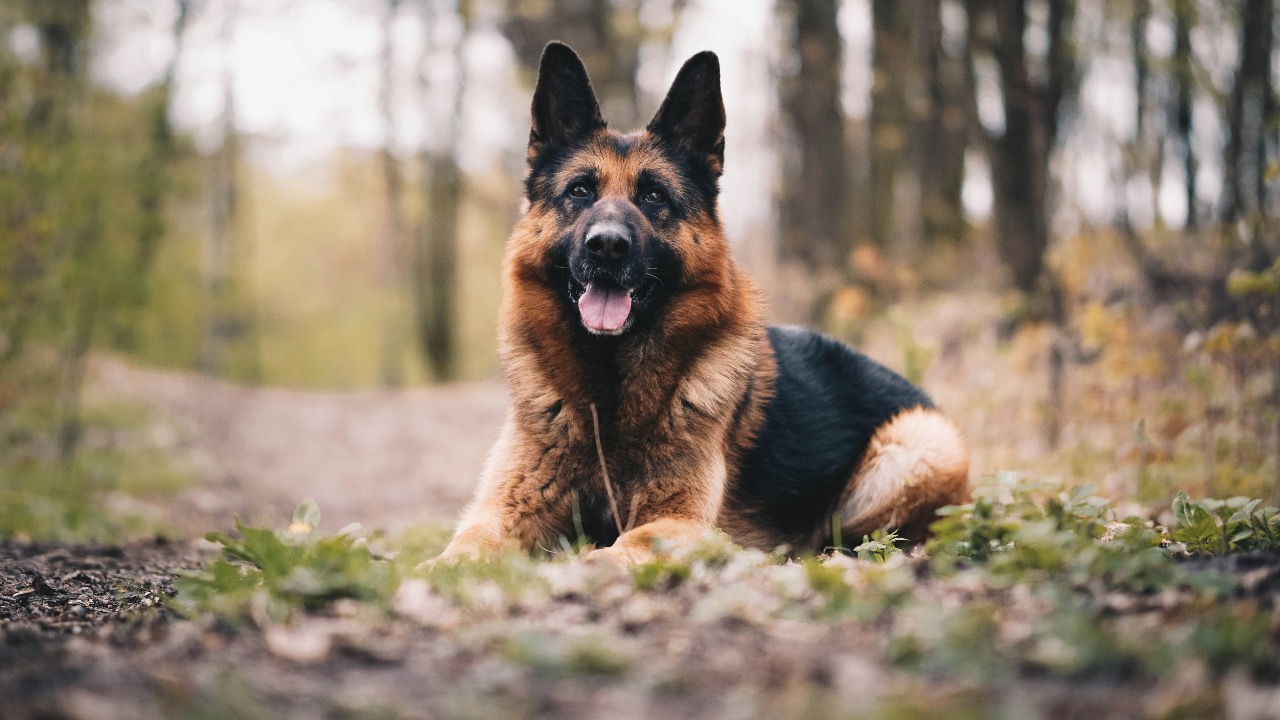
The German Shepherd sits at #3 on a major list of the smartest breeds, which tracks closely with what handlers see in the field. That kind of ranking reflects problem solving, trainability, and the ability to read complex cues, all of which matter when a dog is clearing buildings or tracking suspects in the dark. Coren’s work on the “63” brightest breeds, built on a large survey of trainers and the American and Canadian Kennel Clubs, backs up that reputation.
Because of that mix of brains and biddability, German Shepherds dominate police K‑9 units, military patrols, and high-risk security details. In those jobs, a dog may have to switch from aggression to control in a heartbeat, or ignore gunfire while following a scent. For departments and handlers, the stakes are simple: a dog that misreads a situation can get people hurt, while a well-trained Shepherd can end a dangerous encounter without a shot fired.
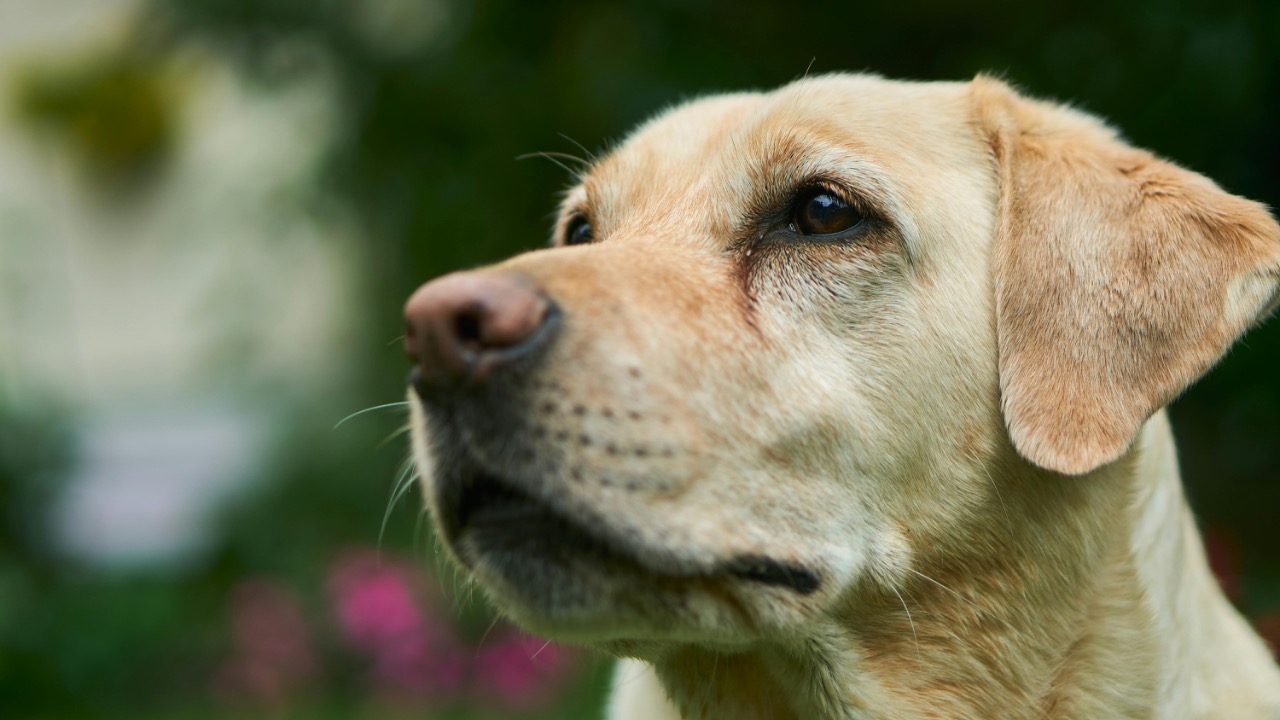
2. Labrador Retriever – Versatile in detection and rescue amid hazards, backed by its #7 smartest ranking and long-term role in search & rescue missions.
The Labrador Retriever holds the #7 slot among the same group of smartest dogs, and it also shows up among nine breeds that have been essential in search and rescue for decades. That combination of intelligence and nose power is why you see Labs working explosives lines at airports, running narcotics detection in vehicles, and sweeping disaster rubble for survivors. They learn scent patterns quickly and can work for long stretches without losing focus.
In dangerous environments, their even temperament is as valuable as their brains. A Lab is far less likely to overreact around crowds, sirens, or panicked survivors, which lowers liability for agencies and makes them easier to deploy in public spaces. Their history in water rescue and avalanche work also gives teams a reliable option when conditions are cold, wet, and miserable, but the mission cannot wait.
3. Golden Retriever – Reliable for locating survivors in disaster zones, drawing from its #4 smartest position and essential search & rescue history.
The Golden Retriever ranks #4 among the top intelligent breeds, and it appears alongside Labs in the list of nine dogs that have anchored search and rescue work for years. That high placement reflects a dog that not only learns commands fast but also generalizes them in new, chaotic settings, like collapsed buildings or flooded neighborhoods. Handlers count on Goldens to work off-leash at distance while still checking back and adjusting to hand signals.
Goldens also bring a calm, people-friendly presence into scenes that are already emotionally charged. When you are pulling survivors from debris or searching a school after a storm, a dog that looks nonthreatening but works like a machine is a huge asset. For emergency managers, that means one breed can handle both the technical search and the human contact that follows, which simplifies training pipelines and deployment plans.
4. Border Collie – Excels in herding and tracking through perilous terrain, due to topping the 18 smartest dog breeds and inclusion in decades-long search & rescue efforts.
The Border Collie sits at #1 on the list of top canine Intelligence, and other reporting on Border Collies notes how quickly they learn and respond to cues. The Border collie dog breed is considered the smartest dog according to the rankings of Stanley Coren’s Intelligence work, which lines up with what ranchers and SAR teams see daily. Sometimes that sharpness can be a handful in a pet home, but in the field it is exactly what you want.
These dogs also appear among nine breeds that have been central to search and rescue for decades, especially in rough country. A Border Collie can scramble scree slopes, work narrow ridgelines, and push through brush where a heavier dog would struggle. For herders, that means better control of stock in dangerous terrain; for SAR coordinators, it means a dog that can grid-search mountainsides and still have gas left when the helicopter lifts out.
5. Doberman Pinscher – Trusted for protection in volatile security scenarios, leveraging its #5 smartest breed status, search & rescue contributions, despite aggression listings, with science showing breeds aren’t to blame.
The Doberman Pinscher lands at #5 among the smartest dogs and is also named among nine breeds that have long supported search and rescue work. At the same time, it appears on a top 10 list of the most aggressive breeds, which reflects its drive and protective instincts more than any built-in “badness.” Those traits, when channeled, make Dobermans excellent perimeter dogs and personal protection partners in volatile environments.
One analysis of dog attacks argues that it is wrong to blame breeds alone, pointing instead to training, socialization, and owner behavior. That matches what I have seen with Dobermans: in the hands of a serious handler, they can track missing people, guard high-risk sites, and work crowd security without unnecessary bites. For agencies, the key is screening for stable temperaments and investing in ongoing training so that power is under control.
6. Rottweiler – Strong in guard duties during threats, informed by its #9 smartest ranking and presence among 15 dangerous breeds in 2024, yet debate highlights training over breed.
The Rottweiler holds the #9 position among the recognized Smartest Dog Breeds, which means it learns complex routines and protection patterns quickly. It also shows up among the 15 most dangerous dog breeds in 2024, a label that usually tracks with size, bite strength, and incident reports. In real-world terms, that means a Rottweiler can be a serious liability in untrained hands, but a powerful asset when properly managed.
The broader dangerous dog debate points out that focusing on breed alone misses key factors like owner responsibility and environment. For security contractors and rural landowners, that perspective matters. A well-bred, well-socialized Rottweiler can guard equipment yards, livestock, or family homes against real threats, but it demands structure, clear rules, and handlers who understand what they are working with.
7. Belgian Tervuren – Agile in patrol and pursuit roles under danger, rooted in its #14 spot among the 18 smartest dog breeds.
The Belgian Tervuren sits at #14 among the top smartest dog breeds, and another source notes that “Another herding dog, the distinguished Belgian Tervuren is a one of the most intelligent dog breeds with a strong work drive.” That combination of brains and intensity is why Belgian Tervurens work hard and play hard, and why they need a lot of exercise and activity every single day to stay balanced.
In dangerous roles, that drive translates into tireless patrol work, fast pursuits, and sharp perimeter awareness. A Belgian Tervuren will do best with a job, whether that is police patrol, detection, or serious sport work. For handlers, the upside is a dog that can run long shifts and still stay mentally engaged; the downside is that without structure, that same energy can turn into anxiety or misdirected aggression.
8. Collie – Effective for guiding through risky wilderness searches, based on its #16 smartest dog breed ranking.
The classic Collie holds the #16 slot among the recognized 63 brightest breeds, a list built from a survey of dog owners and input from the American and Canadian Kennel Clubs. That ranking reflects a dog that learns quickly but also shows strong instinctive intelligence, especially around stock and people. Historically, Collies guided flocks across rough country and kept watch over children, which required independent decision making.
Those same traits carry over into wilderness search work and backcountry guiding. A Collie can range ahead on a trail, alert to hazards, and still check back often, which is exactly what you want when moving inexperienced hikers through sketchy terrain. For SAR teams that work around families and nervous bystanders, the Collie’s softer appearance can also reduce public tension while the dog quietly does serious work.
9. Australian Cattle Dog – Durable for controlling livestock in harsh, unpredictable conditions, per its #10 position in the 18 smartest dog breeds.
The Australian Cattle Dog is ranked #10 among the 18 Smartest Dog, and one discussion of Australian Cattle Dog intelligence lists it alongside Border, Poodle German, and other top performers. That puts it firmly in the “thinking worker” category, not just a biddable pet. On big ranches, these dogs are expected to move stubborn cattle, often miles from help, in heat, dust, and unpredictable weather.
In those conditions, an Australian Cattle Dog has to read stock, anticipate kicks, and sometimes take a hit without quitting. That toughness makes them useful for search work in scrub, desert, or burned-over timber where footing is bad and temperatures swing hard. For handlers, the challenge is channeling that grit; without enough work, these dogs can become destructive, but with a job, they are nearly tireless partners.
10. Bloodhound – Unmatched for scent tracking in disaster aftermaths, as one of nine breeds essential in search & rescue for decades.
The Bloodhound appears among nine breeds that have been essential in search and rescue missions for decades, and that is no surprise to anyone who has followed a trailing dog through the woods. Their scenting ability is legendary, with long ears and loose skin that help funnel odor toward the nose. In missing-person cases, a Bloodhound can follow a track that is hours or even days old, across pavement, creeks, and crowded areas.
In disaster zones or crime scenes, that nose can be the difference between finding someone alive or not finding them at all. Bloodhounds are not fast in the way a Malinois is fast, but they are relentless, and they tend to ignore distractions once locked on a trail. For law enforcement and SAR teams, that reliability under pressure makes them worth the extra care and transport space they require.
11. Saint Bernard – Vital for alpine rescues in extreme weather perils, included among nine key search & rescue breeds over decades.
The Saint Bernard is listed among nine breeds that have anchored life-saving work in crisis situations, especially in alpine rescue. Historically, these dogs patrolled snowy passes, locating travelers buried in drifts or trapped in storms. Their massive build, dense coat, and strong sense of direction made them natural choices for monasteries and mountain outposts that had to send help in brutal conditions.
Modern mountain rescue relies more on helicopters and beacons, but Saint Bernards still matter in deep snow and avalanche-prone areas where machines cannot safely go. Their size lets them break trail and carry gear, while their nose helps locate people under snow or debris. For teams working in high-altitude danger zones, a Saint Bernard is both a working asset and a morale booster when the weather turns ugly.
12. Newfoundland – Excels in water-based extractions from hazardous currents, listed as essential in nine search & rescue breeds for decades.
The Newfoundland also appears among nine breeds that have been central to life-saving roles for decades, particularly in water rescue. Their webbed feet, thick double coat, and powerful build let them swim through cold, rough water that would overwhelm most dogs. Historically, Newfoundlands hauled nets, ferried lines to ships, and pulled people from the sea when boats capsized close to shore.
In modern terms, they are still used by some coastal rescue units and lake patrols to reach struggling swimmers or boaters in heavy chop. A Newfoundland can tow a person or small craft through strong currents while staying calm, which reduces panic and keeps rescues controlled. For agencies that work around cold water, investing in a trained Newfoundland team can extend their reach when conditions ground small boats.
13. Belgian Malinois – Deployed in tactical operations like bomb detection in conflict zones, per its role in nine decades-long search & rescue breeds.
The Belgian Malinois is named among nine breeds that have been essential in search and rescue for decades, and it has become the go-to dog for many military and police tactical units. Lean, fast, and intensely driven, Malinois excel at bomb detection, high-risk apprehension, and airborne insertions into conflict zones. Their smaller frame compared with a big Shepherd makes them easier to lift, carry, and deploy from helicopters or tight vehicles.
That same intensity can be a liability in casual homes, but in the hands of a professional handler it is pure capability. A Malinois can clear a building, search vehicles for explosives, then switch to tracking a fleeing suspect across rough ground. For special operations teams, that versatility in dangerous environments is why they keep choosing this breed despite the training time required.
14. Boxer – Dependable for crowd control and protection in unstable settings, despite 2024 dangerous breed listing and aggression discussions, with evidence that blaming breeds is scientifically flawed.
The Boxer appears among the 15 most dangerous dog breeds in 2024 on one dangerous breed list, and it is also included in a rundown of the 20 most aggressive dog breeds that discusses dogs most likely to bite. Another analysis of aggressive breeds notes that labels like “dangerous” often reflect poor training and management more than genetics alone. In practice, Boxers are powerful, athletic dogs with strong guarding instincts.
Those traits have made them useful for crowd control, patrol work, and property protection in unstable settings where a visible deterrent matters. A well-trained Boxer can stand firm in front of a noisy crowd without panicking, then move decisively on command if a threat breaks through. For owners and agencies, the key is early socialization and clear structure so that energy and strength are pointed at real dangers, not everyday life.
15. Bullmastiff – Trusted for estate guarding against intruders in remote areas, as featured among the 15 most dangerous dog breeds in 2024, but debate stresses individual training.
The Bullmastiff is featured among the 15 most dangerous dog breeds in 2024 on a widely cited aggressive list, largely because of its size, bite potential, and traditional role as a gamekeeper’s night dog. Historically, Bullmastiffs were bred to track and pin poachers on large estates, often in remote areas where backup was far away. That history shows in their natural suspicion of strangers and willingness to stand their ground.
At the same time, the broader debate on dangerous stresses that individual training and environment shape outcomes more than breed labels. In the right hands, a Bullmastiff can quietly guard rural properties, construction sites, or remote cabins without unnecessary aggression. For anyone considering this breed for serious protection work, the stakes are high: you must commit to professional guidance, or you risk turning a valuable guardian into a liability.

Asher was raised in the woods and on the water, and it shows. He’s logged more hours behind a rifle and under a heavy pack than most men twice his age.