5 Little-Known Horse Breeds Native to the United States
You spend enough time around horses and you start to realize most folks only know the headline breeds—Quarter Horses, Thoroughbreds, Arabians. But the U.S. has produced a handful of lesser-known breeds that came out of working landscapes, ranch country, and practical breeding decisions rather than show rings or marketing.
These horses weren’t designed for attention. They were shaped by terrain, labor, and the needs of the people who relied on them. Some are still around in small numbers, quietly doing their jobs. Others are hanging on through dedicated breeders trying to keep the lines alive. Here are five American-born breeds that don’t get talked about nearly enough.
Nokota Horse
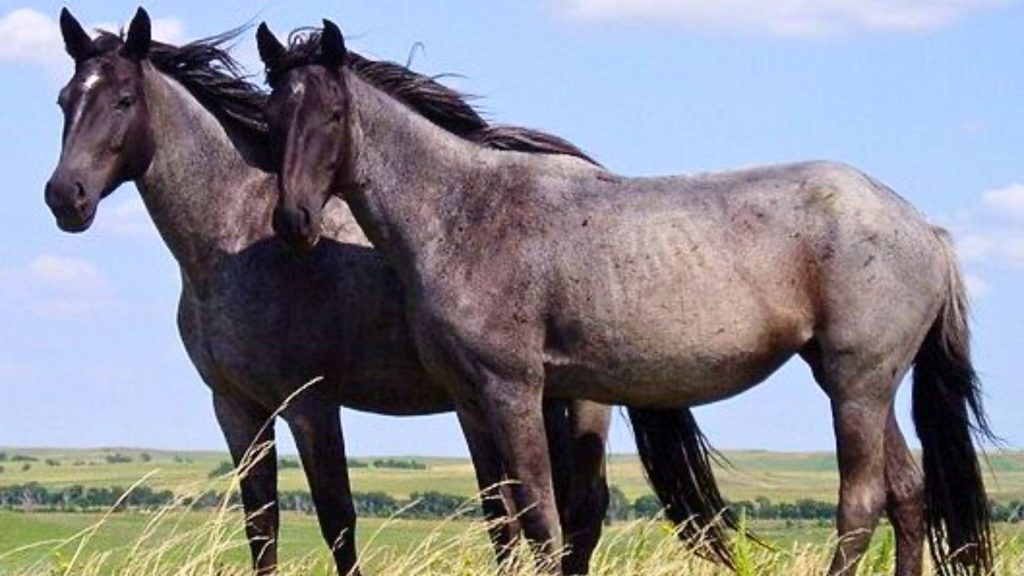
The Nokota traces back to the badlands of North Dakota, where ranch horses from the late 1800s and early 1900s mixed with feral herds that developed on their own. Over time, that isolation shaped a horse with stamina, hard feet, and a natural toughness for rough country.
You won’t see large numbers of them today. Preservation efforts have kept the breed going, but they remain uncommon outside of dedicated programs. Physically, they tend to be lean, alert, and built for distance more than brute strength. They carry a look that still reflects their mixed ranch and feral roots, even after generations of careful breeding.
American Cream Draft
The American Cream Draft is one of the few draft breeds developed in the United States, and it stands out right away with its light cream coat and amber eyes. It traces back to Iowa in the early 1900s, starting from a foundation mare known as Old Granny.
These horses were built for farm work before machinery took over. They’re calm, steady, and strong without being as heavy as some European draft lines. Today, they’re rare, with only a small registered population. You’ll mostly find them in breeding programs or pulling wagons at demonstrations rather than doing daily fieldwork.
Choctaw Horse
The Choctaw Horse comes from the southeastern United States and is tied closely to the history of the Choctaw Nation. Spanish horses brought to the Americas blended with Native-managed herds over generations, forming a small but resilient type.
They’re typically compact, sure-footed, and built for travel through rough, wooded terrain. For a long stretch of history, they were nearly lost as populations declined and land use changed. Conservation efforts have brought them back from the edge, but they remain uncommon. When you see one, you’re looking at a direct link to early American and Indigenous horse history.
Banker Horse
The Banker Horse lives along the barrier islands of North Carolina and is one of the most recognizable feral horse populations in the country. Despite living wild today, they descend from domesticated Spanish-type horses brought over centuries ago.
Life on the islands shaped them into smaller, efficient animals that can survive on limited forage and harsh coastal conditions. Storms, heat, and isolation all played a role in how they developed. They’re protected now, but still roam freely in managed herds. You won’t find many horses in the U.S. with a history as tied to coastal survival as this one.
Marsh Tacky Horse
The Marsh Tacky comes out of South Carolina’s Lowcountry and has roots going back to Spanish colonial horses. Built for swampy terrain, heat, and long days of work, they became the go-to horse for settlers and farmers in the region.
They’re smaller than many modern riding horses, but what they lack in size they make up for in endurance and sure footing in soft ground. For years, their numbers dropped sharply, but dedicated preservation groups have kept them going. Today, they’re still used for trail riding and endurance events, especially in coastal areas where their footing really shows.
Florida Cracker Horse
The Florida Cracker Horse developed from Spanish stock brought into the Southeast and adapted to Florida’s heat, wetlands, and open range cattle work. The name comes from the “cracker” cowboys who worked cattle on horseback using traditional methods.
These horses are typically light, quick, and built for maneuvering in tight or swampy terrain. They played a key role in early Florida ranching before modern breeds took over. At one point, their numbers dropped to dangerously low levels, but preservation breeding programs helped bring them back. Today, they’re still used on some working ranches and in cultural demonstrations tied to Florida’s ranching history.

Asher was raised in the woods and on the water, and it shows. He’s logged more hours behind a rifle and under a heavy pack than most men twice his age.