7 Military weapons that found unexpected second lives
Military hardware rarely retires quietly. Once the shooting stops, governments, engineers, and even local communities figure out how to turn yesterday’s weapons into something more useful, or at least less dangerous. Here are seven real-world systems that found surprisingly practical second lives far from the roles they were built for.
1. Coastal artillery turned into breakwaters

Old coastal guns and concrete bunkers have been repurposed as rugged breakwaters and harbor walls in places that once bristled with shore batteries. The heavy steel and reinforced concrete, originally meant to stop enemy ships, now blunt winter storms and protect fishing fleets. That shift turns a defensive perimeter into working waterfront infrastructure.
For coastal towns, the stakes are straightforward, keep the harbor open and the boats safe without paying to pour new concrete. Reusing gun emplacements as wave barriers saves money and avoids hauling out massive structures that are already anchored in bedrock. It is a quiet way of turning war gear into long term economic insurance.
2. Fighter airframes reborn as target drones
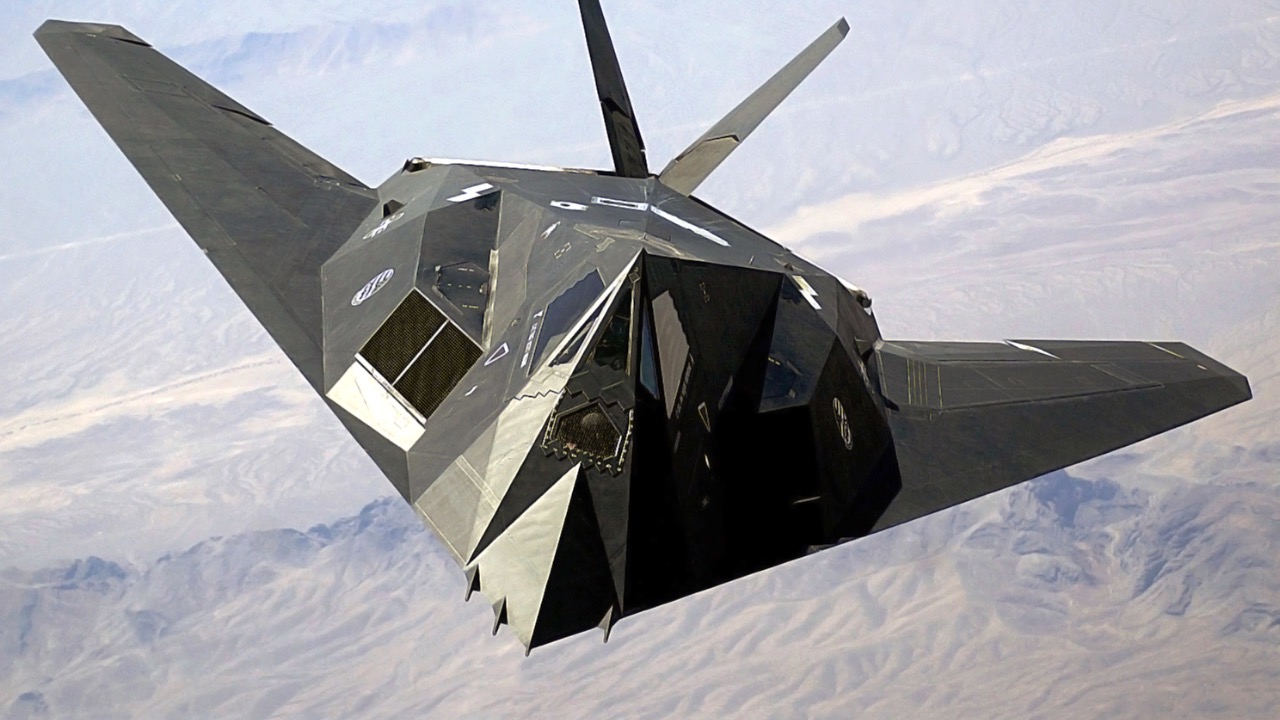
Retired fighter jets often get a second act as remotely piloted target drones. Airframes that once flew combat air patrols are stripped, reinforced, and fitted with control packages so test pilots and air defense crews can train against real performance, not a simulator’s best guess. The same wings and engines now help prove out new missiles and tactics.
That reuse matters because modern weapons programs are expensive and politically sensitive. Converting surplus jets into targets lets militaries validate live fire tests without building bespoke drones from scratch. It also keeps aging airframes out of scrapyards for a few more years, squeezing extra value from fleets that taxpayers already funded.
3. Tanks converted into engineering workhorses
Obsolete tanks rarely stay gun tanks forever. Many are rebuilt as armored recovery vehicles, bridge layers, or combat engineering platforms, trading turrets for cranes, winches, and plows. The same tracked chassis that once pushed through enemy lines now hauls broken vehicles, clears routes, or lays temporary bridges for disaster relief convoys.
For commanders and emergency planners, that second life is huge. A tank hull is already designed to survive rough terrain and heavy loads, so converting it is cheaper than designing a new heavy tractor from scratch. In flood zones or earthquake rubble, those repurposed machines can reach places that ordinary construction gear simply cannot touch.
4. Naval guns turned into museum centerpieces
Big naval guns have found new homes as static displays in parks and maritime museums. Turrets that once hurled shells over the horizon now anchor memorials, giving visitors a sense of the scale and engineering behind twentieth century sea power. The hardware becomes a teaching tool instead of a threat.
Communities that host these guns gain more than a photo backdrop. They get a focal point for local history, veteran stories, and school field trips. By preserving the weapon in public view, curators can talk honestly about conflict while showing how societies move on, turning instruments of force into objects of reflection.
5. Missile silos adapted for civilian storage
Decommissioned missile silos, once built to shield strategic warheads, have been adapted as secure underground storage and specialized data facilities. The thick concrete, blast doors, and remote locations that once protected launch crews now appeal to companies that prize physical security and stable temperatures for sensitive equipment.
That reuse lines up with how national Weapons Activities budgets focus on maintaining and refurbishing nuclear systems instead of building endless new sites. As older infrastructure leaves the military mission, private owners step in, turning hardened bunkers into revenue generating real estate instead of abandoned hazards in the countryside.
6. Surplus rifles feeding civilian marksmanship
Surplus service rifles have long filtered into civilian hands through controlled sales and marksmanship programs. Bolt actions and semi autos that once armed conscripts now show up on firing lines at local ranges, where hunters and competitors learn fundamentals on rugged, affordable guns with plenty of spare parts.
For shooting sports, that pipeline is a big deal. It keeps entry costs down and preserves mechanical designs that might otherwise vanish into warehouses. When handled under strict safety rules, those rifles shift from instruments of national policy to tools for personal skill building, discipline, and a deeper understanding of firearms history.
7. Armor and shelters reused in civil defense
Armored plates, blast doors, and hardened shelters have also migrated into civil defense and community protection roles. Components designed for frontline bases now reinforce emergency operations centers, hospitals, and public shelters in regions that worry about missile fire or terrorism, extending the life of expensive materials.
In Israel, for example, the experience of repeated attacks has pushed communities to lean on hardened spaces as gathering points, part of a broader pattern of unexpected solidarity under fire. When old military protection is folded into daily civilian life, the gear becomes less about projecting power and more about keeping neighbors alive.

Asher was raised in the woods and on the water, and it shows. He’s logged more hours behind a rifle and under a heavy pack than most men twice his age.