8 Bald eagle facts most people never learn
Bald eagles are so familiar as the national symbol of the United States that many people assume they already know everything about them. Yet scientists and wildlife centers keep uncovering details that rarely reach the general public. These eight lesser known facts show how extraordinary these birds really are.
1. Bald eagles are not actually bald

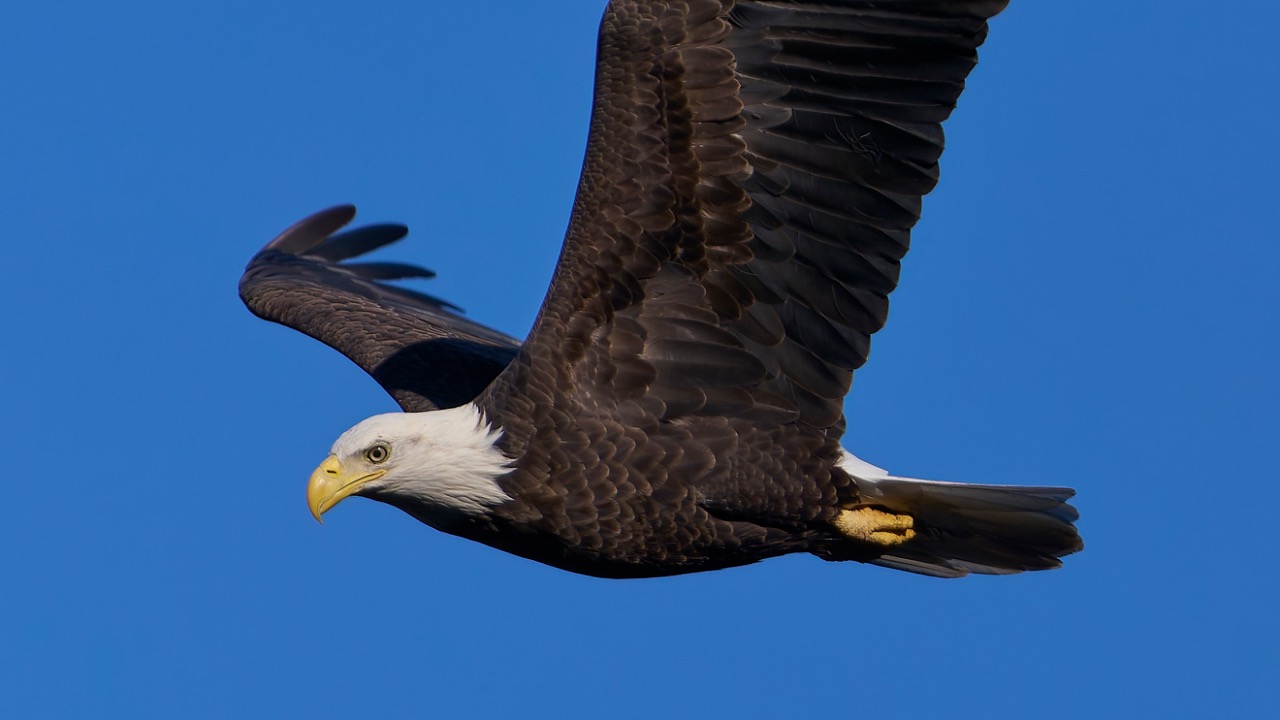
The term Bald Eagle comes from an older meaning of “bald,” which referred to a white patch, not a lack of feathers. Adult birds have a dark brown body with a bright white head that inspired American colonists to use the word Bald in the name, according to General Description.
That striking contrast only appears when the eagle is Mature, usually after several years of mottled plumage. The famous look helps people recognize the species instantly, which in turn shapes how the public reacts to conservation issues that affect nesting territories and food supplies.
2. Only North America has this eagle
The Bald Eagle, or Haliaeetus leucocephalus, is the only eagle species found exclusively in North America. Conservation groups note that Bald populations breed or winter across much of the continent, which means habitat decisions in Canada, the United States, and Mexico all influence the same shared bird.
Because Haliaeetus leucocephalus is listed as Least Concern by the International Union for, casual observers sometimes assume protections are no longer necessary. In reality, that status depends on continued safeguards around wetlands, large rivers, and coastal areas where these raptors hunt and nest.
3. Their “voice” comes from bones, not vocal cords
One of the strangest Bald Eagle facts is anatomical. A report from Aug explains that the bird does not have a vocal cord and instead produces its high pitched shriek using air that passes through specialized bones in its neck, creating the familiar ki ki ker style call.
This adaptation means the sound that defines so many wilderness scenes is literally shaped by bone. For wildlife managers, understanding that unique structure helps guide veterinary care when injured eagles arrive with neck trauma that might affect their ability to communicate or defend territory.
4. Juveniles look nothing like the emblem
Juvenile and subadult Bald Eagles lack the crisp white head and tail that appear on the adult. Observers often see Juveniles with blotchy brown and white plumage and assume they are a different species. That confusion can skew informal population reports from birders and boaters.
Education materials from facilities that compile Fast Facts on raptors explain that these younger birds slowly gain the classic pattern over several molts. Clear identification guides help the public recognize immature eagles, which supports more accurate monitoring of recovery trends near rivers, lakes, and coasts.
5. Their eyes are built for extreme detail
Specialists who study EAGLE EYE ADAPTATION describe eyesight that can spot prey from remarkable distances. One field note labeled 5.2 highlights how rapidly nestlings seem to grow, and observers add that They can detect movement that humans would miss entirely, even when the bird is soaring high above water.
Additional research on how Bald eagles perceive the world shows they have far more photoreceptors in their retinas than people. That level of visual detail lets them track fish just below the surface, a key advantage for hunting in large lakes and tidal estuaries where quick decisions mean survival.
6. They see color differently from humans
Educators who ask Did humans see colors the same way as Eagles often answer with a clear no. Posts explaining eagle color vision state that They can see the full human spectrum and MORE, and Not only that, they also detect ultraviolet light that people cannot perceive at all.
This expanded color range likely helps Bald Eagles separate fish from reflective water and pick out subtle contrasts in plumage or vegetation. For conservation planners, those findings suggest that pollution or algal blooms that change water color might affect hunting success long before humans notice visual changes.
7. Their hunting style is opportunistic
Field observers describe Bald Eagles as among the most flexible and opportunistic foragers. Rather than relying only on live fish, they will steal prey from other birds, scavenge carrion, and even investigate human trash. One account notes that They will scavenge in dumpsters when natural food is scarce.
This opportunism helps explain why Bald populations can rebound near reservoirs, landfills, or fishing ports. At the same time, it exposes the birds to toxins and discarded hooks. Managers who understand this behavior can reduce risk by improving waste handling and educating anglers about retrieving lost tackle.
8. Their size hides surprising limitations
According to federal Characteristics, Bald eagles are large, powerful raptors with wingspans that commonly reach 6 feet and can exceed 8 feet. Females may weigh as much as 16 pounds, which makes them heavier than many other raptors that share the same waterways and coastlines.
Despite that size, the Alaska agency notes that Bald eagles are sometimes seen struggling to lift heavy fish because there is a limit to their ability to carry more weight. Public fascination with these giants often overlooks those constraints, yet understanding them helps reduce unrealistic myths about what eagles can safely haul.

Asher was raised in the woods and on the water, and it shows. He’s logged more hours behind a rifle and under a heavy pack than most men twice his age.