8 states with the largest black bear populations
Black bears are doing well across big chunks of the country, but a handful of states hold a staggering share of the continent’s bruins. I pulled together the latest Black Bear Population estimates by state and paired them with on-the-ground reporting to highlight the eight states where your odds of bumping into a bear are highest, whether you are hunting, fishing, or just camping in the wrong place with a cooler full of hot dogs.
1. Alaska
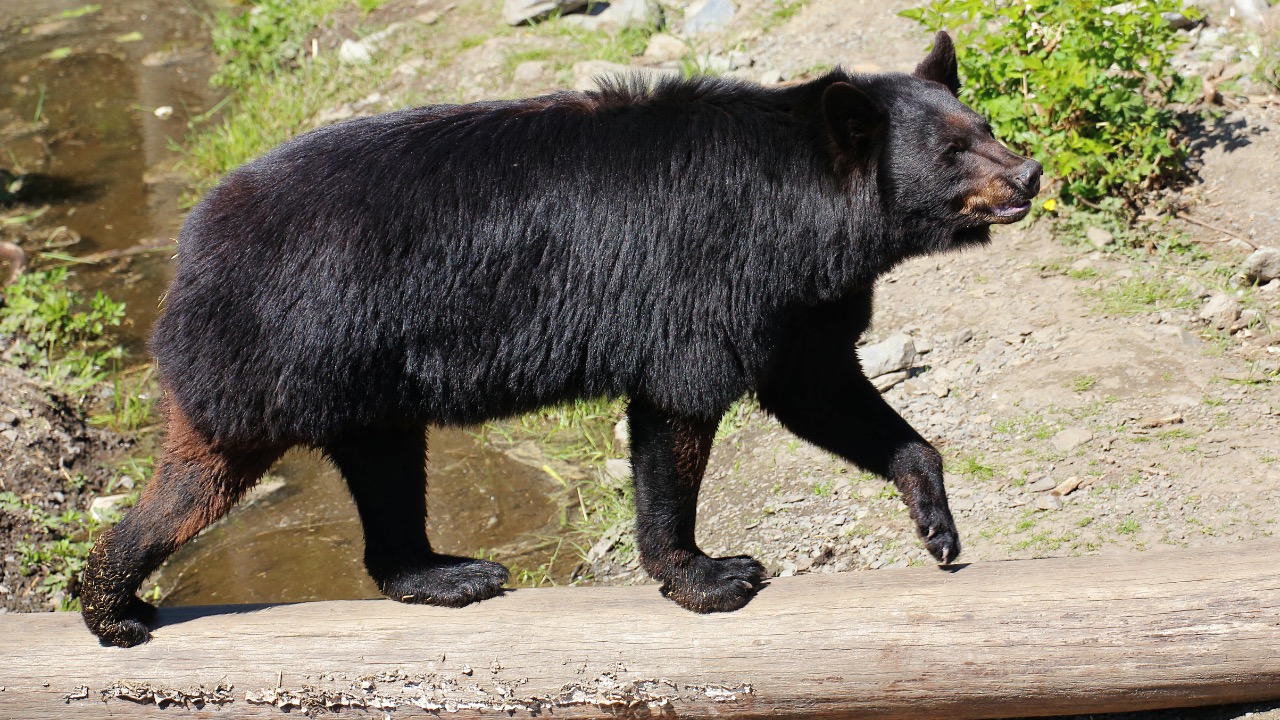
Alaska is in a league of its own for black bears. The 2026 Black Bear Population table lists the State of Alaska with roughly 479,490 animals, far ahead of any other state. That sheer number is backed by the state’s size and habitat, with Alaska offering vast coastal rainforests, interior mountains, and low human density.
Those conditions give bears room to roam and keep conflict relatively low compared with more crowded states. As another overview of Alaska wildlife notes, the state’s intact habitat and long wild coastlines support multiple large carnivore populations at once. For hunters and anglers, that means black bears are a routine part of the landscape, and managers have to balance generous opportunity with careful monitoring of local herds.
2. California
California quietly holds one of the country’s biggest black bear herds. The statewide estimate has been stable for years, with the California Department of Fish and Wildlife putting the current population between 49,000 and 71,000 animals. That range reflects how bears have expanded from the Sierra Nevada into coastal and Southern California ranges as habitat recovered. Modern California is far more bear country than many residents realize.
Agency biologists say the population has been “stable for the past decade,” which is impressive given the state’s 39 million people and heavy recreation pressure. Presently, the department notes that California black bears are managed through regulated hunting and tight rules on garbage and attractants. For hikers and hunters, that means plenty of bear sightings, but also a real responsibility to keep food locked down and avoid creating problem animals.
3. Maine
Maine anchors black bear country in the Northeast. The 2026 population table lists the state among the national leaders, and wildlife officials have been sounding the alarm that Maine’s rising bear numbers are pushing deeper into settled areas. Local reporting on Maine notes that biologists are urging people to secure bird feeders, grills, and trash as bears emerge earlier in warm springs.
Those warnings reflect a long-term success story. Maine’s big timberlands, wetlands, and low human density give bears room to thrive, and regulated hunting has kept the population healthy rather than suppressed. As more people build camps and second homes in bear habitat, the state’s challenge is keeping that strong population while cutting down on nuisance calls and dangerous food-conditioning.
4. North Carolina
North Carolina has become a powerhouse for black bears in the Southeast. Coastal biologists point out that much of coastal North Carolina is sparsely populated by humans, with vast timber holdings, pocosin wetlands, and large farms creating a patchwork of thick cover and easy food. One summary of bear facts notes that these coastal bears have grown into a symbol of “The Wild” for the region.
That mix of agriculture and swamp produces some of the heaviest black bears on the continent, and the population has expanded into the mountains and Piedmont as well. Statewide estimates now put North Carolina among the top tier of bear states, and managers are walking a tightrope between thriving populations, crop damage, and a growing demand for limited bear tags from hunters who know how big these bruins can get.
5. Idaho
Idaho’s rugged backcountry hides a serious number of black bears. A recent breakdown of the most bear-populated states reports that Idaho has between 20,000 and 30,000 black bears, with the higher end likely in years with good mast crops. Those numbers line up with the state’s huge blocks of national forest and wilderness, especially in the Panhandle and central mountains.
In that same overview of Idaho bears, biologists point out that the state’s mix of huckleberries, elk carcasses, and remote drainages gives bruins plenty to eat and lots of escape cover. For hunters and backpackers, that means you can glass elk at daylight and still bump into a bear on the berry slopes by midmorning, especially in units with limited access.
6. Washington
Washington is another Northwest stronghold for black bears. The World Population Review table groups it among the states with large Black Bear Population totals, and that tracks with what anyone who has hunted the Cascades or Olympics already knows. Thick second-growth timber, clearcuts, and berry-choked avalanche chutes give bears food from spring green-up through fall.
Statewide, managers rely on general seasons and a patchwork of timber-company access rules to keep numbers in check. A quick look at Washington shows how much of the state is still forested, especially west of the Cascades. That forest cover, combined with growing suburbs, has pushed bears into more backyard encounters, forcing tighter rules on garbage and backyard chickens in some communities.
7. Oregon
Oregon’s entire western half is prime black bear habitat, and the numbers reflect it. Population tables put the state in the upper tier nationally, with strong densities along the Coast Range and Cascades. Those bears key on salmon runs, berries, and logging slash, and they have benefited from a long stretch of relatively mild winters.
Land-cover maps of Oregon forests show why, with millions of acres of mixed conifer and hardwoods that produce both cover and food. For hunters, Oregon offers a mix of spring and fall opportunities, but the same thick brush that hides bears also makes recovery tough. That pushes managers to stress shot placement, tracking, and meat care in warm early seasons.
8. Wisconsin
Wisconsin rounds out the list as the Midwest’s black bear heavyweight. Population estimates in the World Population Review table place it among the states with the most Black Bear Population, and the trend has been upward as bears expand south from the Northwoods. Large blocks of public forest, low human density in the north, and abundant agriculture to the south give bears both security and calories.
Recent overviews of Wisconsin bear country highlight how bruins are now showing up closer to Madison and Green Bay, not just in traditional baiting zones near Lake Superior. That expansion has increased demand for tags and raised the stakes for farmers dealing with corn damage, pushing the state to keep tweaking quotas and zones to match where bears are actually living today.

Asher was raised in the woods and on the water, and it shows. He’s logged more hours behind a rifle and under a heavy pack than most men twice his age.