Ten common myths about home-defense guns — explained
Arguments about home-defense guns are usually driven less by data than by movie scenes, marketing copy, and stories passed around the range. The result is a tangle of myths that can leave families either overconfident in what a firearm can do or blind to the risks that come with keeping one at home. I want to walk through ten of the most persistent claims, explain what they get wrong, and point to what current research and experienced trainers actually say about using guns to protect a household.
Some of these misconceptions are technical, like what a shotgun pattern really looks like in a hallway or what a suppressor actually does to sound. Others are bigger picture, including whether owning a gun makes a home safer at all. Sorting fact from fiction is not an academic exercise here, it is the difference between a realistic plan for defending loved ones and a dangerous illusion.
Myth 1: “Just owning a gun makes my home safer”
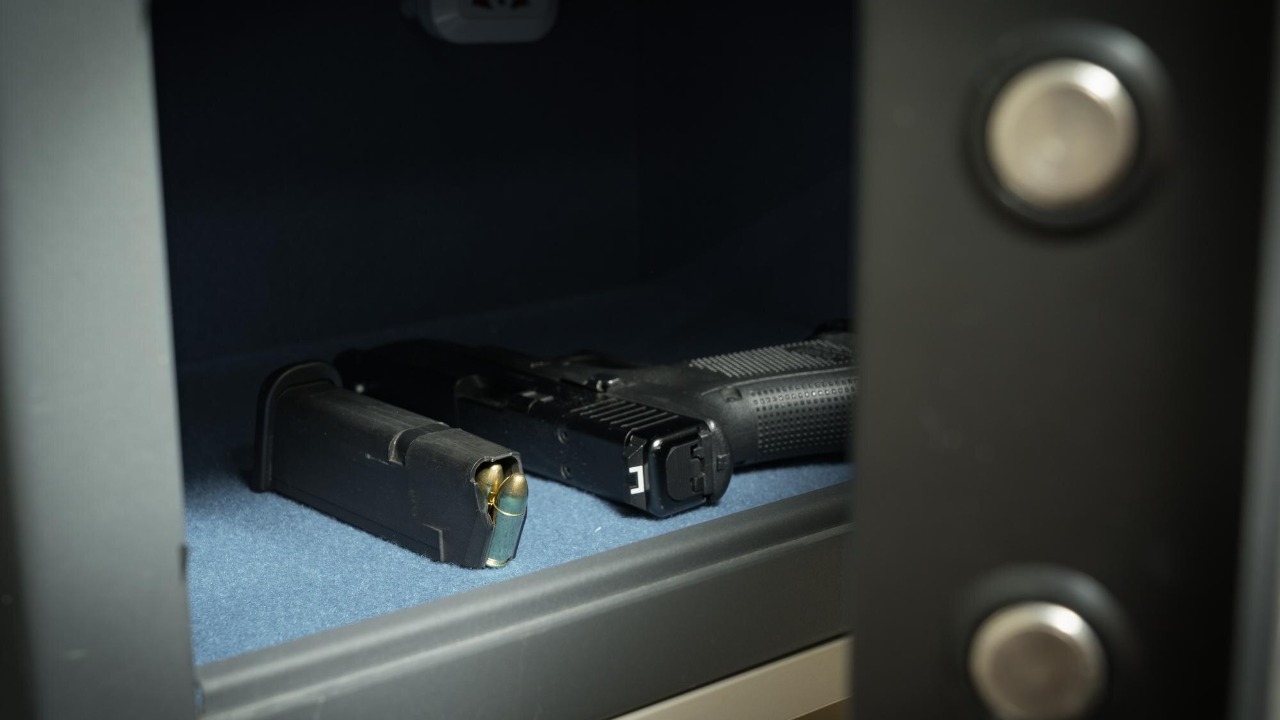
The most basic belief I hear is that simply adding a firearm to the nightstand automatically makes a family more secure. That confidence is understandable, but it collides with a large body of research showing that guns in the home are strongly associated with higher rates of suicide, homicide, and accidental shootings. One analysis notes that People often say they need a weapon for safety or sport, yet the number of injuries and deaths linked to household firearms vastly outnumbers documented self protective uses.
Public health researchers have gone further, pointing out that the perceived protective value of a gun is usually outweighed by the increased risk of harm inside the home. One review found that Yet more firearms do not keep people safer, they do the opposite, and that Having a gun in the home raises the likelihood of death or injury for the people who live there. Another synthesis of studies concludes that, on balance, Fact is that Owning a firearm puts a person at heightened risk of gun related homicides and suicides, and that guns in the home are linked to a dramatically higher chance of being killed.
Myth 2: “A gun in the house is fine as long as I’m careful with it”
Another common refrain is that responsible adults can neutralize the danger of a home-defense gun simply by being cautious. The evidence around children and unsecured firearms tells a different story. Pediatric safety specialists warn that Firearms are now a leading cause of death for young people in the United States, driven by unintentional shootings, suicide and homicide, and that many parents underestimate how quickly children can find and operate a gun. A related advisory on handguns in the home stresses that even well intentioned owners often fail to lock up ammunition separately or use safes that children cannot open.
Gun policy researchers echo that pattern at the population level, finding that the presence of a firearm in a residence is consistently associated with higher rates of suicide and domestic shootings. One review notes that However, having a firearm in the home actually increases the rate for self inflicted and interpersonal gun injuries, even though owners believe it will protect them. Another synthesis of studies concludes that Having more guns in circulation tends to raise the overall level of gun violence, not reduce it, which undercuts the idea that individual carefulness can fully offset the structural risks.
Myth 3: “The sound of a shotgun will scare any intruder away”
Few ideas are as persistent as the notion that racking a pump shotgun is a universal burglar repellent. Trainers who specialize in home defense warn that building a plan around intimidation is a mistake, and that cycling the action for dramatic effect can even cost you a loaded round. One instructor points out that if you have already chambered a shell and then run the pump again for the noise, you are literally throwing a live cartridge on the floor, a point echoed in guidance on Myths about defensive shotguns. A separate overview of how to choose a long gun for the house notes that Now some people talk up the sound of a shotgun as a deterrent, but that advice ignores the risk of ejecting a round that could be needed if the intruder does not flee.
Experienced instructors also stress that a shotgun is not a magic wand that removes the need to aim or think about what is behind the target. One analysis of common Close quarters myths calls out the belief that you do not need to aim with a scattergun as One of the most dangerous misconceptions, noting that at typical hallway distances the pattern is only a few inches across. A separate breakdown of Misconceptions about shotguns repeats the same warning, saying that the old line about not needing to aim is flatly wrong. Even a Quora discussion of what You should know about defensive shotguns opens by saying you must ABSOLUTELY ignore the pop culture myth that they are error proof, all powerful weapons, a view that Quarters Precision drills reinforce by showing how tight patterns really are.
Myth 4: “Birdshot or low power loads are ‘safe’ indoors”
Because overpenetration is a real concern in apartments and crowded neighborhoods, some owners reach for birdshot or ultra light loads, convinced that these options will stop an intruder without punching through drywall. Ballistics testing and instructor experience suggest that is wishful thinking. One Quora contributor who walks through common misconceptions about home-defense calibers notes bluntly that if your loading will not penetrate a few walls, it probably will not penetrate a person either, a point raised in a discussion of what You should understand about effectiveness. A Facebook thread that confidently claims Other than that, best home defense is a shotgun with bird shot because it will not penetrate too far through walls, illustrates how widespread this belief is, even though it is not backed by controlled testing.
In reality, trainers who favor shotguns for home defense usually recommend heavier buckshot precisely because it is more likely to stop a human sized threat quickly. One planning guide for families notes that Shotguns have proven very effective when used with the correct ammo, and that Most instructors and law enforcement officers favor 00 buckshot for self defense purposes. A companion piece aimed at women emphasizes that Shotguns loaded with appropriate buckshot will penetrate deep enough, even at shorter distances, to reach vital organs. That does not mean overpenetration is not a concern, it means owners need to think about backstops, angles, and what rooms are occupied, not rely on “safe” ammunition that may fail to stop a determined attacker.
Myth 5: “AR-15 style rifles are always ‘assault weapons’ and useless indoors”
Few firearms generate as much political heat as the AR-15, and that debate often spills into practical conversations about home defense. One misconception is that any AR pattern rifle is automatically a machine gun or military assault rifle, which leads some people to dismiss it outright as a defensive tool. Technical overviews point out that this is inaccurate on several levels. A breakdown of common AR myths notes that Myth 2 is the claim that The AR 15 is a Machine Gun Another AR myth, and explains that civilian models are semi automatic only. The industry group that coined the term “modern sporting rifle” stresses that The AR in AR 15 stands for ArmaLite, the company that developed it in the 1950s, not “assault rifle.”
At the same time, it is impossible to ignore that AR 15 style rifles have been used in a string of high profile mass killings, which shapes public perception and policy debates. Reporting on those incidents notes that They (Defenders of the firearm) argue that civilian AR 15 style rifles are mechanically distinct from military select fire weapons and should not be classified as assault rifles, even as critics focus on their use in mass shootings. Within law enforcement, some trainers have long believed that a rifle is the long gun answer to most shooting situations, with one instructor writing that long believed a the best long gun answer for many police engagements. For home defense, that kind of rifle offers controllable recoil and accuracy, especially in calibers like 223 Remington or newer 6mm ARC, but it also raises concerns about muzzle blast, overpenetration, and the political baggage that comes with owning a platform so closely associated with national tragedies.
Myth 6: “Handguns are weak, or handguns are always the best choice”
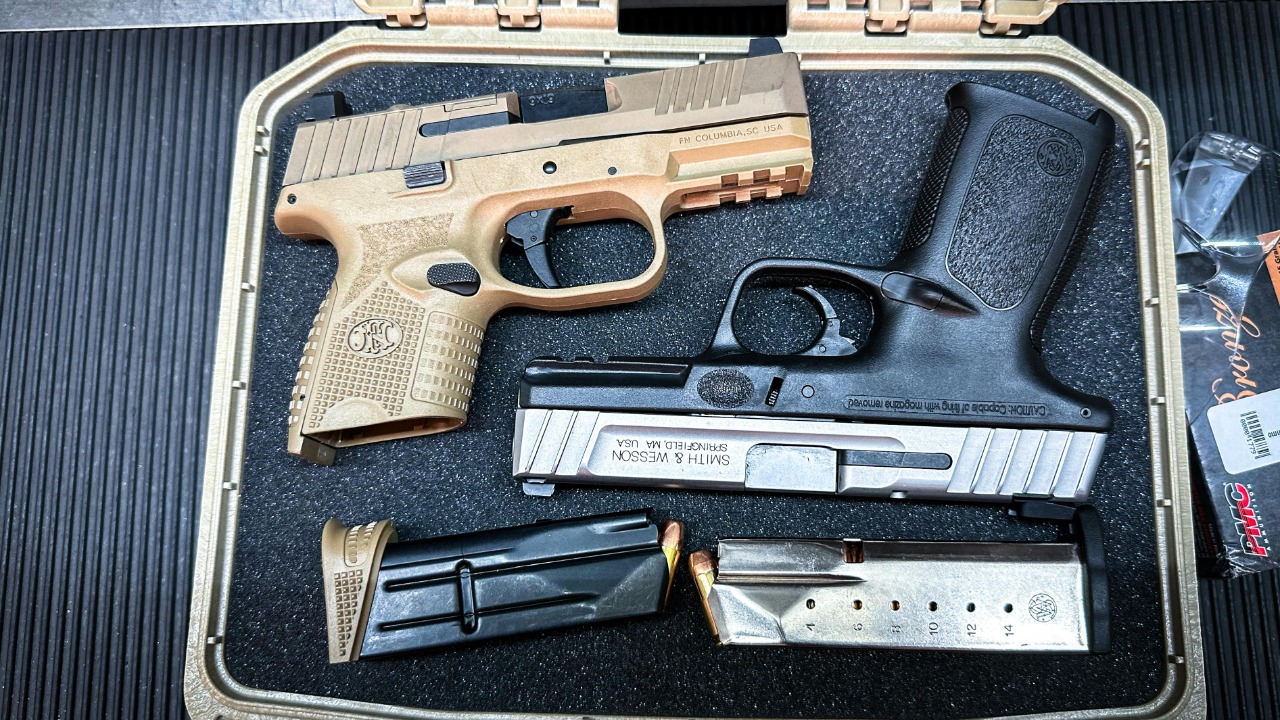
Handguns occupy a strange place in the home-defense conversation, sometimes dismissed as underpowered and sometimes treated as the default solution for every scenario. The reality is more complicated. One technical breakdown of caliber myths points out that even a small 22 rimfire will kill you, but the goal in self defense is to stop the threat immediately, which is why larger service calibers are standard for duty use. A separate guide to dry fire practice notes that if you are using a modern centerfire pistol like a 9 mm, . 40, . 45, etc., you are good to go for repeated trigger work, which underscores how common these calibers are in defensive handguns.
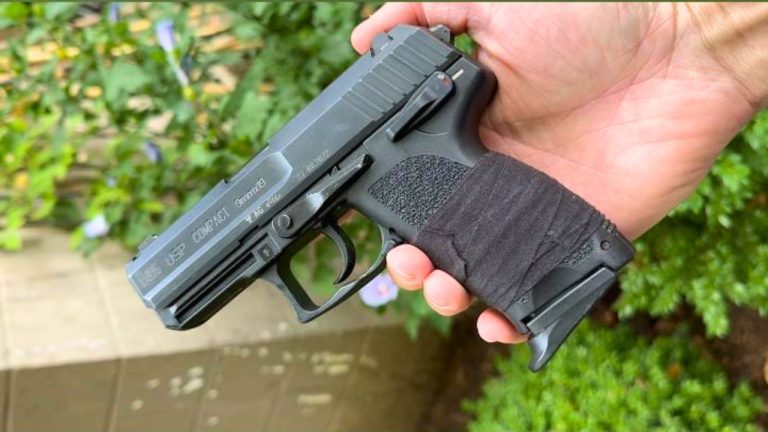
At the same time, public health researchers have identified handguns as a central driver of firearm injury and death in the United States. A policy analysis on the emerging public health debate argues that Why Handguns are the Major Cause of Firearms Death and Injury is tied to their concealability and ubiquity, and that Handguns play a prominent role in facilitating gun violence. Pediatric safety experts echo that concern in their guidance on handguns in the home, warning that pistols left unsecured are a major source of unintentional shootings, suicide and homicide among youth. For home defense, experts often suggest that a handgun is the tool you use to fight your way to something with more firepower, with one practitioner explaining that from there, if the need arose, he would move from a pistol to a long gun such as a Mossberg shotgun and a chest rig of magazines.
Myth 7: “Suppressors make gunfire whisper quiet and perfect for home defense”
Movies and videogames have done more than anything else to convince people that a suppressed gunshot is a soft cough that no one outside the room can hear. In reality, even the companies that sell these devices emphasize that they reduce noise but do not eliminate it. One explainer aimed at new buyers notes that the firearm still has an audible sound and that the shot is more accurately described as suppressed rather than silenced, which is why the colloquial term suppressor is more accurate. A trade group that advocates for hearing protection compares the device to a car muffler, saying Think of it that way and remember that it is Hardly silent, typically bringing peak noise down to about 130 decibels, roughly the level of a motorcycle, chain saw or jack hammer.
Technical briefings aimed at lawmakers underline the same point, noting that Suppressors do not completely silence a firearm, They only reduce the report by roughly 30 to 35 decibels, which is still loud enough to be heard throughout a typical home. A blog aimed at recreational shooters notes that with silencers, otherwise known as suppressors, the shooting experience becomes more comfortable because Noise is minimized to a more manageable level, but the report is still far from silent. A separate critique of pop culture depictions points out that According to TV, movies, and even videogames, a suppressed weapon is whisper quiet, but in reality suppressors do not work that well. For home defense, that means a can may protect your hearing and reduce muzzle blast in tight spaces, but it will not keep neighbors from hearing shots or erase the legal and regulatory hurdles involved in acquiring one, which include steps like completing a Complete ATF Form 4 and waiting for federal approval.

Leo’s been tracking game and tuning gear since he could stand upright. He’s sharp, driven, and knows how to keep things running when conditions turn.