Guns That Require Constant Troubleshooting
Some guns never let you settle in. Instead of focusing on wind, distance, or shot placement, you’re stuck diagnosing problems that shouldn’t exist. You clean them, adjust them, swap parts, and convince yourself the next fix will be the last one. Then something else goes wrong. These firearms don’t fail outright. They operate in a gray area where nothing stays consistent long enough to earn trust.
The real problem is distraction. A gun that demands constant attention pulls your focus away from the hunt or the range. You stop building confidence and start managing problems. These are the guns that turn shooters into mechanics whether they want the job or not.
Remington Model 710
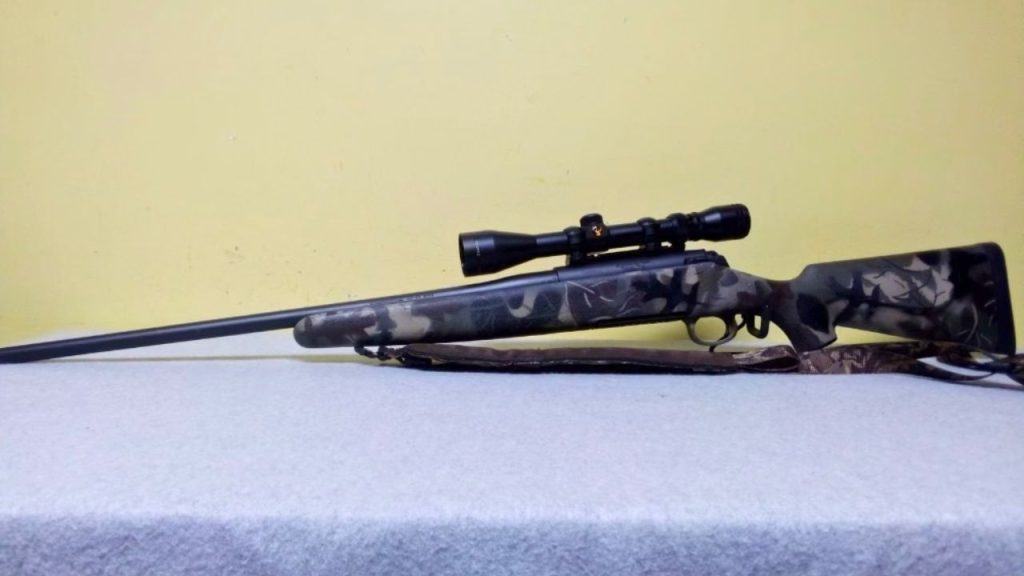
The Model 710 often starts its life shooting well enough, which makes the later issues more frustrating. Over time, bolt lift becomes rough, extraction weakens, and accuracy begins drifting without warning. You check scope mounts, re-zero, and clean obsessively, but the problems keep returning.
The pressed-in barrel and plastic components limit what you can actually fix. Once tolerances start shifting, there’s no true solution. You’re left chasing symptoms instead of solving the cause, and the rifle never settles into dependable behavior again.
Kimber Ultra Carry II
Compact 1911s already demand attention, and the Ultra Carry II takes that to another level. Feed issues, extractor tension, and recoil spring timing all require fine-tuning. A small change in ammo or lubrication can create a new problem overnight.
You may get it running well for a while, but the balance never holds. Carbon buildup quickly affects reliability, and troubleshooting becomes routine instead of occasional. The pistol feels precise, but precision comes at the cost of constant adjustment.
Ruger Mini-14 (Early Models)
Early Mini-14s generate more questions than answers. You chase accuracy problems with different ammo, optics, and shooting techniques, only to see groups change again once the barrel heats. Gas system tuning and bedding tweaks become ongoing experiments.
The rifle runs reliably, which keeps hope alive, but accuracy never fully settles. You spend more time diagnosing performance than enjoying it. The troubleshooting never ends because the platform itself refuses to stay consistent.
Taurus 709 Slim

The 709 Slim often cycles fine at first, then develops light strikes, feeding issues, or erratic ejection. Each fix seems logical until the next problem replaces it. Striker channels need constant cleaning, and magazine performance varies wildly.
You end up testing ammo brands and spring tension instead of trusting the gun. It rarely fails completely, but it also never inspires confidence. Owning one feels like an ongoing experiment rather than a finished product.
Mossberg 4×4
The 4×4 tends to shoot well just long enough to earn loyalty. Then point of impact starts shifting for reasons that aren’t obvious. Bedding, stock flex, and barrel behavior all contribute, and you end up chasing accuracy with tools instead of fundamentals.
Each adjustment improves things briefly, then something else drifts. You can never quite lock it down. Troubleshooting becomes part of ownership rather than an occasional task.
Walther P22
The P22 is notorious for needing attention. Ammo sensitivity, magazine issues, and fouling combine to create constant interruptions. You’ll tune, clean, and adjust only to repeat the process next range trip.
Rimfire pistols already demand patience, but this one amplifies that reality. Instead of shooting, you spend time diagnosing why the last fix didn’t hold. It keeps running—just not without constant supervision.
Browning BAR (Older Models)

Older BAR rifles often develop cycling inconsistencies as carbon builds up. Gas system maintenance becomes critical, yet difficult to fully address without deep disassembly. Minor fouling creates noticeable changes in recoil and accuracy.
You troubleshoot by cleaning, adjusting ammo, and checking mounts, but internal wear keeps influencing results. The rifle demands attention long after you think the problem is solved.
Remington RP9
The RP9 struggles with striker reliability and feeding consistency. Small changes in cleanliness or lubrication create noticeable differences in performance. Troubleshooting becomes routine rather than preventative.
You may resolve one issue only to uncover another. The pistol never quite stabilizes into a predictable pattern, forcing you to stay vigilant just to keep it running.
CVA Hunter (Heavy Calibers)
In heavier calibers, the CVA Hunter can develop lockup inconsistencies. Accuracy shifts lead you to check optics, ammo, and shooting technique before realizing the action itself is changing.
You troubleshoot by tightening, re-zeroing, and adjusting expectations. Once the movement starts, it rarely stops completely. The rifle keeps you guessing every season.
Beretta Nano

The Nano hides its problems well until they surface suddenly. Striker channel contamination and sluggish cycling appear without much warning. Troubleshooting requires full disassembly rather than quick field fixes.
You may think it’s resolved, only to see the issue return under similar conditions. The lack of external controls makes diagnosis harder, increasing frustration instead of confidence.
Ruger American (Early Synthetic Stock)
Early Ruger American stocks introduce shifting pressure points. You troubleshoot accuracy with bedding checks, torque settings, and shooting positions. Each change alters results slightly, but nothing stays locked in.
The action is capable, which keeps hope alive, but the platform demands ongoing tuning. You spend more time correcting behavior than trusting performance.
Desert Eagle .50 AE
The Desert Eagle demands strict conditions to function smoothly. Gas system fouling, ammo sensitivity, and lubrication all interact in ways that require constant monitoring. One overlooked detail leads to immediate malfunctions.
You troubleshoot more than you shoot. Cleaning intervals are short, adjustments frequent, and reliability conditional. It’s impressive, but it never stops asking for attention.

Leo’s been tracking game and tuning gear since he could stand upright. He’s sharp, driven, and knows how to keep things running when conditions turn.