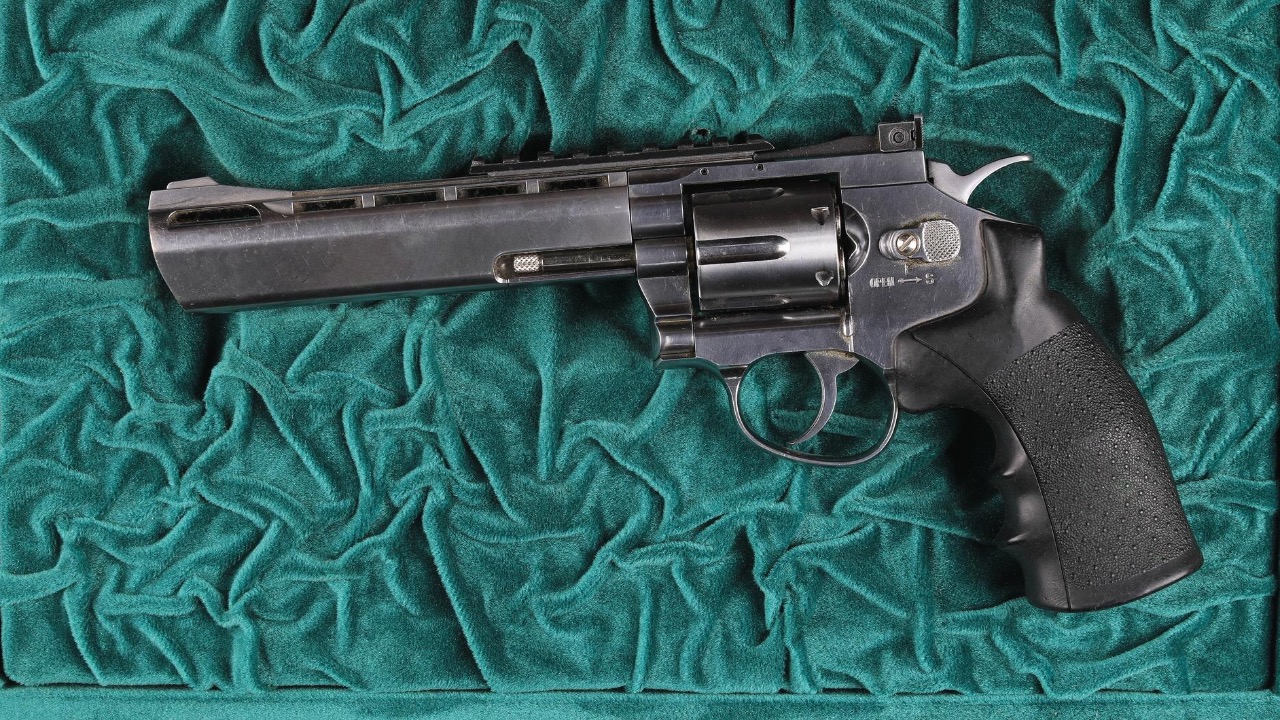
14 Firearms that tend to create more issues than they solve
Some firearms earn a reputation for saving the day. Others, frankly, create more headaches than they are worth. I have watched plenty of guns choke on the range and in the field, and the pattern is clear: poor design, corner cutting, or stubborn companies can turn a tool into a liability. Here are 14 specific guns that, based on reporting and user data, tend to cause more problems than they solve.
1. Winchester Model 1911 SL Shotgun
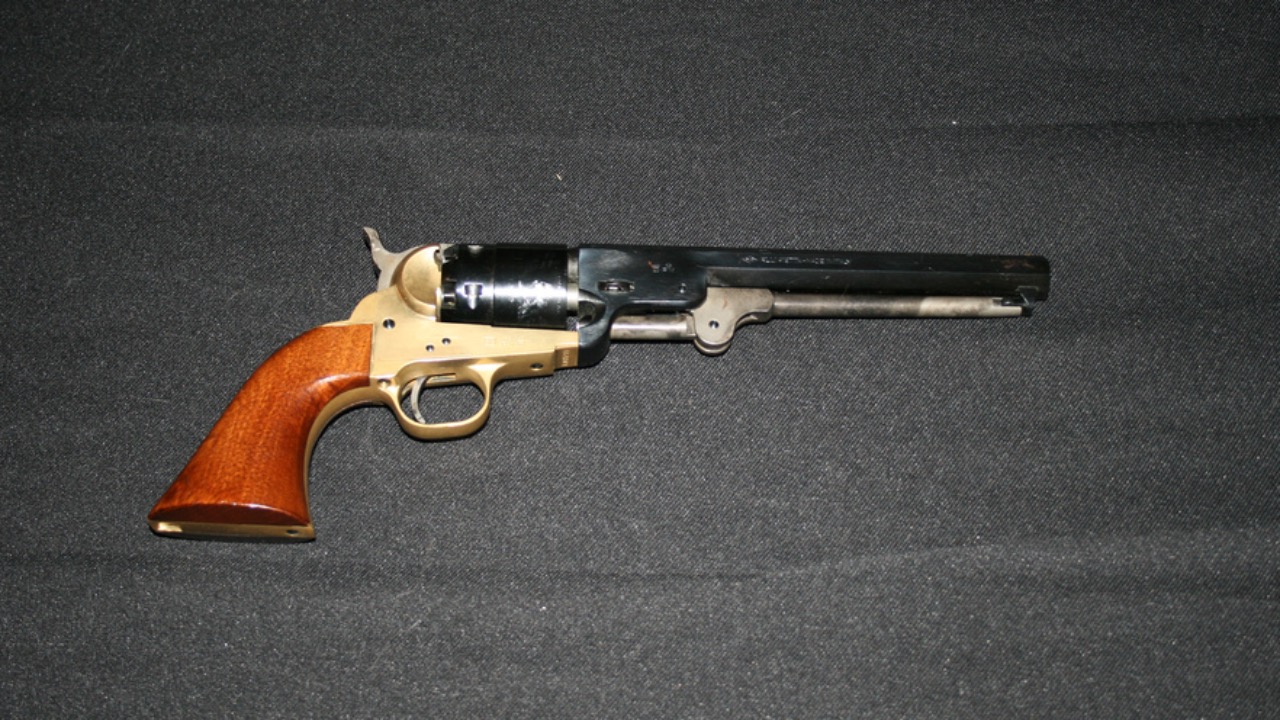
The Winchester Model 1911 SL Shotgun is a classic example of how a clever idea can turn dangerous when it ignores basic handling realities. Accounts of the design explain how The Winchester Model earned the nickname “The Widowmake” because the user had to push on the muzzle to cycle the action, putting hands and sometimes faces in front of the barrel. As outlined in detailed coverage of Five of the, that muzzle-pumping system was a disaster waiting to happen.
When a shotgun’s normal operating procedure encourages people to lean over the muzzle, it is not just inconvenient, it is a systemic safety failure. Hunters and homeowners relying on a repeating shotgun need intuitive, low-risk controls, not a trick procedure that punishes any lapse in focus. The Model 1911 SL shows how a single bad engineering decision can overshadow every other feature and turn a firearm into a long-term liability.
2. Chauchat Light Machine Gun
The Chauchat, often referenced simply as The Chauchat, has become shorthand for unreliable small arms. Analyses of the Top Worst Firearms in History describe how this World War I light machine gun used open-sided magazines that let mud and debris pour into the action, and how its awkward design made it hard to keep running in the trenches. In several breakdowns of Worst Firearms, the Chauchat sits near the top of the list for good reason.
When a squad automatic weapon fails, the entire unit loses suppressive fire and often takes more casualties. The Chauchat’s tendency to jam under combat conditions meant soldiers had to carry dead weight instead of a force multiplier. That kind of failure does not just frustrate users, it changes tactics and morale, proving that a bad gun can shape battlefield outcomes in the worst way.
3. Remington 700 series rifles
Remington 700 series rifles are accurate and popular, but the trigger controversy around them shows how a design flaw can overshadow performance. Internal documents cited in the investigation titled “Misfire” describe how Remington (Remington Arms Co, Inc) first learned about problems with its 700 series rifles in 1947, yet continued to ship rifles over many years with allegedly defective triggers. The report on Remington lays out how long those concerns lingered.
Later commentary on worst-gun lists has echoed that concern, with one Jun video arguing that Remington knew about the problem for decades but kept manufacturing and selling rifles anyway. In that Jun segment, the host calls that history “the most damning aspect” of the design. When a rifle can allegedly fire without a trigger pull, it stops being a precision tool and becomes a public safety risk, especially in hunting camps and crowded ranges.
4. Nambu Type 14 pistol
The Nambu Type 14 pistol is often cited as one of the most hazardous service handguns ever issued. A detailed look at Japanese WWII sidearms notes that Nambu (Type 14) was designed by the same engineer behind other Japanese pistols, yet the result was so flawed that one analysis flatly states, “Hardly has there even been a more dangerous handgun issued to a military force.” In that review of Nambu, the author highlights weak springs and awkward controls.
For soldiers, a sidearm is supposed to be a last-ditch lifeline, not a question mark. When the safety is confusing and the gun can discharge if mishandled under stress, it adds risk at the worst possible moment. The Nambu Type 14 shows how poor ergonomics and marginal engineering can turn a backup weapon into a threat to the user and anyone nearby.
5. M14 service rifle
The M14 has plenty of fans, but a former Marine armorer’s long-form critique argues that the rifle was a terrible fit as a standard-issue battle rifle. In a detailed analysis of why the M14 was a terrible rifle, the author writes, “However, the truth is completely different,” before explaining that the gun was heavy, hard to control in automatic fire, and poorly suited to modern infantry tactics. The section titled Why Does It tackles the nostalgia head-on.
On paper, a 7.62 NATO rifle with wood furniture looks appealing, but in practice, the M14’s recoil and instability during automatic fire made it hard to keep rounds on target. That meant more missed shots, more wasted ammunition, and more exposure for the shooter. When a service rifle cannot balance power with control, it creates more tactical problems than it solves.
6. Chauchat from “The Infamous Gun List”
The Chauchat shows up again in The Infamous Gun List, which singles it out among the Worst Firearms to Ever Fire a Shot. That piece opens with a blunt warning: “Key Point: You never want to use these,” then walks through how the Chauchat Light Machine Gun combined poor machining with a flimsy magazine system. The discussion of Infamous Gun List reinforces how widely its failures are documented.
When multiple independent histories converge on the same verdict, it is worth paying attention. The Chauchat’s recurring appearance in these rundowns shows that its problems were not isolated incidents but systemic flaws. For modern shooters and collectors, that consensus is a reminder that some designs are so compromised that they belong in museums, not on firing lines.
7. COP 357 Derringer
The COP 357, often mentioned in online discussions of notoriously bad guns, is a four-barrel derringer chambered in .357 Magnum that tries to cram big power into a tiny package. In one Nov thread’s Comments Section, users list COP 357 alongside other problem guns like Protecta Stryker and Cobray Ladies home companion, highlighting brutal recoil and a heavy, stacking trigger. That Comments Section treats the COP as a cautionary tale.
On paper, a pocket-sized .357 sounds appealing, but in the hand, the COP 357 is hard to shoot accurately and slow to reload. For concealed carry or backup use, that means slower follow-up shots and more risk of misses under stress. When a defensive handgun is this punishing to practice with, most owners will not train enough, which undercuts the whole point of carrying it.
8. Hi-Point pistols
Hi-Point pistols are often defended as budget workhorses, but reliability complaints keep surfacing in user data. In a Mar discussion of the 10 most unreliable firearms, a user named Lil, tagged as Lil-Rokslider and showing Joined Apr 3, 2022 with Messages listed as 215, ranks “All Hi Point Pistols” at 1:48 in the video breakdown. That Lil-Rokslider thread highlights feed issues and parts breakage.
When a whole product line gets lumped together as a problem, it signals that cost cutting may have gone too far. For new gun owners who buy on price alone, a pistol that chokes or breaks can sour them on training and, in a worst-case scenario, fail during a defensive encounter. A cheap gun that does not run is not a bargain, it is a liability.
9. Kimber 1911 models with recurring malfunctions
Kimber built its brand on slick 1911s, yet some models have developed a reputation for chronic reliability issues. In an Oct video ranking unreliable handguns, the host describes how almost every round sent one test pistol back to Kimber for service, only for supposedly fixed issues to return later. The segment on Kimber details common problems like failures to feed and failures to return to battery.
For a carry gun, that kind of track record is unacceptable. Owners who spend premium money expect a pistol that runs out of the box, not a shipping relationship with the warranty department. When a brand’s name keeps coming up in reliability rankings for the wrong reasons, it erodes trust and pushes serious shooters toward more proven designs.
10. Taurus pocket pistols
TAURUS shows up frequently in debates over the worst gun brands, especially when the topic turns to small, inexpensive pistols. In a Jul thread on handgun quality, one user bluntly types “TAURUS” as their answer, while another, posting as Mental-Revolution915, points to Jennings or Ravin, and a third mentions Sabre. That cluster of complaints in the TAURUS discussion shows how often the brand is linked with spotty quality control.
Small carry guns already push the limits of shootability, so any additional reliability problems hit hard. When owners report light primer strikes, broken parts, or inconsistent accuracy, it undermines confidence in a pistol that might be called on in a crisis. For new shooters especially, a finicky pocket gun can create more fear and confusion than security.
11. The Ltor 9mm
The Ltor 9mm has become a punchline in some recent rankings of bad handguns. One Jan rundown describes the process of running the pistol as “slower than a musket, more dangerous to load than a pipe bomb, and less ergonomic than a stapler,” arguing that it serves as a warning about what happens when cost and gimmicks outrun engineering. That harsh verdict on The Ltor underscores how poorly it performed in testing.
When a modern 9 mm is compared unfavorably to black powder guns, something has gone badly wrong. Slow, awkward loading and clumsy controls increase the odds of user error, especially under stress. For anyone considering a budget import, the Ltor 9mm is a reminder to research real-world performance instead of trusting marketing claims.
12. Sig P320 and similar striker-fired pistols
The Sig P320 has been at the center of a broader debate over striker-fired pistols that can allegedly discharge without a trigger pull. In one Jun reliability roundup, critics argue that parts drop inertia could make triggers move enough to fire guns, and some said fully cocked striker designs were “just plain dangerous.” That concern over striker designs has fueled lawsuits and redesigns.
Another Dec video on American firearms warns that if you are making a pistol that can discharge without a trigger pull and you do not “scream that from every rooftop,” you are not being honest with customers. That Dec critique highlights the stakes: a holstered gun that can fire unintentionally puts officers, armed citizens, and bystanders at risk. When safety depends on perfect conditions instead of robust engineering, the design itself becomes the problem.
13. Remington Model 700 in worst-gun rankings
The Remington 700 shows up again in modern worst-gun lists, not for accuracy but for its trigger legacy. A Jun video on 17 regrettable guns argues that the most damning aspect is that Remington knew about the problem for decades but continued manufacturing and selling rifles with the same basic fire-control system. In that Jun breakdown, the host ties those decisions directly to injuries and lawsuits.
When a company keeps pushing a design that has been linked to unintended discharges, it shifts the burden onto users who may not even know the risk. Hunters, guides, and law enforcement officers who rely on the 700 platform deserve more than quiet settlements and incremental tweaks. The ongoing controversy shows how corporate choices can turn a respected rifle into a long-running safety story.
14. Guns that malfunction in concealed carry
Beyond specific models, some guns earn a bad name because they malfunction when carried daily. A detailed guide on Firearm Safety explains that even modern pistols can still malfunction like “the musket of old,” especially if they are poorly maintained or badly designed. The piece on Avoiding Different Types stresses that stoppages during concealed carry can be catastrophic.
Another range column opens with the line “Over the last more-than-decade, I’ve seen brand new handguns that just didn’t work right from at least six reputable manufacturers,” underscoring that even big names ship lemons. That Over the account reminds me that any gun, no matter the logo, can create more problems than it solves if it is unreliable, poorly vetted, or carried without serious testing.

Asher was raised in the woods and on the water, and it shows. He’s logged more hours behind a rifle and under a heavy pack than most men twice his age.