German Shepherds aren’t all the same: five types and how they differ
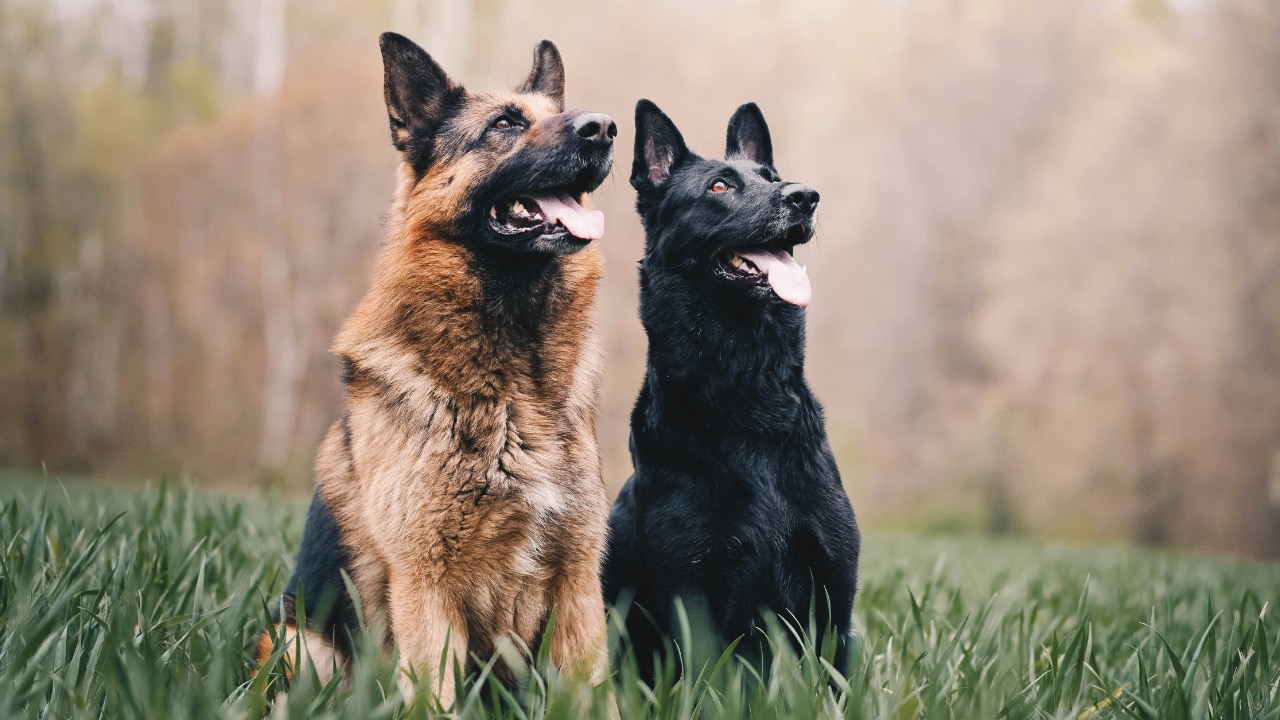
Most people talk about German Shepherds like they are one uniform breed, but anyone who has lived with a few knows better. Different bloodlines have been shaped for very different jobs, from border patrol to show rings, and those choices show up in how these dogs look, move, and think.
Breeders and handlers usually talk about five main working and show types, each with its own history and strengths. If you understand how those lines were built, you can pick a dog that actually fits your home, your hunting or ranch work, or your protection needs instead of gambling on a famous name and a pretty coat.
How five main types emerged from one working breed
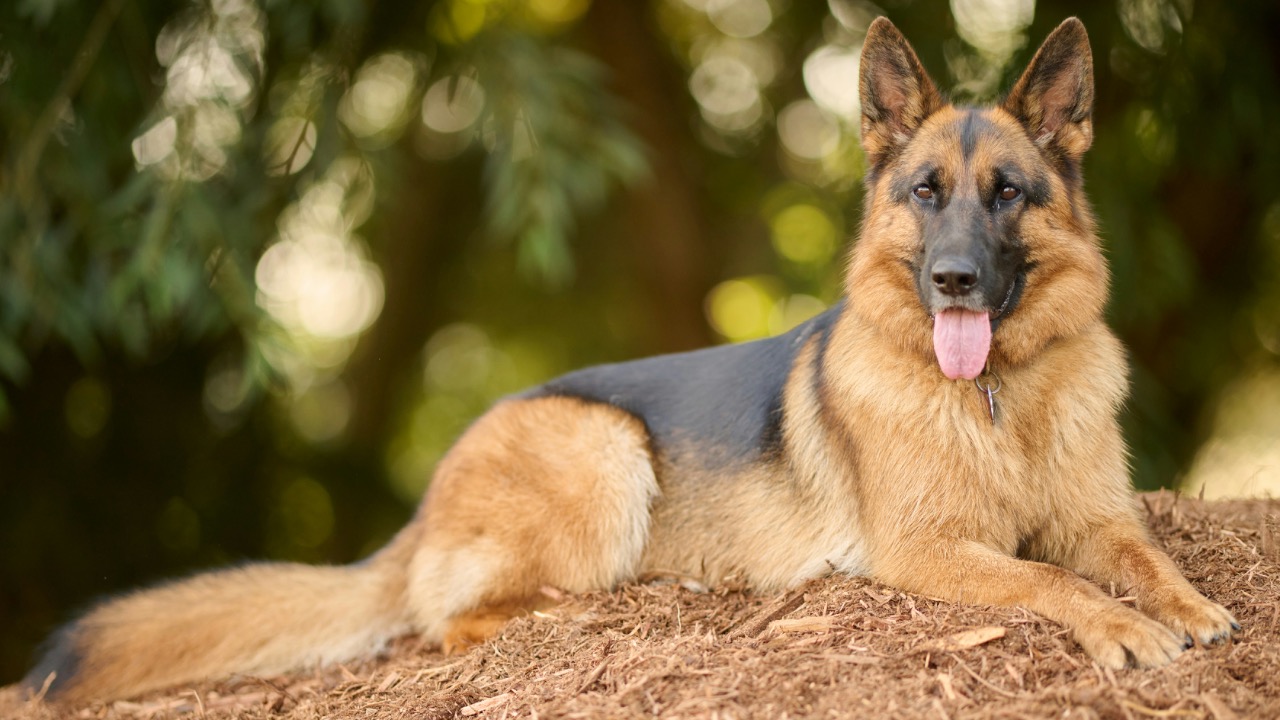
The German Shepherd started as a single, purpose built herding and protection dog under Captain Max von Stephanitz, but over time different regions and goals pulled the breed in separate directions. Modern breeders often group them into five main types, usually listed as West German show lines, West German working lines, East German or DDR working lines, Czech working lines, and American show lines, a breakdown echoed by owners who point out that there are “5 main types of German Shepherds” with show lines typically taller and more angulated than the working lines they are compared to in the same discussion of There. That split is not cosmetic trivia, it is the result of decades of selection for either structure and movement in the ring or stamina and nerve on the job.
On the working side, breeders talk about West German Working Lines, Czech and DDR dogs as separate streams, each with its own testing culture and government or sport driven pressure. On the show side, West German show lines and North American show lines have been steered by different kennel clubs and judging preferences, which is why a dog from Europe can look and move very differently from one that wins in North America even though both are registered as German Shepherds. I look at those five types as branches off the same trunk, each still carrying the original herding dog’s drive in a slightly different package.
West German show lines: built for the ring, still capable at home
West German show lines are the dogs most people picture when they think of a classic black and red Shepherd trotting around a European style ring. These dogs are bred to meet strict conformation standards that emphasize a flowing trot, a sloping topline, and rich pigment, and breeders describe them as a specific “West German Show Line” that is meant to be both beautiful and rewarding in partnership, a phrase used to explain how these dogs are selected in one guide to Working Line. Compared with working lines, they tend to have more rear angulation and a softer overall outline, which appeals to judges who prize that sweeping movement.
That focus on looks does not mean these dogs are useless when the chips are down. Breeders who live with them stress that a well bred West German show dog is “social but alert” and will notice when something is not right, then act if needed, a description used to defend the guarding ability of the Many West German Show Li dogs. In my experience, that makes them a good fit for families who want a stable house dog with enough instinct to bark at a stranger on the driveway, but who do not need the relentless intensity of a true working line patrol dog.
West German working lines: closest to von Stephanitz’s original vision
West German Working Lines are the closest thing we have to the original concept that Captain Max von Stephanitz had in mind when he established the German Shepherd as a herding and utility dog. These West German dogs are bred around performance tests and real work, and one detailed overview notes that “West German working lines are closest to the original working concept envisioned by Captain Max von Ste,” tying that heritage directly to the West German Working. That focus shows up in their structure, which is more moderate and athletic than the show dogs, with a firm back and a body built to jump, track, and fight through resistance.
Because these dogs are selected for working titles and strong nerves, they tend to have higher drive and more intensity than their show line cousins. A broader comparison of show and working lines points out that the working dogs have bodies “bred to take on a more defined working structure relative to the show line types” and that, unlike the Wes show dogs, they are evaluated heavily on their ability to handle pressure and deliver strong grips, with some lines recorded at 120 pounds of bite pressure in discussions of Therefore. If you want a dog that can work all day in sport or on a ranch, this is usually where I start looking.
American show lines: taller, softer, and more at home on the couch
Across the Atlantic, American show lines have followed a different path, shaped by North American judges and pet buyers who favor a taller, more sweeping outline and a calmer temperament. One overview of types in North America notes that there are essentially three general types of German Shepherds found there and that the American show dogs, also called the American pet or AKC style, are distinct from the European working and show lines that share the same There. These dogs often show more extreme rear angulation and a more exaggerated side gait than their West German counterparts.
When you compare them directly with working lines, the physical gap is obvious. A detailed breakdown of show versus working dogs notes that in “Physical Attributes” the Working Dog German Shepherds are described as having stamina and agility that defies their size, while the show dogs are “much larger” in bone and often carry richer red and black coat colors, a contrast drawn in a comparison of Physical Attributes. In plain terms, American show lines tend to be easier going house dogs, but if you want a partner for serious tracking or protection work, I would look to the European working blood instead.
Czech working lines: border dogs with serious grit
Czech working lines grew up under a very different kind of pressure, built around border patrol and state security work in what is now the Czech Republic. A detailed “Ultimate Guide” to these dogs describes the Czech German Shepherd Working Line as having “stunningly good looks, wicked smarts, and biddable nature,” and notes that as a result of their history their looks can vary but their core traits are consistent, with dogs that are eager to work and stay close to their Ultimate Guide family members day and night. That mix of toughness and handler focus is exactly what you want in a dog that might spend one hour tracking a suspect and the next hour lying at your feet.
Modern breeders who specialize in these dogs describe Czech Shepherds as strong, well built, affectionate, and highly intelligent, with the stability to live in a home and the seriousness to work as a protection dog, a balance highlighted in a “Czech German Shepherd Overview” that explains why so many trainers use a Czech Shepherd as a protection Czech German Shepherd. Another working kennel that focuses on these dogs notes that at Ironclad K9 Group they specialize exclusively in Czech and DDR working line German Shepherds for protection work or sport and still expect them to be stable in the home, a standard that shows how seriously Czech and DDR breeders take real world performance.
DDR / East German lines: heavy bone and cold weather stamina
DDR German Shepherds, also called East German lines, were developed under the Socialist government of East Germany, where the state controlled breeding for border patrol and military work. One historical overview notes that DDR German Shepherds are named for the Deutsches Demokrat republic and that in East Germany the Socialist government maintained strict breeding programs along the 100 mile long Berlin wall, a reminder that these DDR German Shepherds were never meant to be casual pets. Those programs selected for strong nerves, heavy bone, and the ability to work in brutal weather.
Another account of the history of the DDR dog explains that the testing criteria of the East was much more rigid than that of the West Germans and that they were bred for strong bones to handle the worst of weather conditions, with standards that included specific working requirements and health checks for hips and elbows, a level of scrutiny that shaped how East and West Germans diverged. A separate summary of East German Lines notes that their main purpose was to patrol territory borders, but they also worked as tracking, search and rescue, and protection dogs, and that breeders still talk about East German Lines (DDR) when they trace those East German Lines. In the yard, that translates into a dog that is heavier boned, very high drive, and built to work in rough terrain, a description echoed in coat and color discussions that describe the East German dog as a GSD bred specifically to work, very high drive, and heavier boned than many modern East German and Czech DDR Dogs.
What “working line” really means in day to day life
People throw around the phrase “working line” like it is a badge of honor, but it has real meaning when you look at how these dogs were bred. A detailed overview of the Working Line German Shepherd explains that the working line German Shepherd is bred specifically for military and law enforcement roles, with selection pressure on courage, clear headedness, and the ability to perform under stress, and that these dogs are bred to handle demanding tasks and environments, a point made in a guide titled “Working Line German Shepherd | All About the Breed” that focuses on the working line Working Line German. Another breakdown of different types notes that working line GSDs are bred for capability and endurance in demanding roles such as police work, search and rescue, and sport, and uses the label “Working Line” to separate those dogs from show bred companions in the same Working Line discussion.
From a practical standpoint, that means a working line dog will usually have more drive, more stamina, and more need for structured work than a show line cousin. A broader comparison of show and working lines points out that a hallmark feature of the working dogs is their firm, level back and powerful, efficient movement, while show lines often have more extreme angulation, a difference highlighted in a discussion of “Physical Characteristics” that ties those traits back to the original “Origins & Development” under Captain Max von Stephanitz in a piece on the Differences Between German and Working Lines. If you bring one of these dogs home, you need to be ready to give it a job, whether that is tracking deer, running protection drills, or logging serious miles on the trail.
How to tell the five types apart when you meet them
Sorting these types out in the real world comes down to a mix of structure, color, and behavior. A broad overview of German Shepherd diversity notes that German Shepherds come in various lines and that understanding those distinctions is crucial for making informed breeding and ownership decisions, especially when you are trying to match a dog’s energy and drive to your own lifestyle, a point made in a guide that opens with “Whether you’re a seasoned breeder or just getting started” and stresses that these dogs all share a keen sense of duty even as their lines German Shepherds diverge. Another breakdown aimed at pet buyers explains that understanding the different types based on their characteristics helps you choose the type that fits your needs, and lists West German European show lines, working lines, and American show lines among the “Different Types Of German Shepherds” that people encounter when they ask which is best for Different Types Of.

Asher was raised in the woods and on the water, and it shows. He’s logged more hours behind a rifle and under a heavy pack than most men twice his age.