12 Cartridges that make sense for 14 big-game species
Picking one rifle for a season is hard enough. Matching a dozen cartridges to cover 14 big-game species takes a little more thought, but it pays off in cleaner kills and fewer surprises when an elk steps out instead of a whitetail. Here is how I would build a sensible battery, leaning on proven big-game rounds that experienced hunters keep coming back to.
1. .243 Winchester for pronghorn and light-bodied deer
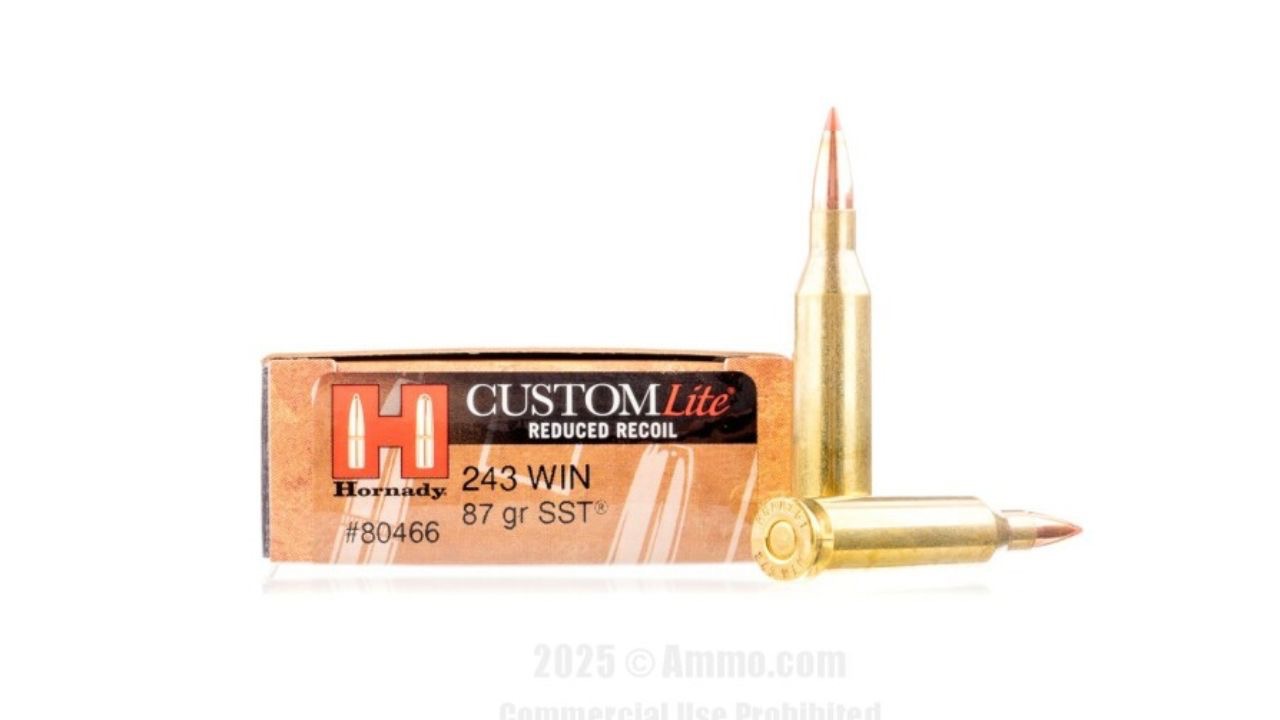
The .243 Winchester shines on pronghorn and smaller-bodied whitetails where flat trajectory and mild recoil matter more than raw power. With 90- to 100-grain bullets, it carries enough energy and penetration for clean lung shots out to moderate ranges, provided you keep impact angles reasonable. Its light recoil helps newer hunters place shots precisely, which is more important than squeezing a few extra foot-pounds from a bigger case.
On open-country antelope, the .243’s high-BC bullets make wind calls more forgiving than many give it credit for. I see it as a specialist tool for lighter game, not a do-everything round, but it fills that niche well. For families who share one rifle among kids and adults, it covers early-season pronghorn and southern deer without punishing anyone on the bench.
2. .25-06 Remington for pronghorn and mule deer
The .25-06 Remington stretches the light-game idea into a legitimate mule deer and pronghorn cartridge. Pushing 115- to 120-grain bullets fast, it offers a flat trajectory that makes holdover simple out to the distances many Western hunters actually shoot. Compared with the .243, it gives you a little more bullet weight and sectional density, which helps when a big-bodied buck is quartering away.
On high plains or sagebrush basins, that extra reach lets you work around swirling winds and limited cover. I like the .25-06 for hunters who want one rifle to handle antelope, open-country whitetails, and average mule deer without jumping into heavier recoil. It is not ideal for elk, but for the lighter half of North American big game, it makes a lot of practical sense.
3. .270 Winchester for deer, sheep, and mountain goats
The .270 Winchester has long been a go-to for hunters who split time between whitetails and high-country sheep or goats. With 130- to 150-grain bullets, it shoots flat enough for steep mountain angles while still carrying solid energy into the vitals. Many all-around big-game lists highlight the .270 as a classic choice, and that reputation comes from decades of real animals taken cleanly at sensible ranges.
For mountain hunters, the .270’s balance of recoil and trajectory is the draw. It lets you run a reasonably light rifle that you can carry all day without flinching when the shot finally comes together. On deer-sized game, it gives a wide margin of error on shot placement, which matters when you are breathing hard on a shale slope and trying to settle the crosshairs.
4. 7mm-08 Remington for compact, all-around use
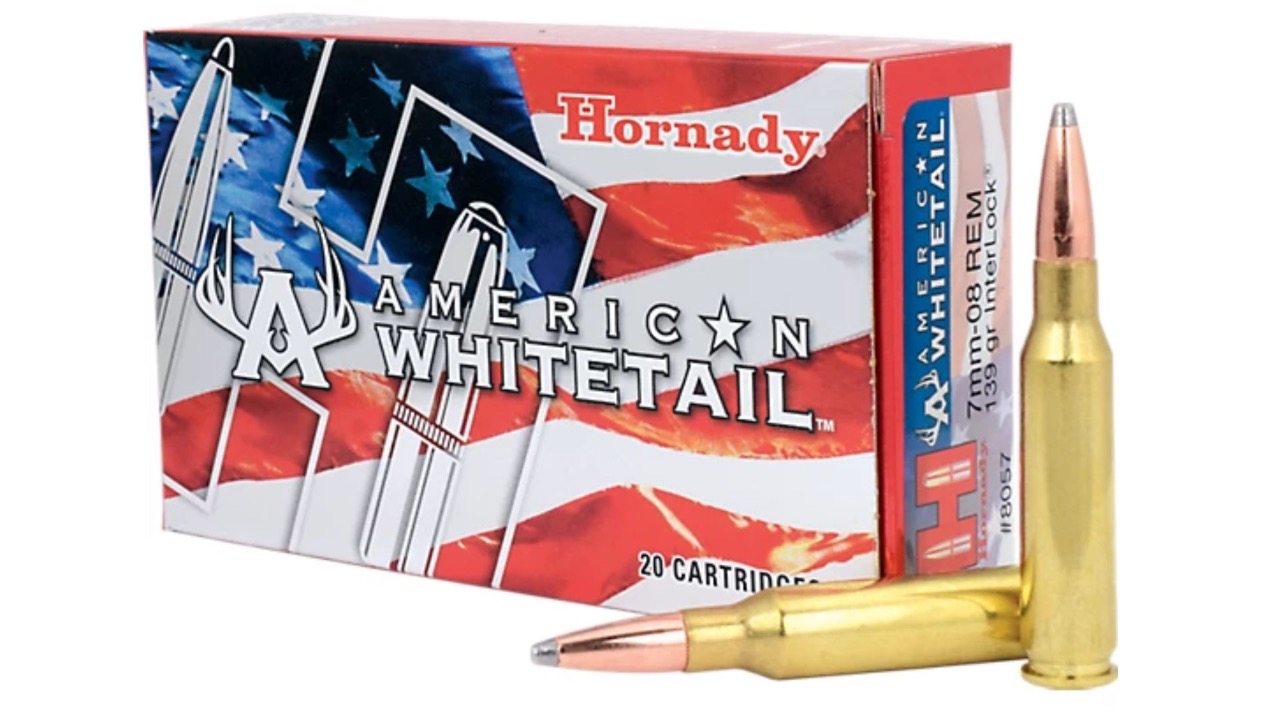
The 7mm-08 Remington packs efficient 7mm bullets into a short-action case that works well in lighter rifles. With 140- to 150-grain bullets, it handles whitetails, mule deer, and even elk at moderate ranges when bullets are placed through the lungs. Its mild recoil and compact rifles make it a smart pick for smaller-framed hunters who still want a cartridge that can cross over into bigger game.
In thick timber or broken country where shots stay inside a few hundred yards, the 7mm-08 gives up little to larger 7mm rounds. It also tends to be accurate with a wide range of bullet styles, from cup-and-core deer bullets to controlled-expansion elk loads. That flexibility lets one rifle serve multiple tags in a season without constant re-zeroing or swapping optics.
5. .280 Remington for deer, elk, and black bear
The .280 Remington sits between the .270 and .30-06, and it quietly covers a lot of ground. With 140- to 160-grain bullets, it offers excellent sectional density and enough frontal area for elk and black bear while still shooting flat for open-country deer. Many experienced hunters who have tested a range of big-game rounds, as in detailed big-game cartridge comparisons, keep circling back to this 7mm for its balance.
For a hunter who wants one rifle to handle whitetails at home and elk or bear on a trip, the .280 makes logistical sense. Ammunition options include both traditional soft points and modern bonded bullets, so you can tailor loads to the species without changing rifles. It may not be as common on store shelves as the .30-06, but performance-wise it hangs right with the classics.
6. 7mm Remington Magnum for elk and long-range mule deer
The 7mm Remington Magnum is built for open country where elk and big mule deer live. It drives 160- to 175-grain bullets fast enough to keep them stable and hard-hitting at the longer distances many Western hunters face. That combination of velocity and high ballistic coefficients helps cut wind drift, which is often the limiting factor when shooting across canyons or basins.
With modern controlled-expansion bullets, the 7mm Rem. Mag. gives reliable penetration on elk shoulders while still expanding well on deer. The tradeoff is more recoil and muzzle blast, so it rewards shooters who put in time on the range. For hunters who regularly draw elk tags and want one cartridge that also excels on big mule deer, it is hard to argue against this round.
7. .308 Winchester for whitetails, hogs, and black bear
The .308 Winchester is a workhorse that covers whitetails, feral hogs, and black bears without fuss. With bullet weights from 150 to 180 grains, it offers enough versatility to match bullet construction to the animal, from rapid-expansion deer bullets to tougher bear loads. Its short action and efficient powder use make it a natural fit in compact bolt guns and semi-autos that many hunters already own.
In timber, cutovers, and mixed farm country, the .308’s moderate recoil and reliable accuracy help hunters place shots quickly. It may not be the flattest shooter, but inside 300 yards it does everything most big-game hunters need. For those who want one cartridge that can ride in a tree stand in November and then chase hogs or bears later, the .308 is a practical anchor.
8. .30-06 Springfield for all-around North American use
The .30-06 Springfield remains the benchmark all-around big-game cartridge. It handles bullet weights from 150 to 220 grains, which means it can be tuned for whitetails, elk, moose, and black bear with equal confidence. When experienced hunters debate the “best cartridge for each big game animal,” as in detailed round-by-round discussions, the .30-06 nearly always shows up because it has proven itself on so many species.
For a hunter who wants one rifle to cover 14 big-game tags over a lifetime, the .30-06 is the safest bet. Ammunition is widely available, including premium bonded and monolithic bullets that hold together on heavy bone. It may not be trendy, but its track record on elk, moose, and big-bodied deer speaks louder than any marketing pitch.
9. .300 Winchester Magnum for elk, moose, and big bears
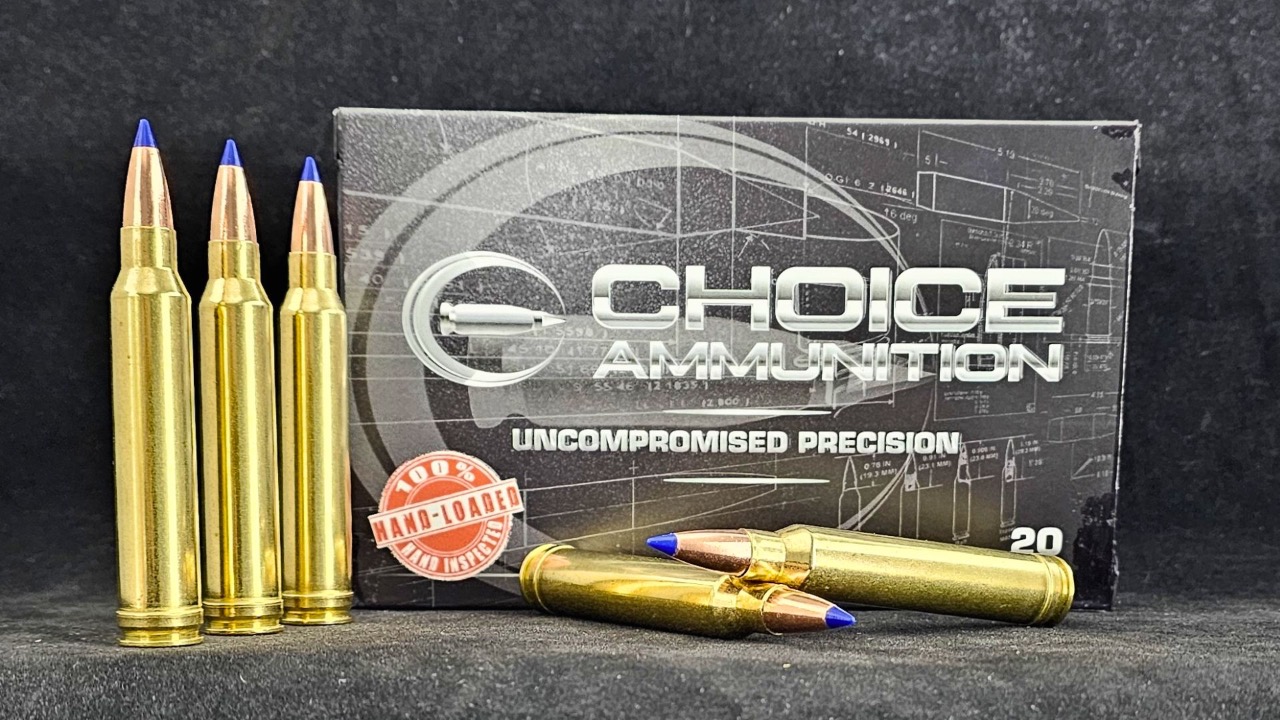
The .300 Winchester Magnum steps up when elk, moose, and large bears are the priority. It launches 180- to 200-grain bullets with enough velocity to maintain energy and expansion at longer ranges, while still driving deep through heavy muscle and bone. That extra horsepower gives a margin of safety on steep quartering shots where lesser cartridges might run out of penetration.
Hunters who travel for big Western or northern game often choose a .300 magnum as their primary rifle. The cost is increased recoil and muzzle blast, which can punish poor shooting habits if you do not practice. For those willing to manage that, the .300 Win. Mag. is a powerful tool that can still be loaded down with lighter bullets for deer when needed.
10. .338 Winchester Magnum for brown bear and heavy elk
The .338 Winchester Magnum is built for serious work on brown bears, big-bodied elk, and close-range moose. With 225- to 250-grain bullets, it offers a large frontal diameter and deep penetration, traits that matter when you may need to break heavy shoulders or reach vitals from less-than-ideal angles. Guides in bear country often favor cartridges in this class for their ability to stop trouble quickly.
For most hunters, the .338 is a specialized tool rather than a general-purpose deer round. Recoil is stout, and rifles tend to be heavier to keep it manageable. If your hunting plans include coastal brown bears or repeated elk trips in thick timber where shots are close and fast, the .338 Win. Mag. earns a place in a 12-cartridge lineup.
11. .45-70 Government for close-cover bear and hogs
The .45-70 Government, loaded with modern high-pressure ammunition in strong rifles, is a powerhouse in thick cover. Heavy flat-nose bullets at moderate velocities hit hard at woods ranges, making it a favorite for baited black bears, coastal brown bears in brush, and large feral hogs. Lever-action rifles chambered in .45-70 also carry well in alder tangles and swamps where quick handling matters more than long-range reach.
Within 150 yards, the .45-70’s trajectory is manageable with a good zero and practice. Beyond that, it is not the right tool, but in its lane it performs exceptionally well. Hunters who split time between bear baits, hog thickets, and backup duty in dangerous-game country often appreciate the authority this old cartridge still brings to the table.
12. .375 H&H Magnum for the heaviest game and travel hunts
The .375 H&H Magnum caps the lineup as a true heavy-game cartridge that still works on elk and moose when needed. With 270- to 300-grain bullets, it offers deep penetration and reliable expansion on the largest animals most hunters will ever face. Many countries that regulate dangerous-game hunting recognize the .375 as a minimum for species like large bears and African buffalo, which speaks to its capability.
For a North American hunter, the .375 H&H is not mandatory, but it makes sense if you plan occasional brown bear, bison, or international hunts. Recoil is significant, yet manageable in a properly stocked rifle. As the top end of a 12-cartridge battery, it ensures you are never under-gunned when the heaviest tags on the continent, or abroad, finally land in your pocket.

Asher was raised in the woods and on the water, and it shows. He’s logged more hours behind a rifle and under a heavy pack than most men twice his age.