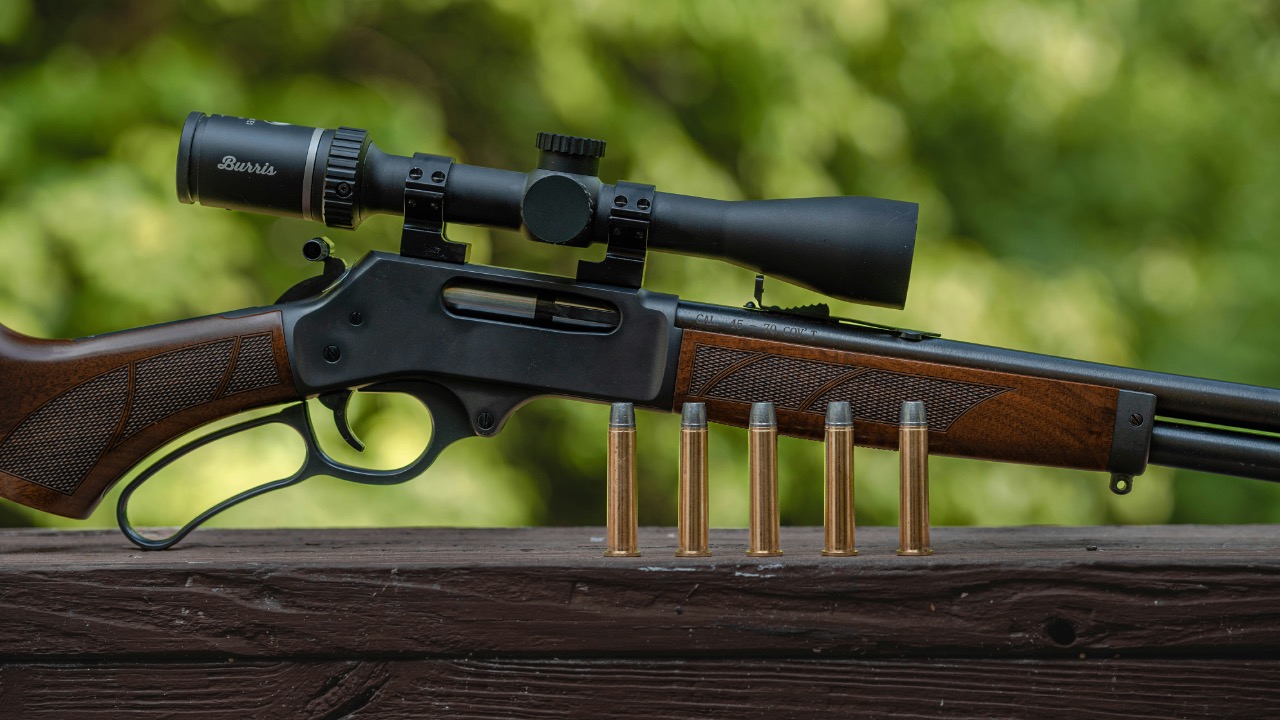
9 rifles that shaped American deer camps for generations
Deer camp in America has always been about more than punching a tag. Rifles become part of the family story, passed from one generation to the next along with recipes, jokes, and stand locations. When I look at the guns that keep showing up in cabins and pole barns year after year, a handful of models clearly shaped how we hunt whitetails together.
1. Winchester Model 70
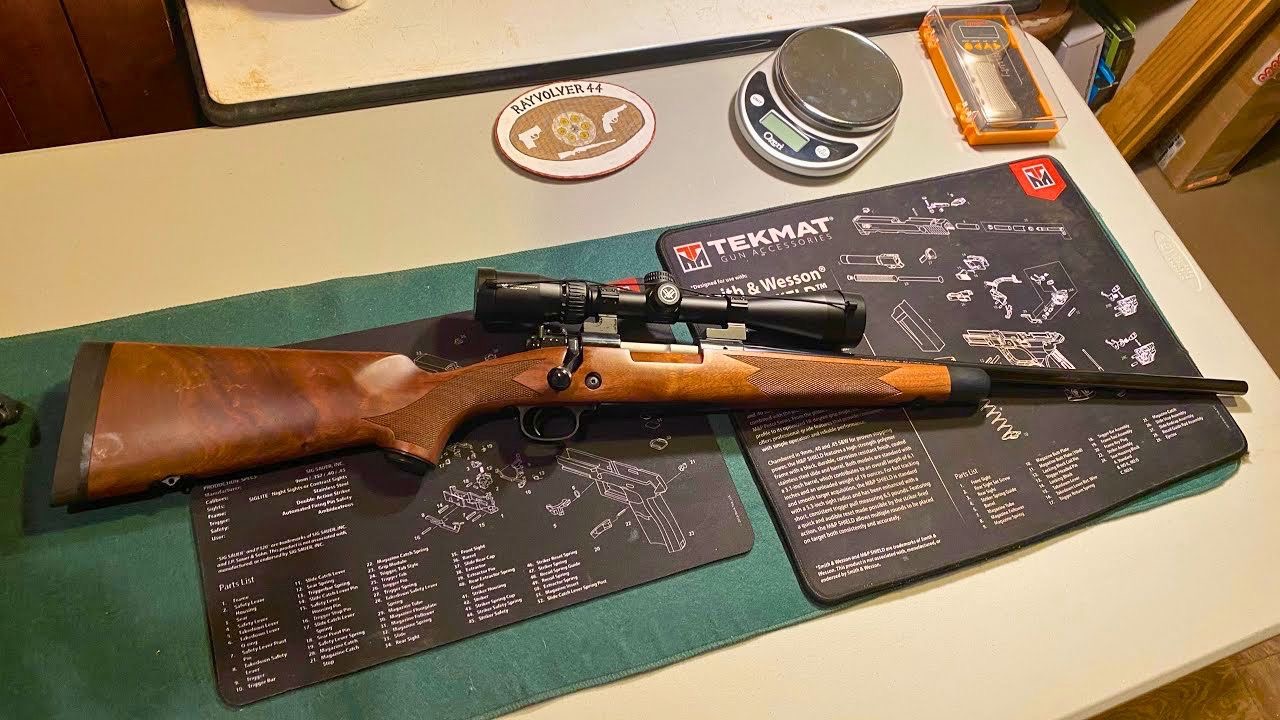
The Winchester Model 70 is the rifle that many hunters still call “The Rifleman’s Rifle,” and there is a reason it keeps showing up in old photos tacked to cabin walls. Described as Winchester’s crowning achievement, the bolt action Winchester Model 70 earned its reputation by combining controlled-round feed, a crisp trigger, and honest field accuracy. Pre-64 versions in .270 and .30-06 rode in scabbards and truck racks across the country.
That reliability mattered in deer camp, where one rifle often had to cover every tag in the family. A single Model 70 might be loaned to a cousin one year and a new son-in-law the next, yet it kept printing meat-making groups. When a gun carries that kind of trust, it becomes part of camp tradition, shaping how people think a proper deer Rifle should feel and function.
2. Pre-64 Winchester Model 70
The Pre 64 Winchester Model 70 deserves its own mention because hunters talk about it with a different tone of respect. Earlier production rifles used milled steel parts and a Mauser-style extractor that many shooters still prefer. In classic accounts, the pre-64 Winchester Model 70 was the gun of choice for outdoorsman Jack O’Connor, and that endorsement carried a lot of weight with serious deer hunters who read everything Jack Connor wrote.
In deer camps, those pre-64s often became the “good rifle” that rarely left the family. A father might let kids carry beat-up pumps or surplus bolts, but the pre-64 stayed in his hands until he was ready to pass it down. That sense of heirloom value helped cement the idea that a well-built bolt gun could last through several generations of whitetail seasons without losing zero or character.
3. Winchester 94 in .30-30
The Winchester 94 in .30-30 is the lever gun that filled more pickup cabs and wall racks than almost anything else. Compact and quick to the shoulder, the 94 made slipping through timber or still-hunting creek bottoms feel natural. One detailed look at classic rifles notes that the Winchester 94’s compact design and .30-30 Winchester chambering turned it into a go-to choice for close-range deer work.
In camp, the 94 was the rifle you handed to a teenager on opening morning because you knew it was safe, handy, and effective inside typical woods distances. Its tubular magazine and hammer made operation obvious even to new hunters. That combination of approachability and proven performance helped bring countless first deer to the meat pole, which is exactly how a rifle earns a permanent place in family lore.
4. Marlin 336
The Marlin 336 is the other lever gun that shows up in nearly every discussion of classic deer camp rifles. With its side-eject design, it took to scopes more naturally than top-eject competitors, which mattered as hunters started mounting optics on nearly everything. In one rundown of the Best Deer Camp Rifles, the Marlin 336 is singled out as a woods rifle that can hang with bolt guns in practical accuracy while staying fast in the brush.
That mix of speed and precision made the 336 a favorite in thick-cover camps where shots came quick and angles were tight. Chamberings like .30-30 and .35 Remington covered everything from small-bodied northern deer to heavier southern bucks. When a camp wanted one rifle that could ride in the truck, sit in a blind, and still look right on the rack above the woodstove, the 336 fit the bill.
5. Springfield M1903
The Springfield M1903 started life as a service rifle, but it did not take long for returning soldiers to carry it into deer season. Paul Mauser’s successful Model 98 pushed American designers to create a strong, accurate bolt gun, and the resulting Springfield action proved itself on battlefields before it ever saw a whitetail. Surplus rifles and sporterized 1903s then filtered into deer camps across the country.
Those rifles brought controlled-feed reliability and .30-06 power to hunters who had previously relied on lighter lever guns. In many camps, the old 1903 with a cut-down stock and a fixed 4x scope became the “loaner” that never failed. Its presence helped normalize the idea that a rugged military-style bolt action could be a practical, accurate deer rifle, influencing what later generations expected from their hunting guns.
6. Springfield sporters in civilian hands
Beyond the standard service configuration, Springfield sporters carved out their own niche in American deer camps. Writers who trace iconic hunting rifles point out that the Springfield’s accuracy and strength made it a natural platform for custom and semi-custom builds that could handle everything from varmints to large game. As one detailed history notes, Here the Springfield’s versatility is highlighted as a key reason hunters cherished it.
In camp terms, that meant one rifle might wear a heavy barrel for beanfield stands or a lighter profile for still-hunting ridges, yet it was still “the Springfield” everyone recognized. These sporters helped bridge the gap between pure military surplus and purpose-built hunting rifles. They also encouraged tinkerers in deer camps to bed stocks, swap triggers, and think critically about accuracy, which nudged the whole culture toward more precise shooting.
7. Savage Model 110
The Savage Model 110 changed what an affordable bolt gun could do for regular hunters. One influential overview of classic deer rifles notes that the Savage 110 design is both supremely accurate and very cheap, and that combination put real precision within reach of working families. Introduced as a budget-friendly option, The Savage quickly proved it could hang with more expensive rifles on the range and in the field.
Later coverage of modern deer rifles points out that Savage’s Model 110, with features like an adjustable AccuTrigger, remains a trusted choice for accuracy and affordability. When a camp needed a new rifle for a kid, or when someone finally stopped borrowing and bought their own, the 110 often ended up in the truck. That helped shift deer camps toward expecting sub-MOA performance from rifles that did not wreck the season’s budget.
8. Remington 740 and 742
The Remington 740 and its successor, the 742, brought semi-automatic firepower to deer camps that had long been dominated by bolts and levers. In a detailed look at classic deer rifles, the Remington 740 and 742 are highlighted for giving hunters fast follow-up shots in popular calibers like .30-06. That mattered in cutover country and big woods where multiple deer might step out at once.
In camp, these rifles often became the choice of the uncle who liked to shoot a lot and did not mind cleaning gas systems at the end of the day. Their presence also sparked debates around the table about whether semi-autos encouraged sloppy shooting or simply gave ethical insurance on marginal angles. Either way, they changed expectations about how quickly a deer rifle could be run while still carrying respectable accuracy.
9. Early American deer rifles
Long before modern bolts and levers, early American deer hunters relied on rifles that grew out of European designs. Historical work on rifle evolution notes that the design concepts of the Jaeger Rifle in Western Europe were used as the basis for the development of the lengthened American Kentucky and related long guns. Those early rifles were built for accuracy and practical field use, traits that still define what hunters want in a deer rifle.
In the context of deer camp, those long rifles set the cultural foundation. They were carried to remote cabins, leaned in corners while meat was processed, and handed down when land and family names were still being established. Every later camp rifle, from the Model 70 to the 110, traces part of its lineage back to that expectation that a hunting rifle should carry well, hit where it is aimed, and last long enough to matter to the next generation.

Asher was raised in the woods and on the water, and it shows. He’s logged more hours behind a rifle and under a heavy pack than most men twice his age.