The difference between range shooting and real-world defense
Most people who carry a handgun spend far more time on a square range than they ever will in a fight, and that can create a dangerous illusion. Punching tight groups into paper at 15 yards feels like competence, but real defensive shootings are messy, fast, and full of bad angles and moving bodies. The gap between range skill and real-world performance is where people get hurt.
I have spent years watching shooters who look excellent on a static line fall apart the first time they face movement, time pressure, or even mild stress. The difference between range shooting and real-world defense is not a small tweak in technique, it is a shift in purpose, mindset, and environment. If you carry a gun for protection, you need to understand that gap and train to close it.
Why square-range skill is only the starting point

Standard range work is valuable, but it is built around control, repetition, and safety on a fixed firing line. You stand in one spot, shoot at a known distance, and focus on fundamentals like grip, sight alignment, and trigger press. That kind of Standard range training is the foundation for new gun owners, and it builds muscle memory that you absolutely need before you add complexity.
The problem is that real attacks do not look like a neat row of shooters facing identical targets. Defensive encounters happen at odd distances, in low light, around vehicles and furniture, and often with other people between you and the threat. Even the companies that teach basic marksmanship acknowledge that a static bay is only a controlled environment to learn the basics, not a full preparation for a fight. If you stop at square-range skill, you are trained to shoot paper, not to solve violent problems.
Static range comfort vs tactical chaos
Most public facilities are static ranges for a reason, they are easier to run safely and keep everyone pointed in one direction. The upside of these static setups is that the range master can control the line and manage risk, which is why so many shooters spend their time in that environment. As one training provider notes, static ranges are relatively easy for staff to control and safely manage, but that same predictability is exactly what real-world defense does not offer.
Tactical ranges and scenario bays flip that script by forcing you to move, change positions, and work around obstacles while you shoot. Instead of a single lane, you might be navigating doorways, using cover, or engaging multiple targets at different angles. That kind of environment starts to mimic the chaos of a fight, where you may have to shoot from behind a car door or around a kitchen island. The more time you spend only in the comfort of a static lane, the more foreign that chaos will feel when it matters.
Accuracy standards on paper vs acceptable hits in a fight
On the range, shooters obsess over tiny groups and “clean” targets, and there is nothing wrong with wanting precision. In a defensive shooting, though, the standard shifts from pretty clusters to fast, solid hits that actually stop a threat. Several instructors point out that in a self-defense situation the goal is to STOP THE THREAT, not to keep every round inside a tiny bullseye, and that means accepting a larger “acceptable” hit zone if it buys you speed.
Everyday carriers wrestle with this online too, where CCW shooters debate what “good” accuracy really looks like. A common theme is that a fist-sized group at 7 yards on a calm range does not tell you much about how you will perform when you are drawing from concealment, moving, and trying not to get stabbed. In a fight, a hit that lands in the upper chest a little off center is far more valuable than a perfect X-ring shot that took two extra seconds you did not have.
Target shooting mindset vs defensive intent
Traditional target shooting is almost an administrative task, you load, you shoot, you score, and you repeat. The focus is on consistency and points, not on what the target represents. One analysis describes target shooting as an activity where score counts and you strive to shoot small groups or break clays, while the question of whether that skill translates to a gunfight is up to you. That mindset can lull people into thinking that a high score equals readiness.
Defensive work flips the mental script, because the only metric that matters is whether you can stop an attacker as quickly as possible. Instructors who focus on personal protection stress that there is a difference between TARGET SHOOTING PRACTICE and DEFENSIVE TRAINING, and that defensive shooting is about disrupting an assault, not chasing a perfect group. When you start thinking in terms of buying time, creating distance, and breaking an attacker’s will or ability to continue, your drills and your priorities on the range change fast.
What real-world scenarios actually look like
Real attacks are ugly. They happen at bad breath distance, in parking lots, in cramped hallways, and in front of your family. One training company that focuses on personal protection points out that The Shooting Range vs. a Real-World Scenario is not a theoretical debate, because actual incidents show how hard it is to perform under surprise, fear, and confusion. Practicing in a calm lane does not expose you to the screaming, the movement, or the moral weight of shooting another human being.
People who have been in real gunfights often describe how quickly fine motor skills and careful sight pictures fall apart. In one discussion, a shooter in a class on point shooting asked for the perspective of anyone who had been in an actual fight, and the responses in that When you have been in an actual gunfight thread highlight how much chaos and tunnel vision people experience. That kind of feedback lines up with what many trainers see, which is that even good shooters struggle to manage their environment once the situation stops being predictable.
Building stress and movement into your training
To bridge the gap, you have to start adding pressure and movement to your practice in a controlled way. Tactical programs emphasize that Tactical Training, Real-World Readiness Under Pressure Tactical work is built around shooting in high stress conditions, with target transitions and threat prioritization baked in. That means drawing from concealment, moving off the line of attack, using cover, and making decisions about which target to engage first instead of simply shooting whatever is in front of you.
You do not need a full shoot house to start. A simple shot timer can add a surprising amount of pressure, because it forces you to beat the beep and track your performance. One training guide notes that Stress Simulation One of the key benefits of timer work is that it simulates the urgency of real life and pushes you both physically and mentally. Add in simple lateral steps, turns, and use of cover, and your “range day” starts to look a lot more like the kind of problem you might actually face.
Distances, environments, and how you actually carry

Most defensive shootings with handguns happen at close range, often inside 7 yards, yet many shooters spend their time working slow fire at 25 yards because that is what the lane offers. Instructors who focus on concealed carry argue that your practice should reflect Your Daily Environment. If you carry in crowded urban areas, you should prioritize close distances, fast draws from concealment, and target sizes that reflect a human torso, not a full silhouette at the far end of the bay.
Dry fire at home, with an unloaded gun and strict safety habits, lets you work from the holster and around the furniture you actually live with. That kind of practice builds familiarity with your real cover options, your real sight pictures in low light, and the way your clothing affects your draw. When you go back to the range, you can then focus your live fire on confirming that those dry-fire reps translate, instead of wasting time on strings that have nothing to do with how you carry day to day.
Gear, ammo, and competition as a bridge
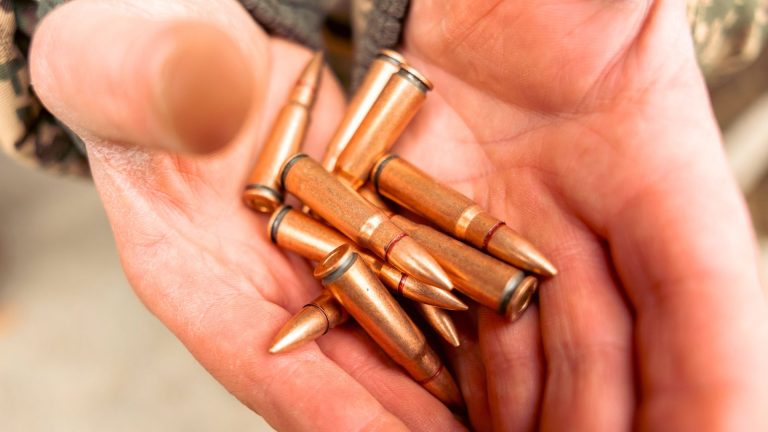
Another big disconnect between range work and real defense is gear and ammunition. Many shooters run cheap full metal jacket rounds for practice, then load hollow points or other expanding bullets for carry without ever confirming how they shoot. Ammunition makers explain that the main difference between target ammo and defense ammo is in the bullet design and intended use, and that defensive loads are built to expand and transfer energy instead of simply punching through.
That design has real consequences. One analysis of carry ammunition notes that Self-defense ammunition like hollow points is crafted to stop a threat while minimizing over-penetration risks, while another breakdown of practice versus defensive ammo warns that some practice rounds can often over penetrate and endanger bystanders. If you never shoot your carry load, you do not know how it recoils, where it prints, or how it behaves in your gun. On the gear side, practical competition like IDPA encourages the use of everyday carry gear and stage design that simulates defensive problems, which can be a useful bridge between sterile range work and the chaos of a real encounter.
Turning range time into real defensive training
The good news is that you do not have to abandon the range to train for real-world defense, you just have to change how you use it. Start by shifting your goals from score to problem solving. Instead of chasing a perfect bullseye, structure drills around drawing from concealment, getting fast upper chest hits, and moving to or from cover. Several trainers emphasize that in a self-defense context you are not trying to win a match, you are trying to stop an attacker as quickly as possible, and your drills should reflect that.
You can also borrow from practical shooting sports that are built around defensive scenarios. Match formats that use everyday carry gear and stage design to simulate a defensive engagement, like those described in IDPA matches, force you to think about movement, cover, and target priority under time pressure. Another perspective on home protection training notes that Target shooting is only part of the picture, and that how you choose to prepare for a gunfight is up to you. If you treat every range trip as a chance to rehearse the way you actually carry, move, and think, you start turning static practice into something that might keep you alive.

Asher was raised in the woods and on the water, and it shows. He’s logged more hours behind a rifle and under a heavy pack than most men twice his age.