Why Iran-U.S. tensions look different than past standoffs
Across the Gulf, the familiar pattern of threats, sanctions, and military moves between Washington and Tehran is back, but the ground under it has shifted. Iran is wrestling with deep unrest at home, the region is more crowded with rival power centers, and both sides are testing new ways to hurt each other without tumbling into a full war. That is why this round of friction looks and feels different from the big standoffs of the past two decades, even when the headlines sound the same.
What I see now is a confrontation shaped as much by internal weakness as by raw firepower. Iran’s leaders are trying to project strength while facing protests, economic strain, and questions about their own grip on power, and the United States is trying to contain a networked adversary that can strike through partners from Lebanon to Yemen. The result is a more unpredictable, more fragmented contest where misreading the other side could be even more dangerous than before.
From set-piece showdowns to a rolling confrontation
In earlier flare ups, the pattern between Iran and the United States tended to be episodic: a clear trigger, a burst of escalation, then a negotiated climbdown. Think of the years when nuclear talks rose and fell around specific enrichment milestones or sanctions packages. Today the confrontation looks less like a series of set-piece crises and more like a constant, low rumble, with cyber operations, proxy attacks, and economic pressure running in parallel almost all the time. Both capitals are still capable of sharp spikes in tension, but those spikes now sit on top of a steady baseline of hostility that rarely drops to anything like normal relations.
Part of that shift comes from how each side has built out its toolkit. Iran has leaned into a web of regional partners and armed groups that give it reach far beyond its own borders, while the U.S. has refined targeted strikes, sanctions enforcement, and defensive systems that can blunt direct retaliation. At the same time, the leadership in Tehran has to manage a restless population and a battered economy, which makes every external move double as a message to people watching inside the country. That mix of constant pressure, wider toolkits, and domestic crosswinds is what sets this era apart from the more linear crises of the past.
A weaker regime facing angrier streets
The most obvious difference this time is what is happening inside Iran’s borders. The country has been rocked by the 2025–2026 Iranian protests, a wave of demonstrations that have stretched across multiple cities and regions. Security forces have tried to smother the unrest with arrests and force, and authorities have imposed an internet blackout that has lasted for more than two weeks, which outside observers say makes it impossible to verify exact casualty numbers. That blackout is not a sign of confidence, it is a sign of a leadership worried that images of its own crackdown could further erode its legitimacy at home and abroad.
Those protests are not happening in a vacuum. They follow earlier rounds of anger over fuel prices, corruption, and social restrictions, and they are unfolding in an economy already squeezed by sanctions and mismanagement. Reporting on the unrest describes a combustible mix of economic frustration and political rage, with people openly challenging the authority of the clerical establishment and the security services that protect it. When a government is that preoccupied with its own streets, every confrontation with an external enemy like the Iran state’s traditional rivals becomes a balancing act between rallying nationalist sentiment and avoiding a blow that could expose real military or political weakness.
Military muscle meets real limits
On paper, Iran still fields a sizable military, with ballistic missiles, drones, and naval forces that can threaten shipping and bases across the region. Its leaders talk often about their ability to hit back if attacked, and they have demonstrated that reach through strikes and proxy operations in Iraq, Syria, and beyond. But analysts who track the balance of power point out that Iran’s conventional forces face serious constraints when stacked up against the air and naval strength of the United States and Israel. That gap matters more now that both sides are operating in closer proximity and testing each other’s defenses more frequently.
One detailed assessment notes that, during a 12 day conflict last year, Iranian attempts to hit targets were blunted by layered U.S. and Israeli systems, which limited the damage from missile and drone salvos. That same reporting stresses that Iran’s capacity to retaliate in a sustained way is constrained by those defenses and by the risk of drawing a much larger response against its own territory and leadership. In other words, Tehran can still cause pain, especially through partners and asymmetric tactics, but its room for a direct, prolonged fight with the United States is narrower than its rhetoric suggests, and its commanders know it.
Washington’s posture and the risk of miscalculation
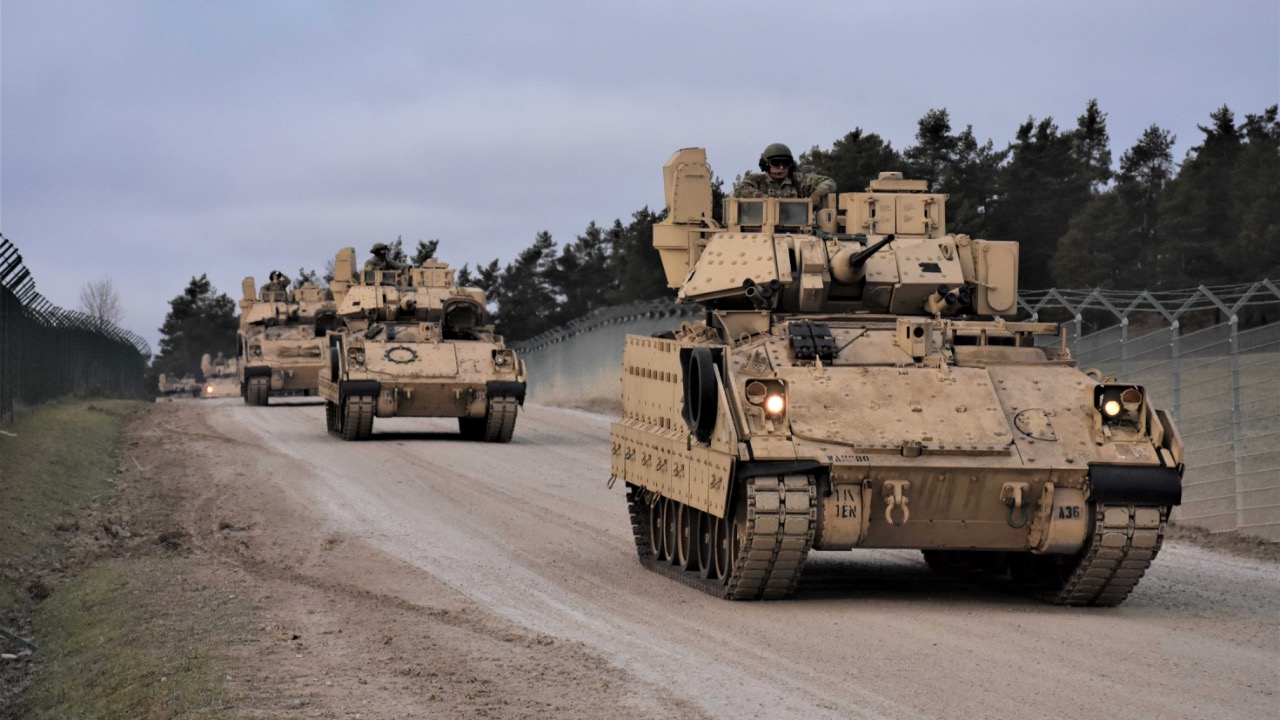
On the American side, the posture in the region has shifted from the large ground deployments of the Iraq and Afghanistan wars to a more agile mix of air, naval, and special operations forces. The arrival of a naval strike group led by the USS Abraham Lincoln in Middle Eastern waters earlier this year was a clear signal that Washington is willing to surge firepower quickly when it feels its troops or partners are under threat. That kind of move is meant to deter Iran and reassure allies, but it also raises the stakes if there is a misread radar blip or a rocket attack that kills Americans and demands a response.
At the same time, U.S. officials are trying to keep channels open to avoid sliding into a full scale war that nobody publicly says they want. Tehran has warned that any American attack could trigger a wider regional conflict, and Iranian officials have said they are ready for “fair” negotiations on nuclear and security issues if they are treated with respect. One senior American voice has argued that “you could make a negotiated deal that would be satisfactory with no nuclear weapons,” while also scolding European governments with the phrase “shame on you, Europe,” according to a detailed account of recent warnings from Tehran. That mix of deterrent deployments and talk of possible deals is a familiar American pattern, but it is playing out against a more fragile Iranian backdrop than in earlier cycles.
Internal instability reshaping Tehran’s calculus
When I look at how Iran’s leaders are behaving, the through line is that internal instability is no longer a background concern, it is a central factor in every external move. Analysts describe an “unprecedented blend of internal instability, external pressures, and strategic rethinking” inside the leadership, with factions arguing over how hard to push back against the United States and its partners. That debate is sharpened by the knowledge that another round of protests could flare if the economy takes a fresh hit or if a military clash exposes the regime as vulnerable. The leadership is trying to project resolve without inviting a blow that could crack its image of control.
One close look at Tehran’s mindset argues that this is why Iran’s response to any new American strike could be different from past episodes, less about dramatic missile barrages and more about calibrated, deniable actions that avoid a direct path to regime threatening escalation. That analysis, which traces how Iran’s response options have evolved, points to the weight of sanctions, the strain of protests, and the pressure from regional rivals as reasons the leadership might favor more indirect retaliation. In that sense, the regime’s weakness does not necessarily make it less dangerous, it makes it more likely to reach for tools that are harder to trace and harder to deter.
A long memory of foreign intervention
To understand why Tehran reacts the way it does, you have to factor in the long shadow of foreign intervention in Iran’s modern history. From the 1953 coup that toppled Prime Minister Mohammad Mossadegh to the support given to Iraq during the Iran Iraq war, Iranians have been taught for generations that outside powers, especially the United States and the United Kingdom, are eager to manipulate their country’s politics and resources. That history fuels a powerful narrative about resistance and sovereignty that the current leadership leans on whenever it faces pressure from abroad. It is not just propaganda, it is a story many ordinary Iranians have heard their whole lives.
One detailed review of the relationship notes that this history “fuels a narrative within Iran about resisting foreign intervention at all costs,” and that this sentiment is echoed strongly among both hardliners and many critics of the regime. That same analysis describes the relationship between the U.S. military and Iran as a complex standoff built on decades of mistrust and geopolitical maneuvering. When you layer that deep suspicion on top of current protests and economic pain, it becomes easier to see why Iranian leaders are so quick to frame any American move as part of a larger plot, and why they are reluctant to show any sign of backing down.
Regional powder keg and proxy battlegrounds
The Middle East around Iran is more crowded and volatile than it was during some earlier U.S. Iran showdowns. Conflicts in Syria, Yemen, and Iraq have created openings for Iran to build influence through armed groups and political allies, while rivals like Saudi Arabia, Israel, and Turkey have pushed back with their own campaigns. One detailed regional analysis describes the area as a “powder keg” that looks set to explode, with multiple flashpoints that could pull in outside powers if they spiral. In that environment, even a limited clash between American and Iranian forces risks triggering a chain reaction through proxy networks and local militias.
Reporting on recent fighting notes that, during a 12 day war last year, Iran’s ability to inflict serious damage was limited by advanced air defenses and the presence of American troops and assets spread across the region. That same account, which examines how US Iran tensions intersect with broader regional dynamics, stresses that Iran’s leadership is aware of those constraints but still sees value in using its partners to keep pressure on U.S. positions. The risk is that a rocket attack on a base in Iraq or Syria, meant as a calibrated message, ends up killing Americans and forces Washington to respond in ways that Tehran did not fully anticipate.
Media, messaging, and the battle for perception
Another way this standoff differs from earlier ones is how both sides use media, including social platforms and online video, to shape perceptions in real time. Iranian state outlets push footage of missile launches, naval drills, and speeches by commanders promising to hit back at any aggression, while American officials highlight images of carrier groups, precision strikes, and intercepted drones. Independent analysts and former officers break down these moves on platforms like YouTube, where detailed briefings walk viewers through the capabilities and vulnerabilities of each side’s forces. Those videos reach audiences far beyond policy circles and help set the tone for how ordinary people understand the risk of war.
One widely viewed segment, for example, walks through the latest deployments and explains how a clash in the Gulf could unfold, using maps and graphics to show where American and Iranian units are positioned. Another clip focuses on the political context, explaining how protests and economic strain inside Iran could shape its leaders’ decisions in a crisis. These kinds of online briefings and video analyses do not set policy, but they do influence public expectations and can box leaders in if they feel they have to match the tough talk their own supporters are hearing on screen.

Asher was raised in the woods and on the water, and it shows. He’s logged more hours behind a rifle and under a heavy pack than most men twice his age.