How Arctic tensions are reshaping military logistics
The Arctic used to be a quiet corner of the map, a place where great powers sent scientists and icebreakers instead of bombers and brigades. That era is over. As sea ice retreats and new sea lanes and resource plays open up, the region is turning into a live theater of competition, and the first thing that changes in a theater like that is how you move fuel, food, and people.
What is playing out now is a full rewrite of military logistics in the High North, from how convoys cross thawing permafrost to how drones and satellites knit together a battlespace the size of continents. If you care about national security, shipping, or even where your winter heating fuel comes from, you should care about how Arctic tensions are reshaping the way militaries plan, stock, and fight in the cold.
The Arctic’s new strategic map
Strategists used to joke that the Arctic was where geopolitics went to cool off, but that line no longer holds. Analysts now describe Russia as the world’s largest Arctic state, with roughly half of the world’s Arctic coastline inside the Russian Federation, and that geography alone guarantees friction as sea ice retreats and traffic grows. The Northern Sea Route and other passages are turning into real shipping corridors, and the Bering Strait is emerging as a new chokepoint where United States, Russian, and Chinese interests meet in a narrow funnel of water. That kind of geography forces militaries to think in terms of contested sea lanes, not empty ice.
Climate Change is the accelerant in all of this. Warmer summers are opening more Arctic routes for longer stretches of the year, which in turn creates new risks and opportunities in the North Atlantic region. A detailed look at regional flashpoints frames The Arctic as a Risk of Escalating, driven by its crucial strategic location and the fact that, due to its position between North America, Europe, and Asia, whoever controls the Arctic can shape global trade and military transit. For logisticians, that means the High North is no longer a seasonal sideshow. It is a main route that has to be supplied, defended, and kept open under pressure.
Russia, China, and a crowded High North
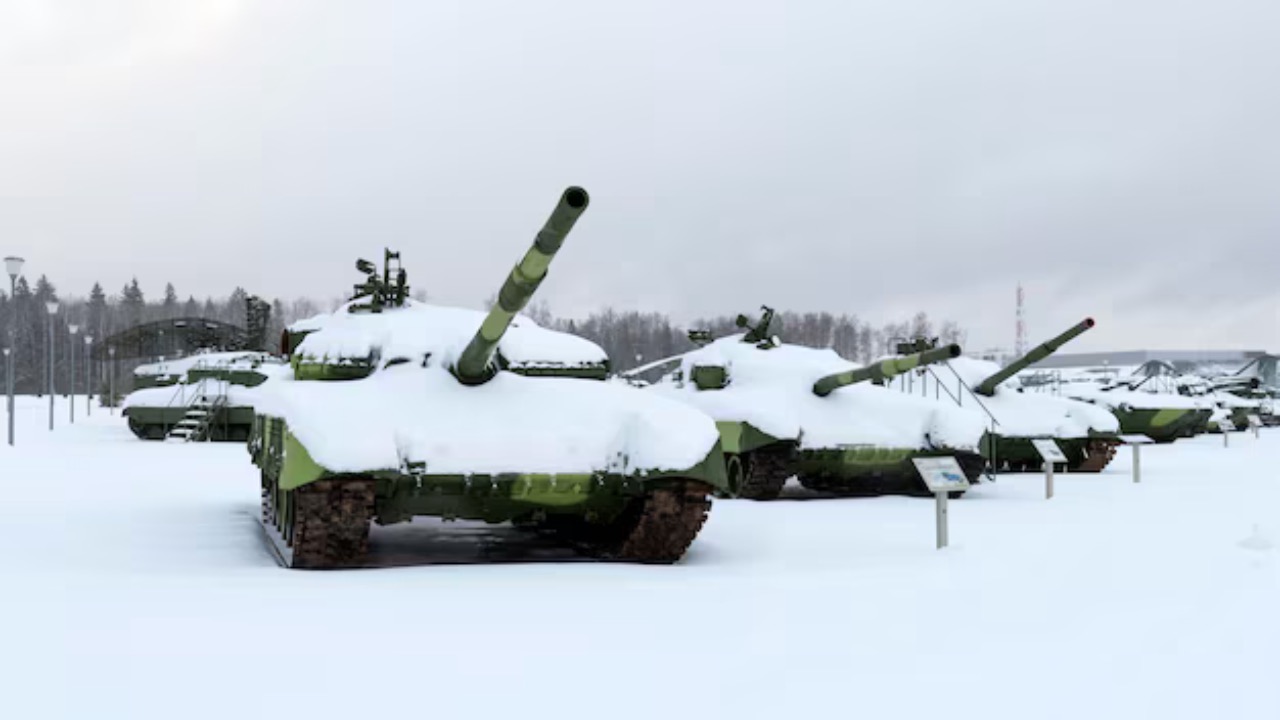
Any honest look at Arctic logistics has to start with Moscow. Russian land forces, including coastal missile units and specialized Arctic brigades, have been built up along that long northern coastline, and analysts tracking Russia note that these units are both a legacy of Soviet planning and a signal of future intent. A separate assessment of the region argues that the Arctic remains a zone of sustained competition, with Russian officials betting heavily that northern energy and shipping will stay commercially viable. That bet drives Moscow to harden ports, airfields, and depots, which in turn forces NATO planners to think about how to support operations in a theater where the other side already has the home-field warehouse advantage.
China is not an Arctic state, but it has been busy branding itself a “near-Arctic state” and building reach into the region. A detailed study of Chinese and Russian cooperation describes Sophisticated efforts to shape global internet governance at the UN and through the Digital Silk Road, along with new underwater and deep sea mining projects. Collaboration with Russia is described as vital to these polar ambitions, which include research stations and dual use infrastructure. When you put that together with Russian militarization, the logistics picture shifts from simple resupply in bad weather to a three way contest over cables, ports, and airfields that all have to be stocked and defended.
NATO’s balancing act and the new U.S. Arctic Strategy
On the Western side, NATO is trying to walk a tightrope. A major assessment of alliance posture argues that NATO must find an appropriate balance between minimal presence and over militarizing Arctic affairs, warning that “Too much” NATO could fuel escalation and tactical errors. That is not a theoretical debate. Every new fuel farm, ammunition dump, or prepositioned vehicle park in the High North sends a signal, and logisticians are being asked to design supply networks that reassure allies without looking like invasion staging grounds. A separate deep dive on regional insecurity underlines that alliance planners are rethinking Arctic policy in light of Russian aggression and Sino Russian coordination, which means logistics officers are now part of the deterrence conversation, not just the support act.
Washington has started to codify that shift. The DOD’s 2024 Arctic Strategy lays out three lines of effort, including enhancing capabilities, strengthening the rules based order, and increasing U.S. presence in the Arctic. A separate academic review notes that the changing environment is most evident in that Department of Defense, which explicitly flags growing Sino Russian activities in the region. For logisticians, those documents are marching orders: build supply chains that can survive contested seas, cyber attacks, and brutal weather, and do it in a way that supports presence without tipping into provocation.
From theory to practice: bases, fleets, and prepositioned gear
Grand strategy only matters if you can get boots, beans, and bullets where they need to go. The United States has been quietly rebuilding its northern posture, and logistics is at the center of that. One detailed study notes that the United States reconstituted the U.S. Second Fleet in 2018 and expanded it to form the Atlantic Join command, in part to better manage operations in the North Atlantic and Arctic. That kind of move is not just about admirals and flags. It is about building the staff and planning muscle to coordinate convoys, ice capable escorts, and resupply runs across a vast ocean where storms and ice can shut down a route overnight.
On land, the Marine Corps has long maintained pre positioned combat equipment in Norway to improve the ability to respond quickly in the High North, a point U.S. officials have highlighted as they talk about supporting Arctic allies should deterrence fail. A separate policy piece on North American defense points out that US bases and infrastructure across the region are being reassessed, and that Another critical piece of the U.S. basing network is the Keflavik Naval Air Station in Iceland, where renewed investments at Keflavik Naval Air Station in Iceland are described as positive steps. Those bases are not glamorous, but they are the gas stations and garages that make Arctic operations possible.
Greenland, chokepoints, and energy logistics
Energy is the other big driver of Arctic logistics, and here Greenland looms large. A detailed look at northern energy politics argues that How Greenland Gives United States New Leverage Over Russia’s Arctic Energy Strategy is tied to geography. Greenland has emerged as a strategic Arctic linchpin, giving Washington new leverage over Russian export routes and infrastructure that underpin its Arctic Energy Strategy. Control over airfields and ports on Greenland allows U.S. planners to monitor and, in a crisis, potentially disrupt the flow of oil and gas that Moscow hopes to ship out of the Arctic. That is a logistics problem as much as a diplomatic one, because it involves tankers, pipelines, and the depots that feed them.
At the same time, the sea lanes themselves are becoming more crowded and more contested. Analysts tracking Arctic geopolitics warn that the New Chokepoint for and the Bering Strait are turning into narrow gates where U.S., Russian, and Chinese interests converge. Every tanker and container ship that threads those waters depends on predictable refueling and rescue options, and in a crisis those same routes would be lifelines for military convoys. That is why you see more attention on search and rescue bases, fuel storage, and ice capable tugs in places that used to be afterthoughts on the logistics map.
Cold reality: why Arctic logistics are different
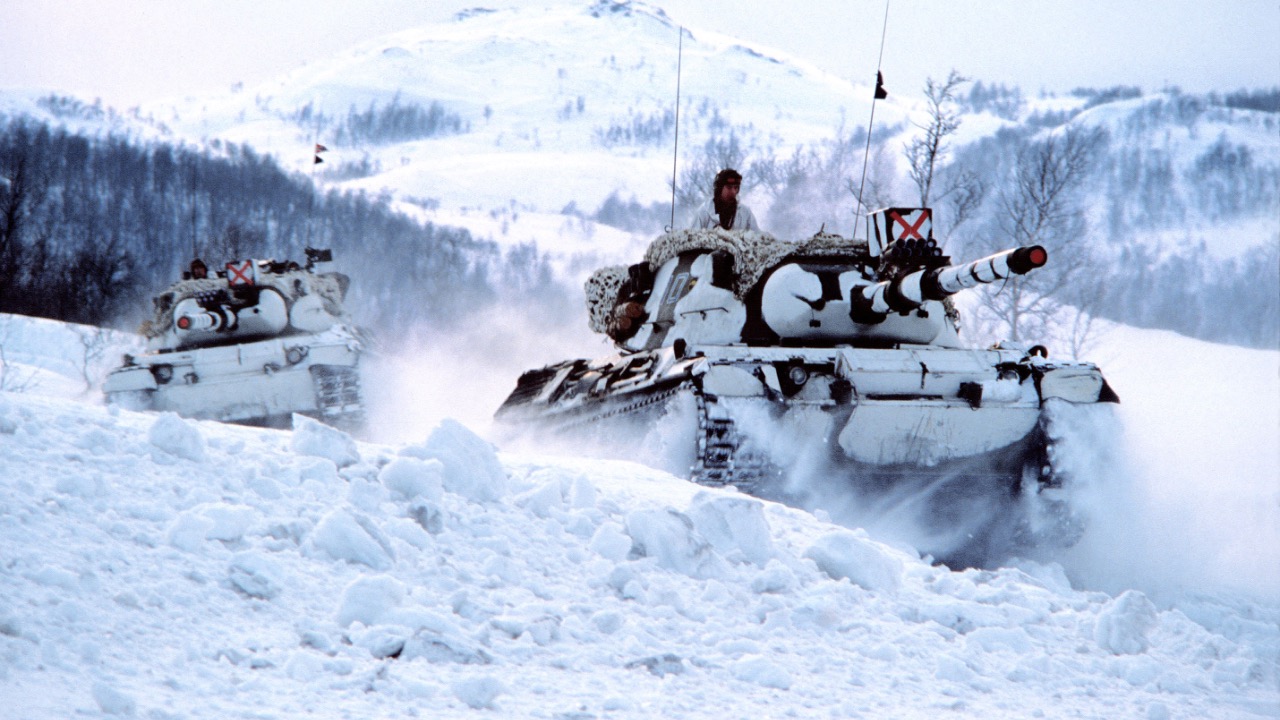
Anyone who has hauled a sled or run a snowmachine in real winter knows that cold changes everything, and the military is relearning that lesson at scale. A detailed assessment of military challenges in the region notes that Snow blindness reduces visibility, while the cold backdrop enhances thermal targeting optics and leaves infantry exposed. Vehicles that run fine in Germany or Kansas seize up when lubricants thicken and batteries die at forty below, and simple tasks like refueling or changing a track can turn into frostbite risks. Another section of that same analysis underlines that Snow and ice also change how sensors work, sometimes helping thermal imagers, sometimes masking movement, which complicates everything from convoy security to air defense.
Those environmental swings are not one off events. A National Academies review concludes that the repeated environmental transitions faced by military personnel create significant challenges and opportunities to operational effectiveness and resilience. Troops and gear may cycle from temperate bases to Arctic exercises and back again, which means logisticians have to manage not only cold weather kits and specialized fuels but also training pipelines and medical support for those transitions. A separate logistics primer notes that Some of the main characteristics of wartime logistics include changing conditions, alternative pathways, and hidden operations, and that Some of the same traits show up in Arctic planning, where routes can vanish under ice or mud and resupply may have to shift from road to air to sea in a single operation.
New machines for old ice
To cope with that environment, militaries are retooling their fleets. The Army has been blunt that it must modify its Cold Weather All Terrain Vehicles, increase the number of aerial deliveries, and use autonomous assets to extend operational reach in the High North. A separate summary of that effort notes that The Army is looking at more aerial resupply and autonomous systems precisely because traditional truck convoys are so vulnerable to weather and terrain. That is a big shift for a force that has long relied on roads and rail, and it pushes logisticians to think more like bush pilots and less like highway planners.
Special operations units are making similar adjustments. U.S. special operations forces are set to get vehicle converter kits for the Arctic, with Polaris preparing its Arctic kit for the MRZR Alph series so that light vehicles can run on snow and ice instead of gravel. A more detailed look at those programs notes that Polaris is adapting the MRZR Alph platform with skis, tracks, and cold weather kits so that the same chassis can operate in multiple climates. That kind of modularity is gold for logistics planners, because it means fewer unique parts to stock and more flexibility when units shift from desert to tundra.
Drones, data, and uncrewed resupply
The other big change in Arctic logistics is overhead. Uncrewed systems are starting to do work that once required manned aircraft or long, risky convoys. A detailed commentary on high north operations argues that harnessing uncrewed capabilities is now central to Arctic defense and security, but that Procurement of Arctic capable drones across NATO remains fragmented, slow, and risk averse. A related summary notes that procurement of Arctic capable drones across NATO remains fragmented, slow, and risk averse because most allies still prioritize systems designed for milder climates, which results in few NATO certified Arctic ready platforms. That leaves a gap in surveillance and resupply that adversaries will notice.
Space and cyber are part of the same story. The study of Chinese and Russian cooperation in the polar and space domains notes that Beijing is using Digital Silk Road projects and new underwater systems to shape global internet governance and deep sea mining, while Russia works on its own space and undersea infrastructure. For Western logisticians, that means satellite links, undersea cables, and data centers are now part of the supply chain they have to defend. A separate commentary on uncrewed systems in the High North underlines that NATO planners see drones not only as scouts but as future cargo haulers that can move blood, ammunition, or spare parts across ice without risking a pilot.

Asher was raised in the woods and on the water, and it shows. He’s logged more hours behind a rifle and under a heavy pack than most men twice his age.