Gun rights advocates push back on Kristi Noem’s protest remarks
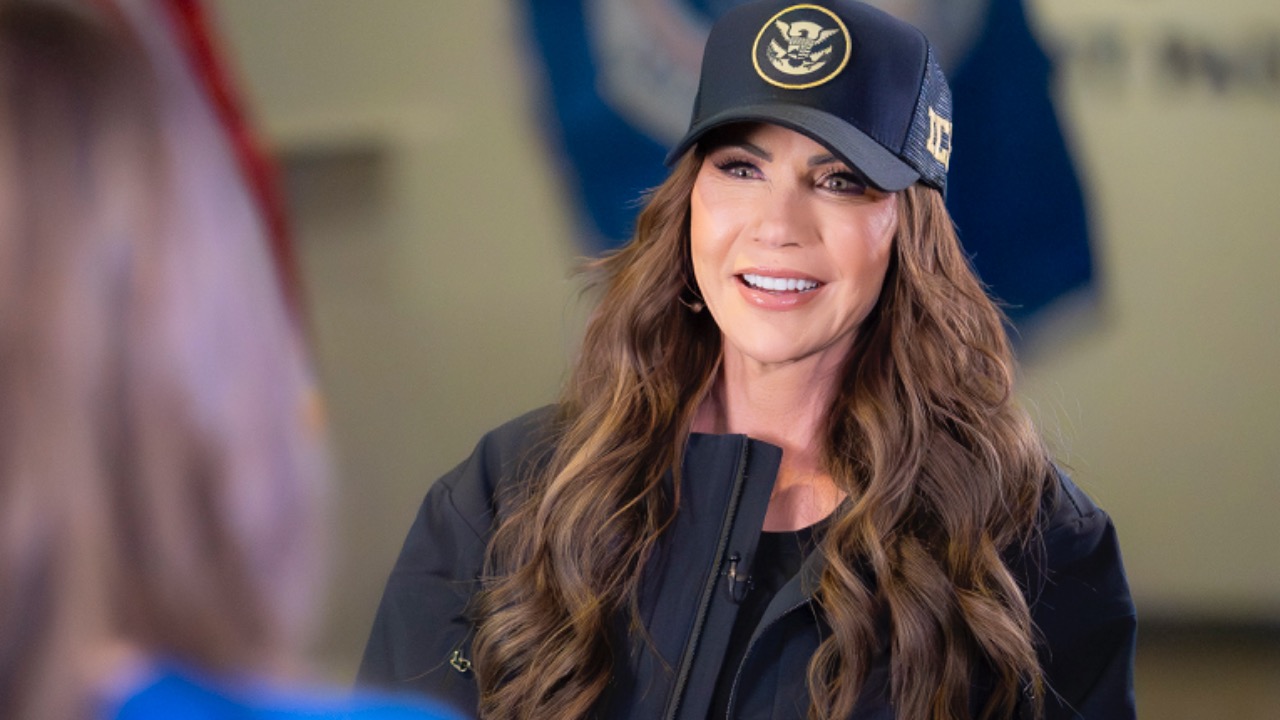
Homeland Security Secretary Kristi Noem’s comments about what “peaceful protesters” look like have lit up the gun world like a tracer round in the dark. By tying the presence of a firearm at a demonstration to criminal intent, she walked straight into a long‑running fault line between public safety rhetoric and the rights of people who carry. Gun rights advocates are now pushing back hard, arguing that her framing does more than misread the law, it paints millions of lawful gun owners as presumptive threats.
The fight is not happening in a vacuum. It is unfolding in the shadow of a Minnesota protest shooting, the Alex Pretti case, and a White House that is trying to balance law‑and‑order messaging with a base that takes the Second Amendment personally. I see a familiar pattern here: officials talk loosely about guns in tense moments, and the people who actually live with those laws, and carry under them, are left to clean up the mess.
Noem’s protest comments that lit the fuse
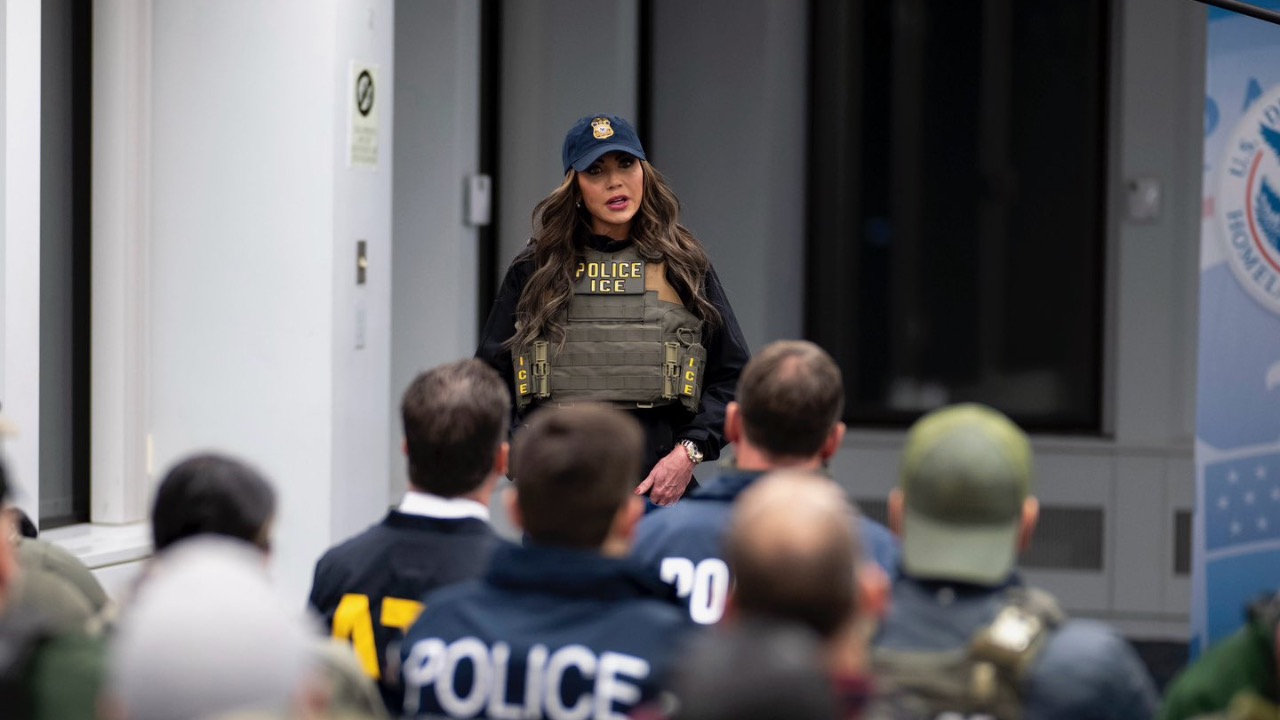
The spark for this latest clash came when Homeland Security Secretar Kristi Noem, speaking at FEMA headquarters, said she did not know of any peaceful protester who shows up with “a gun and ammunition” instead of a sign. In that setting she was responding to questions about a protest in Minnesota that ended in gunfire, and she framed the presence of a firearm and spare rounds as a telltale sign that someone was not there to demonstrate peacefully. Her line about what “peaceful protesters” do or do not carry was clipped and shared widely, and for people who routinely attend rallies while armed, it sounded less like a safety reminder and more like a blanket accusation that their very presence is suspect, a point that clips of her FEMA remarks made painfully clear.
That single sound bite landed in a political environment already charged by the Minnesota shooting and the Alex Pretti investigation. When a cabinet official with “Homeland Security” on her nameplate suggests that carrying a gun to a protest is inherently unpeaceful, it is not an academic debate for the folks who have spent years getting permits, training, and learning the rules. It is a signal about how federal power might view them the next time they step off a sidewalk with a holstered pistol and a homemade sign, and it set the stage for a broader revolt inside the gun community.
How the Minnesota shooting and Alex Pretti became the test case
The backdrop to Noem’s comments is the shooting in Minnesota, where a protest in Minneapolis ended with a man shot after he was disarmed. That incident, and the role of Alex Pretti, turned into a national flashpoint almost overnight. According to reporting on the case, Trump administration officials, including DHS Secretary Kristi Noem and FBI Director Kash Patel, publicly suggested that Pretti’s decision to show up armed at a demonstration showed he was not a peaceful participant and that his firearm was intended to injure law enforcement, even as details about his actions and intent were still being sorted out. Those portrayals of Alex Pretti as something close to an armed aggressor landed poorly with people who see lawful carry at protests as a constitutional exercise, not a confession of bad intent.
Gun rights groups quickly zeroed in on the fact that in Minnesota, permit holders are legally allowed to carry firearms, concealed or openly, at demonstrations. In their view, the Minnesota shooting is tragic, but it does not erase the legal framework that lets a person like Pretti attend a protest while armed. When Trump administration officials, including DHS Secretary Kristi Noem and FBI Director Kash Patel, pushed back on Pretti’s Second Amendment protections, critics inside the gun world saw it as a deliberate attempt to turn a lawful act into a narrative of premeditated violence. That is why the portrayal of Pretti’s actions has become a rallying point, not just another case file.
Gun groups say Noem is “fundamentally wrong” on the law
Once Noem tied “peaceful” to “unarmed,” gun rights organizations moved from grumbling to open confrontation. One prominent gun‑rights group flatly said Noem is “fundamentally wrong” on Minnesota law, pointing out that state statutes allow permitted carriers to bring firearms to public demonstrations, whether concealed or openly. They argued that her comments, echoed by Patel, misled the public about what is actually legal in Minnesota and risked giving law enforcement the impression that anyone armed at a rally is automatically breaking the law. That criticism was sharpened by the reminder that in Minnesota, the legislature had already debated and settled the question of carry at protests long before this shooting.
For these groups, the issue is not only statutory accuracy, it is the message sent to millions of permit holders across the country. If a Homeland Security Secretar publicly suggests that carrying at a protest is outside the bounds of peaceful behavior, that can chill lawful conduct even where the law is crystal clear. It also hands ammunition to local officials who might want to crack down on armed demonstrations by citing federal rhetoric. That is why the phrase “fundamentally wrong” is doing so much work here: it is a warning that when top officials misstate the law, they are not just misspeaking, they are helping to rewrite the social rules around carry without going through a legislature.
“I don’t know of any peaceful protester…” meets real‑world examples
Noem’s claim that she does not know of any peaceful protester who shows up with a gun and ammunition rather than a sign ran headlong into the lived experience of people who have done exactly that. Critics were quick to point to high‑profile examples like Kyle Rittenhouse’s presence around protests and convention events, as well as countless smaller rallies where armed citizens stood on the edges with slung rifles or holstered pistols and never fired a shot. One viral response framed it bluntly: “Hey Kristi! Meet” the many Americans who have carried at demonstrations without incident, arguing that her statement erases a whole category of lawful political expression. That pushback was amplified by posts that highlighted how Kristi Noem seemed unaware of, or unwilling to acknowledge, those examples.
From where I sit, that disconnect matters because it shows how far apart the Beltway conversation can be from the ground truth in places where open carry at a march is almost routine. In some states, gun owners have spent years normalizing the sight of rifles at capitol protests, Second Amendment rallies, and even broader political marches. When a senior official says she does not “know” of peaceful protesters who carry, gun owners hear something closer to “I do not recognize you as legitimate participants in public life.” That is why the response has been so personal and so pointed, especially among people who have stood armed at protests precisely to deter violence, not start it.
Inside the broader 2A backlash to the Trump team
Noem is not catching this heat alone. The portrayal of Alex Pretti and the Minnesota shooting has triggered a wider Second Amendment backlash against the Trump administration’s top security voices. Multiple gun rights groups have criticized Homeland Security Kristi Noem and FBI Director Kash Patel for publicly condemning Pretti’s decision to carry at the protest, arguing that they rushed to paint him as a would‑be cop killer before a full investigation. Those organizations say the administration’s framing of Pretti as inherently dangerous because he was armed at a protest is exactly the sort of narrative they have spent decades fighting.
Legal experts have joined that criticism, warning that the administration’s stance risks turning a constitutional right into a conditional privilege that evaporates the moment someone steps into a politically charged space. Some pointed to earlier comments from Trump officials that seemed to discourage armed attendance at protests with blunt warnings like “Don’t do it!” and argued that such blanket advice ignores the reality that in many states, carrying at a demonstration is both legal and common. That is why gun rights groups and legal analysts have publicly questioned the Trump administration’s stance on the Second Amendment in this case, saying the government should not treat the mere presence of a firearm as proof of criminal intent, a concern laid out in detail by those who question this stance.
NRA and national groups warn against rushing to judgment
When the National Rifle Association weighs in against a Republican administration, you know the split is real. The NRA has called one senior official’s statement about Pretti “dangerous and wrong,” specifically criticizing Essayli’s comments that suggested the presence of a gun at the protest was itself incriminating. The group urged public officials to wait for a “full investigation” instead of jumping to conclusions about a man who, by all available accounts, had a license to carry. In their view, treating a permitted firearm as a smoking gun before the facts are in undermines both due process and the Second Amendment, a point they underscored in their rebuke of Essayli.
Other national gun rights organizations have echoed that warning, arguing that if the government can retroactively criminalize lawful carry at a protest by pointing to a tragic outcome, then every armed citizen at a rally is one bad incident away from being cast as a villain. They are not defending every tactical choice Pretti made, and many have said privately that carrying multiple magazines into a volatile crowd is unwise. But they are drawing a hard line between criticizing judgment and criminalizing a right. That distinction is at the heart of their pushback against the Trump team’s rhetoric, and it is why they are so focused on the fact that Pretti reportedly had a license to carry, a detail highlighted in coverage of comments from Trump and his aides.
White House tries to steady the message on armed protests
Faced with growing anger from gun owners, the White House has tried to thread a needle between backing its security chiefs and reassuring the Second Amendment crowd. In one notable moment, officials effectively contradicted the FBI Director by stressing that law‑abiding protestors have a right to bear arms, even at demonstrations. That statement, reported by Philip Wegmann, framed the issue as a matter of constitutional principle: if someone is a “Law Abiding Protestors,” they “Have Right To Bear Arms,” and the government’s job is to protect that right while still responding to actual threats. It was a clear attempt to calm a base that heard earlier warnings as a blanket “do not carry” order, and it put the White House on record as saying that law‑abiding protestors are not the problem.
That clarification did not erase Noem’s earlier comments, but it did show that people inside the administration understand how sensitive this issue is. When you tell gun owners that they “have a right to bear arms” at protests, you are acknowledging that the Second Amendment does not stop at the edge of a rally. At the same time, the White House is still trying to support security officials who are dealing with real threats in crowded, emotional environments. The result is a mixed message: on one hand, a green light for lawful carry, on the other, a steady drumbeat from figures like Noem and Patel that suggests armed protesters are inherently suspect. That tension is exactly what has gun rights advocates on edge.
Republican infighting and the “prove‑it” moment for 2A activists
The fallout from Noem’s remarks has not been limited to the gun community; it has also exposed a rift inside the Republican Party. After Minnesota, Republicans have been parrying over the right to carry while Democrats have largely united against Noem’s stance. Some GOP lawmakers have defended her emphasis on public safety, but others, including conservative voices who usually back law‑and‑order messaging, have sided with gun rights groups and questioned whether a Homeland Security Secretary who misstates Minnesota law should keep her post. That internal clash has grown loud enough that some have openly called for Noem to step, arguing that a Republican administration cannot afford a security chief who alienates core Second Amendment voters.

Asher was raised in the woods and on the water, and it shows. He’s logged more hours behind a rifle and under a heavy pack than most men twice his age.