Why some cartridges vanish — then come roaring back
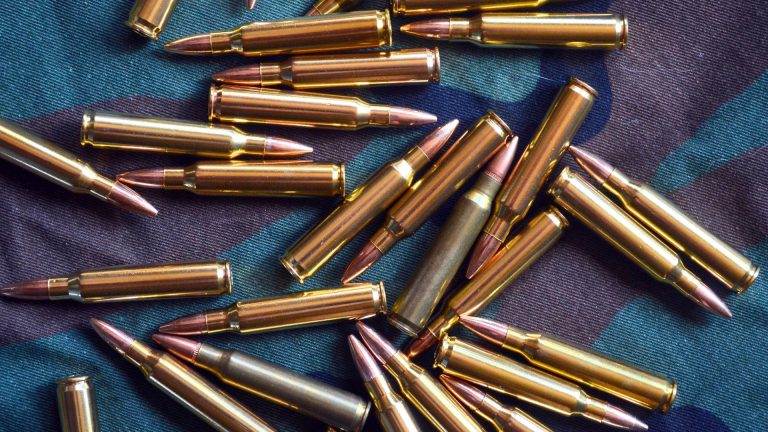
Cartridges have life cycles, just like trucks, boots, and fishing lures. Some rounds burn hot for a few years and vanish from shelves, while others refuse to die and occasionally surge back into the spotlight when the market or the rules change. When you look closely at the history, the pattern is not random at all, it is driven by how people actually fight, hunt, and carry guns, and by how old ideas keep getting rediscovered in new packaging.
When a cartridge disappears, it is usually because the job it was built for changed or because something else does that job cheaper, softer on the shoulder, or more reliably. When it returns, it is almost always riding a new platform, a new regulation, or a new story that makes shooters look at it with fresh eyes. I have watched that cycle play out on the range, in deer camps, and behind gun counters, and the same forces keep showing up.
Old warhorses and the problem of “too much cartridge”
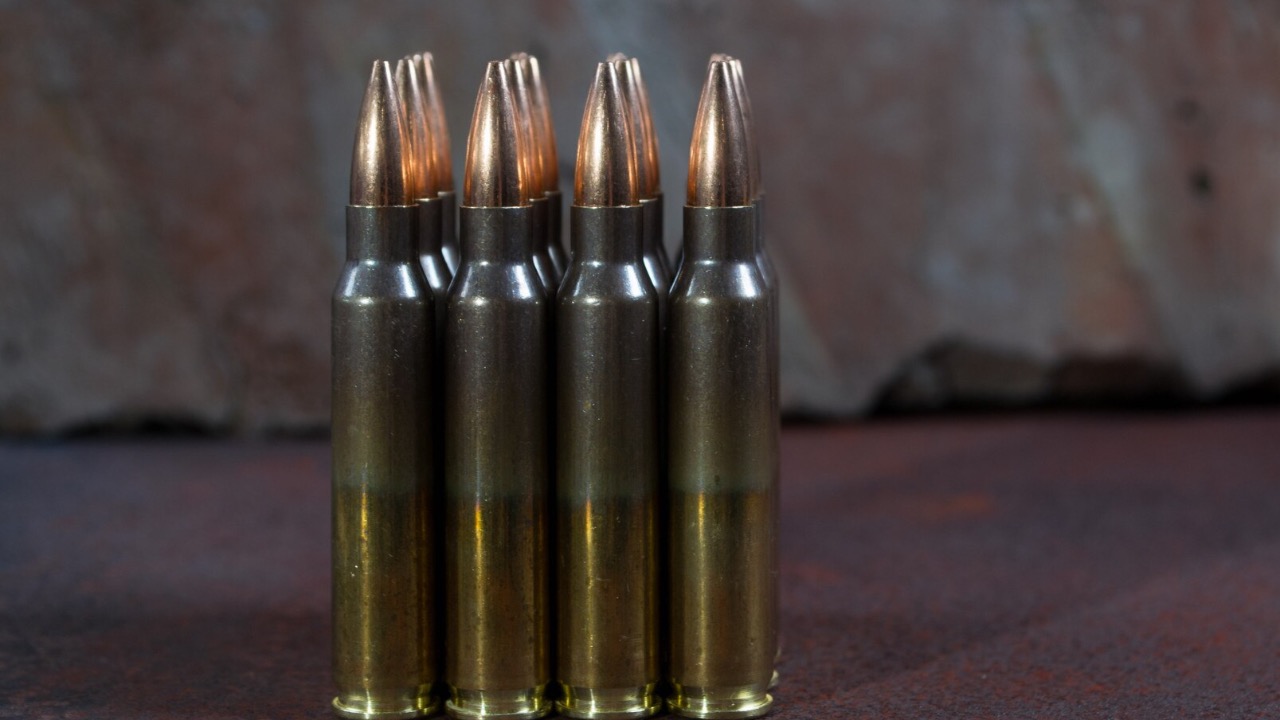
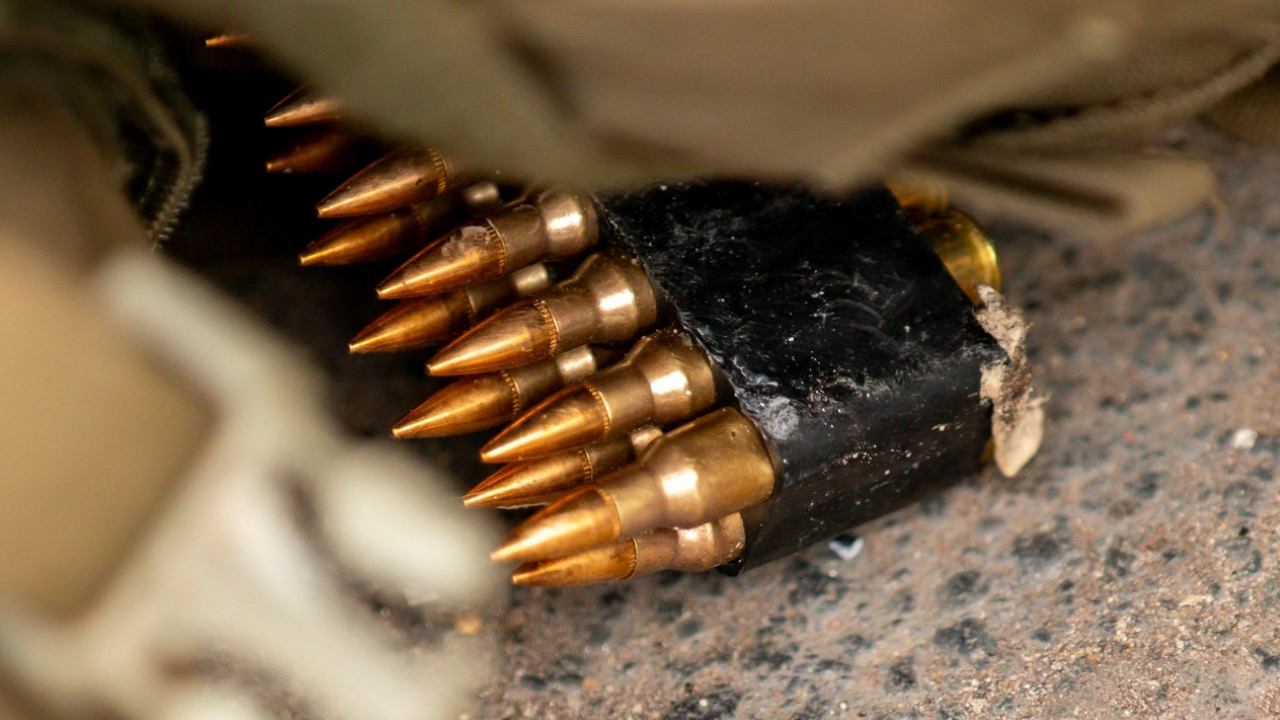
Military history is full of cartridges that were brilliant on paper and punishing in the field. Early smokeless service rounds like the .303, 8 mm Mauser, and 7.62x54mmR were built around the idea of long range volley fire and hard hits at distances that most infantry never actually used. Later analysis of combat showed that most small arms fights happened inside roughly 300 m, which meant those full power rounds were more than soldiers really needed and brought extra recoil and weight that did not pay off in real-world fights, a point that has been made bluntly in discussions of 303 and similar rounds.
That mismatch between design theory and actual use is one reason so many early twentieth century cartridges faded from front line service. The 8 mm Mauser, for example, reflected an older mindset that prioritized heavy hits at distance, shaped by armies that were only a few decades removed from muzzle loading rifles and black powder tactics. Later, as militaries shifted to lighter, handier rifles and automatic fire, those same full power rounds were pushed aside in favor of intermediate cartridges that better matched the real engagement envelope, even though the old rounds kept a loyal following among hunters and surplus shooters who appreciated what a classic Mauser can still do.
Why some military rounds never really go away
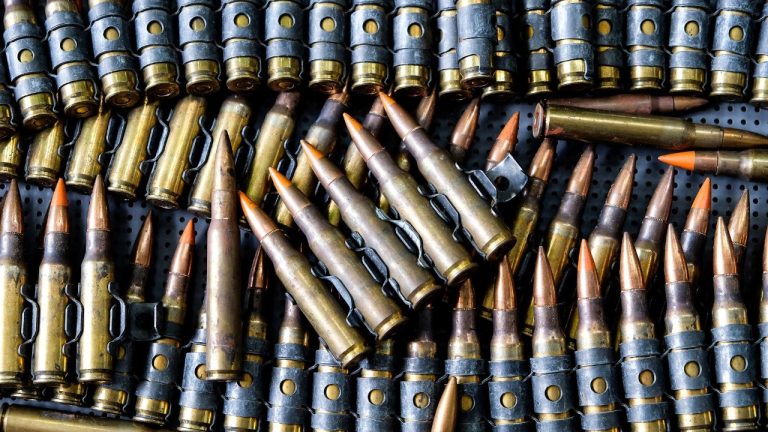
Even when a cartridge is retired from front line duty, it can hang around for generations in other roles. The .303 is a perfect example, it served as the main rifle and machine gun round of the British Empire across multiple wars and conflicts, and it kept showing up in odd corners of the world long after newer designs took over. Reports have noted that this same cartridge, originally designed more than 110 years ago, was still being used in unexpected places, including a televised incident involving an aircraft hijacking, which underlines how stubbornly a proven round can stick around once millions of rifles and belts of ammo are in circulation for the British Empire.
Modern NATO history shows the same pattern on a different scale. The United States moved from full power battle rifles to lighter platforms, first standardizing 7.62×51 mm and then 5.56×45 mm, both of which became alliance standards and shaped rifle design for decades. Even now, as new small arms programs look at fresh cartridges and updated weapons, those NATO rounds remain deeply embedded in logistics, training, and industry, and any “replacement” tends to coexist with them rather than erase them, as recent coverage of the small arms “renaissance” around NATO calibers has made clear.
Extinct cartridges and the long tail of history
For every cartridge that lingers on, there are many that vanish so completely most shooters never hear their names. Early smokeless and late black powder designs were often tied to a single rifle model or a short lived commercial idea, and once those guns wore out or were replaced, the ammunition quietly disappeared. Historians have pointed out that more cartridges are extinct today than are commonly encountered, with many of them fading because the guns that used them were scrapped or because newer ammunition made them irrelevant, a reality summed up in research noting that More rounds have vanished than survived.
Once a cartridge drops below a certain level of demand, the economics turn brutal. Tooling up a production line, sourcing brass and bullets, and keeping quality control tight is not worth it if only a handful of collectors are buying a box or two a year. That is why so many obscure chamberings survive only in handloading manuals and on the benches of tinkerers who form brass from something else. The commercial market rewards volume, and unless a forgotten round can hitch a ride on a new trend or a new rifle, it tends to stay buried in the footnotes.
“New” ideas that are really old cartridges in fresh clothes
Every few years, the gun world gets excited about a “new” cartridge that looks suspiciously familiar to anyone who has spent time with old loading manuals. The pattern is so common that reference works on ammunition design have noted how often modern innovations turn out, after a little digging, to be reintroductions of something quite old. One widely used reference flatly states that, as the result of this situation, many modern ideas are essentially a reintroduction of earlier work, a point that hits home when you read that line starting with As the and then look at the latest crop of “short magnums” and “efficient” hunting rounds.
That recycling is not a bad thing. Powder technology, bullet construction, and rifle manufacturing have all improved, so an old case shape can do new work when paired with better components. What matters is whether the revived idea solves a real problem for modern shooters. If it offers a clear benefit, like fitting in a short action while matching the performance of a longer round, it has a shot at sticking. If it is only a minor tweak on something that already works, it risks becoming another footnote once the marketing push fades.
When marketing and “new for this year” backfire
Hunters and target shooters are not blind to the churn of new chamberings, and there is a growing sense that the industry sometimes creates more SKUs than the market can support. In one public discussion, a shooter named Patrick Bullard summed up the frustration around the Winchester Short Magnum family by saying he liked the WSM, but the Problem was that companies keep making something new every year that is not much different from what came before. That kind of comment, shared in a thread dated in Mar and echoed by others, captures how fatigue can set in when every catalog promises the next big thing without delivering a clear advantage, as seen in that exchange involving Patrick Bullard.
When shooters sense that a new round exists mainly to sell rifles, they hesitate to buy in, because nobody wants to be stuck with an orphaned chambering and no ammo on the shelf. That hesitation can become a self fulfilling prophecy, low sales lead to limited ammunition runs, which makes the round even harder to find, which further depresses demand. The cartridges that survive this cycle are the ones that either fill a genuine niche or get adopted widely enough, fast enough, that ammunition makers cannot afford to drop them even if the initial hype cools.
Regulations, straight walls, and the comeback of old deer rounds
State hunting regulations have quietly become one of the strongest forces bringing old cartridges back into the limelight. In parts of the Midwest and East, lawmakers who were wary of bottleneck rifle rounds in thickly settled areas opened the door to straight wall cartridges instead, and that single rule change breathed new life into designs that date back to the black powder era. One of the best examples is the 45, 70 G, a cartridge introduced in the nineteenth century that has survived wave after wave of new technology and is now thriving again in modern rifles, a story that has been highlighted in coverage that begins by Starting with the oldest first and noting how the .45-70 Government keeps finding new roles for the Government.
New straight wall designs are riding the same wave. The 360 Buckhammer, for instance, was built specifically to give lever gun hunters a legal, hard hitting option in states that favor straight wall cartridges for whitetails. Reporting on that round has tied its development directly to the growing popularity of lever action rifles and the demand from lever gun wielding whitetail deer hunters who want better performance without breaking the rules, a trend that has been spelled out in coverage of the 360 Buckhammer. When regulations change, cartridges that once looked outdated can suddenly be the perfect tool for the job.
Pistol caliber carbines and the return of “old” handgun rounds
Pistol caliber carbines are another case study in how platforms can revive cartridges that never really went away but were not exactly hot sellers either. For a long time, pairing a revolver or pistol with a matching carbine in the same caliber was common, then rifle rounds became more efficient and effective, and that combo fell out of favor. Over time, however, the pendulum swung back, and in the past few years there has been a massive resurgence of pistol caliber carbines as shooters rediscovered the fun, low recoil, and practical utility of 9 mm, .40, and .45 in a shoulder fired package, a shift that has been described in detail in coverage that notes how Over time rifle rounds took over and However, PCCs have now surged again in popularity for pistol carbines.
That surge has real consequences for ammunition shelves. When a wave of new carbines hits the market, demand for the matching pistol ammo spikes, and manufacturers respond with new loads tuned for longer barrels, heavier bullets, or specific defensive roles. Rounds that once seemed boring, like standard pressure 9 mm or .38 Special, suddenly get fresh attention as shooters look for soft shooting practice loads and defensive options that run well in both handguns and carbines. The cartridge did not change, but the way people use it did, and that is often enough to bring it roaring back.
Safety, wear, and why some defensive loads get cycled out
Not every cartridge story is about history and marketing, some are about the quiet ways ammo can age out of service in a carry gun or a duty belt. When you carry the same pistol every day, you end up unloading and reloading it, and that repeated motion can slowly push the bullet deeper into the case. Ammunition makers have warned that Repeatedly chambering and unchambering the same round can cause the bullet to set back, raising internal pressure and potentially creating a dangerous condition, which is why they recommend rotating carry ammo and occasionally replacing it with fresh rounds of the exact same make, as explained in guidance on how often to refresh carry ammo.
Other safety advisories echo that concern. Technical notes on ammunition maintenance point out that when the same round is chambered and re chambered several times, the bullet can be forced back into the casing, a condition known as bullet setback that can dramatically increase pressure when fired. Shooters are urged to watch for any round where the bullet sits noticeably deeper than its neighbors and to pull it from service rather than risk a failure, advice that is spelled out in detail in guidance on how often you should replace ammo and what happens when the bullet is pushed back into the case, including warnings about what is called bullet setback.
When cartridges become unsafe relics instead of collectibles
Handloading quirks, OAL, and when to retire suspect ammo

Leo’s been tracking game and tuning gear since he could stand upright. He’s sharp, driven, and knows how to keep things running when conditions turn.