Vets reveal words that commonly stress cats
Cats are experts at reading patterns, and the sounds we make around them are part of that pattern. When certain words reliably predict something unpleasant, even a relaxed cat can flip into high alert in a heartbeat. Veterinarians say that understanding which phrases tend to spike feline stress is one of the simplest ways to make home life, and vet care, easier on everyone.
Instead of assuming cats ignore human speech, I treat their reactions as data. Over time, they link specific words to events like nail trims, carriers, or car rides, and they can form those associations very quickly. Knowing which terms often trigger tension gives owners a chance to change the script, soften the impact, and help their cats feel safer.
How cats actually process human words
I start with a basic principle: cats are not decoding English, but they are very good at matching sounds to outcomes. When the same word always precedes a stressful event, the sound itself becomes a cue for danger. Reporting on feline behavior notes that cats quickly associate specific words with experiences, sometimes faster than infants, which means a single bad episode can be enough to “poison” a phrase.
Because their hearing is so sensitive, the emotional tone wrapped around a word matters as much as the syllables. A sharp, loud command paired with physical blocking or grabbing will feel very different from a calm, neutral cue. Over weeks and months, that emotional history turns certain sounds into reliable predictors of stress, so the cat reacts before anything actually happens, bracing for what it believes is coming next.
Why “no” lands so hard
Among the vocabulary that tends to bother cats, veterinarians consistently single out the word “no.” It is short, explosive, and usually delivered when the human is already annoyed, which means the cat hears a harsh sound at the exact moment it is interrupted or pushed away. In coverage of words cats hate, “no” is described as one of the sounds owners use most often without realizing how aversive it can become.
Over time, a cat that hears “no” shouted from across the room may startle, flatten its ears, or bolt even before it understands what behavior is being stopped. Instead of teaching a clear alternative, the word simply predicts conflict. I find it more effective to reserve a softer, consistent cue for redirection and then immediately guide the cat toward a permitted option, so the sound is linked to information rather than punishment.
“Vet,” “carrier,” and the language of appointments
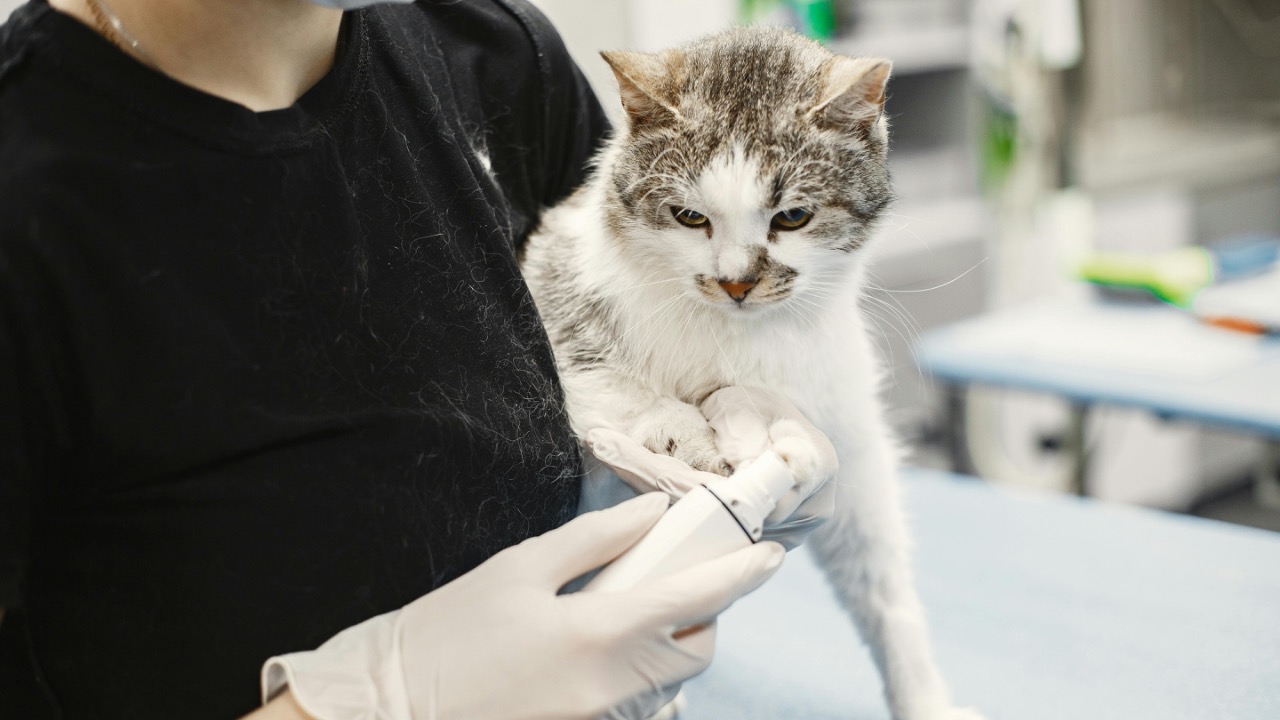
Few events are as universally stressful for cats as medical visits, and the vocabulary around those trips quickly becomes loaded. When a cat hears “vet” and then is chased, crated, and driven away, that word starts to function like a siren. Behavioral research on feline healthcare notes that visit to the seen as a stressor in cats, and owners in that work also reported feeling stressed when visiting the veterinarian, which can amplify the tension in the room.
Words like “carrier” and “appointment” often become part of the same stress script. If they are only ever spoken right before a scramble to get the cat into a box it hates, the language alone can trigger hiding. I recommend quietly preparing the carrier in advance, avoiding those hot-button words until the last possible moment, and gradually pairing them with neutral or pleasant experiences so they stop functioning as early warning alarms.
How car rides turn neutral words into red flags
For many cats, the phrase “car ride” is just another way of saying “you are about to be terrified.” Unlike dogs that may associate the car with parks or hikes, most felines only see the inside of a vehicle when they are headed to a clinic or boarding facility. Veterinary guidance on Reducing Cat Stress during travel points out that cats are not dogs and most do not love to ride in a car, which means the entire routine around that phrase is primed for anxiety.
Once a cat has endured a few frightening journeys, even casual talk about “the car” can cause it to vanish under the bed. Other veterinary commentary on Things Cats Also notes that Riding In Cars Unlike their canine counterparts is a common feline dislike, whether the trip is down the street or across town. To blunt that association, I suggest separating the word “car” from the act of forcing the cat into a carrier, and occasionally using the vehicle for very short, low-stakes rides so the language does not always predict a full-blown ordeal.
Harsh commands and the problem with scolding
Beyond specific nouns, the general category of harsh commands tends to unsettle cats. Loud, clipped phrases like “stop it,” “get down,” or “bad cat” are usually delivered in a raised voice, often while the human looms or advances. Behavioral experts who catalog words cats hate emphasize that it is the combination of sound, volume, and context that makes these phrases so aversive.
From the cat’s perspective, the message is not “please get off the counter,” it is “something unpredictable and possibly dangerous is happening.” Repeated scolding can erode trust, especially if the cat does not understand what behavior triggered the outburst. I prefer to keep my voice level, use short, consistent cues, and rely on environmental changes like baby gates or double-sided tape to block problem spots, so language is reserved for guidance rather than emotional venting.
Names, nicknames, and when “here, kitty” backfires
Even affectionate phrases can become stressful if they are always paired with something the cat dislikes. A name that is only shouted when the cat is in trouble will start to feel like a warning, not an invitation. In one analysis of Words Cats Hate, experts caution that repeatedly pairing summoning phrases like “here, kitty” with nail trims or medication can teach the cat to avoid those words altogether.
To keep recall cues neutral or positive, I make a point of using the cat’s name and favorite nicknames in low-stress contexts, such as before meals or play sessions. If a phrase has already been “contaminated” by too many unpleasant associations, it can help to retire it and introduce a new, softer cue that is used only when something good is about to happen. Over time, that fresh vocabulary can rebuild the cat’s willingness to approach.
How stress words show up in body language
The impact of a stressful word is often visible in a cat’s body within seconds. Ears that were upright may swivel back, pupils can dilate, and the tail might flick or tuck. In clinical settings, researchers studying perception of stress by German cat owners note that many animals already appear tense before any examination begins, which suggests that the cues leading up to the visit, including language, are part of the problem.
At home, I watch for more subtle signs that a word has become a trigger: a cat that pauses mid-groom, freezes in a doorway, or suddenly avoids a room where it used to relax. When those patterns line up with specific phrases, it is a strong hint that the vocabulary around certain routines needs to change. Reading those early signals allows owners to adjust before stress escalates into hissing, scratching, or long-term hiding.
Swapping stress triggers for calmer cues
Once a word is linked to fear, the goal is not to talk less, but to talk differently. I start by identifying the phrases that consistently precede trouble, then I either soften them or replace them entirely. For example, instead of announcing “time for the vet” in a bright but tense voice, I might quietly prepare the carrier, use a neutral cue, and then offer treats so the sequence feels less like an ambush and more like a predictable routine.
Desensitization works best when it is gradual and paired with rewards. That can mean saying a formerly stressful word in a calm tone while nothing bad happens, then immediately following it with food, play, or petting. Over many repetitions, the cat’s brain starts to rewrite the association. It is not a quick fix, but it is far more effective than simply trying to avoid speaking, and it respects the cat’s capacity to learn new emotional meanings for familiar sounds.
Building a low-stress soundscape for your cat
In the end, the words that unsettle cats are usually the ones that predict a loss of control. Vet visits, carriers, car rides, and scolding all share that theme, and the language around them becomes shorthand for “you do not get a choice.” By paying attention to which phrases consistently precede those moments, owners can start to redesign the soundscape their cats live in, dialing down the verbal alarms and building up cues that signal safety.
I think of it as a translation project: taking the vocabulary of human convenience and recasting it in terms a cat can trust. That might mean whispering instead of shouting, renaming dreaded routines, or rehearsing neutral words in calm contexts until they lose their sting. With patience and consistency, the same sensitivity that once turned “no” or “vet” into stress triggers can be harnessed to create a home where language reliably predicts comfort instead.

Leo’s been tracking game and tuning gear since he could stand upright. He’s sharp, driven, and knows how to keep things running when conditions turn.