Wolf populations spread into new U.S. territories
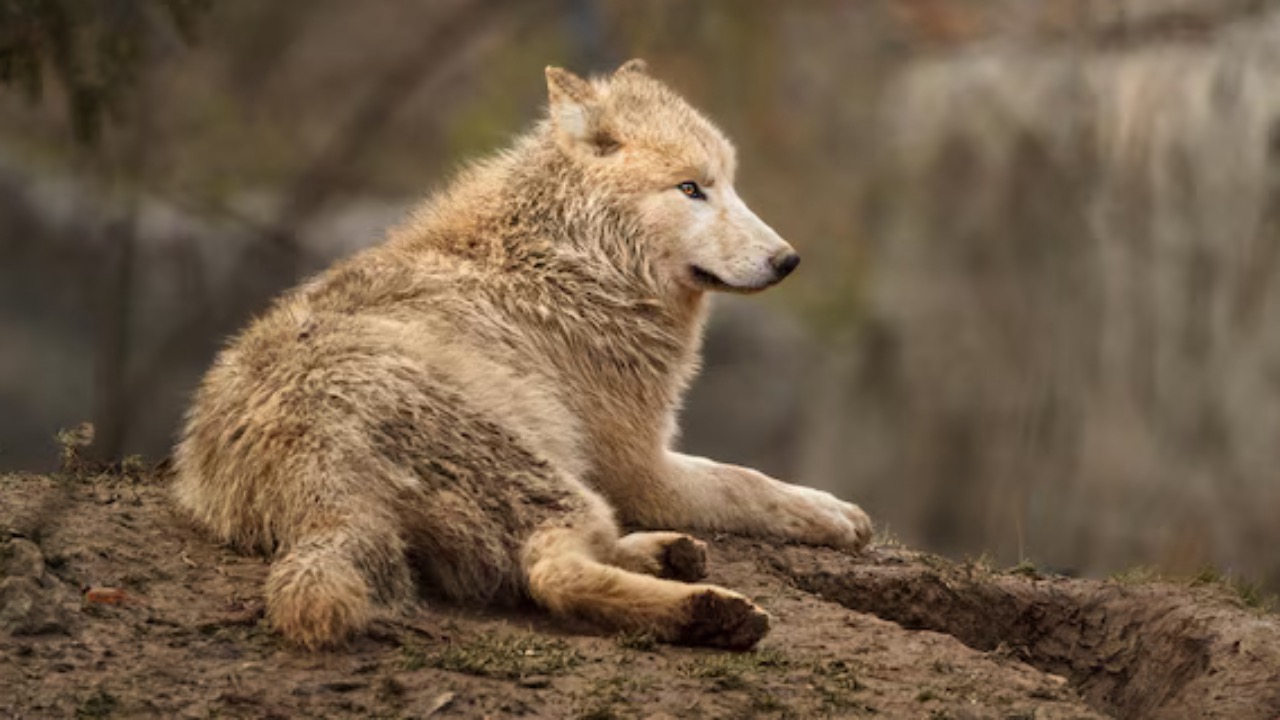
Gray wolves are quietly reclaiming ground in the Lower 48, slipping back into forests, ranch country, and high country where their tracks have been missing for generations. Their spread into new U.S. territories is reshaping how hunters, ranchers, and wildlife agencies think about predators on the landscape. I have watched that shift unfold as a long, uneven tug-of-war between recovery goals and the realities of living with a big carnivore that does not read boundary signs.
Across the West, the Midwest, and even parts of the Northeast, wolves are testing the edges of their range and, in some cases, settling in. Their return is driven by a mix of legal protections, changing public attitudes, and the simple fact that a healthy wolf will walk a very long way if there is food and space ahead. The result is a patchwork of success stories, bitter conflicts, and hard questions about what “recovery” really means on working land.
From near-eradication to a patchwork comeback
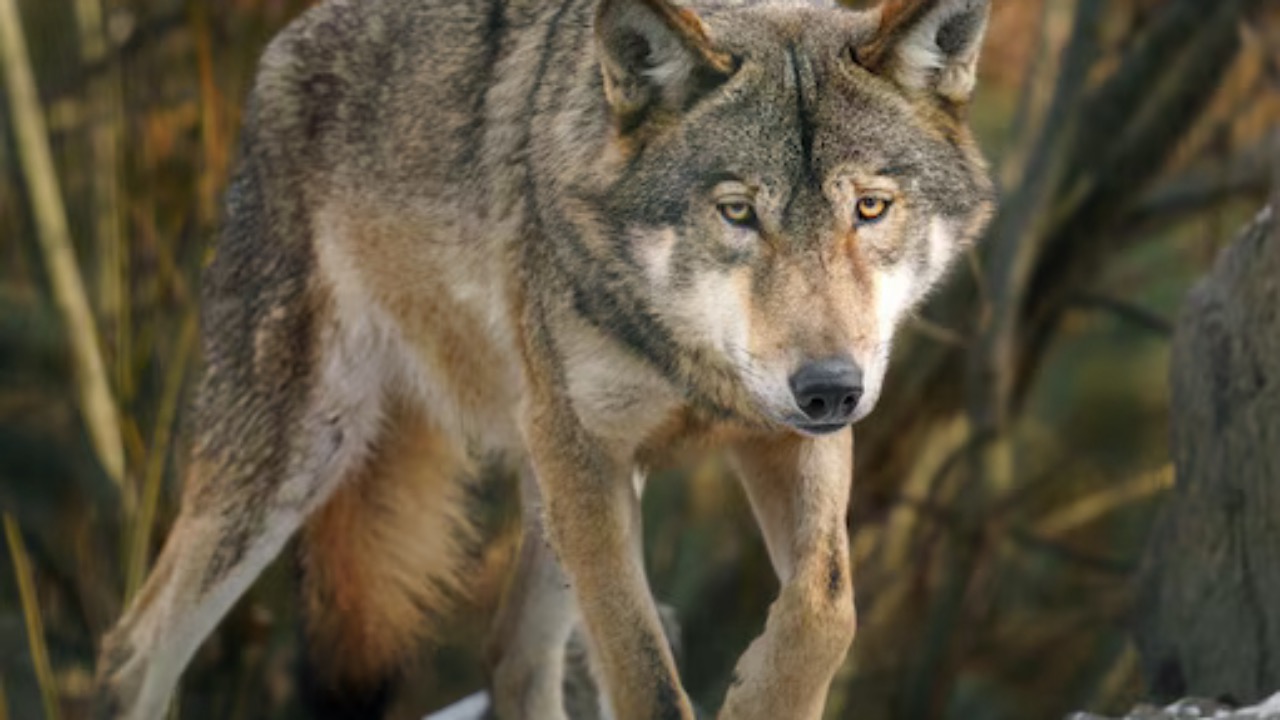
To understand why wolves showing up in new places matters, you have to start with how close the species came to disappearing from the Lower 48. Systematic predator control, bounties, and habitat loss wiped wolves out across most of the country by the mid‑20th century, leaving only a remnant population in northern Minnesota and along the border with Canada and a few pockets in the northern Rockies. Federal protection under the Endangered Species Act and later reintroduction efforts set the stage for the slow rebound we are watching now.
According to a broad overview of wolf distribution, Wolves were removed from federal protection in January 2021 with management authority remaining with state and tribal authorities. That shift handed day‑to‑day decisions about hunting seasons, lethal control, and recovery targets back to local agencies, which is one reason the map of wolf presence now looks like a checkerboard. Some states lean into expansion, others try to hold the line, and the animals themselves keep moving regardless of those political borders.
Great Lakes and Midwest: the engine of natural migration
The most stable stronghold for gray wolves in the Lower 48 sits in the upper Midwest, where packs have been on the ground long enough to fill in much of the available habitat. As of a recent assessment of Repopulation of wolves, Migration has been the main driver of that growth, not fresh reintroductions. As of 2021, the estimated stable population is 4,400 in the three‑state region, and those animals are the source for many of the long‑distance dispersers that show up far from any known pack.
Conservation groups tracking Their recovery note that Their populations grew and spread through Wisconsin and Michigan. Through natural migration from Canada and reintroduction to Yell, wolves have reoccupied big chunks of northern forest and lake country. That steady base in Wisconsin and Michigan is what allows young wolves to push south and east, probing farm country and fragmented woods that have not heard a howl in decades.
California’s surprising packs and new tools
One of the most striking stories in recent years is the return of gray wolves to California, a state where they had been gone for nearly a century. Endangered gray wolves are thriving in California after returning to the Golden State nearly a century after being wiped out in th, according to a detailed update from a Dec report that described Endangered gray wolves are thriving in California after returning to the Golden State nearly a century after being wiped out in th. That same account noted that the number of documented wolves had climbed compared with 44 documented the year before, a sign that multiple packs are now on the ground and reproducing.
Earlier coverage of New wolf packs in Northern California highlighted how quickly that change has come. New wolf packs emerge in Northern California, marking growth in state’s wolf population, and those animals are now turning up in timber and ranch country in places like Shasta, Tehama, and Lassen counties. A separate look at California’s wolves emphasized that California’s wolves, which naturally dispersed, are bringing both excitement for recovery and frustration as ranchers report livestock losses.
Rocky Mountain corridors and Colorado’s crossroads
In the central Rockies, wolves are using the spine of the mountains as a travel corridor, slipping between national parks, wilderness, and big ranches. The broader political and ecological context is laid out in a discussion of Controversial Expansion of in the United States, which traces how the Range of the Gray Wolf in the U.S. Circa 1965 shrank to a few strongholds before Wolves began to r expand again. That same analysis notes that as wolves recolonize, every new state line they cross brings a different set of rules and expectations.
Nowhere is that more obvious than in Colorado, where the high country of Summit and Grand counties sits right in the path of dispersing animals from the north. A recent summary of a New report on gray wolf population trends noted that New report reveals promising changes in US state’s gray wolf population: ‘This is not a coincidence’, tying those gains to deliberate management choices. From The Cooldown, There is a clear suggestion that how Colorado handles wolves in these mountain counties will influence whether the species can link up populations between the northern Rockies and the southern Rockies over time.
Pacific Northwest: established packs and coastal edges
Farther north and west, wolves have been filtering into the Pacific states for years, building out a more continuous presence along the Cascades and forested plateaus. In Washington, packs now occupy much of the northeastern corner of the state and are slowly edging toward the coast, using timberlands and river valleys as cover. Neighboring Oregon has seen a similar pattern, with wolves first showing up near the Idaho line and then working their way west.
A technical overview of Wolf reintroduction notes that Current distribution and population figures include eastern Oregon (175 wolves), underscoring how firmly the species has taken hold there. That same source points out that Arizona and New Mexico. … The five last known wild Mexican gray wolves were captured in 1980 in accordance with an agreement bet, tying the Pacific Northwest story to a broader continental picture. On the ground, agencies and biologists in Idaho and interior Oregon are now dealing with a predator that is no longer a novelty but a regular part of the wildlife mix.
Southwest and Mexican gray wolves on the move
In the desert and mountain country of the Southwest, the story centers on a different subspecies, the Mexican gray wolf, and a long‑running effort to pull it back from the brink. A detailed history of Arizona and New in that program explains that Arizona and New Mexico. … The five last known wild Mexican gray wolves were captured in 1980 in accordance with an agreement bet, which led to the Mexican Wolf Recovery Program, a captive breeding program. Those animals and their descendants are the source of every wild Mexican wolf now roaming the border country.
The year‑to‑year reality of that recovery shows up in a narrative look at year in wolves, which follows individual animals and the people tracking them. In July, when Taylor was first caught traveling west of Albuquerque near Mount Taylor — hence the name — 35 conservation organiz, according to a focused section of that same piece on In July. Taylor, a collared Mexican gray wolf, was first detected traveling west of Albuquerque near Mount Taylor, and that movement sparked debate over whether to let the wolf roam further north or capture and return it. Those arguments are now part of every management decision in Arizona and New Mexico, where ranchers, tribes, and conservation groups all have a stake in where these wolves end up.
Eastern ambitions: could wolves return to New York and Maine?
With strongholds in the upper Midwest and northern Rockies, the next big question is whether wolves can re‑establish themselves in the Northeast. A detailed analysis of potential habitat in the eastern U.S. notes that According to Belant, today wolves occupy only about 4% of their historical range and about 12% of the current suitable range. John Belant argues that wolves could expand across the eastern U.S., but they might need help in the form of legal protection, habitat connectivity, and public tolerance to make that leap.
Some of that debate is already playing out in New York and Maine, where big blocks of forest and healthy deer populations could, on paper, support wolves. Advocates in the Adirondacks argue that DEC‘s Wolf Phobia Places New York’s Wild Wolves at Risk, pointing to past incidents where wolves that wandered in were killed or misidentified. In September, a gray wolf was shot and killed near Moosehead Lake i is cited as an example of how fragile those early steps toward recolonization can be when agencies and the public are not ready for them.
Living with wolves: conflict, controversy, and local control
As wolves spread into new territory, the hardest work is not tracking collars or counting pups, it is figuring out how people and predators share the same ground. A close look at Aug coverage of California’s wolves makes that clear: While conservationists hail the wolves’ return, ranchers are already losing livestock. Some residents, unaccustomed to living with large carnivores, are nervous about pets, hunting opportunities, and what a growing wolf population means for their way of life.
Those tensions are not unique to the West Coast. A broader discussion of United States wolf politics notes that as wolves recolonize, they become a lightning rod for deeper rural‑urban divides. Range of the Gray Wolf debates often stand in for arguments about who gets to decide how land is used, who bears the cost of conservation, and how much risk is acceptable around livestock and game herds. In my experience, the places that handle this best are the ones that pair clear rules with real support for people on the front lines, instead of pretending conflict can be wished away.
Tracking the spread: science, mapping, and on‑the‑ground intel
Behind every headline about a new pack is a lot of quiet work by biologists, trappers, and landowners who report what they see. All state agencies and the U.S. Fish & Wildlife Service keep track of wolf sightings and other evidence of wolves (tracks, scat, h, as explained in a technical FAQ on All things wolf monitoring. Those teams rely on howling surveys, and photos from motion‑sensitive remote cameras, along with DNA from scat and hair, to confirm whether a big canid on a trail cam is a wolf, a coyote, or a dog.
In California, that work has gone one step further with a public‑facing map. The California Department of Fish and Wildlife launched an online wolf tracking tool that shows ranchers, conservationists and any, according to a detailed report on the new system from California Department of. Colored dots on the map indicate wolf activity in the area, giving ranchers a chance to move stock or tighten up carcass management when a collared animal is nearby. More information about state listing can be found at the California Fish and Game Commission CESA website, as noted in a state data bulletin that begins with More information about state listing can be found at the California Fish and Game Commission CESA website, which spells out how wolves are classified and protected.
What expansion means for hunters, ranchers, and the land
For people who make a living or spend their free time outdoors, wolves spreading into new territory is not an abstract conservation story, it is a practical question. A national overview of Range of the politics points out that as wolves return, elk and deer behavior shifts, sometimes pushing herds into new pockets of cover or making them more nocturnal. Hunters in wolf country learn to adapt, glassing different basins or adjusting expectations about how many animals they will see in a day. At the same time, healthy predator populations can help keep ungulate numbers in check and may reduce overbrowsing in sensitive habitats.

Asher was raised in the woods and on the water, and it shows. He’s logged more hours behind a rifle and under a heavy pack than most men twice his age.