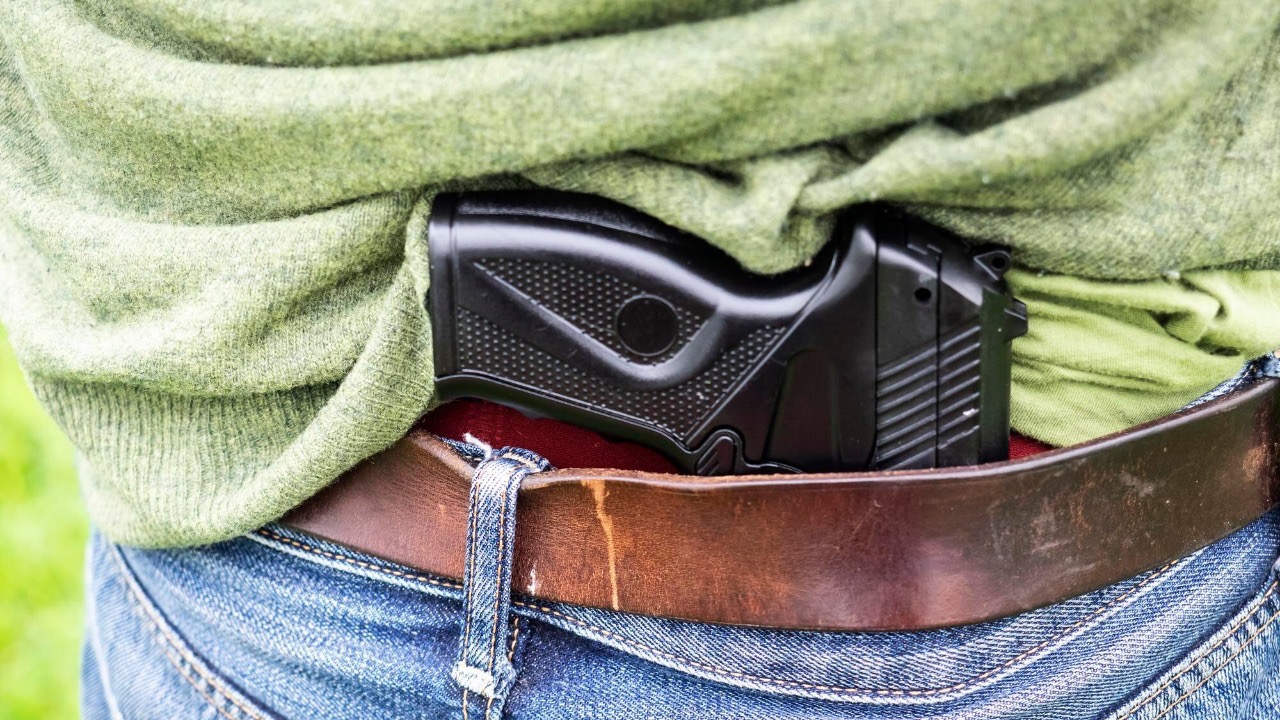
6 states may end concealed-carry reciprocity agreements — gun owners urged to check the rules
Gun owners who travel across state lines are facing a more fragmented legal map than at any point in recent memory, as legislatures revisit who can carry concealed handguns and where. While some advocates warn that several states could eventually walk away from existing reciprocity deals, the more immediate reality is a patchwork of rules that can change quickly and leave even well intentioned permit holders exposed to criminal charges. For anyone who carries, the safest assumption is that yesterday’s reciprocity agreement might not match tomorrow’s enforcement.
I see a widening gap between states that welcome out of state permits and those that sharply restrict them, and that gap is colliding with new federal proposals and high profile enforcement pledges in places like Washington, D.C. The headline risk for gun owners is not a confirmed list of six states canceling agreements, which is unverified based on available sources, but the broader trend of shifting standards that can make a routine road trip a legal minefield.
How concealed-carry reciprocity actually works
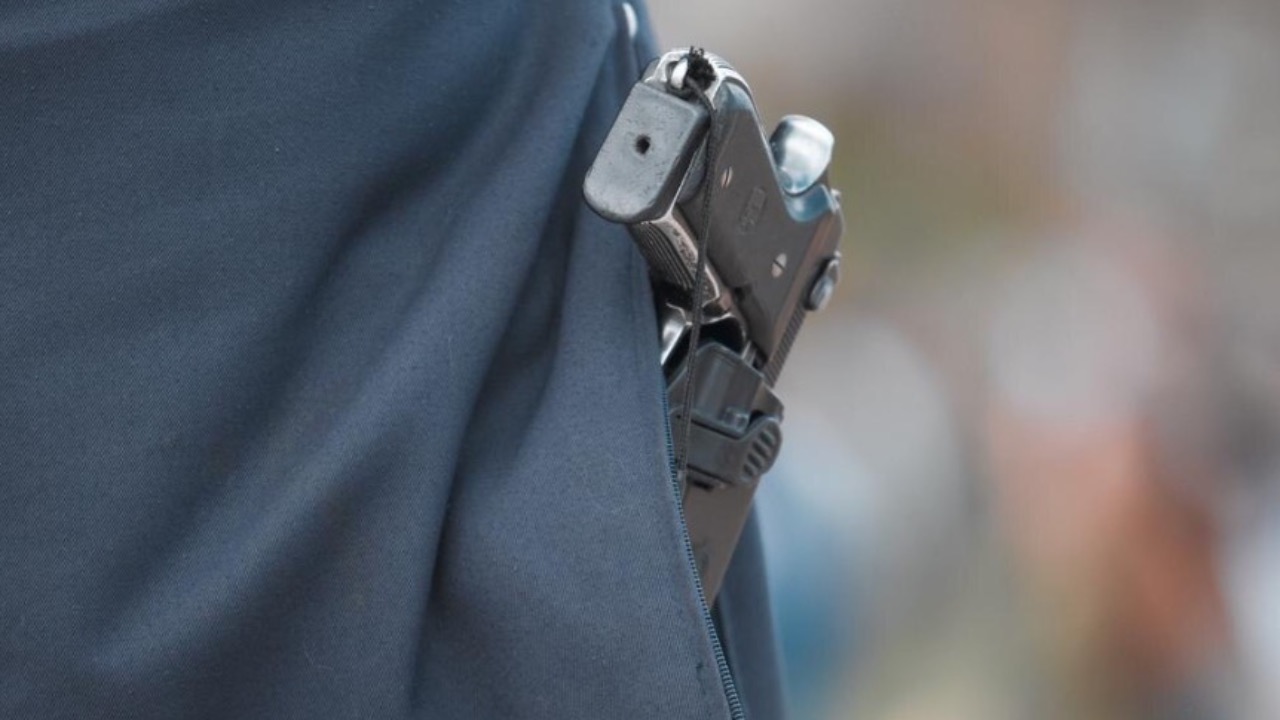
At its core, concealed carry is the practice of carrying a handgun in public in a way that is not visible, usually under clothing or in a bag, subject to a state issued permit or, in some jurisdictions, no permit at all. Reciprocity is the legal shortcut that lets a person licensed in one state carry in another, based on a mutual recognition agreement or a unilateral decision by the destination state. The result is a complex grid in which a permit that is valid at home might be honored in dozens of jurisdictions or in almost none, depending on how lawmakers have drawn the lines.
Data compiled on Concealed Carry Reciprocity illustrates how uneven this landscape has become, with some permits accepted by more than thirty states and others recognized almost nowhere. The same resource shows that reciprocity is not always reciprocal, since one state may honor another’s license without receiving equal treatment in return. For gun owners, that means the legal status of a single handgun can flip from lawful to criminal in a matter of miles, even when the person carrying it has passed background checks and training at home.
Why some states sharply limit outside permits
Even as many states expand recognition of outside licenses, a separate group has moved in the opposite direction, sharply limiting or rejecting permits issued elsewhere. These states tend to argue that their own vetting standards, training mandates, or discretionary review processes are stricter than those in much of the country, and that automatic reciprocity would undercut those policies. The result is a de facto wall at the border for concealed carriers who assume that a laminated card in their wallet travels with them wherever they go.
According to the same Concealed reciprocity data, California, Connecticut, Illinois, Maryland, Massachusetts, and New Jersey do not honor any other state’s concealed carry permits. In practice, that means a visitor licensed in a shall issue state with minimal training can be treated as an unlicensed carrier the moment they cross into those jurisdictions. For travelers who routinely drive the I 95 corridor or fly into major hubs, failing to understand that distinction can turn a routine traffic stop or luggage inspection into a criminal case.
Federal push: the Constitutional Concealed Carry Reciprocity Act
While states redraw their own maps, Congress is again debating whether to impose a national standard that would override much of this patchwork. The Constitutional Concealed Carry Reciprocity Act of 2025, introduced as H.R. 38 in the House and S. 65 in the Senate, would require states that allow concealed carry to recognize permits issued by every other state. Supporters frame it as a civil rights measure that treats the right to bear arms more like a driver’s license, valid across state lines regardless of local political leanings.
Opponents counter that the Constitutional Concealed Carry 2025 would force states with rigorous training and background checks to accept permits from jurisdictions with far looser rules or, in some cases, no permit requirement at all. They warn that a national mandate could effectively nullify local decisions about who is too risky to carry in crowded cities or sensitive locations. For now, the bill remains a proposal, not settled law, which means gun owners cannot rely on it to protect them when they cross into less permissive states.
Gun-rights advocates push a driver’s-license model
On the other side of the debate, gun rights organizations argue that the current patchwork is unfair to law abiding carriers who have already cleared background checks and training at home. They point to the way Americans treat driving privileges as a model, where a license issued in one state is accepted in all fifty without constant legal guesswork. In their view, the burden should fall on states to justify why a vetted permit holder suddenly becomes a criminal simply by crossing an invisible line on the map.
One prominent argument, described as The Fix by advocates, comes from Congressman Hudson, who has urged Congress to “Treat the” concealed carry permit the same way states treat drivers’ licenses. Supporters say that approach would simplify life for the millions of Americans who now hold carry permits and would prevent otherwise law abiding travelers from stumbling into felony charges. Critics respond that driving is a heavily regulated privilege with uniform age limits and testing, while carry permits vary widely in standards and, in some states, are not required at all.
Why “six states may exit” is a warning, not a confirmed list
The headline concern that several states may walk away from reciprocity agreements reflects a broader anxiety among gun owners rather than a documented list of specific legislatures preparing to act. None of the available sources identify six named states that have formally announced plans to terminate their recognition of outside permits, and any such claim would be speculative. What is clear is that the political and legal climate is volatile, and that volatility makes it risky to assume that today’s reciprocity map will hold steady.
Resources that track which States That Honor a given permit already show how quickly recognition can diverge, with Alabama, for example, listing a long roster of states whose licenses it accepts. Those lists can change through legislation, attorney general opinions, or administrative decisions, sometimes with little national attention. When advocates warn that a handful of states could “exit” reciprocity, the responsible takeaway is not that six specific jurisdictions are already halfway out the door, but that gun owners should treat reciprocity as contingent and subject to revision rather than as a permanent guarantee.
D.C. as a cautionary tale: “You’re going to jail”
Nowhere is the risk of misreading local rules more visible than in Washington, D.C., where federal politics and strict gun laws collide. Earlier this week, U.S. Attorney Jeanine Pirro drew national attention when she warned that anyone who brings a gun into the District “can count on going to jail,” a pledge that sparked immediate backlash from gun rights advocates and civil libertarians. Her comments underscored how some jurisdictions are not only uninterested in reciprocity but are actively signaling aggressive enforcement against out of state carriers.
Coverage of Pirro’s remarks, reported by Maddie Gannon Washington, highlighted fears that travelers who misunderstand D.C.’s rules could face prosecution even if they are licensed and compliant at home. A separate account noted that, Last April, Dhillon criticized “unreasonably long delays” in the District’s permitting process, grouping Washington with California, Maryland, and Massachusetts as jurisdictions where legal carry is difficult to obtain. That context, drawn from Dhillon’s comments, reinforces the message that some places are moving toward tighter control, not broader recognition.
Courts, new pistol rules, and the myth that the issue is “settled”
Many gun owners assumed that major Supreme Court rulings on the right to carry in public had largely settled the legal landscape, at least on the question of whether ordinary citizens could obtain permits. Yet the reality in 2026 looks very different, with new pistol regulations and state level responses suggesting that the fight has simply shifted to the details. In practice, that means the rules for how, where, and under what conditions a person can carry are still very much in flux.
A recent discussion of new pistol rules across all 50 states emphasized that “most people think concealed carry got settled after the Supreme Court” weighed in, but that current changes are proving the opposite. States are revising training requirements, sensitive place definitions, and licensing procedures to comply with, or push back against, high court guidance. For carriers, the lesson is that constitutional decisions set broad boundaries, but the day to day obligations that determine whether a traffic stop ends with a warning or an arrest are still being written in statehouses and agencies.
How many permits are out there, and why that matters
The scale of concealed carry in the United States magnifies the stakes of any change in reciprocity or local enforcement. Tens of millions of Americans now hold permits or live in states that allow permitless carry, and each of them must navigate a shifting mix of statutes, administrative rules, and local attitudes. When that many people are affected, even a small tweak in one state’s recognition policy can translate into thousands of travelers suddenly finding themselves out of compliance.
An overview of permit trends titled Impact of Recent landscape of concealed carry permits describes how recent court decisions have forced states to adjust their laws to comply with new rulings. As more jurisdictions shift from “may issue” to “shall issue” or adopt permitless carry, the number of armed travelers on the road increases, raising the odds that someone will cross into a state with very different expectations. That dynamic makes clear, accessible information about reciprocity not just a legal nicety but a public safety concern for both carriers and law enforcement.
Open carry, rapid legislative change, and practical steps for travelers
Complicating matters further, some states distinguish sharply between concealed and open carry, allowing one while restricting the other. A traveler who is legal to carry openly in one jurisdiction may be required to conceal the same firearm in another, or vice versa, and those distinctions can be counterintuitive. The interplay between open carry rules and concealed carry reciprocity adds yet another layer of complexity for anyone planning a multi state trip.
Guidance on what states allow open carry notes that Legislative changes can occur rapidly, influenced by shifts in public opinion, high profile incidents, and advocacy campaigns, with State laws evolving on safety concerns and societal norms. For gun owners, the practical takeaway is straightforward: before crossing a border, check the latest reciprocity maps, verify whether your permit is honored, and confirm both concealed and open carry rules in your destination. The risk is not limited to a hypothetical group of six states that might someday exit reciprocity, but to a constantly moving target of laws that can turn a lawful carrier into a test case overnight.

Asher was raised in the woods and on the water, and it shows. He’s logged more hours behind a rifle and under a heavy pack than most men twice his age.