Guns that look tough until the first round
Some guns show up looking like they’ve got everything figured out—aggressive styling, heavy-duty controls, and the kind of stance that tells you they can handle anything. Then you fire that first round, and all the confidence you had drains out. Plenty of firearms are built to look tough, but only a handful actually back it up once the shooting starts. Others fold fast, revealing sloppy recoil control, reliability issues, or ergonomics that leave you wondering who approved the design. If you’ve spent any time on a range, you’ve met a few of these. Here are the standouts that talk big until you squeeze the trigger.
Kel-Tec PMR-30
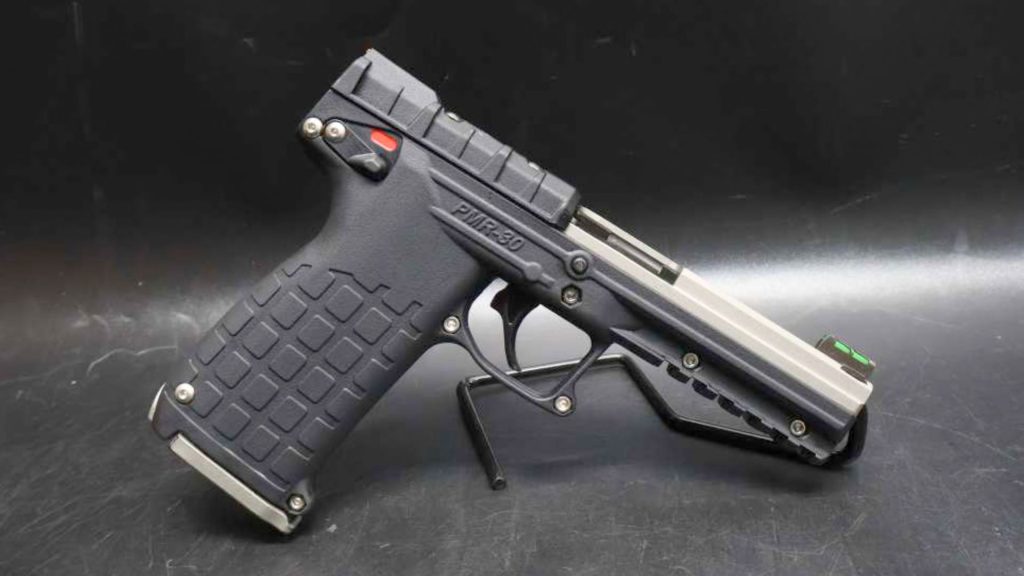
The PMR-30 looks serious at first glance with its angular profile and oversized magazine capacity. It feels like a lightweight powerhouse, and many shooters expect it to run like a duty-ready sidearm. The trouble shows up once you start firing. The .22 WMR is snappy in a polymer frame, and that sensation doesn’t settle into anything predictable.
Feeding issues crop up more often than they should, especially with certain ammunition. The long, staggered magazines add another layer of uncertainty. Even experienced shooters find themselves troubleshooting basic cycling problems they didn’t expect from something that looks so confident on the shelf.
Desert Eagle .50 AE

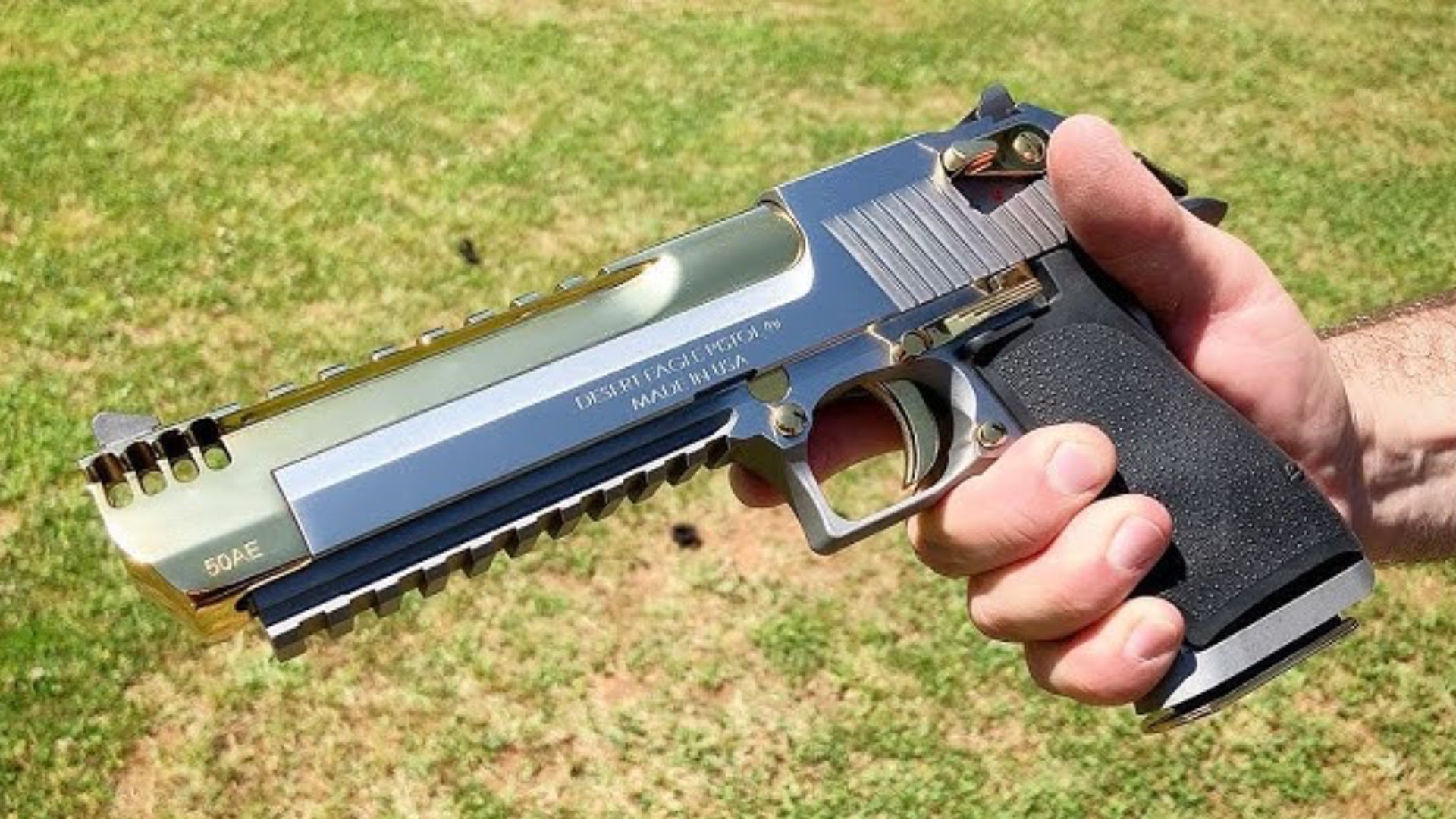
Few guns look tougher than the Desert Eagle. Its massive frame and thick slide give it the kind of presence that makes new shooters stare. But once you pull the trigger, you start to understand why most people fire it once and set it down. The recoil comes back in a way that’s hard to settle into.
Accuracy can be solid, but only if you fight through the heavy controls and the slide mass shifting in your hands. Reliability isn’t awful, yet it’s sensitive to grip strength and ammo selection. The whole experience feels more dramatic than practical, leaving shooters realizing the gun’s appearance does most of the talking.
Taurus Judge
The Taurus Judge looks intimidating with its long cylinder and promise of firing .410 shells from a revolver. Many folks expect a close-range stopper, and the design certainly leans that direction. But the performance doesn’t line up with the image. Fired shot patterns spread so widely that effective range shrinks fast.
Using .45 Colt improves things, but accuracy isn’t as consistent as comparable revolvers. Recoil can feel odd due to the combination of shell length and grip size. The gun looks imposing, yet once the first round goes downrange, it becomes clear it’s far more limited than its reputation suggests.
FN Five-seveN
The Five-seveN has a futuristic look and a caliber that gets plenty of attention. Lightweight and large-framed, it appears ready for high-end performance. Then you shoot it, and the gun reveals a different personality. The trigger has a long, mushy feel that never really breaks in the way you hope it would.
Recoil is light, but the gun is so airy that it doesn’t settle between shots. Grouping can be frustrating unless you slow down and work through the trigger pull carefully. For something that looks like it belongs in a high-speed environment, the reality is more finicky and technique-dependent than you’d expect.
Mossberg 464 SPX

The 464 SPX looks like a tactical lever gun someone purpose-built for a movie set. Rails, adjustable stock, and aggressive styling all suggest modern handling. The problem shows up as soon as you run the lever with live rounds. The action feels rough, and the cycle isn’t smooth enough for consistent rhythm.
Accuracy isn’t terrible, but the handling quirks get in the way. The stock geometry can make the rifle awkward to shoulder, and the extra furniture adds more looks than function. Once you fire a few rounds, the rifle’s tactical impression fades and you’re left with something that feels over-styled and under-refined.
Sig Sauer P250
The P250 looks solid, especially with its modular frame concept and straightforward design. On the counter, it seems like a dependable sidearm with a modern profile. The frustration starts when you feel the long, heavy double-action trigger. It demands steady pressure from start to finish, and that slows down nearly every shot.
Accuracy is possible, but it takes more effort than most shooters expect from a gun that looks duty-ready. Follow-up shots feel slow, and maintaining groups during drills becomes tiring. The gun’s appearance promises more than the trigger system can support, leaving many shooters disappointed after the first magazine.
Beretta PX4 Storm Subcompact
At a glance, the PX4 Storm Subcompact has a confident, modern look. The rotating barrel system in larger versions gives the series a strong reputation, but this model doesn’t carry those traits forward. Its tilt-barrel design feels ordinary, and recoil seems sharper than the size suggests.
The trigger has noticeable staging that interrupts clean shots, and the bulk of the slide makes the gun feel top-heavy in quick drills. While it appears ready for hard use, the shooting experience feels less controlled and more jumpy. Most folks realize quickly that the looks oversell the gun’s real-world performance.
IWI Jericho 941 Polymer

The polymer Jericho looks like a dependable duty pistol with an aggressive front end and solid controls. Once you shoot it, the lack of balance becomes obvious. The frame flexes more than you expect, and that movement affects how the gun returns to target.
The trigger pull varies between models, but many feel uneven or gritty, which throws off timing during fast strings. While the steel version has a strong following, this polymer variant struggles to meet the expectations its appearance sets. You walk away feeling like the frame material undermines the otherwise confident design.
Kel-Tec RFB
The RFB’s bullpup silhouette and forward-ejecting system look impressive on paper and even better in person. It appears built for serious work. But once you fire it, the rifle exposes its quirks quickly. Heat builds rapidly, and the balance takes getting used to.
Trigger feel is spongy, and staying consistent across multiple shots takes extra concentration. Some shooters encounter feeding issues that break momentum during longer sessions. The rifle might look like a rugged powerhouse, but in practice, it behaves more like a project rifle that needs constant attention.
Kimber Solo Carry
With its sleek metal frame and polished appearance, the Kimber Solo looks like a premium concealed-carry pistol ready for smooth performance. Then you fire it, and the stiff slide and sensitivity to ammunition become clear. It prefers specific loads, which surprises many shooters.
Recoil feels sharper than expected for its size, and maintaining a solid grip during rapid fire takes effort. Malfunctions show up more often during break-in than most expect from a pistol in this category. The Solo looks confident in the hand, but the shooting experience rarely matches the impression it gives off.
Remington R51
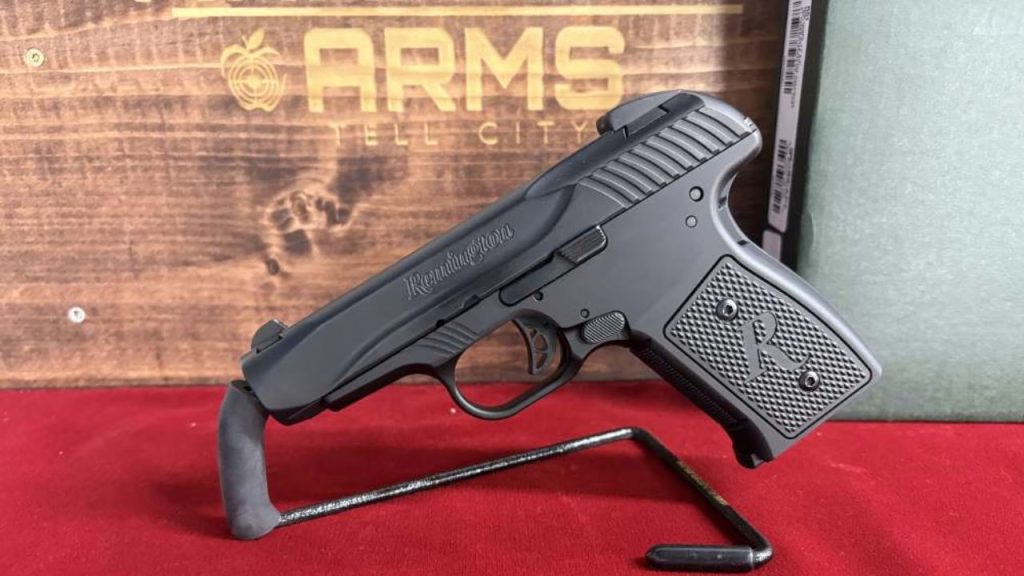
On the counter, the R51 looks stylish and compact, and its delayed-blowback system promises smooth operation. That promise falls apart once you start putting rounds through it. The early models had well-documented reliability issues, and even later ones never felt entirely sorted out.
Recoil impulses feel uneven, and the ergonomics don’t translate cleanly into controlled strings of fire. The slide can be stiff, and reloads aren’t as natural as the design suggests. The gun’s sleek exterior hides complications that show up fast once you fire the first round.
Smith & Wesson SW9VE
The SW9VE has a sturdy frame and a profile that looks similar to well-known duty pistols. It gives the impression of straightforward performance. But the trigger pull is heavy and long, making accurate shooting more work than it should be.
Recoil feels manageable, but the trigger masks any potential accuracy the gun could offer. Shooters often find themselves pulling shots low or left, not because of their technique, but because of the trigger weight and travel. It’s a gun that looks ready for solid performance, but the first magazine usually tells a different story.

Asher was raised in the woods and on the water, and it shows. He’s logged more hours behind a rifle and under a heavy pack than most men twice his age.