How wildlife crossings are reducing deadly highway collisions
Across North America, drivers are colliding with animals at a staggering rate, with deadly consequences for people and wildlife alike. In response, engineers and ecologists are turning to a deceptively simple fix: purpose-built bridges, tunnels, and culverts that give animals a safe way across busy roads. I have found that where these crossings are built and maintained well, they are cutting crashes dramatically and reshaping how transportation agencies think about safety.
The idea is no longer experimental. From elk overpasses in the Rockies to under-road passages for salamanders and turtles, these structures are proving that smart design can reconnect fragmented habitats while saving human lives and money. The question now is not whether wildlife crossings work, but how quickly governments and communities can scale them up along the highways that need them most.
The scale of the collision problem
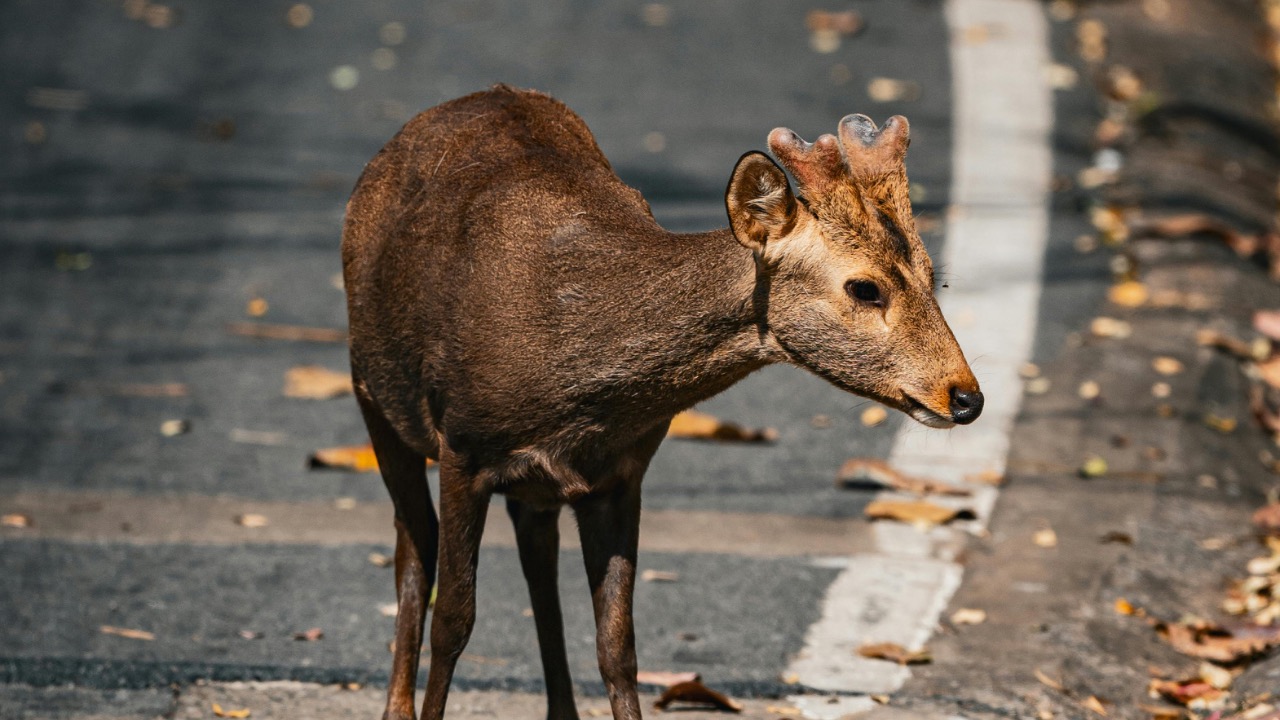
Any honest look at wildlife crossings has to start with the sheer size of the problem they are meant to solve. Federal analyses for the Wildlife Crossing Program note that Congress found there are more than 1,000,000 wildlife vehicle collisions on U.S. roads every year, a figure that only captures reported incidents. Separate research summarized in an Executive Summary estimates that Every year in the United States these crashes kill over 200 people and injure 26,000, while also destroying vehicles and livestock. When the U.S. Department of Transportation looked at the broader ecological toll, it estimated that about 365 m vertebrate animals are killed on Our Roadways annually, a number that hints at how profoundly highways are reshaping ecosystems.
Those national figures translate into real costs for states and drivers. According to the Colorado Department of, or CDOT, the annual economic impact of collisions with wildlife in that state alone is over $80 million in property damage claims and injuries. Advocates who write about these crashes, such as Stephanie Wein, point out that You may have even been unlucky enough to hit a deer or other large animal yourself, an experience that can be financially devastating even when everyone walks away. And as one analysis of the Wildlife Crossing Ahead program notes, this expensive public infrastructure of roads and highways is only now being retrofitted to reduce the costs associated with collisions for both drivers and wildlife, rather than treating crashes as an unavoidable side effect of mobility.
Why roads are so deadly for animals
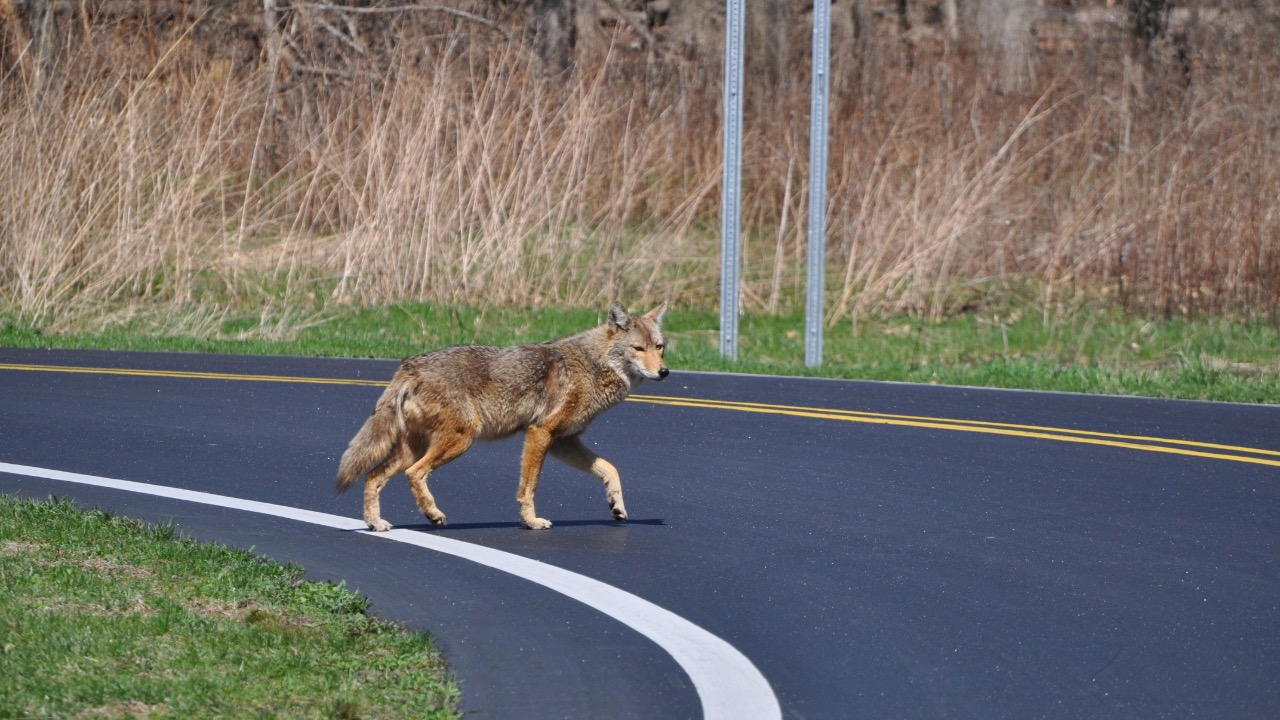
Highways are dangerous not just because of speed and traffic volume, but because of how they slice through habitat. Conservation advocates describe how Humans and wildlife share landscapes that have been carved up by pavement, fences, and development, a process known as habitat fragmentation. One overview of crossings explains that Habitat fragmentation is when we break up continuous habitat into smaller, isolated patches, forcing animals to cross roads to reach food, mates, or seasonal ranges. She notes that some species living closer to human dominated areas are adapting in surprising ways, but many others simply die trying to cross.
Federal researchers have been cataloging how to respond for years. In a key Chapter of a Wildlife Vehicle Collision Reduction Study, analysts group mitigation into Mitigation Methods that Seek to Physically separate Animals from the Roadway, a category that includes wildlife underpasses and overpasses combined with fencing. These structures are designed to funnel animals away from traffic and into safe passages, reducing the chance that a deer, elk, or bear will suddenly appear in a driver’s headlights. Without that kind of separation, Studies of carcasses from Utah to Virginia show that the number of animals killed on roads vastly outnumbers what police crash reports capture, which means the true scale of the problem is even larger than official data suggests.
What wildlife crossings actually are
Despite the name, there is no single template for a wildlife crossing. A detailed What explainer describes Wildlife crossings as specially designed structures that allow animals to safely cross roads, highways, and other barriers, often by funneling them to safety with fencing or natural vegetation. These can be broad, landscaped bridges that look like extensions of the forest, concrete underpasses sized for deer and elk, or smaller culverts tailored to amphibians and small mammals. The common thread is that they are built for animals first, with soil, plants, and cover that make them feel like part of the surrounding habitat rather than a foreign object.
In practice, that means a mix of engineering and ecology. The Federal Highway Administration’s Program Overview for the Wildlife Crossing Program emphasizes that Congress created the initiative to support projects that reduce collisions while maintaining habitat connectivity, and that design choices must reflect the behavior of target species. In some places, that might mean a tall, wide overpass for elk or moose, while in others it could be a series of low tunnels for reptiles and small mammals. A separate conservation blog on Wildlife crossings notes that these structures have revolutionized conservation by reconnecting migration routes that had been severed for decades, allowing animals to move freely across roads that once acted as hard barriers.
Proof that crossings cut crashes
The most common question I hear is whether these crossings really work. The data say they do, and at a scale that is hard to ignore. One widely cited analysis of projects in the West found that when crossings are paired with fencing that guides animals to them, You can get reductions of 85 to 95 percent in wildlife vehicle collisions, according to biologist Ament. Tha level of risk reduction is rare in traffic safety, where incremental improvements of a few percentage points are more typical. Another federal case study from the Fish and Wildlife Service notes that man made crossings have cut animal vehicle collisions by nearly 80 percent in some locations, a result highlighted in a story Written By agency staff who describe Thousands of motorists avoiding crashes each year because of these structures.
Specific projects help illustrate how those percentages play out on the ground. South of Bend, Oregon, a stretch of Highway 97 once saw hundreds of wildlife vehicle collisions every year, prompting the Oregon Department of Transp to install an overpass and a network of fencing. Follow up monitoring documented a steep drop in crashes as deer and other animals learned to use the new structure, reinforcing the conclusion that Wildlife crossing effectiveness is proven when projects are well designed. In Wyoming, the Wyoming Department of completed a series of overpasses and underpasses on Highway 191 outside Pinedale, and researchers found that collisions with mule deer plummeted once the system was in place. These are not isolated wins; they are part of a growing body of evidence that targeted infrastructure can dramatically reduce one of the most stubborn categories of crashes on rural roads.
How animals learn to use the structures
One of the more remarkable aspects of wildlife crossings is how quickly animals adapt to them. A detailed blog on behavior asks How wildlife know to use animal bridges and crossings, and concludes that Animal over and underpasses are a huge conservation success story because animals respond to cues like vegetation, scent, and the absence of traffic noise. Camera traps show everything from bears and cougars to tiny rodents using the same structures, often within months of construction. Over time, younger animals appear to learn from older ones, turning crossings into part of their inherited mental map of the landscape.
Design details matter here as well. Engineers and biologists work together to ensure that crossings feel safe to the species they are meant to serve, which can mean adding soil and native plants on top of overpasses, keeping underpasses wide and open, or providing dry ledges through culverts that would otherwise carry only water. A conservation explainer on Animal bridges notes that fencing is critical, because it keeps them off the road and gently guides them toward the crossing, rather than leaving them to wander onto the pavement. When these elements come together, usage rates climb, and the structures start to function as intended: quiet, reliable conduits that let wildlife move without colliding with cars.
The economics: crossings versus crashes
For transportation agencies, the case for wildlife crossings is increasingly financial as well as ecological. The Executive Summary of a major cost benefit study points out that Every year in the United States wildlife vehicle collisions kill over 200 people and injure 26,000, and that the associated costs in medical bills, vehicle repairs, emergency response, and lost productivity run into the billions. When researchers compared those recurring losses to the one time expense of building crossings and fencing, they found that in many high collision corridors, the structures pay for themselves over time by avoiding crashes. A separate fact sheet on Wildlife crossings underscores that these structures, such as overpasses and underpasses, can generate billions of dollars in savings when deployed strategically.
State level numbers reinforce that argument. According to According to the Colorado Department of Transportation, CDOT faces more than $80 million in annual costs from wildlife collisions, a figure that does not even include the value of lost animals to hunters, tourism, or ecosystem health. Advocates who argue that wildlife crossings save lives note that when projects cut crashes by half or more, they also slash insurance claims, towing bills, and hospital visits, easing pressure on rural communities where emergency services are already stretched thin. From that perspective, crossings are less a luxury than a form of preventive maintenance on a highway system that has long externalized the cost of hitting animals.
Federal momentum and the Wildlife Crossing Program
For years, wildlife crossings were mostly championed by a handful of states and conservation groups. That changed when Congress created the Wildlife Crossing Program, a dedicated funding stream that grew out of the recognition that there are more than 1,000,000 wildlife vehicle collisions annually and that better infrastructure could reduce them. The Program Overview explains that the initiative is meant to support planning, design, and construction of projects that both improve safety and maintain habitat connectivity, signaling that wildlife is now a formal consideration in federal highway policy. A separate Program Overview page notes that Congress directed the Federal Highway Administration to coordinate with states, tribes, and local governments, embedding crossings into the broader conversation about how to modernize aging roads.
The Biden Harris team has started to move real money through that pipeline. In Dec, the administration announced the first round of grants under the Wildlife Crossings Pilot, awarding $110 million to projects that will significantly reduce the number of collisions between motorists and wildlife, according to Federal Highway Administrator Shailen Bhatt. A companion announcement framed as The Problem on Our Roadways underscores why that investment matters, pointing to the Department of Transportation estimate that 365 m vertebrate animals die on U.S. roads each year. Together, these moves signal that the federal government now sees wildlife crossings not as boutique conservation projects, but as mainstream safety infrastructure worthy of national funding.
States, cities, and the new policy landscape
Federal money is only part of the story. States and local governments are increasingly writing wildlife considerations into their own transportation plans, often spurred by a mix of public pressure and economic logic. A policy explainer from a legislative research group notes that up to 2 million motorist wildlife crashes occur every year across the United States, and that lawmakers are exploring ways to make roads safer for drivers and animals by funding crossings, fencing, and better data collection. The same analysis points out that Behind every scenic mountain pass or hazy lowland highway is a set of tradeoffs about speed limits, lighting, and wildlife movement, and that some states are now requiring wildlife corridor studies before major road projects move forward.

Leo’s been tracking game and tuning gear since he could stand upright. He’s sharp, driven, and knows how to keep things running when conditions turn.