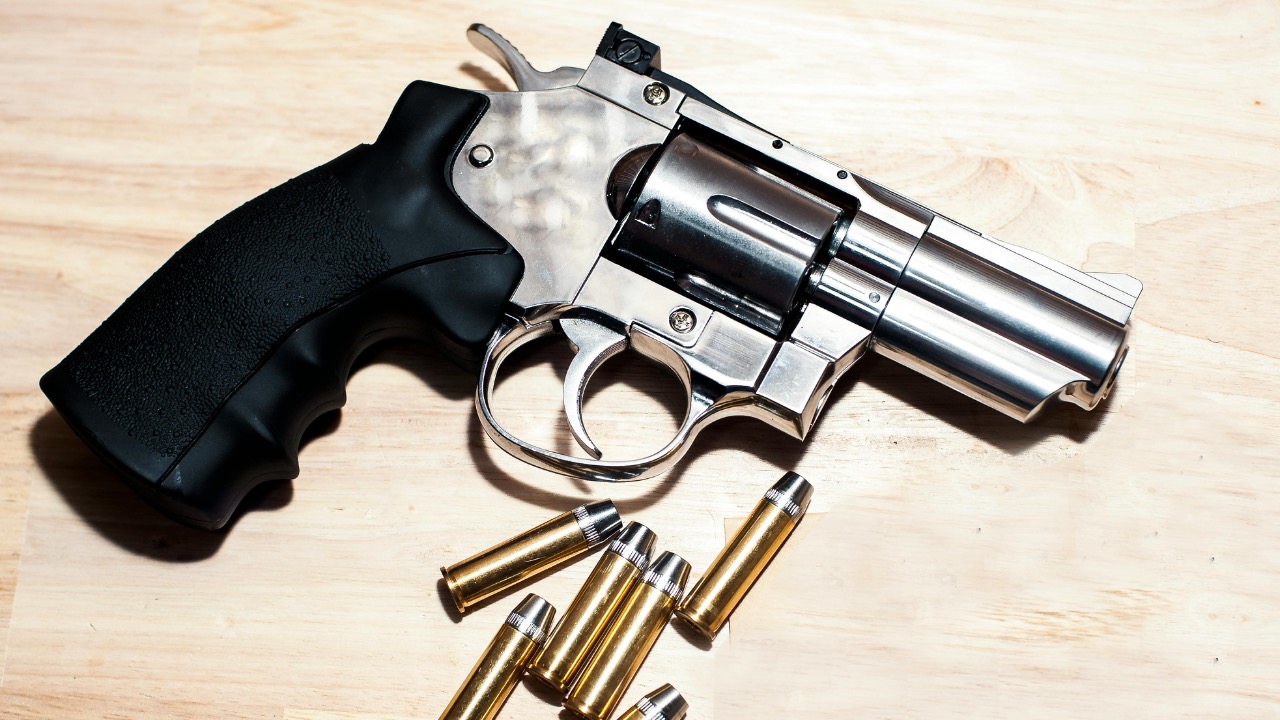
Firearms collectors are paying closer attention to revolvers again
Revolvers were supposed to be relics, eclipsed by polymer pistols and high‑capacity magazines. Instead, they are quietly climbing back into display cases, auction catalogs, and range bags. Collectors are discovering that the same traits that once made wheelguns feel dated now make them distinctive, scarce, and increasingly valuable.
From factory reissues of classic models to quirky modern designs that hint at future cult status, the market is shifting in ways that reward anyone who understands how revolvers fit into today’s collecting landscape. I see a growing number of serious buyers treating them not as nostalgia pieces, but as a focused category where history, craftsmanship, and performance intersect.
The new energy behind an old mechanism
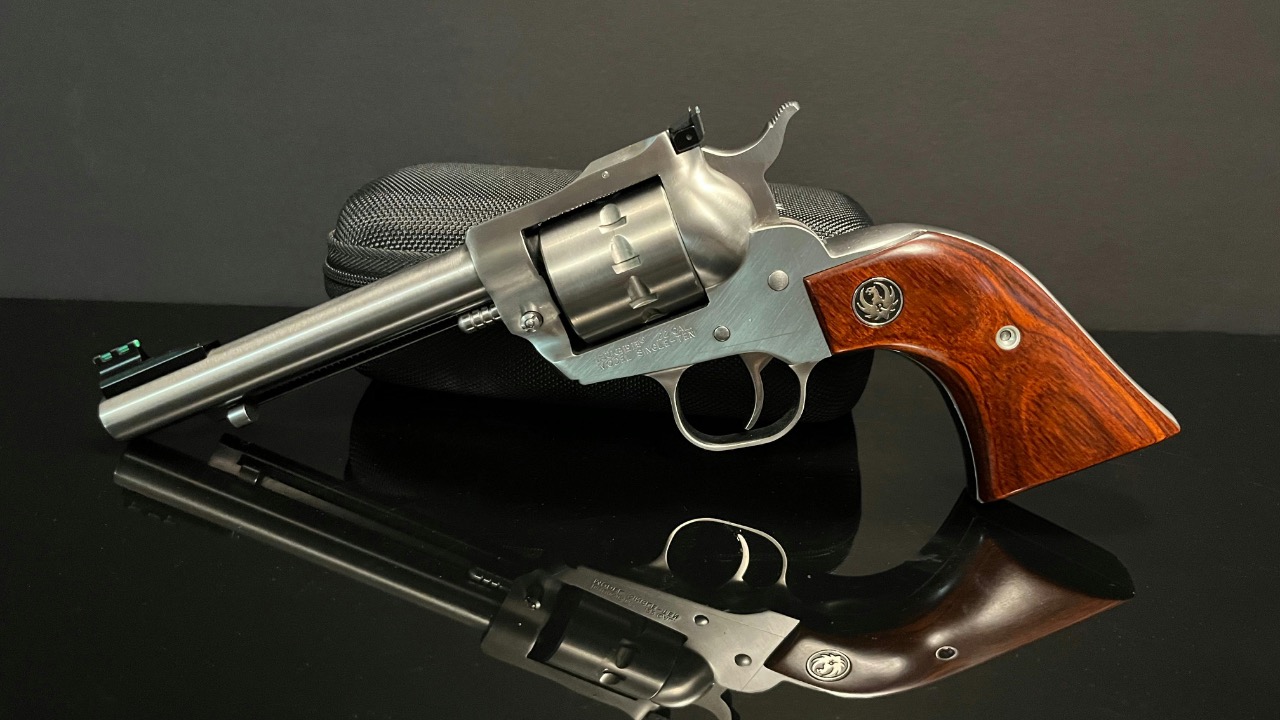
For years, the handgun market revolved around semi‑automatic pistols, yet the pendulum is swinging back toward the older, mechanically simpler wheelgun. Industry voices describe a kind of revolver “Renaissance,” with On The Other End Meanwhile noting that Some enthusiasts now talk about a “Renaissance” of interest at the far end of the bell curve where dedicated users live, a sign that this is more than a passing fad linked to a single model or movie trend. That language reflects what I hear from collectors who see revolvers as a way to stand apart from a sea of near‑identical polymer frames.
Manufacturers are responding to that energy. Legacy brands such as Colt and Ruger are once again foregrounding double‑action models in their catalogs, while tactical retailers are being told that Even specialized shops should be stocking wheelguns because they represent a larger slice of demand than many assume, as one revolver renaissanceanalysis put it. When mainstream makers and retailers reallocate shelf space, collectors tend to follow, reading that shift as confirmation that the category has fresh momentum.
SHOT Show and the proof on the firing line
Trade shows are often the first place a trend becomes impossible to ignore, and the revolver story is no exception. At Industry Day at the Range, organizers highlighted that the revolver resurgence is real and that the event showcased the best of the best from Colt and Diamondback Fir, a message shared widely through Industry Day coverage. When a range day built around new products devotes that kind of attention to wheelguns, it signals that manufacturers see real commercial upside in catering to this audience.
On the enthusiast side, detailed roundups from events like SHOT Show have zeroed in on specific models that collectors are already chasing. One 2025 roundup pointed to surplus Smith & Wesson Model 10 revolvers from France, including 10‑7 skinny barrel and 10‑8 heavy barrel variants, and warned that they will likely disappear quickly. When surplus imports are flagged that way, it tends to accelerate buying from collectors who understand how fast a finite batch can dry up once word spreads.
Why shooters say revolvers are “back”
Collectors are not operating in a vacuum, they are watching how working shooters talk about what they carry and why. In one widely shared explainer on Why Revolvers Making a Big Come Back, Sootch00 argues that Reliable Performance in Simplicity is the core appeal, noting that many shooters now value the straightforward manual of arms and mechanical dependability of a wheelgun, a point echoed in Why that piece. When a platform is praised for reliability rather than capacity, it tends to age well in collections, because those traits remain relevant even as fashions change.
Other commentators have leaned into the cultural side of the comeback. One video bluntly titled Revolvers Are BACK framed the trend in colorful terms, saying Revolvers are back and Right now they are hotter than a sidewalk in Phoenix at noon, a line that captured how quickly demand has heated up in some corners of the market, as seen in the Revolvers clip. When enthusiasts describe a category that way, it often foreshadows price moves as collectors scramble to secure examples before the broader market catches up.
Nostalgia, memory and the pull of steel and wood
Underneath the technical arguments, there is a powerful emotional current that keeps drawing people back to six‑shot cylinders and exposed hammers. A widely shared community post titled Revolvers: Classic Firearms noted that Nostalgia For many shooters is a key driver, explaining that revolvers hearken back to a simpler time and that Whether the connection comes from watching Western themed movies or from police dramas, the association is strong, as described in one Nostalgia For discussion. I hear the same thing from collectors who talk about a grandfather’s duty gun or a childhood memory of a Western on television as the spark that sent them hunting for a particular model.
That emotional weight is not just sentimentality, it shapes what becomes collectible. When a design is tied to a specific era in pop culture or law enforcement history, it gains a narrative that can be retold every time the gun changes hands. Social posts that open with lines like Hey it is Firearms Friday and go on to defend a classic Army style revolver as a practical DA/SA choice for modern times show how nostalgia and present‑day use can blend, as one Firearms Friday post did. That blend is exactly what collectors look for, a piece that feels both historically grounded and usable.
Investment‑grade wheelguns and the hunt for scarcity
As interest grows, a subset of buyers is treating revolvers as a deliberate investment category rather than a nostalgic indulgence. A detailed look at investment grade wheelguns noted in its Market Trends section that What is Hot Right Now includes high end revolvers whose prices have been on fire for the past few years, and suggested that we are just seeing the beginning of that curve, according to the Market Trends analysis. That kind of language is familiar to anyone who watched the surge in classic semi‑auto prices a decade ago, and it tends to draw in buyers who might otherwise have focused on other asset classes.
Collectors are also paying attention to experienced voices who spell out which specific models they refuse to part with. In one video titled I Would Not Sell These 7 Revolvers in 2026, the host opens with the line While the hype chases whatever’s new and plastic, a small group of wheel guns keeps getting harder to replace and more valuable every year, warning that selling them now would mean buying them back later without paying way more than before, as he explains in While the segment. When seasoned collectors talk that way, it reinforces the idea that certain revolvers have crossed a threshold from shooter grade to long term hold.
Icons like the Colt Python and the power of legacy
Some models sit at the center of this renewed attention, and the Colt Python is one of them. A detailed profile titled Unveiling the Colt Python revolver describes it as a legacy of precision and power, emphasizing how its reputation for accuracy, smooth trigger work, and distinctive styling has made it a benchmark for double‑action craftsmanship, as outlined in Unveiling the Colt. I see that legacy reflected in auction catalogs where early production Pythons with original finishes and boxes routinely command premiums that outstrip many contemporary custom pistols.
That kind of halo effect spills over into the broader category. When a brand like Colt invests in reintroducing classic revolvers and highlights their heritage on its own website, it reinforces the idea that these guns are not just functional tools but pieces of an ongoing story. Collectors who buy a new production Python or a carefully restored original are often buying into that narrative of continuity, which helps explain why they are willing to pay a premium for correct grips, period‑accurate finishes, and factory documentation that ties a specific revolver back to its era.
Modern oddballs and tomorrow’s cult classics
Not every collectible revolver is a blue steel throwback. Some of the most talked‑about models are modern oddballs that break the mold in ways that either delight or divide shooters. A survey of ten modern wheelguns with future collectability potential singled out the Taurus Judge with the memorable description Taurus Judge, the weird one that works, arguing that its ability to chamber both .45 Colt and .410 shotshells gives it a unique niche that could age into cult status, as noted in the Taurus Judge list. I hear similar arguments about other unconventional designs that solve specific problems in ways semi‑autos cannot.
Retailers are being advised to recognize that appetite for variety. One trade piece on the revolver renaissance argued that Even tactical shops should be stocking wheelguns because they make up more of the market than many assume, a point underscored in the tactical retail guidance. When shops that once focused almost exclusively on striker‑fired pistols start dedicating case space to niche revolvers, it creates visibility that can turn a quirky model into a sleeper hit, and collectors who spot those patterns early often end up holding the guns everyone else wishes they had bought when prices were lower.
Craft, engraving and the revolver as art object
As values climb, more collectors are treating revolvers as canvases for high‑end engraving and custom work. A forward‑looking forecast on what is coming for firearms collectors in 2026 noted that There is also this growing appreciation for engraving and artistic metalwork, and singled out Master engravers like Alain Lovenberg for helping set a standard that modern buyers now expect, especially on platforms that offer better canvases for custom work, according to the There report. Revolvers, with their broad sideplates and sweeping barrel flats, naturally lend themselves to that kind of embellishment.
At the same time, accessory makers are updating classic platforms with modern sighting systems and other refinements that keep them practical. One manufacturer of aftermarket sights recently explained that Revolvers have made a big comeback and that the resurgence is driven by a mix of nostalgia and their mechanical simplicity and reliability, a rationale offered while unveiling new adjustable rear sights for Smith & Wesson models in a Revolvers product announcement. That blend of art and updated function is exactly what many collectors want, a piece that looks like it belongs in a display case but still shoots to point of aim on the range.
From “relics or rescue tools” to a durable niche
Perhaps the clearest sign that revolvers have moved beyond novelty status is the way professionals talk about them. One detailed feature framed the debate as Relics Or Rescue Tools and concluded that On The Other End Meanwhile, on the far end of the bell curve, something else was happening, with Some observers calling it the Renaissance of the wheelgun and arguing that for certain roles, no auto loader is better, as described in the Other End Meanwhile piece. When trainers and law enforcement veterans describe revolvers as legitimate tools rather than outdated curiosities, collectors take notice.
Social media posts from range events reinforce that message. One widely shared update from a law enforcement focused page declared that the revolver resurgence is real and highlighted how Industry Day at the Range showcased practical double‑action and DA/SA models that bridge the gap between tradition and modern needs, as seen in the range showcase. When the same guns that collectors covet are being vetted on the firing line by working professionals, it strengthens the case that this renewed attention is not a bubble but the reemergence of a durable niche.
Where collectors go from here
Looking ahead, I expect the revolver market to keep splitting into two overlapping streams, one driven by nostalgia and legacy, the other by performance and scarcity. Analyses of What is Hot Right Now in investment grade revolvers suggest that the market for high end examples has been on fire and that we are just seeing the beginning, a view repeated in the Hot Right Now commentary. At the same time, community posts about Western themed memories and simple, dependable designs show that the emotional pull described in Western discussions is not fading.

Leo’s been tracking game and tuning gear since he could stand upright. He’s sharp, driven, and knows how to keep things running when conditions turn.