Appalachian Mountains legends explained: history, myth, and reality
The Appalachian Mountains are among the oldest peaks on Earth, and that deep past has become fertile ground for stories of ghosts, monsters and mysterious lights. From strange creatures in the woods to unexplained orbs over ridgelines, many locals treat these tales less as campfire fun and more as quiet rules for staying safe. This piece traces where those legends come from, how they blend with real history and geology, and why they still shape life in Appalachia today.
Across the region, people talk about things you should never do in the hills at night, from whistling to answering a voice that sounds like your own mother. Those warnings sit beside stories of the Mothman, the moon-eyed people and the Brown Mountain Lights, each mixing documented events with rumor. By looking at both the science and the superstition, it becomes easier to sort what is myth, what is memory and what remains unexplained.
The ancient mountains behind the myths
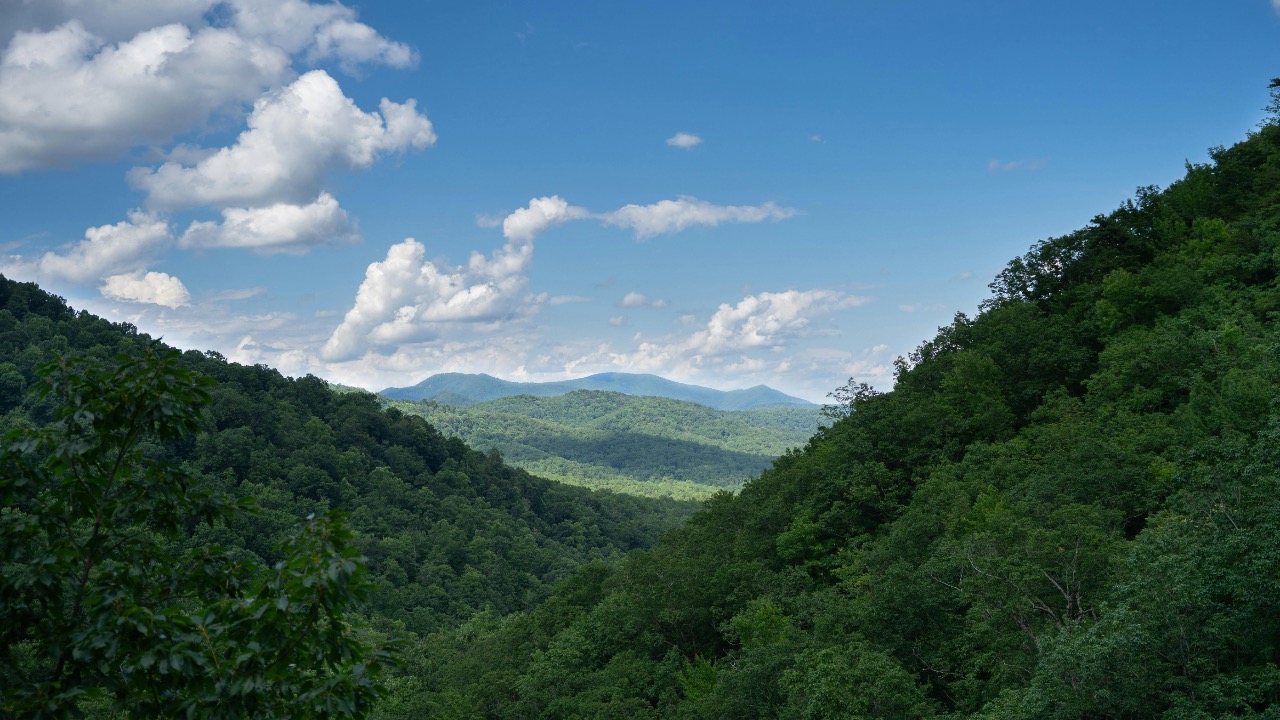
For many Appalachian legends, the starting point is the age of the land itself. Geologists describe these peaks as ancient, formed when the continents were still one, and that deep time encourages people to imagine that the mountains have “witnessed the birth of man and monster” alike. One detailed account of the region’s geology explains that these ancient mountains rose long before modern ecosystems, which feeds the idea that something older than people might still linger in the hollows. In online discussions, fans of fantasy and horror even point out that the Appalachian mountain range is “so old it actually does pre-date the evolution of trees on the planet,” a claim repeated in one Appalachian thread, even if that exact timing is unverified based on available sources.
Some storytellers push the age argument even further, insisting that there are “no fossil bones in the appalachians, because the mountains formed before animals with bones existed,” and linking that claim to the idea that the range was shaped before woody plants appeared. One Facebook post that mixes geology with pop culture even adds that “John Denver was also a geologist” while repeating that There are no because of this extreme age. Scientists would point out that fossils do exist in sedimentary layers linked to the broader Appalachian system, so the absolute version of that claim is not backed by mainstream research, but the core idea remains powerful: people see the mountains as unimaginably old, and that sense of deep time helps every ghost story feel more believable.
Everyday rules: superstitions and survival
Long before anyone mentions monsters, people in the hills often talk about rules. In many communities, older relatives tell children not to whistle in the woods, not to look out their windows at night and never to answer if they hear their name called after dark. One Reddit user who grew up in the region summed up those warnings by writing “Hello born and raised Appalachian here!” and then listing a few of the stories they heard as a child, saying that Hello born and people like them grew up with fleshgait tales and similar creatures. Another commenter in a separate thread asked if the region is really haunted and described hearing that locals “won’t whistle at night, won’t look out their windows at night, if you hear your name at night you do not answer,” capturing how these beliefs show up in daily life, as seen in the post that begins “I hear lots of things” on Sep.
These habits are often framed as “Superstitions” rather than formal religion, but they function like a folk safety manual. One travel guide to the range notes that “Superstitions. Different superstitions guide life in the Appalachians,” and explains that people are warned not to whistle in the woods because some believe the sound can attract spirits or wild animals that serve as warnings of impending danger. That same guide to the Superstitions of the range links these customs to a broader pattern of using signs and omens to avoid harm. Podcasts that collect local lore repeat similar advice in blunt bullet points, with one transcript listing rules like “Don’t look at the trees,” “If you hear your name called in the woods, no you didn’t,” and “If you hear whistling at night, don’t whistle back,” as quoted in the TRANSCRIPT from “Folklore: Stories of Appalachian Horror.”
Mothman: from local panic to global icon
Among all Appalachian legends, the Mothman may be the best known. Many accounts agree that the creature was first reported in West Virginia in the 1960s, often described as a tall, winged figure with glowing red eyes. One detailed cryptid guide calls him “the most famous Appalachian cryptid” and notes that he was first seen in West Virginia on November 15, 1966, in the city of Point Pleasant, and that witnesses described a humanoid shape with large wings that can fly, according to the Mothman entry. A separate travel blog on regional folklore starts its list of stories with “Mothman,” noting that “Our first bit of Appalachian legend takes us to the heart of Appalachia in Point Pleasant, West Virginia,” and describing the creature’s “red coloring around its eyes” as part of the classic image, as seen in the section on Mothman.
Over time, the figure moved from frightening rumor to tourist draw. The riverside city of Point Pleasant, West Virginia, now has a museum, a statue and a recurring festival, all dedicated to the one and only “Mothman,” according to a feature on cryptids and the Point Pleasant, West economy. Another travel piece notes that on the third weekend of September, Point Pleasant hosts its annual Mothman Festival, which features live music, shops, activities and tours, turning a once terrifying story into a community celebration, as described in the section that begins “On the third weekend of September” and highlights the On the weekend event. One national round-up of urban legends adds that “West Virginia: The Mothman The Mothman is a 10-foot-tall winged creature with glowing red eyes. Sighted before many disasters, some see it as a protector, warning humans of impending danger,” presenting Mothman The Mothman as both omen and guardian rather than simple monster.
Moon-eyed people and stone walls
Not every Appalachian legend involves a beast. Some describe whole lost communities, like the moon-eyed people. According to regional folklore, these are a legendary group of short, bearded, white-skinned people who are said to have lived in Appalachia until they were driven out by the Cherokee or early European settlers in America. A reference entry on the subject explains that Appalachia is the setting for these stories and stresses that the group left no written records, which leaves historians sorting through oral accounts and later retellings. Social media storytellers build on that, with one post calling them “Architects of the Mist The Moon-Eyed People” and saying they left “silent monuments of stone” that only gained names when European settlers first heard them whispered about in the dark, as seen in the post that begins “Architects of the Mist The Moon” on Architects of the.
Supporters of the legend often point to specific landmarks. In North Georgia, at Fort Mountain State Park, there is a long stone wall that some say was built by the moon-eyed people. One travel piece on Appalachian monsters notes that “Today, there are supposed remnants of the moon-eyed people in North Georgia at Fort Mountain State Park,” and mentions an interpretive sign that credits them with the fortifications on this mountain, as detailed in the section that begins “Today, there are supposed remnants” at Today. Another guide to the Great Smoky Mountains notes that visitors can see a stone wall located in the Fort Mountain State Park that the moon-eyed people are believed to have left behind, tying the story directly to a tourist stop for Visitors. A separate sports feature about Appalachian State’s home field mystique even tells readers that if you go to Boone, North Carolina, today, “You will see the Moon-eyed statues still standing” and the lights dancing over Brown Mountain after sunset, blending the Boone, North Carolina statues with the region’s other mysteries.
Brown Mountain Lights and scientific pushback
Few Appalachian stories sit as squarely between science and legend as the Brown Mountain Lights. In the dark skies above Brown Mountain, North Carolina, people have reported eerie ghost lights in the night for generations, often described as orbs that drift above the ridge before vanishing. A feature on Appalachian legends describes “The Brown Mountain Lights In the dark skies above Brown Mountain, North Carolina, eerie ghost lights have been spotted in the night sky,” and says they sometimes float along the mountain before suddenly disappearing or soundlessly exploding, as described in the section titled Brown Mountain Lights. Another piece on unsettling park mysteries reports that viewers see orbs of light that float around Brown Mountain, sometimes multi-colored, sometimes white, and that they can hang in place above the ridge, as seen in the description that begins “Viewers report seeing orbs of light” over Viewers.
Scientists have tried to explain the phenomenon. In 1922, the United States Ecological Society investigated the Brown Mountain phenomenon and determined that the lights were simply car headlights and train lamps, according to a review of Appalachian folk stories that notes this early attempt at debunking and adds that people still report seeing the lights on almost any clear night between September and November. That account of the United States Ecological study shows how official investigations have not erased the legend, especially since the first sightings predate modern highways. Local culture has filled in the gaps with its own answers: one feature on Appalachian legends notes that Bluegrass songs claim that the lights are the ghost of a slave searching for his lost master, while an episode of “The X Files” reasons that the lights are energy beings feeding off the bodies of fallen warriors, according to the section that explains what Bluegrasssongs and television have suggested.
“Don’t look at the trees”: horror rules and online lore
In recent years, Appalachian legends have found new life online, especially in horror forums and podcasts. One popular audio series on strange events in the region opens with a stark list of rules: “Don’t look at the trees. If you hear your name called in the woods, no you didn’t. If you hear whistling at night, don’t whistle back,” according to the heartstartspounding.com episode page that hosts the “Folklore: Stories of Appalachian Horror” TRANSCRIPT. Another podcast devoted to hauntings echoes that tone, warning listeners that “If you see something, no you didn’t. If you hear something, no you didn’t,” before describing Appalachia as one of the most haunted places in the country, according to the show listing for episode 311 on Two Girls One Ghost.
Reddit threads amplify and remix those same rules. One user in a fantasy forum marvels at how the mountains’ great age makes them a natural setting for horror, while another in an Appalachia community asks why the region seems to host so many supernatural stories. In that discussion, a commenter with the handle “Ain’t nobody more cleaver than me!” weighs in, and the thread title itself asks why The Appalachian Mountains are home to so many supernatural tales, tying the folklore to the geography. A separate horror subreddit post about Appalachian Mountains folklore has locals chiming in to say “There’s really not much to it, it’s just a story,” while others insist that certain creatures, like the fleshgait mentioned in the comment that begins “Hello born and raised Appalachian here!” on Reddit horror, feel very real to them.

Leo’s been tracking game and tuning gear since he could stand upright. He’s sharp, driven, and knows how to keep things running when conditions turn.