Common mistakes that let deer smell hunters before they ever settle in
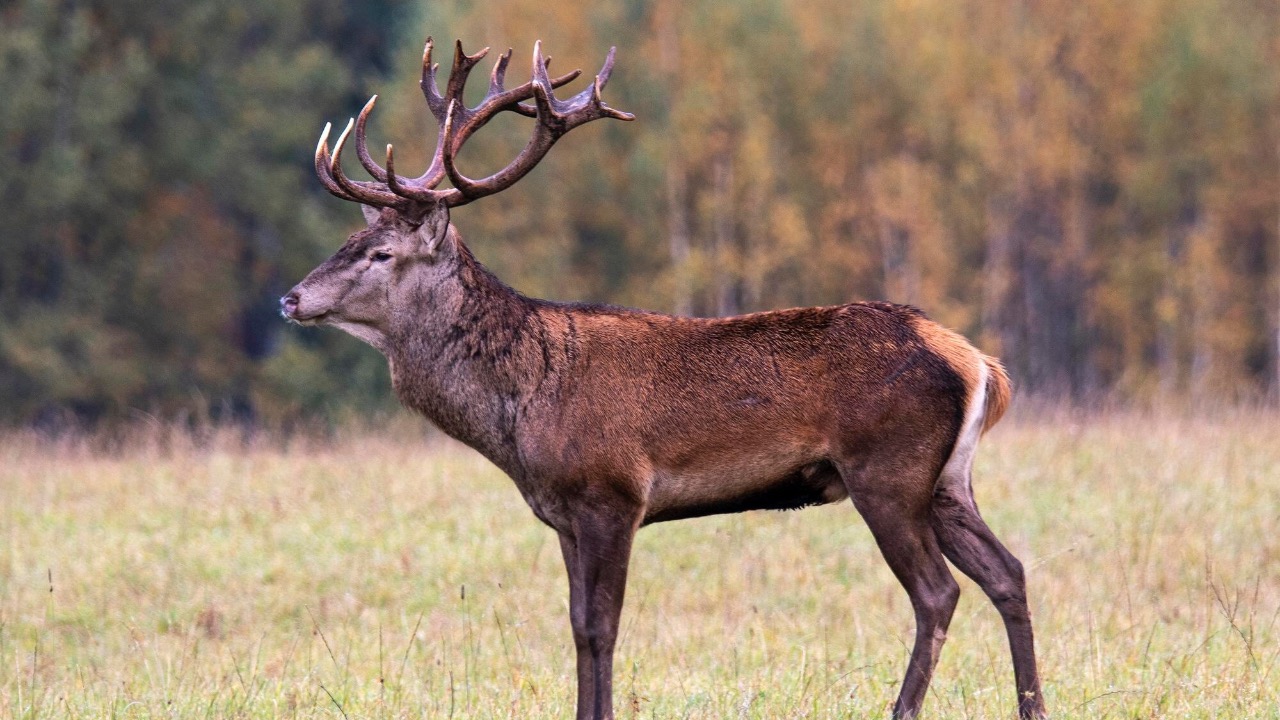
Deer live and die by their noses, and they are very good at it. Long before a buck sees a shape in the trees or hears a stand creak, it is often smelling a hunter’s approach and changing course without a sound. The most common scent mistakes happen well before anyone settles into a stand, which means many hunts are lost in the driveway, at the truck, or on the walk in.
In this piece, I walk through the errors that give you away early and show how careful scent control, smarter wind choices, and cleaner habits can keep you in the game longer. Each section breaks down one pattern that lets deer smell you first, then points to simple changes that stack the odds back in your favor.
Underestimating how far a deer can smell you

A lot of hunters act as if a deer has to be close before scent becomes a problem. The biology says something very different. A whitetail has more than three hundred million scent receptors in its nose, far more than a human, and in ideal conditions it can pick up human odor from about 1,000 yards away, according to a detailed guide on how far deer can smell. When I plan a hunt with that number in mind, it changes how I think about parking spots, access routes, and when to even step into a field.
Because scent can travel so far, a hunter may believe a distant bedding area is safe while a steady breeze is actually carrying human odor right into it. That is why some experienced hunters talk about scent control as a full system, not a last step before climbing into a stand. The same analysis explains that terrain, humidity, and wind shifts can all stretch or shrink that 1,000 yard reach, so I treat every approach as if deer are already within smelling distance, even when I cannot see a single track.
Trusting the wind you want, not the wind you have
Many blown hunts start with wishful thinking about wind. Hunters often look at a forecast, assume it will hold, and walk in as if a steady north or west breeze is guaranteed. Recent reporting on common scent mistakes describes how people rely on the wind they hope for instead of checking what the air is actually doing at ground level, and that gap lets odor drift into cover long before anyone sits down, as one breakdown of mistakes makes clear.
Wind can bend around hills, swirl in timber, and funnel through draws in ways that do not match a simple compass arrow. For that reason, some scent control guides urge hunters to carry light wind indicators and check them often instead of trusting a phone app alone, especially when walking into tight cover or climbing into a blind where air can pool. The same reporting notes that most scent control gear still needs the wind to work in your favor, so I treat wind checks as a constant task, not a one time decision in the truck.
Skipping basic body and hygiene scent control
Human skin is a constant odor factory, and ignoring that reality is one of the fastest ways to be smelled before you ever reach a stand. Detailed scent control advice puts heavy emphasis on washing with scent free soaps and shampoos, using unscented deodorant, and even brushing teeth with a plain, unflavored brand so mint or sweet smells do not hang in the air, as one set of body care tips explains. I treat that hygiene step as the base layer of every hunt, not an optional extra.
Another breakdown of scent control strategy frames personal hygiene as the first line of defense, listing unscented soaps, shampoos, and deodorants as key personal hygiene tools. When I skip that routine, sweat and normal daily smells build up on my skin and hair, and no amount of spray on top will erase them. By starting clean, I reduce the amount of human odor my body pumps into my clothing and gear, which then makes every other step, from clothing to wind, more effective.
Contaminating clothing and gear before you leave home
Plenty of hunters wash their camo, then undo the work in a single afternoon. Scent control guides warn against using standard detergents that leave brighteners and fragrance in fabric, and instead urge hunters to keep clothing scent free and stored away from household odors, as one breakdown of clothing tips explains. When I toss clean gear on a couch, ride with it in a truck cab full of fast food, or hang it in a garage that smells like gasoline, I am loading those fibers with smells that deer can sort out instantly.
Some scent blocker strategies go further and recommend washing hunting clothes in detergents made for hunters, then storing them in sealed containers or bags so they do not absorb kitchen or vehicle odors, a point made in detailed gear preparation advice. Another guide on overlooked odors suggests washing packs with scent free detergent on a gentle cycle and letting them air dry outside so they are less likely to pick up unwanted smells in the house, a smart practice described when explaining how to remove overlooked odors. I now treat every piece of gear, from hats to backpacks, as a potential scent source that needs the same care as my outer layers.
Leaving a hot scent trail on the way to the stand
Even if you reach your stand without being seen, you may have already told every deer in the area exactly where you are. One breakdown of common errors calls out leaving a scent as a major problem and lays out a simple rule: everything goes into the stand with you, including packs, cans, and flashlights, so you are not dropping human odor on the ground that deer will cross later. When I leave gear on the ground or brush against every sapling on the way in, I am painting a clear line of scent that can spook deer even after I have been sitting still for an hour.
Some hunters have learned to treat access routes like part of their ambush plan. One set of tips on building whitetail tolerance for machines describes using an ATV in a way that does not leave a long trail of human scent leading straight to the stand, explaining that this kind of trail is one of the top reasons deer get spooked before a hunt even starts, as described in advice on ATV access. I now think about how my boots, my hands, and my equipment touch the environment, and I try to float through cover with as little contact as possible so my scent stays concentrated near my stand instead of smeared across the property.
Relying on gear instead of a full scent-control system
Modern scent control gear can help, but it cannot fix bad habits. One short video warning about common errors points out that many hunters shrug off scent control and say they can just get in and out without worrying about it, which the speaker calls a huge mistake. That attitude often shows up when someone buys a high tech jacket or ozone device and then ignores basics like wind, body odor, or clean clothing.
Several detailed guides frame scent control as a layered system that starts with clean skin, then moves to scent free clothing, smart wind use, and finally, selective use of sprays or cover scents. One breakdown of strategies for effectivelists personal hygiene, gear preparation, and field discipline as linked steps rather than stand alone tricks. Another set of scent blocker strategies stresses that even the best treated clothing still needs to be handled and stored correctly. When I treat gear as one tool in a larger plan instead of a magic shield, I stop making lazy choices that deer can smell a long way off.
Bad pre-hunt habits: food, fuel, and everyday smells
Many hunters work hard on their gear, then undo it with what they eat and touch on the way to the woods. One breakdown of pre hunt tactics talks about pre hunt scent and warns that strong foods like coffee, garlic, and seafood can change body odor and breath in ways that deer can pick up. When I drink a thermos of strong coffee in the truck, that smell does not vanish when I step into the dark; it rides on my breath and clothes.
Other guides flag fuel, tobacco, and even scented laundry products as common problems that cling to skin and fabric. One set of scent control sins describes hunters who head out after pumping gas or handling greasy tools and then wonder why deer still smell them. Another overview of overlooked mistakes ties these everyday odors to spooked deer that change their patterns. I now build a simple rule into my routine: once I clean up and dress in hunting clothes, I avoid gas pumps, fast food, and strong snacks so I do not carry that smell to the stand.
Misusing cover scents, sprays, and “scent-free” products
Sprays and cover scents can help, but they are easy to misuse. One set of basic tips describes scent control as a multi step process that includes treating the body first so odor does not build up under clothing, then using sprays as a supplement instead of a cure all. Another breakdown of scent control 101 calls this body step the most vital part of staying scent free and warns that odor causing bacteria can quickly bring smells back if skin is not handled right, advice repeated when explaining that this is, in the author’s words, the most vital step.
Cover scents can also backfire when they do not match the area. One field tip describes using a good cover scent that is naturally present where you hunt, and warns that if the smell is only found far away, it may draw deer attention at a distance rather than calming them inside bow range, as explained in a set of cover scent suggestions. I now think of sprays and cover scents as ways to blur the edges of my remaining odor, not as a license to ignore wind or hygiene. That mindset keeps me from walking into the woods smelling like a perfume counter with leaves on it.
Ignoring deer behavior, pressure, and real-world conditions
Even perfect scent control will not fix a bad read on deer behavior. Detailed advice on whitetail senses explains that observing deer patterns and behavior is key to staying undetected, and urges hunters to spend time in the field watching where deer feed, bed, and travel, as laid out in a guide on understanding deer senses. When I ignore those patterns and march straight into the heart of a bedding area on a bad wind, no soap or spray will save that sit.
Heavy human pressure also changes how deer respond to scent. One column on hunting pressure notes that on any given day, thousands of hunters enter the woods and spread human odor into places where deer used to move freely, and over time those animals adjust their daily behavior patterns to avoid that smell, as described in a piece on how pressurechanges deer. I keep that in mind when planning access and stand locations, aiming to move where my scent will touch as little ground as possible and where deer have not already learned to expect human odor every weekend. When I combine that awareness with careful scent control, I stop giving deer a warning long before I ever settle into my spot.

Leo’s been tracking game and tuning gear since he could stand upright. He’s sharp, driven, and knows how to keep things running when conditions turn.