Scientists document unprecedented mass animal die-off, raising new concerns
Across land and sea, scientists are now tracking mass deaths of wild animals that are larger, faster and more tightly linked to human activity than anything recorded in modern times. From seabirds starving in overheated oceans to elephants collapsing near poisoned waterholes, these events are no longer rare shocks. They are becoming a defining feature of a planet under pressure.
The scale of loss has pushed many researchers to warn that humanity is edging into a new phase of ecological risk, where sudden die-offs can tip already weakened populations toward long-term collapse. A pattern is emerging: extreme climate, pollution and disease are converging so often that the line between isolated tragedy and systemic crisis is starting to blur.
Mass deaths move from anomaly to warning sign
For much of the last century, large wildlife die-offs were treated as freak events, tragic but temporary breaks in an otherwise stable natural order. That view is harder to defend now that scientists have documented repeated mass deaths across birds, mammals and marine life, many of them linked to human-driven stress. A growing body of work argues that these events are not only more visible but also more frequent, and that they are beginning to reshape how ecosystems function.
One early alarm came from researchers who examined records of mass mortality and found that such events appeared to be increasing, especially in birds, fish and marine invertebrates, with links to disease, toxins and complex environmental change, as described in a Jan analysis of mass die-offs. That work helped shift the conversation from isolated case studies to a wider pattern. Since then, new events have kept arriving faster than many field teams can process them, turning each fresh mortality report into a test of how much stress wildlife can absorb before entire populations begin to fail.
Common Murres and the toll of a hot ocean
Few stories capture that shift as clearly as the collapse of Common Murres in the North Pacific. These black-and-white seabirds usually ride out harsh winters and changing currents by ranging widely for fish. Around a decade ago, however, thousands of carcasses began washing onto beaches from California to Alaska, a grim sign that something in the food web had given way. The birds were emaciated, and many colonies failed to breed, suggesting that adults and chicks were starving at the same time.
Later work tied that disaster to a vast marine heat wave nicknamed “the Blob,” which raised sea temperatures and disrupted the small forage fish that Common Murres depend on. In a follow-up account, scientists described how they had been tracking the die-off since 2015 and were “stunned” when they finally pieced together how sustained heat and competition from other predators had starved the birds, as reported in a Mar feature on what happened. The Murre crash is a clear example of how a warmer, more volatile ocean can turn a once-resilient species into the victim of a single long heat event.
Elephant seals and a fast-moving bird flu
If warming oceans expose one kind of vulnerability, fast-evolving disease shows another. On the remote South Atlantic shores of South Georgia Island, scientists using drones to survey breeding colonies of Elephant Seals recently documented a shocking loss of adult females. Images suggested that highly pathogenic H5N1 avian flu had killed nearly half of the breeding females in what is described as the World’s Largest Elephant Seal Population, a blow that could echo through the colony for years because each female raises only a single pup per season.
Researchers on the ground described the scene as a “silent crisis,” with carcasses scattered along the beaches and little time to respond before the virus moved on. A detailed account of the outbreak on the South Georgia Island shores stressed that this was not just a bird disease anymore but a pathogen jumping into marine mammals at scale. The same drone-based survey that revealed the losses described how “Bird Flu Wiped Out Nearly Half of the Females” in the World’s Largest Elephant Seal Population, according to a Dec post that quoted drone images and scientists on site. Taken together, the data offer a stark warning about how quickly a single virus can erase decades of slow population growth.
African elephants and “climate-induced poisoning”
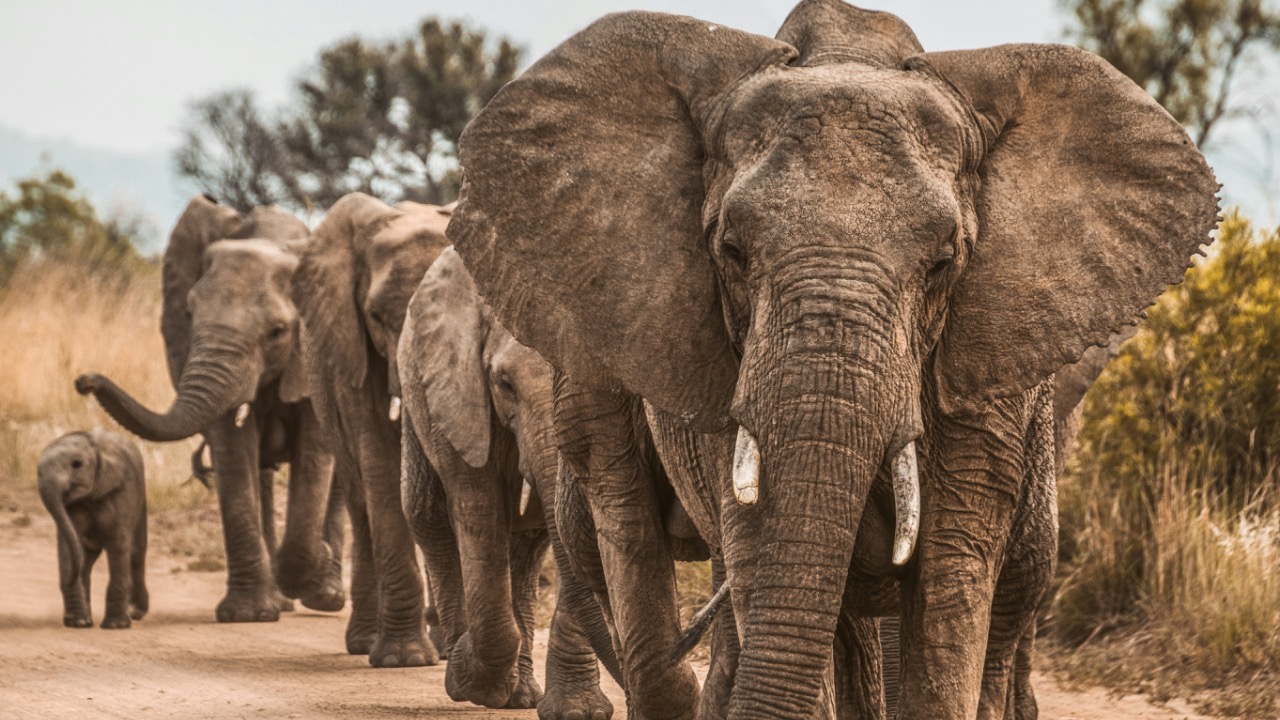
On land, one of the most haunting recent events involved African Elephants in southern Africa. In 2020, rangers flying over the Okavango region of Botswana began to see elephants lying on their sides near waterholes, tusks still attached, with no signs of gunfire or struggle. By the time the surveys were complete, about 350 animals had died in what researchers now describe as one of the largest sudden mortality events ever recorded for large wild mammals. The scale alone made it a global mystery.
Years of testing have since pointed to toxins produced by cyanobacteria in small, stagnant pools as the likely cause, a process some scientists have described as “climate-induced poisoning” because warmer, nutrient-rich water favors these blooms. A detailed scientific analysis of the 350 elephants in Botswana examined carcass locations, satellite images and water chemistry to reconstruct how long the animals might have been exposed. Reporting from the Okavango region has also described how an elephant carcass at a watering hole in Botswana became a symbol of the event, with images credited to National Park Rescue and AFP in a Nov piece on toxic water. That work points not just to a local tragedy but to an example of how rising temperatures can turn essential water sources into lethal traps for some of Earth’s largest land animals.
Heat waves are turning seas into kill zones
Behind many of these stories sits a quieter driver: extreme heat in the ocean. Marine heat waves now form more often and last longer, raising surface temperatures by several degrees over huge areas. For fish, corals and plankton, that shift can mean less oxygen, more metabolic stress and sudden habitat loss. Scientists who track these events describe a pattern in which heat combines with acidification and low oxygen to push marine life past its limits.
One recent overview of ocean heat waves quoted researchers who said the undersea world “seems to be suffocating,” with coral reefs, kelp forests and shellfish beds all taking repeated hits. A 2022 study cited in that reporting suggested that as much as half of the world’s oceans may now be experiencing heat waves in a typical year, often in waters that are already acidified and low in oxygen. In that context, the Common Murre die-off looks less like an isolated disaster and more like one chapter in a much larger story of marine systems pushed toward failure.
From bird kills to a potential sixth mass extinction
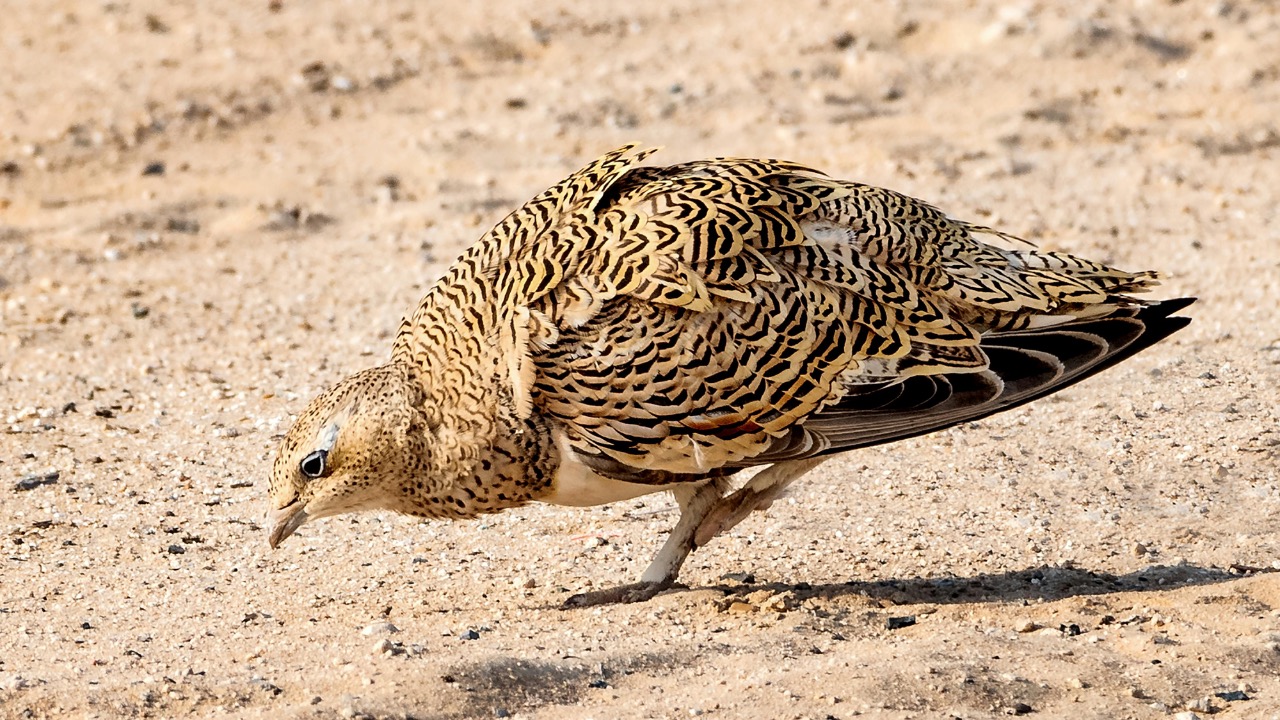
Scientists have long known that “bird kills” and other sudden wildlife deaths can happen for many reasons, including storms, collisions, disease and toxins. A summary of bird kill events notes that large die-offs of animals are not unusual in nature and lists scientific explanations ranging from bad weather to poisoning. It also points out that climate change is adding new stress on top of these older threats, making it harder for populations to recover between shocks. That framing matters because it shows that sudden mass deaths are part of a broader pattern of decline, not a separate phenomenon.
At the planetary scale, some researchers now argue that we may be entering a sixth mass extinction, a term used when a large share of species disappears in a relatively short geological period. Work summarized in a review of extinction eventsnotes that research completed after the classic 1982 paper by Sepkoski and Raup has strengthened the case that current extinction rates are far above background levels. Set against that long-term picture, the spate of modern die-offs raises the worry that these sudden crashes are not random blips but accelerators pushing vulnerable species closer to the edge.
Global indicators show wildlife in free fall
Beyond individual events, global monitoring efforts now show steep, sustained declines in wildlife populations. The Living Planet Report, produced by the World Wildlife Fund and the Zoological Society of London, compiles trends across thousands of vertebrate species to estimate how much abundance has changed over time. Recent editions have described average population drops of well over half since 1970, with freshwater species and some regional groups, such as South American river dolphins, hit especially hard.
One summary of Living Planet Report notes that the World Wildlife Fund, often shortened to WWF, and the Zoological Society of London, or ZSL, have documented especially sharp losses in tropical regions. Another account of the World Wildlife Fund’s latest Living Planet Index explains that it tracked the average change in population sizes of more than 5,000 vertebrate species worldwide from 1970 to 2020 and found a staggering 73 percent decline. Set alongside the dramatic images from South Georgia Island or the Okavango, those numbers underscore how mass die-offs are landing on top of already weakened wildlife communities.
UN warnings and an “existential crisis” for animals
International bodies have started to frame this decline as a direct threat to human well-being, not just a conservation concern. A landmark assessment from a United Nations-backed panel found that nature is declining globally at rates never seen before in human history and warned that around one million plant and animal species now face extinction. A UN blog on nature’s decline described the trend as “unprecedented” and linked it to land-use change, overexploitation, climate change, pollution and invasive species. The message was blunt: societies that destroy the ecosystems they depend on are putting their own future at risk.
The language has only grown sharper. A recent social media post summarizing a new U.N. body’s findings said “Have you read the news? This is huge! Extinction? End of life? Catastrophe? Human stupidity is to blame,” and quoted the report’s warning that large-scale species loss is now likely, according to a Feb update on extinction risk. In a separate broadcast, an Oregon State scientist described climate change as leading to an “existential crisis” for Earth’s animals, arguing that rising temperatures, shifting seasons and more frequent extremes are all hitting wildlife at once. Against that backdrop, the recent die-offs sound less like isolated disasters and more like early chapters in a story that could end very badly if nothing changes.
What history and science say about collapse
Looking back into deep time, mass die-offs of large animals are not new. At the end of the last Ice Age, for example, many continents lost most of their large mammals in a relatively short period. A video that explores “The Greatest Animal Die-Off in Human History” describes how, based on a detailed census of fossil remains, North America lost about three quarters of its megafaunal species as climates warmed and human hunters spread, according to research shared in a North America case study. That episode shows how quickly big animals can vanish when environmental change and human pressure combine.
Modern science is now trying to understand whether today’s mass mortality events could trigger similar tipping points. In a recent interview, an Oregon State researcher argued that climate-driven stress is pushing many species toward thresholds beyond which recovery becomes very hard. A separate overview of mass mortality events stressed that when disease, biotoxicity and other factors stack together, the result can be sudden, severe losses. Set against the UN’s warning that nature’s decline is “unprecedented,” those insights point to a clear risk that today’s wave of die-offs could be the early stage of a much larger collapse unless societies change course.

Leo’s been tracking game and tuning gear since he could stand upright. He’s sharp, driven, and knows how to keep things running when conditions turn.