Wyoming Senate decisively rejects controversial landowner hunting tag proposals
The Wyoming Senate’s lopsided vote against two landowner hunting tag bills capped an intense fight over who should benefit most from the state’s prized big game licenses. Lawmakers brushed aside arguments about rewarding private land stewardship and instead sided with hunters who warned the measures would turn public wildlife into a private commodity. The result sent a clear signal that any plan to expand landowner hunting privileges will face stiff resistance at the Capitol.
The debate did not end with the votes. Supporters quickly promised to return with new versions, while opponents pointed to earlier decisions by wildlife regulators as proof that the public is not ready to see tags treated like a new revenue stream. The clash has become a test of how Wyoming balances private property rights with a long‑standing belief that elk, deer and antelope belong to everyone.
How the landowner tag bills came together
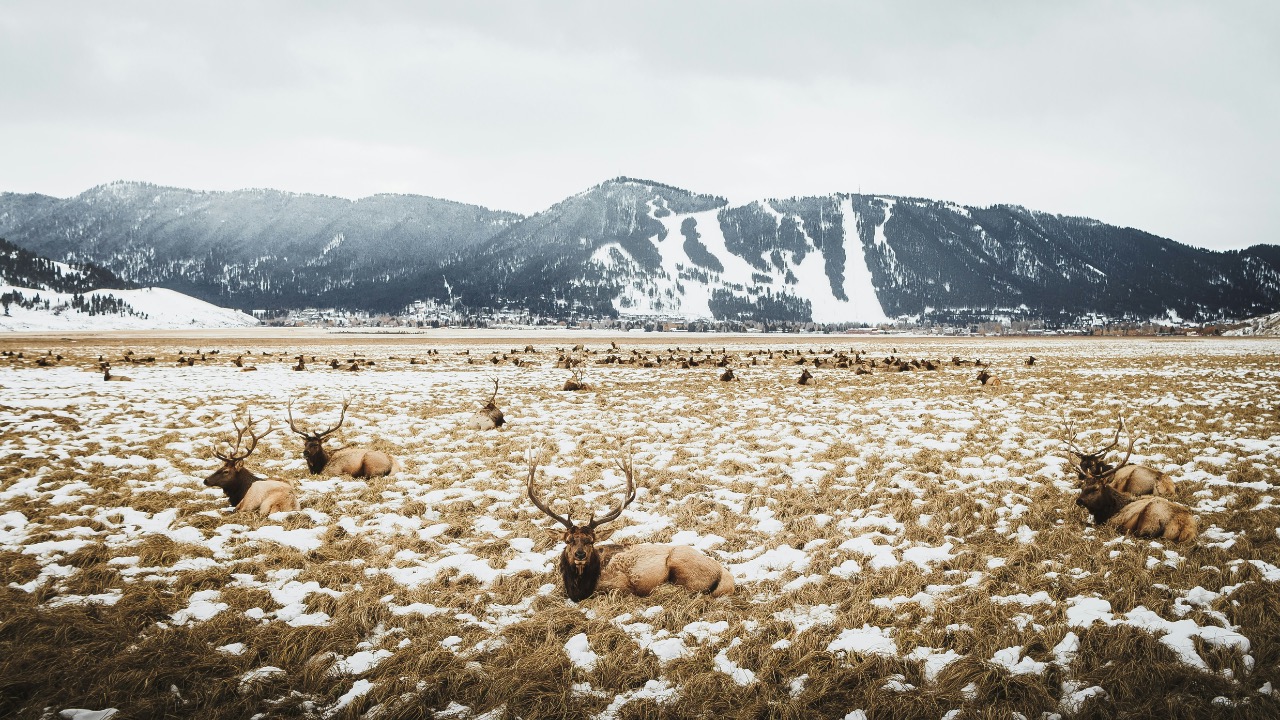
The two rejected bills grew out of years of frustration from ranchers who say they shoulder the cost of feeding and sheltering big game without getting a fair share of hunting access. Sponsors framed the proposals as a way to compensate landowners for forage loss, fence damage and the hassle of hosting herds, while also giving them more control over who hunts on their property. In their view, extra tags tied to deeded acres would recognize the role private ground plays in supporting wildlife that the state manages.
The measures would have allowed landowners to receive a set number of special licenses and then transfer or sell those tags to hunters, creating a new path into limited‑quota seasons. The concept mirrored earlier ideas that surfaced in agency discussions and in public meetings, where some ranchers argued that they should be able to market a portion of the licenses linked to their land. Critics saw the same language as a step toward a landowner tag market, which they said would tilt access toward those who can afford to buy their way around the regular draw.
The Senate’s decisive rejection
When the proposals reached the Wyoming Senate, they ran into a wall of opposition that cut across party and regional lines. Lawmakers raised concerns that the bills would carve out a privileged class of hunters and invite speculation in licenses that are now distributed through a public draw. During floor debate, senators questioned whether the state could still claim wildlife is held in trust for all residents if a subset of tags could be packaged and sold like any other asset tied to property.
The final votes were not close. Senators turned back both landowner tag bills by wide margins, a result described in one report as the chamber “decisively” rejecting the idea of transferable landowner licenses after a spirited debate about fairness and access in the Wyoming Senate. Another account of the same floor action noted that the defeat came despite heavy lobbying from ranching interests and some lawmakers who argued that private landowners are essential partners in wildlife management and deserve more flexibility.
What the bills would have changed for hunters
For everyday hunters, the most immediate change would have been a new pool of licenses that never entered the regular draw. Instead, those tags would have flowed to qualifying landowners, who could then transfer them to family members, friends or paying clients. In limited‑quota units where residents already face long odds, even a small carve‑out for landowner tags could have stretched wait times and pushed more people into general areas with heavier pressure.
Opponents warned that the structure would create a two‑tiered system, with one track for residents hoping to draw tags through the existing process and another for hunters able to pay landowners for access to guaranteed licenses. That concern echoed earlier objections raised when wildlife officials weighed similar ideas, as summarized in a detailed account of how transferable tags might affect resident opportunity and hunting culture in limited‑quota seasons. Critics argued that once the state opened the door to private sales, pressure to expand those programs would only grow.
Landowner rights, public wildlife and a long‑running tension
Supporters of the bills leaned hard on the principle that property owners carry real costs when they host big game. They described haystacks torn apart by elk, pastures grazed down by antelope and fences flattened by migrating herds, all while landowners navigate liability concerns whenever hunters step onto their ground. In that light, extra tags looked like a modest reward for people who provide winter range and year‑round habitat that the state would struggle to replace.
Opponents did not dispute those impacts but argued that wildlife itself remains a public resource, even when it stands on private land. They pointed to language that treats big game as a public trust and warned that letting landowners sell tags would blur that line. That argument has also surfaced in national advocacy circles, where one group explained that it “opposes the sale of” public wildlife and stressed that game animals should remain managed “as a public trust for all,” a position laid out in a policy statement on landowner tags. The Wyoming debate plugged directly into that broader question of how far private rights should reach when public wildlife is involved.
Earlier pushback from wildlife regulators
The Legislature was not the first arena where these ideas ran into trouble. Earlier, the Wyoming Game and Fish Commission reviewed proposed changes to landowner license rules and ultimately declined to move forward. Commissioners heard many of the same arguments that later surfaced at the Capitol, including warnings that transferable tags would commercialize access and erode confidence in the draw system that residents rely on.
In its own summary of that decision, one sporting organization noted that the Wyoming Game and after hearing from hunters who feared a shift toward pay‑to‑play hunting. The commission’s stance gave legislative opponents fresh ammunition, allowing them to argue that the state’s own wildlife board had already signaled discomfort with expanding landowner tag privileges. That backdrop helped shape the narrative that the Senate was not acting in isolation but instead following a pattern of skepticism from both regulators and the hunting public.
Grassroots pressure and Sen. Laura Pearson’s social media theory
As the bills moved through the process, lawmakers reported an unusually high volume of messages from hunters who opposed the changes. Sen. Laura Pearson described a late surge of outreach that she linked to online organizing, saying she “thinks it was social media posts” that triggered a barrage of calls and emails. According to her account, messages began to flood in a few days before the key vote, many of them urging her to stand against any system that allowed landowners to sell tags.
Her description came in a short video clip where she explained that “They” had pushed out alerts encouraging hunters to contact “Pear” and other lawmakers, a moment captured in a social media post shared by a conservation account. Her comments suggest that informal networks of hunters, rather than formal lobby campaigns, helped turn the tide. For many residents, a quick message to a senator may have felt like the only way to push back against what they saw as a quiet reshaping of the state’s hunting system.
Conservation groups and the public trust argument
Conservation and hunting groups played a visible role in shaping the debate, often framing their concerns in terms of fairness and the public trust. Jess Johnson, who serves as government affairs director for the Wyoming Wildlife Federation, was among those who welcomed the Senate’s decision. She described the outcome as a relief for resident hunters who worried that special landowner tags would erode their chances in coveted units and shift opportunity toward guided clients and out‑of‑state buyers.
Johnson’s reaction was highlighted in coverage that quoted her response after the Monday Senate vote, where she emphasized that the decision aligned with long‑standing values about shared wildlife. Other advocates echoed that view, arguing that while landowners deserve support, that help should come through programs that do not involve selling pieces of a public resource. Their stance helped frame opposition as pro‑hunter rather than anti‑landowner, a distinction that resonated with lawmakers wary of appearing hostile to agriculture.
Supporters vow to try again despite the defeat
Backers of the landowner tag concept did not treat the Senate loss as the end of the conversation. Almost as soon as the votes were tallied, some supporters said they would refine the proposals and return in a future session with versions designed to answer concerns about commercialization and equity. They floated ideas such as tighter limits on how many tags could be transferred, more resident‑only provisions and stronger guardrails to keep licenses from being bundled into high‑dollar outfitting packages.
One detailed account of the floor debate noted that even as the Senate Soundly Rejects, key sponsors insisted the underlying problem had not gone away. From their perspective, ranchers still bear significant wildlife costs, and the state still needs tools to keep private land open to hunters. That determination sets up another collision between those who see transferable tags as a practical incentive and those who view them as a threat to the shared nature of Wyoming’s big game.
The one related measure that survived
Even as senators shot down the two centerpiece bills, they allowed a narrower, related measure to advance. That surviving proposal did not create a broad market for landowner tags but instead focused on a more technical change tied to existing license programs. Lawmakers who supported it argued that the adjustment would help fine‑tune how the state balances access on private and public land without opening the door to widespread tag sales.
Coverage of the floor action explained that One related measure, even as the broader landowner tag program collapsed. The contrast suggested that senators were willing to entertain targeted tweaks but drew a bright line at any plan that allowed landowners to transfer and sell a new class of licenses. For hunters and landowners alike, that distinction matters, because it hints at where future compromise might be possible.
What the fight reveals about Wyoming’s hunting future
The clash over landowner tags exposed deeper questions about how Wyoming wants to manage hunting opportunity in the years ahead. On one side are landowners who feel squeezed by rising costs, unpredictable wildlife impacts and public expectations that they will keep their gates open. On the other side are resident hunters who see limited‑quota tags as a shared prize that should not be siphoned into private deals, especially when demand for elk and deer licenses already outstrips supply in many units.
In that sense, the Senate vote was about more than two bills. It was a statement about whether the state is willing to move toward a more privatized model of access or stick with a system that treats licenses as a common good. Reporter Mike Koshmrl captured that tension in his coverage of the debate, which highlighted how both sides claim to defend Wyoming’s hunting heritage but disagree sharply on what that heritage should look like. For now, the Legislature has sided with those who want to keep tags firmly in the public column, though the pressure to revisit that choice is not going away.

Leo’s been tracking game and tuning gear since he could stand upright. He’s sharp, driven, and knows how to keep things running when conditions turn.