Big-caliber bragging doesn’t mean much if recoil wins
Big cartridges have always carried a certain swagger, but physics does not care about ego. If recoil knocks a shooter off target, the extra energy on paper rarely translates into clean hits in the field or on the range. The real mark of competence is not how big a number is stamped on the barrel, it is how well a person can control the rifle or handgun they actually bring to the line.
That is why the modern conversation around caliber is shifting from raw power to what a shooter can manage under pressure. Hunters, competitors, and defensive shooters are increasingly weighing recoil, training time, and follow up shots alongside terminal performance. Big caliber bragging rights fade quickly when the second shot never lands where it needs to.
The culture of caliber one‑upmanship
Gun culture has long rewarded the person who shows up with the largest cartridge, even when that choice makes little sense for their skill level or mission. In debates over the “best” round, older voices often push for bigger bores while newer shooters point out that controllable options like 5.56 or mid‑range hunting calibers let them stay on target and actually hit what they are aiming at. That tension is visible in discussions where enthusiasts argue over whether a mild cartridge that enables fast, accurate fire is more useful than a punishing magnum that looks impressive on a ballistics chart.
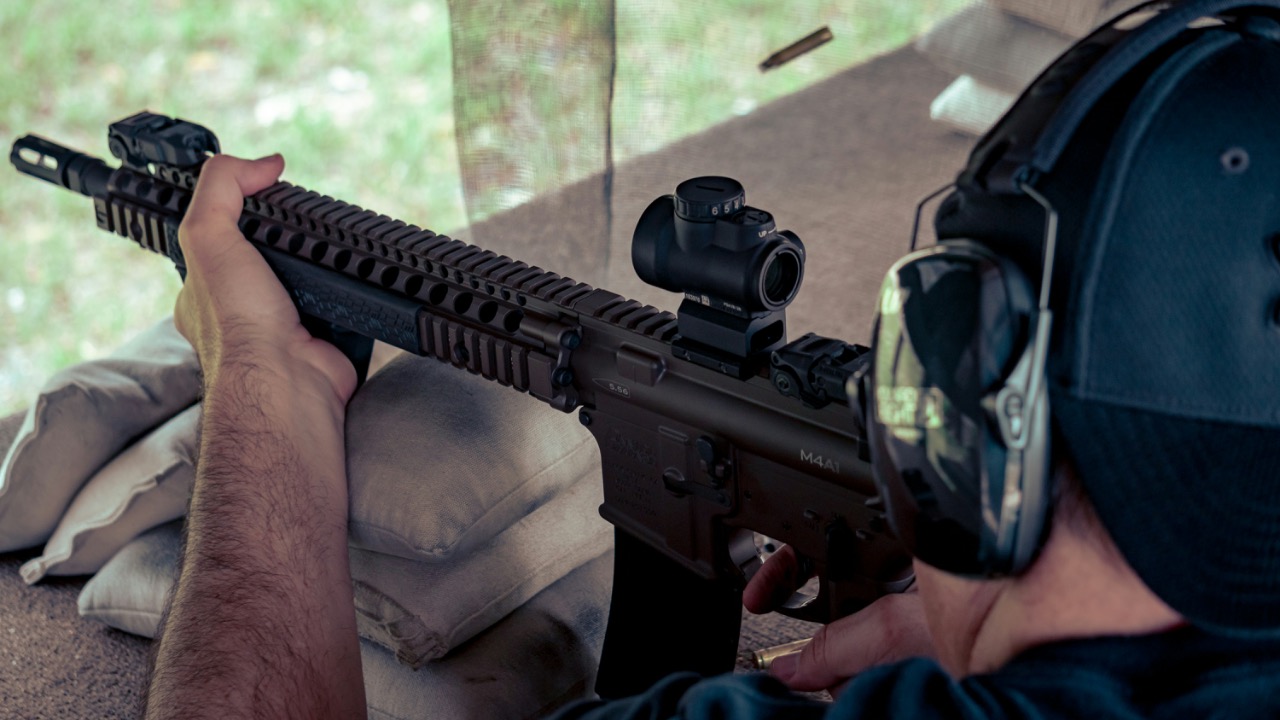
One detailed discussion of 5.56 notes that its recoil is “mild” and “predictable,” and that performance is driven more by technique than fear, a point that undercuts the idea that only large bores are serious tools for defense or hunting, especially when shooters are trained to keep their focus on the front sight instead of the blast. Over time, that kind of practical argument has chipped away at the old assumption that bigger is always better, even as some traditionalists still insist that only heavy bullets and large cases count as “real” rifle rounds, a divide that shows up whenever people compare small calibers to classic big game cartridges in online debates such as the long running large versus small caliber threads where users like Schmo push back on simplistic claims.
What recoil really does to your shooting
Recoil is not just a momentary shove to the shoulder, it is a force that ripples through every part of the shooting process. When it is not controlled, it moves the muzzle off target, slows down sight recovery, and makes it harder to call shots. Over time, heavy recoil can also change behavior, encouraging people to avoid practice or to rush their trigger press to “get it over with,” both of which erode accuracy. That is why instructors treat recoil management as a core skill, not an afterthought.
Training resources warn that Failing to manage recoil has a direct Impact on accuracy and target acquisition, since Uncontrolled movement between shots makes consistent hits far more difficult. That effect is magnified with powerful rifles and magnum handguns, where each shot can drive the muzzle high enough that the shooter loses the sight picture entirely. In that context, a softer shooting caliber that allows a stable stance and quick follow ups can be far more lethal in practice than a hard kicking round that the shooter subconsciously fears.
Technique beats caliber on the firing line
Once recoil is understood as a skill problem rather than a badge of toughness, the conversation shifts from cartridge size to fundamentals. A shooter who builds a solid stance, grips the gun correctly, and presses the trigger cleanly will usually outperform someone who simply tolerates more pain. That is why experienced trainers often steer new shooters toward controllable calibers and emphasize repetition over raw power, especially in carbine classes where hundreds of rounds are fired in a day.
One widely shared training note on 5.56 points out that its recoil is “mild, predictable, and driven more by technique than fear,” and that if a shooter lets recoil scare them off the sights, they will miss the center of the target even with a capable round, a reminder that the cartridge cannot compensate for poor form. The same logic applies to handguns, where guidance on ways to lower perceived recoil stresses that a heavier pistol with proper grip placement will have less muzzle flip than a lighter one of the same caliber, advice that is echoed in resources explaining that A heavier handgun with the support hand driven toward the muzzle can dramatically calm the gun between shots.
How serious hunters think about “too much gun”
In the hunting world, the myth of “you cannot have too much gun” runs into the reality of missed animals and wounded game. Professional guides and outfitters see the consequences when clients show up with rifles they are afraid to shoot, then flinch or hesitate when a once in a lifetime opportunity appears. For them, the priority is not the biggest cartridge a person can buy, it is the heaviest recoil they can actually manage under stress while still placing shots where they count.
One experienced voice explains that Outfitters and professional hunters want clients using rifles they are not scared of, noting that around 40 foot pounds of recoil energy is where many shooters start to struggle, long before they reach exotic rounds like the 577 Nitro Express. That perspective reframes the choice of caliber as a balance between terminal performance and human limits, not a contest to see who can endure the most punishment.
Learning to live with recoil, not fear it
For shooters who do step up in power, the key is a deliberate process of acclimation rather than a sudden leap from light to punishing cartridges. Dry fire, careful live fire progression, and honest self assessment all play a role in deciding whether a person is truly ready for a high recoil rifle. The goal is to build familiarity so that the body does not tense up or anticipate the shot, which is what causes the classic flinch that sends bullets low or wide.
One detailed answer from Bill Nash, who is listed as a Division Manager and Author with 128 answers, walks through what it means to be ready for a 460 Weatherby Magnum, emphasizing honest practice and gradual exposure. On the ground, hunters echo that approach in forums where users like Tohrchur describe how dry firing helped them stop anticipating recoil when moving up to a bigger rifle, a simple but powerful reminder that mental preparation matters as much as hardware.
Hardware that tames the kick
Even with good technique, there is only so much recoil the human body can comfortably absorb, which is where equipment choices come into play. Stock design, rifle weight, muzzle devices, and suppressors all change how recoil feels and how quickly the sights return to target. For many shooters, especially those using powerful hunting rifles or tactical carbines, investing in these tools is the difference between a punishing experience and a manageable one.
Guides on recoil control list several Proven Ways to Reduce Recoil, starting with the simple instruction to Use a Suppressor, since Adding one is described as one of the least tedious and most effective steps a shooter can take. Other advice includes increasing rifle weight, which is echoed in explanations that A heavier handgun or long gun of the same size and caliber will have less muzzle flip than a lighter version. For large caliber rifles like the .450 Bushmaster, specialized notes on managing recoil stress that the extra energy of big bores makes devices like muzzle brakes almost mandatory if the shooter wants to stay on target.
Case studies in taming big cartridges
Real world examples show how technology can turn a once brutal cartridge into something many shooters can handle. In the magnum rifle world, manufacturers have poured effort into brakes and stock geometry that redirect gas and spread recoil over a longer impulse. The result is that cartridges once reserved for the toughest shooters are now accessible to a wider audience, provided they are willing to accept extra blast and weight.
One example is the Browning Recoil Hawg muzzle brake, which is reported to cut the recoil of a 300 Ultra Mag down to something comparable to a 6.5 class cartridge, a dramatic change that makes extended practice more realistic. At the same time, guidance on how hunters manage the intense recoil of cartridges like the .458 Winchester stresses that Everything done to manage recoil, such as Increase rifle weight, actually reduces the physical impulse rather than just teaching the shooter to suffer through it.
Bullet weight, energy, and the recoil tradeoff
Behind every recoil impulse is a set of ballistic choices about bullet weight and velocity. Heavier projectiles at higher speeds carry more momentum, which translates into more energy on target but also more force back into the shooter. That is why discussions about “stopping power” cannot be separated from conversations about what a person can realistically control, especially when follow up shots matter for both ethical hunting and self defense.
Analyses of bullet performance note that Recoil is directly affected by bullet weight and velocity, and that Training can help minimize what the shooter feels. At the same time, commentary on why bullets are getting larger again points out that some hunters who favor big rounds cite reasons like better penetration and less meat damage, arguments that appear in discussions framed around phrases such as Subscribe Recurring Monthly and Cancel Anytime. The tension between those ballistic advantages and the human cost of heavier recoil is at the heart of the modern caliber debate.
Choosing the right caliber for real‑world use
When it comes time to pick a rifle or handgun, the smartest shooters start with the job they need the gun to do and work backward from there. For big game, that means weighing the size and toughness of the animal, the typical shot distance, and the shooter’s tolerance for recoil. For defensive use, it means prioritizing controllability and the ability to place rapid, accurate shots over raw energy figures that look impressive in marketing copy but are hard to harness in a crisis.
Guides to caliber specific hunting rifles stress that When choosing a big game caliber, hunters should consider recoil management and look at Accessories like recoil pads or adjustable stocks to help. For those who dislike heavy recoil but still need serious stopping power, one detailed answer on dangerous game defense recommends a 45 70 in a lever gun like the Marlin Model 1895 SBL, precisely because it offers a balance of power and controllability for close range encounters with grizzly bears and other dangerous animals.
Why control, not caliber, is the real flex
Across all of these examples, a pattern emerges. The shooters who perform best are not the ones chasing the biggest numbers, they are the ones who pick a cartridge they can master and then invest in technique, training, and smart equipment. That is as true for a 5.56 carbine as it is for a .300 magnum or a .45‑70 lever gun. The common thread is respect for physics and an honest assessment of personal limits.
Resources that focus on recoil management, from detailed lists of ways to Reduce Recoil to community threads where shooters like Tohrchur share how they adapted to bigger rifles, all point toward the same conclusion. A shooter who can keep their sights steady, call their shots, and deliver accurate follow ups with a moderate caliber is far more effective than someone who flinches their way through a punishing magnum. In the end, the real bragging rights belong to the person whose hits, not their headstamp, tell the story.

Leo’s been tracking game and tuning gear since he could stand upright. He’s sharp, driven, and knows how to keep things running when conditions turn.