Handgun features that can complicate concealed carry
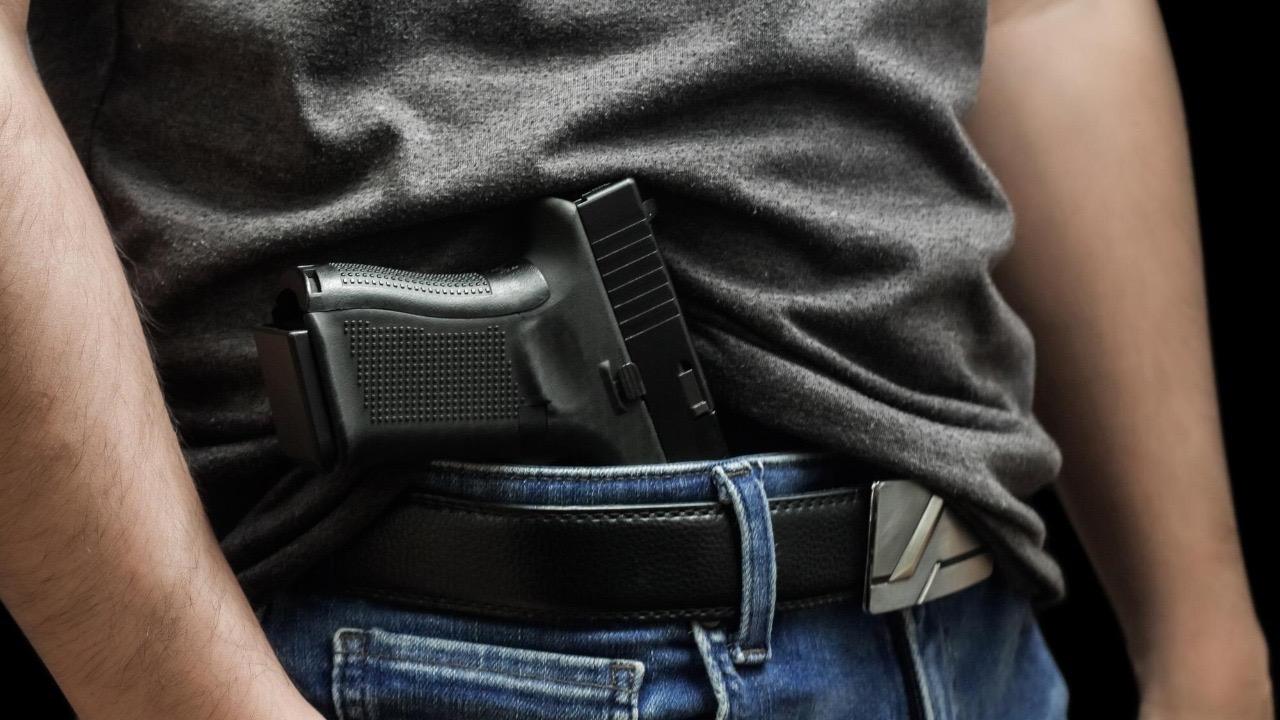
Small handguns promise easy concealment, but certain features can turn daily carry into a constant fight with printing, discomfort, and slower draws. Grip length, slide height, controls, and even aftermarket parts all change how a pistol hides under normal clothes.
When I look at carry guns, I focus on the design choices that make a pistol harder to hide or harder to run safely under stress. By understanding which features complicate concealed carry, a buyer can pick a handgun that balances concealment, control, and reliability instead of chasing specs that only look good in a catalog.
Size myths: when “smaller” is actually harder to carry
Many people assume the tiniest handgun will always be the easiest to carry, but very small pistols can be harder to shoot well and less forgiving in real clothing. One guide to choosing a carry gun stresses that what matters most is a mix of size, caliber, comfort, and safety, not just the smallest footprint, and it frames that choice around How a handgun fits the shooter’s hand and how it points. If the pistol is so small that you struggle to get a full firing grip or manage recoil, you may slow down your first shot and follow-up shots, which matters more than saving a few millimeters of length.
Ultra‑compact pistols also give up capacity and shootability in ways that become obvious once you leave the gun store. A carry size guide notes that minimalist micro guns often have low Magazine capacities and can be harder to run at speed, while slightly larger compacts remain easy to hide but offer better control. I see the same pattern with revolvers: small snubnose models like the Smith and Wesson J‑Frame and Ruger SP101 are praised for being small enough to carry, yet they are recommended in combinations that match the gun to suitable defensive ammunition so the shooter can still manage recoil and accuracy, a point highlighted in guidance on Smith and Wesson J‑Frame setups.
THICKNESS, frame length, and the problem of printing
From a concealment standpoint, thickness matters as much as overall size. A defensive pistol training document states in all caps that THICKNESS is the single most important characteristic affecting concealment and comfort, and it adds that the thinnest, shortest pistol that the shooter can handle well is usually best. A slim handgun hugs the body, reduces the bulge under a shirt, and lets the holster sit closer to the belt, which cuts down on printing in normal movement.
Length still matters, but not always in the way new carriers expect. One analysis of concealability points out that frame length, especially the back of the grip, is often the part that sticks out and catches clothing, and it singles out Frame Length as a key factor that makes a handgun harder to hide. Another detailed breakdown of gun size adds that grip length is usually the hardest dimension to conceal because it is the part that tends to print first, and it links that issue to how the holster rides and how the belt holds the Grip Length of the pistol in place.
The grip: HARDEST feature to hide under real clothes
Even when the slide and barrel stay tucked inside the waistband, the grip often betrays the gun. In a short video focused on concealment, the presenter flatly calls the grip the HARDEST part of a handgun to conceal, because it sticks out from the body and pushes against clothing. When a shirt drapes over that corner of the frame, any bend or twist in your torso can show a clear outline, so an extra half inch of grip can matter more than an extra half inch of barrel.
Aftermarket parts can make this problem worse. A breakdown of common modifications that hurt concealment points to flared magwells, extended baseplates, and oversized backstraps as changes that quickly make the grip the most challenging part of the gun to hide, and it even calls out that some owners do not realize they have a magwell installed on their Sig pistols, which adds bulk at the bottom of the frame, as seen in a discussion of Sig and other carry guns. For anyone who carries inside the waistband, a cleaner, shorter grip usually beats a heavily modified one that adds capacity but also adds printing.
Slide length, barrel choices, and comfort over a full day
Slide length has a more subtle effect on concealment. A belt company that works with concealed carriers explains that, regarding slide length, a gun is often easier to carry if the slide extends below the belt about as much as it extends above it, because this gives the holster more leverage to keep the gun stable and prevent the top from tipping out, and it frames this advice with the word Regarding in a section on slide length and frame width. A slide that is too short can feel top-heavy, which may cause the grip to lean away from the body and print more through light clothing.
Barrel and slide choices also change how the gun shoots, which feeds back into what you can carry with confidence. A technical look at small handguns notes that while no one can doubt the stopping power of a . While 45 ACP cartridge, very small pistols in stout calibers create unique challenges such as reduced grip area and sharper recoil. That same analysis points out that tiny automatic pistols with extended barrels can feel unbalanced, which again shows how barrel length and slide mass can change both comfort and concealment during daily carry.
Controls, safeties, and how extra levers snag or slow the draw
External controls that seem minor on the bench can snag on clothing or slow the draw when hidden under a shirt. In a long discussion among concealed carriers, one user in a thread titled What safety features do you consider describes being very strict about safety features and avoiding designs that can fail in ways that block the trigger or cause an unintended discharge. That kind of concern shows why some carriers prefer simple, consistent triggers with minimal external levers, so there is less to catch on clothing or mis‑operate under stress.
Trigger modifications also carry risk when they go beyond cleaning up a poor break. A legal and training focused analysis quotes As Gary Eastridge saying he has no problem with cleaning up a trigger if it exhibits creep, which is detectable movement before the break, but he warns against any change that makes the trigger so light or short that it increases the chance of a negligent or inadvertent discharge, a point made clear in a section introduced with the phrase As Gary Eastridge. For concealed carry, I look for controls that are large enough to use under stress but low-profile enough not to add new snag points when the gun rides inside the waistband.
Aftermarket parts and textures that fight concealment
Many popular modifications improve performance on the range but make a handgun harder to live with under a T‑shirt. A gear guide on concealed carry upgrades notes that some wraparound grips and sleeves can shift over time, which may cause the shooter to lose their hold, and it also warns that other modifications, including recoil buffers and extended magazines that hold more than 10 rounds, can change how the gun fits holsters and clothing, as laid out in a section that begins with the words With any modification. Every extra edge, flare, or sharp texture adds friction against cover garments, which can both print and slow the draw.
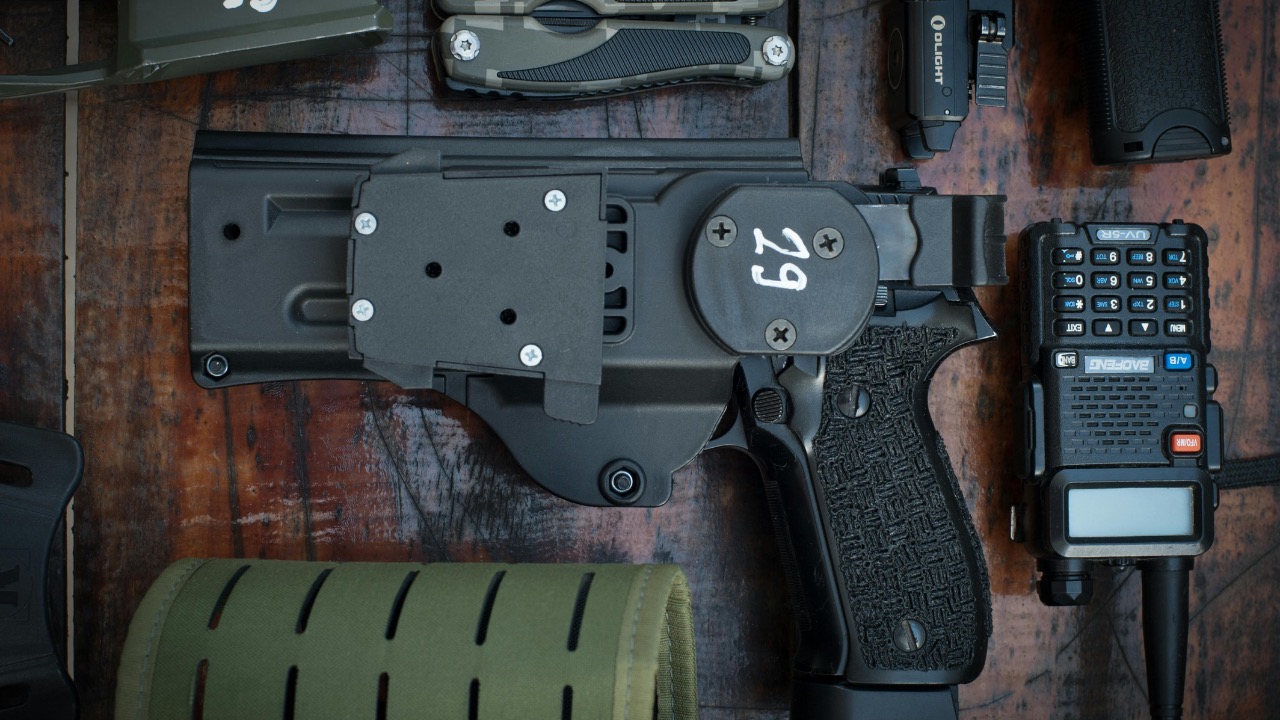
The same tension shows up with duty gear, where holster materials and gun finishes have to balance retention, wear, and concealment. A guide written for women in law enforcement notes that another issue with materials is how they wear, and that all of the various surfaces, projections, and gripping textures on both the gun and holster can rub against clothing and make it harder to conceal body-carried firearms from view, a concern summed up in a section that starts with the word Another. For concealed carriers, aggressive textures that feel great in the hand may chew through shirts or cling so tightly that the gun drags the garment with it during the draw.
Carry method, body shape, and when the gun is simply in the wrong place
Even the best designed handgun becomes harder to hide if it rides in a poor position on the body. A training piece on carry methods states that there are many ways to carry a gun and that each has pros and cons regarding speed, security, safety, concealability, and comfort, a balance it lays out with the words There and Each. Strong‑side belt carry, appendix inside the waistband, and pocket carry all change how grip length, thickness, and slide height interact with your torso and clothing.
Certain positions make printing almost unavoidable, regardless of gun size. A warning about small of the back carry explains that, from a concealment standpoint, this position is not ideal because the shape of the firearm is more likely to print through clothing, especially when bending over or sitting, and it highlights how the outline of the gun can show clearly through light garments in that spot, as detailed in a section on From a concealment perspective. Another analysis of concealed carry tradeoffs notes that there are multiple options for concealed carry, but the farther your handgun gets from a holster attached to a belt in front of your body, the more likely it is to be less comfortable, less tactically effective, or both, a pattern described in a section that opens with the word There. The message is simple: even a good gun becomes a problem if it rides where your body shape and clothing cannot hide it.
Caliber, recoil, and reliability in very small guns
Caliber choice ties straight into gun size, recoil, and reliability, all of which affect how realistic it is to carry a given handgun every day. A guide on defensive calibers advises that, thus, whatever caliber you pick, you should choose a gun that is small enough that you can carry it without it being too heavy and large enough that you can shoot it well, and it adds that very small guns are often harder to shoot and easier to see through clothing, a point framed around the word Thus. If the pistol is so light that a defensive load in . 45 ACP or similar caliber becomes painful to practice with, most people will not train enough to handle it well under stress.
Very small handguns can also be less forgiving of poor grip or marginal ammunition, which may increase the risk of malfunctions. A safety course on firearm function lists common problems such as Misfire, when the trigger is pulled and the firearm does not fire, and Hangfire, when there is a delay between the trigger press and the shot, in a section labeled Common firearm malfunctions. Compact and subcompact designs can run very well, but they usually require more attention to grip and ammo choice than full‑size duty guns, which is another reason not to chase the smallest possible pistol if it compromises reliability.
Revolvers, subcompacts, and when “simple” still complicates carry
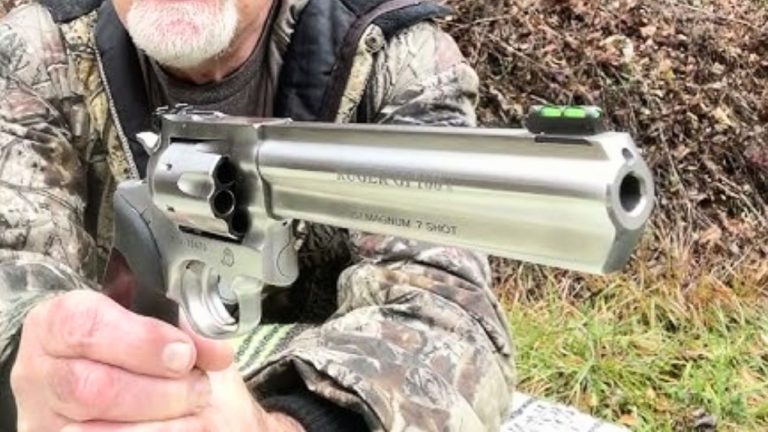
Revolvers are often sold as simple, snag‑free carry guns, yet their shapes can still complicate concealment. A holster maker’s guide to choosing a carry gun notes that subcompact revolvers are the small frame snubnose revolvers, such as the Smith and Wesson J‑frame, Charter Arms Undercover, and Ruger LCR, and it groups them under the label Subcompact revolvers. These guns hide well in some pockets and ankle rigs, but their round but tall grips can still print under fitted clothes, and the cylinder adds thickness that may be harder to hide than a flat semi‑auto.

Leo’s been tracking game and tuning gear since he could stand upright. He’s sharp, driven, and knows how to keep things running when conditions turn.