Guns that instructors warn you about quietly
Spend enough time around shooting schools and ranges, and you start to notice patterns. Certain guns show up again and again, usually with new owners who expected an easy learning curve. Instructors don’t always call these guns out publicly, because most of them function and sell well. But off to the side, you’ll hear warnings shared in low voices. These firearms aren’t unsafe by default, and they aren’t junk. They simply demand more patience, experience, or mechanical sympathy than most shooters realize going in. If you’re serious about building skills instead of fighting equipment, these are the guns instructors often caution students about when no one’s listening.
Glock 26
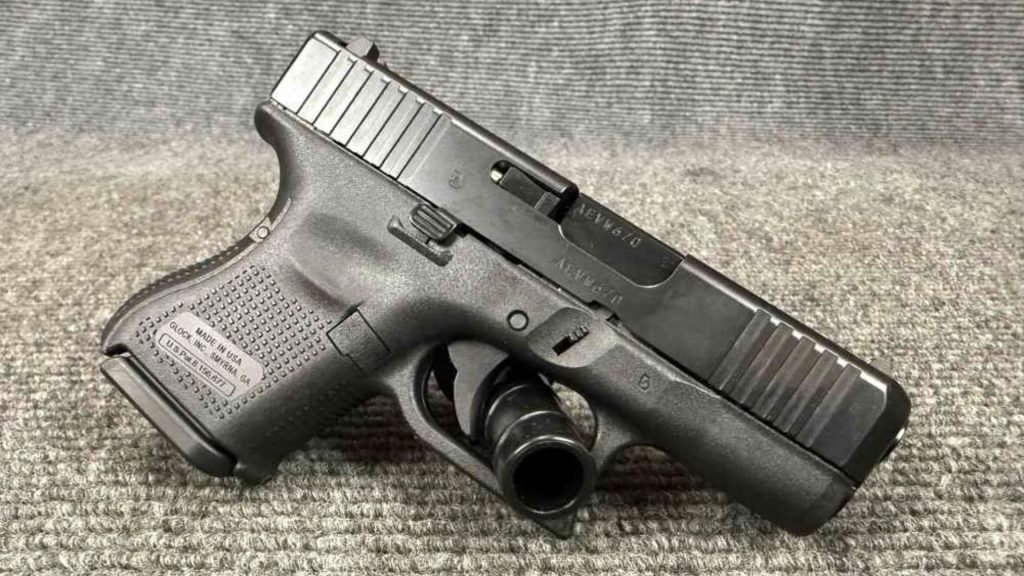
The Glock 26 gets recommended as a do-everything handgun, but instructors often see shooters struggle with it. The short grip combined with Glock’s grip angle can make consistent hand placement harder than expected.
You can shoot it well, but it takes deliberate grip discipline. Newer shooters often chase accuracy problems that aren’t ammo or sight related. During longer classes, fatigue sets in faster than with full-size pistols. Instructors don’t hate the Glock 26, but they know it hides bad habits and amplifies small mistakes. For learning fundamentals, it’s less forgiving than its reputation suggests.
Smith & Wesson Airweight Revolvers
Airweight revolvers look appealing for carry, but instructors quietly brace when one hits the firing line. Lightweight frames and heavy triggers punish sloppy technique immediately.
Recoil is sharp, follow-up shots are slow, and trigger control becomes a real test. Many shooters struggle to keep hits consistent beyond close distances. Reloading under pressure is another challenge that often surprises owners. Instructors warn that these revolvers demand strong fundamentals from day one. Without them, frustration replaces confidence fast, even though the gun itself functions exactly as designed.
Springfield XD-S
The XD-S is compact and concealable, but instructors often see shooters fight it more than expected. The narrow grip and stout recoil create control issues during rapid strings.
Trigger travel can disrupt timing, especially for shooters transitioning from full-size pistols. Grip safety engagement adds another variable under stress. None of these are deal breakers, but they stack up quickly in training environments. Instructors know the XD-S requires extra focus to run smoothly. Many shooters end up blaming themselves when the platform simply demands more effort than advertised.
Kel-Tec Sub-2000
On paper, the Sub-2000 checks a lot of boxes. In classes, it reveals its quirks fast. Folding designs introduce alignment issues that show up on target.
Trigger feel is long and inconsistent, making precision harder than expected. Magazine insertion and lockup can slow shooters down during drills. Instructors don’t dismiss the Sub-2000 outright, but they know it complicates skill building. You spend more time managing the gun than refining technique, which quietly works against newer shooters trying to build confidence.
Ruger LCP
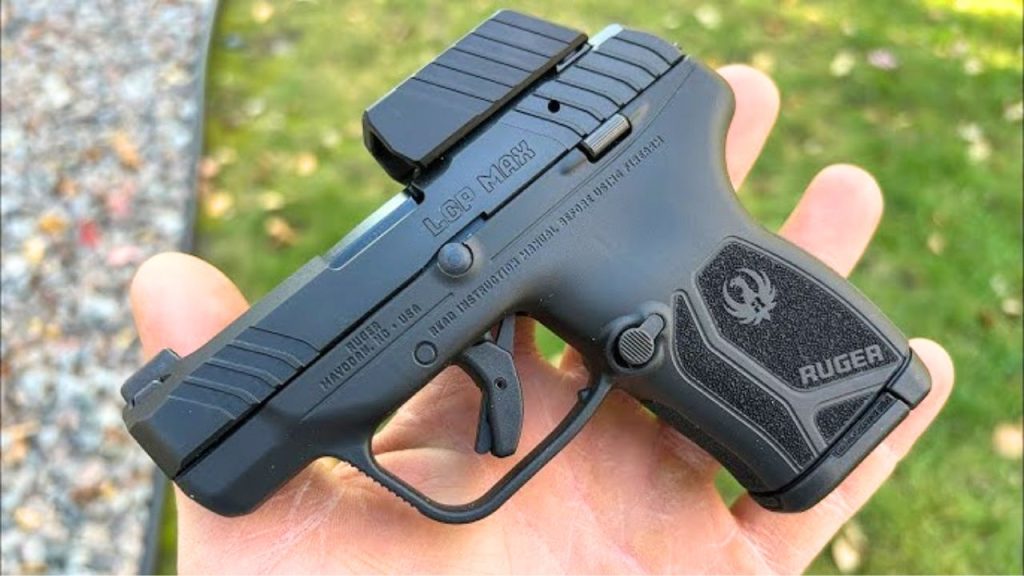
The Ruger LCP is everywhere, and instructors know exactly why. It’s easy to carry and hard to shoot well. Tiny sights, long trigger pulls, and snappy recoil combine into a demanding package.
In training environments, shooters often struggle to keep hits consistent past very close distances. Grip control becomes exhausting during extended sessions. Instructors warn that the LCP magnifies every weakness in fundamentals. It functions reliably, but learning with it can feel like trying to sprint uphill. Many students progress faster when they switch to something larger.
FN SCAR 17
The SCAR 17 carries an elite reputation, but instructors know it can be demanding. Recoil impulse and balance require deliberate technique to manage effectively.
Charging handle placement and control layout aren’t intuitive for everyone. During dynamic drills, shooters often fight the rifle instead of flowing with it. Accuracy is there, but consistency takes work. Instructors quietly caution that the SCAR rewards experience and punishes casual handling. It’s capable, but not the easy button many expect when they first shoulder it.
Remington 870 Express
The 870 Express looks like a safe bet, but instructors have seen plenty of them struggle. Rough chambers and stiff actions show up quickly in training.
Short-stroking becomes common as shooters fight resistance in the pump. Ejection issues interrupt drills and shake confidence. Instructors don’t condemn the platform, but they know newer Express models often require polishing and break-in. Students expecting smooth, instinctive operation can get frustrated fast when the gun demands more effort than anticipated.
Beretta 92FS
The Beretta 92FS is respected, but instructors often warn shooters quietly about its learning curve. Grip size challenges smaller hands, and the double-action trigger demands discipline.
Transitions between trigger modes cause inconsistent hits for many students. Slide-mounted controls can complicate manipulations under stress. The pistol is accurate and reliable, but it asks more of the shooter than modern striker-fired designs. Instructors know that skill development can stall when shooters spend too much time adapting to the gun instead of refining fundamentals.
Mossberg Shockwave
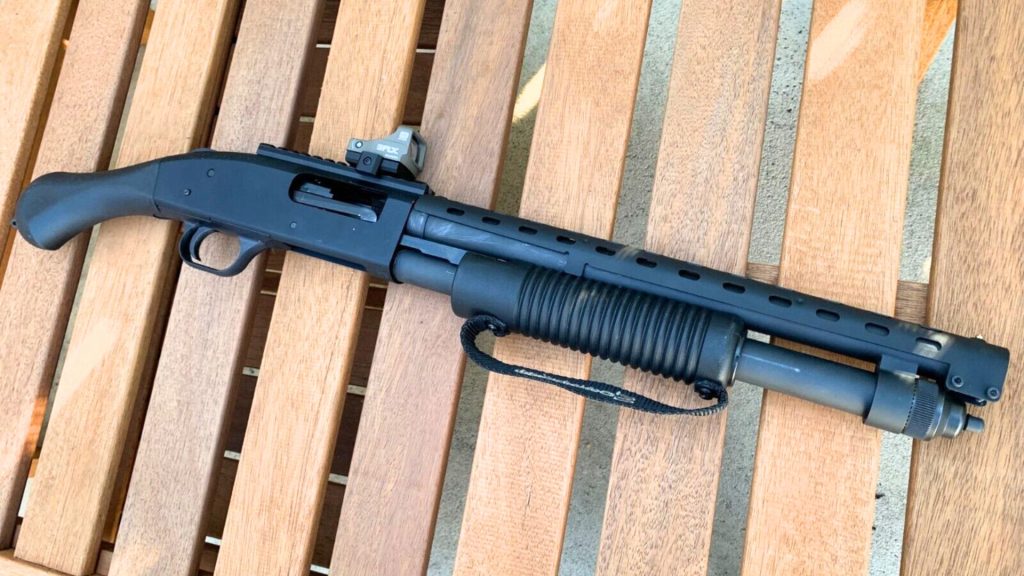
The Shockwave draws attention, but instructors rarely smile when one appears. Short barrels and unconventional grips limit control and consistency.
Recoil management becomes a constant battle, and accuracy suffers beyond close distances. Manipulations are slower and less predictable under pressure. Instructors warn quietly that the Shockwave is a niche tool, not a training platform. Shooters often expect versatility and discover frustration instead. It works within narrow limits, but learning around it is far harder than most realize.
CZ 75 Compact
The CZ 75 Compact has a loyal following, yet instructors know it can challenge new shooters. Grip angle and weight distribution feel great to some and awkward to others.
Trigger reach in double action forces hand adjustments mid-drill. Reset length can slow follow-up shots until muscle memory catches up. Instructors don’t discourage CZ ownership, but they quietly note that these pistols reward familiarity. Without consistent practice, shooters often struggle more than they expect despite the gun’s accuracy potential.
SIG Sauer P320 Subcompact
The P320 Subcompact promises modular convenience, but instructors see shooters wrestle with balance and recoil. Short slides and lighter frames change timing during rapid fire.
Grip modules don’t always solve fit issues immediately. Trigger feel is consistent, but follow-up shots demand attention. Instructors quietly warn that smaller P320 variants are less forgiving than full-size models. Skill gaps show up faster, and frustration follows when shooters assume the platform will mask mistakes instead of exposing them.
Taurus Judge

The Judge draws curiosity, but instructors often caution students privately. Trigger pulls are heavy, recoil varies wildly, and accuracy expectations rarely match reality.
Switching between .45 Colt and .410 shells complicates training consistency. Grip size and cylinder weight affect control. Instructors know the Judge fills a narrow role, yet many owners expect more. Learning suffers when shooters chase versatility instead of fundamentals. It functions, but it complicates skill development in ways most don’t anticipate.
AK-Pattern Rifles
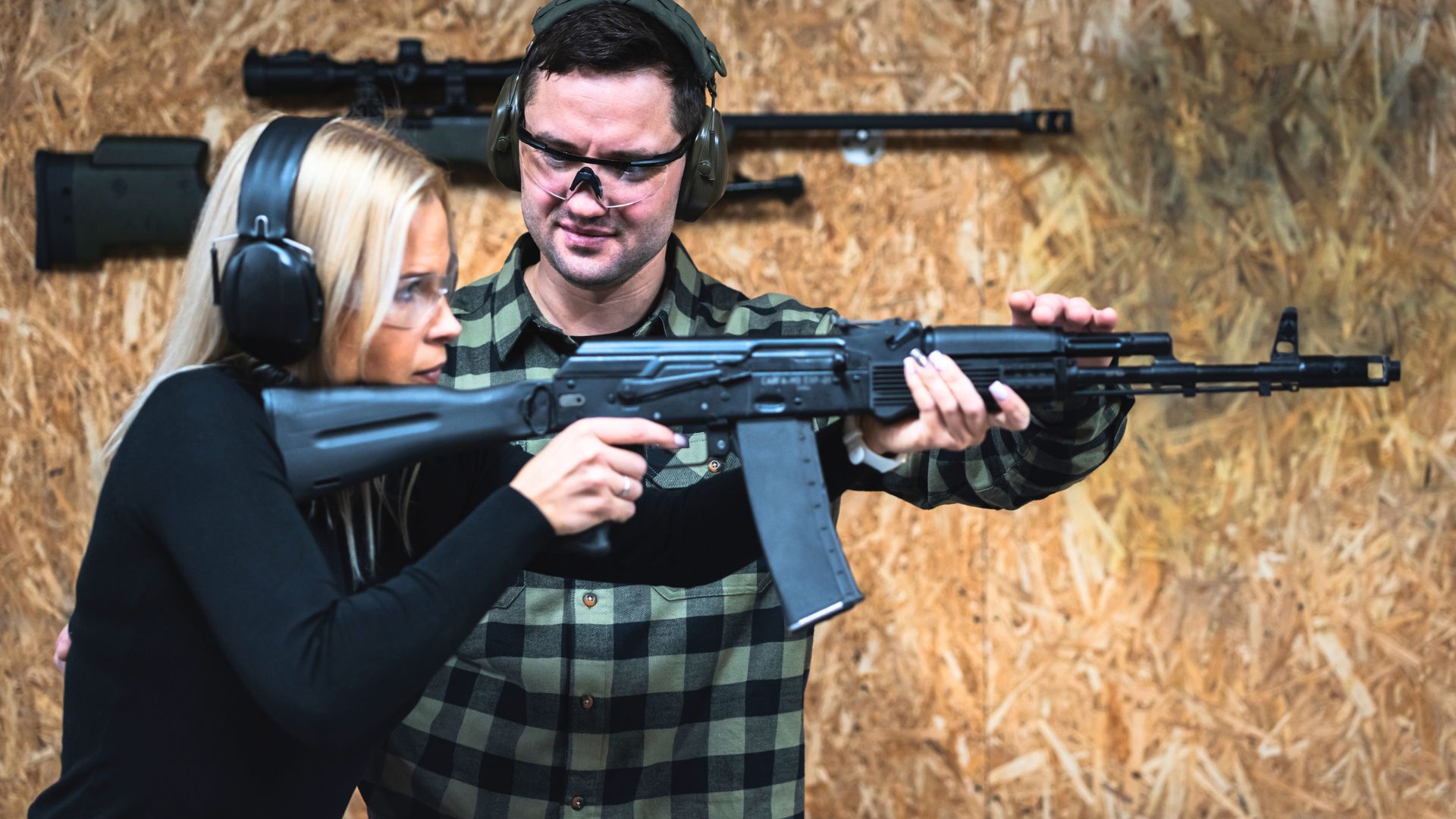
AKs are legendary, but instructors quietly explain their learning curve. Controls differ from AR platforms, and ergonomics require adaptation.
Sight radius and trigger feel challenge precision work. Reloads are slower without dedicated practice. Instructors respect the platform but warn that skill transfer isn’t automatic. Shooters accustomed to modern rifles often struggle at first. The AK rewards repetition, but without it, frustration creeps in quickly during structured training.
Micro-Compact 9mm Pistols
Ultra-small 9mm pistols sell fast, and instructors know why. They’re easy to carry and hard to master. Recoil, short sight radius, and reduced grip surface test control.
During classes, shooters fatigue quickly and chase accuracy problems. Instructors quietly suggest starting larger and downsizing later. These pistols work, but they demand polished fundamentals. Without them, progress slows and frustration builds. They aren’t bad guns, but they aren’t ideal learning tools either.

Asher was raised in the woods and on the water, and it shows. He’s logged more hours behind a rifle and under a heavy pack than most men twice his age.