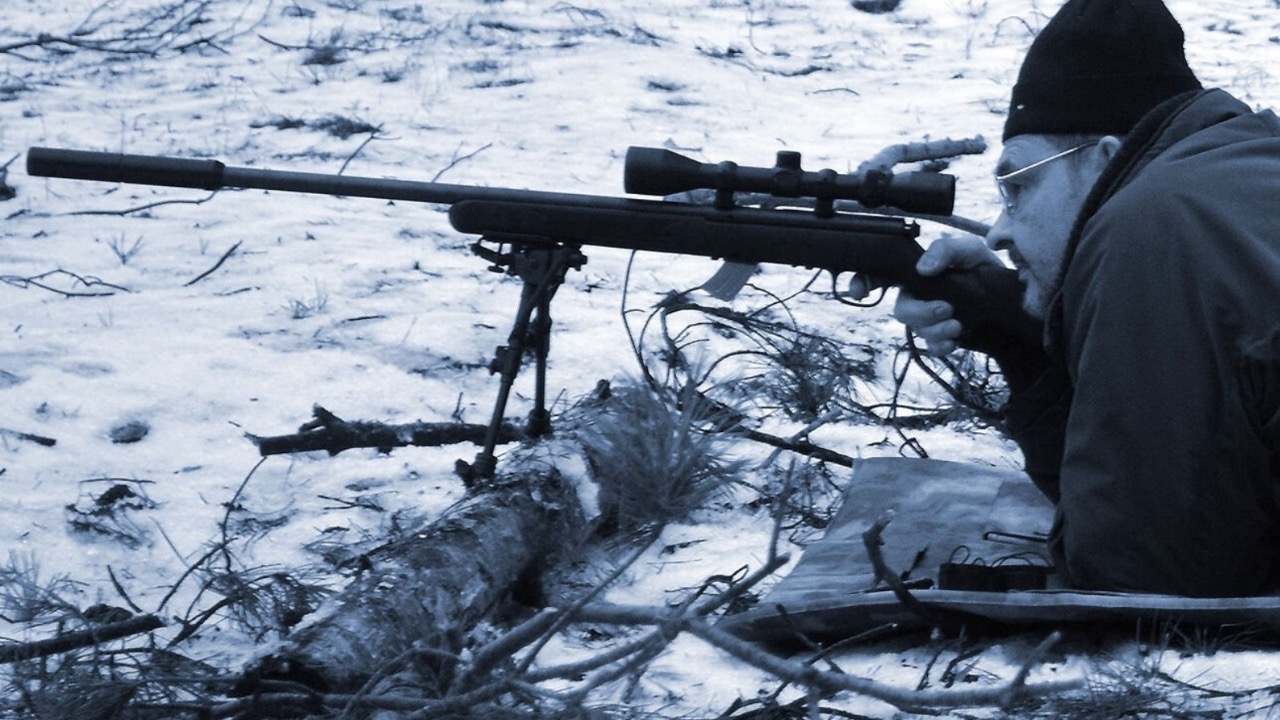
Rifles widely recommended that don’t always excel in harsh conditions
A rifle can run like a sewing machine on a sunny range day and still stumble when the weather turns ugly. Mud, blowing grit, freezing rain, and subzero mornings have a way of exposing weaknesses you’ll never see off a bench. Some rifles earn glowing reviews because they’re accurate, affordable, or comfortable to shoot. But once you drag them through alder thickets, lay them in wet snow, or bounce them around in a truck for a week, small design choices start to matter.
You don’t need perfection in the field. You need reliability when your hands are cold and your shot window is short. These rifles are widely recommended—and often good—but they don’t always shine when conditions get rough.
Tikka T3x Lite
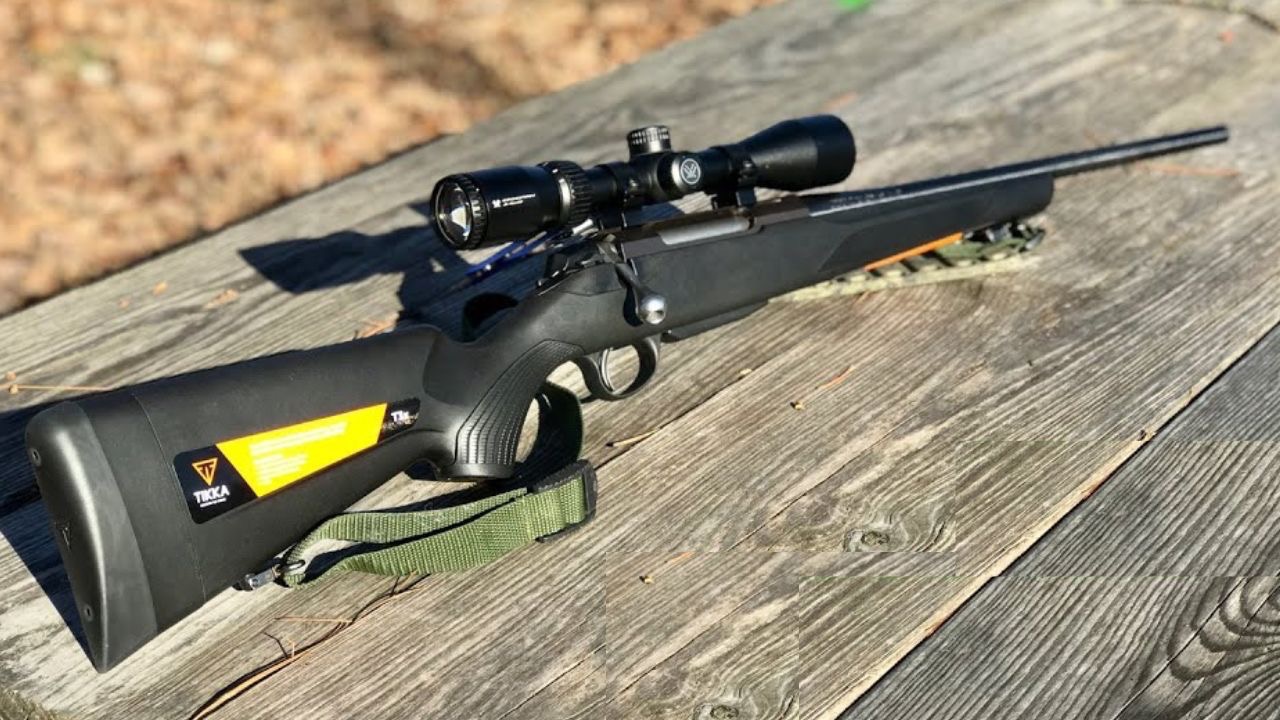
The Tikka T3x Lite has a reputation for accuracy and a slick bolt. On a calm range, it’s hard not to appreciate how smoothly it runs. But in sustained cold or wet weather, that lightweight stock and slim barrel can reveal limitations.
The thin barrel heats quickly and cools quickly, which isn’t ideal if you’re confirming zero in camp or taking multiple shots. The polymer magazine is reliable in normal conditions, yet freezing grit can make insertion and removal stiff. It’s a fine hunting rifle, but in prolonged harsh weather, you may find yourself wishing for a little more mass and a little less flex.
Christensen Arms Ridgeline
The Ridgeline gets plenty of attention for being light and accurate. Carbon-wrapped barrels and trim stocks appeal to mountain hunters counting ounces. In steady weather, it performs well.
In rough conditions, though, ultra-light rifles can become harder to manage. Recoil feels sharper, especially from field positions in heavy clothing. Carbon barrels also demand careful maintenance if you’re hunting in constant moisture. They don’t tolerate neglect. When the weather stays wet for days and you can’t baby your gear, the Ridgeline can require more attention than some hunters expect.
Browning BAR (Modern Hunting Models)
The Browning BAR is praised for giving you semi-auto speed in a hunting rifle. It cycles smoothly with good ammunition and handles recoil well for its chamberings.
But semi-autos, by design, introduce more moving parts and tighter tolerances. In dusty prairie winds or freezing sleet, fouling builds quickly. If you don’t stay on top of maintenance, reliability can slip. The rifle isn’t fragile, but compared to a basic bolt gun, it gives you less margin for neglect. In harsh conditions, simplicity still has an edge.
Savage 110 Ultralite
The Savage 110 Ultralite earns attention for packing down weight while keeping the familiar 110 action. It carries easily and shoots well with the right load.
In extended cold, though, lightweight components and slim contours can work against you. Recoil becomes more noticeable when you’re layered up and shooting off uneven terrain. The AccuTrigger is good, but fine adjustments can feel different with gloves on. It’s a capable rifle, yet when the wind is cutting and your fingers are numb, heavier rifles sometimes prove easier to manage and steadier to shoot.
Springfield Armory Waypoint 2020
The Waypoint 2020 is built with quality materials and marketed as a serious backcountry rifle. Fit and finish are solid, and accuracy is often impressive.
Still, lightweight precision rifles demand careful handling. In muddy or sandy terrain, tight tolerances can feel less forgiving than looser, battle-proven designs. Detachable magazines also introduce another point of failure if debris gets inside. It’s a refined rifle, but in truly ugly conditions where cleaning options are limited, refinement doesn’t always equal resilience.
Kimber 84M
The Kimber 84M is admired for being trim and easy to carry. For hunters covering miles, that counts for a lot. It shoulders quickly and balances well.
Yet lightweight actions and narrow stocks can magnify recoil and shooter input when the weather turns rough. Cold fingers and heavy gloves make its slim controls harder to manipulate. Bedding and stock fit are critical in these rifles, and extreme temperature swings can expose inconsistencies. It’s a good mountain rifle, but when conditions become relentless, you may notice its margins are slimmer than bulkier, more forgiving platforms.
Weatherby Mark V (Lightweight Variants)
The Mark V name carries weight, and the action is strong. In standard configurations, it’s a dependable hunting rifle. Lightweight variants, however, change the equation.
Reduced mass increases felt recoil, especially in magnum chamberings. In wind, rain, or snow, that extra recoil can pull you off target if your footing isn’t perfect. The rifle itself is well-made, but lighter builds demand tighter fundamentals. When you’re soaked and fatigued after a long climb, a heavier, steadier rifle can feel like a better partner.
Daniel Defense Delta 5
The Delta 5 is often recommended for precision shooters stepping into bolt guns. It’s accurate and well-machined, with features that appeal to range-focused hunters.
In harsh field conditions, though, chassis-style rifles can collect grit in rails and adjustment points. More complexity means more places for debris to settle. If you’re crawling through sand or dealing with fine dust, you’ll need to stay diligent. It’s not that the rifle can’t handle bad weather. It’s that it rewards maintenance—and harsh hunts don’t always give you that luxury.
Bergara B-14 HMR
The Bergara B-14 HMR blends hunting and precision roles, and it’s widely praised for out-of-the-box accuracy. The stock is solid, and the action runs smoothly.
But the added weight and bulk that help on the range can become a burden in steep, unforgiving country. In wet conditions, heavier rifles are harder to keep balanced when you’re climbing or crossing slick ground. The rifle shoots well, yet in sustained harsh weather, you may find yourself wishing for something more streamlined and less demanding to haul.
These rifles aren’t bad. Most are accurate, well-made, and dependable in typical conditions. But when weather turns foul and maintenance windows shrink, you start to appreciate rifles built with fewer moving parts, generous tolerances, and a little extra forgiveness. In the field, that margin can matter more than any spec sheet.

Asher was raised in the woods and on the water, and it shows. He’s logged more hours behind a rifle and under a heavy pack than most men twice his age.